
Floating Dock Permit Requirements: State-by-State Guide (2026)
 10 min read
1,931 words
10 min read
1,931 words

If you are considering a floating dock for your waterfront property, you likely want to know whether a permit is required. The answer is almost always yes, but the specific floating dock permit requirements vary significantly by state, lake jurisdiction, and the size or type of dock you plan to install. This guide provides a state-by-state comparison of floating dock regulations, covering which states require permits, where exemptions apply, seasonal rules, size thresholds, and anchoring methods that affect your permitting process.
You will learn which agency to contact, typical costs, processing timelines, and the critical differences between permitting a floating dock versus a fixed pier. Whether you are looking for a temporary dock for summer use or a permanent seasonal structure, this resource will help you navigate the regulatory landscape with confidence.
Which States Require Permits for Floating Docks?
In nearly every state, a floating dock requires a permit from one or more regulatory agencies. The most common authorities include state Departments of Natural Resources (DNR), state environmental protection agencies, and the U.S. Army Corps of Engineers (USACE) for waters that are navigable or under federal jurisdiction. However, the specific requirements and exemptions vary widely.
Below is a state-by-state comparison table summarizing the general permit requirements for floating docks in key states. Note that local county or lake-specific rules may add additional layers of regulation.
| State | Floating Dock Permit Required? | Primary Agency | Typical Fee Range | Key Exemptions |
|---|---|---|---|---|
| Florida | Yes | Florida DEP / Water Management Districts | $100–$500 | Docks under 500 sq. ft. in certain areas |
| Texas | Yes | Texas General Land Office / USACE | $200–$1,500 | Small temporary docks on private lakes |
| Michigan | Yes | Michigan EGLE | $50–$300 | Docks under 200 sq. ft. on inland lakes |
| California | Yes | California Coastal Commission / Regional Boards | $500–$5,000 | Very limited; most require full review |
| New York | Yes | NYSDEC / USACE | $100–$1,200 | Docks under 100 sq. ft. in non-navigable waters |
| Minnesota | Yes | Minnesota DNR | $75–$400 | Docks under 8 ft wide on certain public waters |
| Washington | Yes | Washington Dept. of Ecology / Local County | $300–$2,000 | Seasonal docks with specific size limits |
States Where Floating Docks Are Exempt from Permits
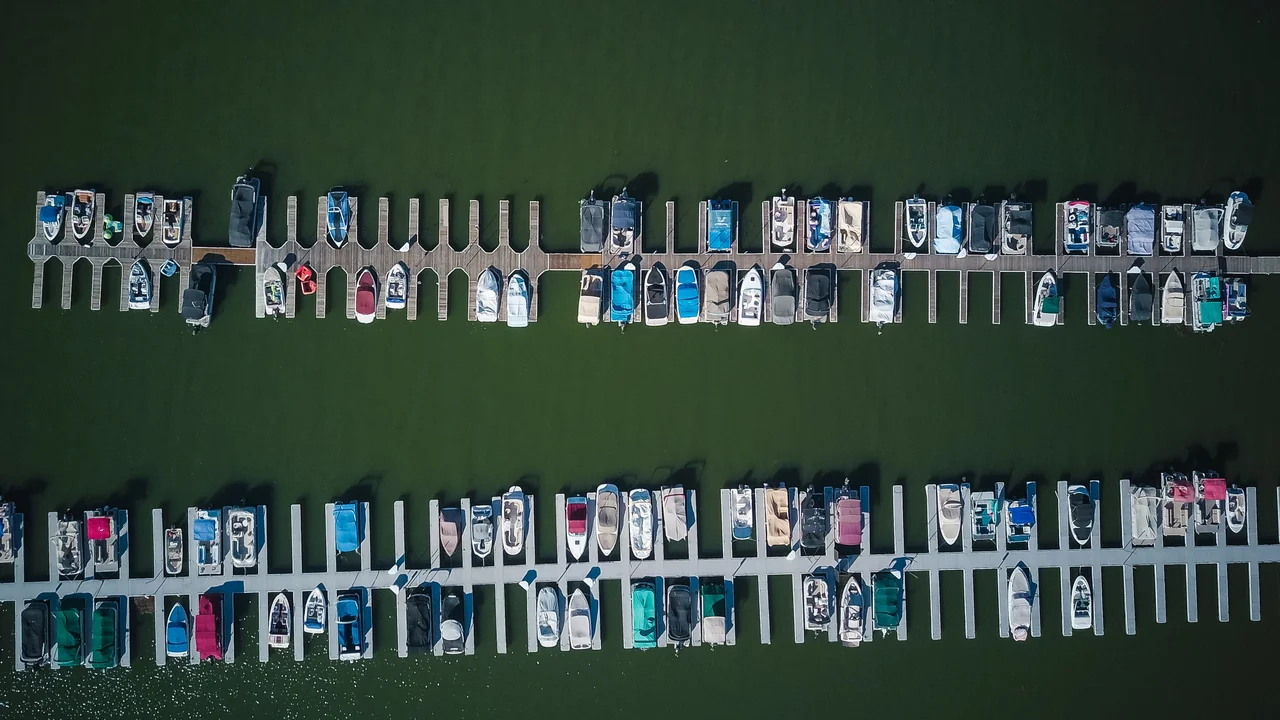
While most states require a permit, there are notable exceptions where floating docks may be exempt under specific conditions. These exemptions typically apply to very small, temporary, or non-motorized structures on private or non-navigable waters.
Common exemption criteria include:
- Docks under 100–200 square feet in surface area
- Docks used exclusively for non-commercial recreational purposes
- Docks located on private, non-navigable ponds or lakes
- Seasonal docks removed entirely during winter months
- Docks that do not require dredging or bottom disturbance
For example, in Michigan, floating docks under 200 square feet on inland lakes are often exempt from a state permit, though local zoning may still apply. In Minnesota, docks under 8 feet wide on certain public waters may not need a DNR permit. However, you must still verify with the local watershed district or county.
Seasonal vs Permanent Floating Dock Rules
Permitting requirements differ significantly between seasonal (temporary) and permanent floating docks. Seasonal docks are typically removed each year, reducing environmental impact and often qualifying for streamlined permitting processes.
Seasonal Floating Dock Permit Exemptions
Many states offer expedited or exempted permitting for seasonal floating docks that are installed after ice-out and removed before freeze-up. For example, in Wisconsin, seasonal floating docks used for less than 6 months per year may qualify for a general permit rather than an individual permit. In New Hampshire, docks removed annually and stored on land are often exempt from certain state fees.
Verify seasonal definition
Check your state’s definition of “seasonal” — usually 4–8 months per year.
Apply for temporary permit
Submit a simplified application with removal commitment.
Mark removal date on calendar
Failure to remove by deadline can result in fines or loss of exemption.
Permanent Floating Dock Regulations
Permanent floating docks — those left in the water year-round — face stricter scrutiny. They must withstand ice, storms, and year-round environmental impacts. States like California and Washington require full environmental review for permanent docks, including biological surveys and public notice periods.
Size Thresholds That Trigger Permits for Floating Docks
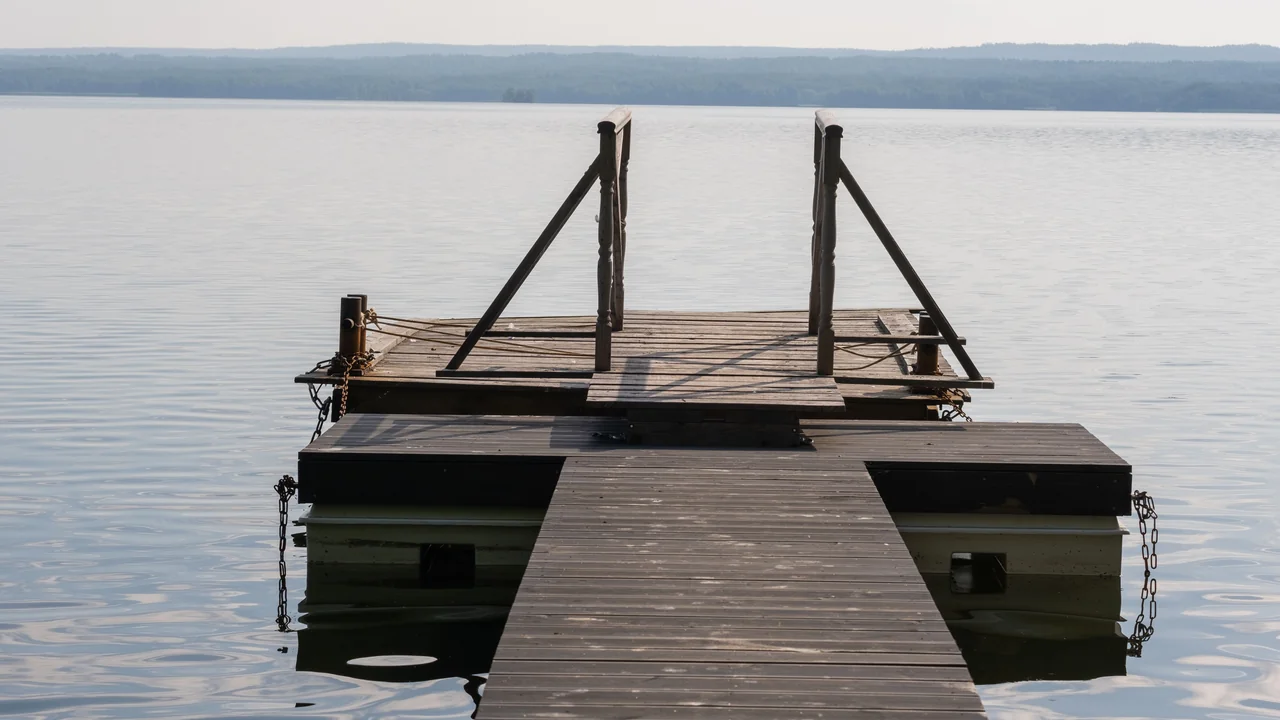
Size is the most common threshold that determines whether a floating dock needs a permit. Most states specify maximum square footage or width before a permit becomes mandatory.
| State | Permit Threshold | Exemption Limit | Notes |
|---|---|---|---|
| Florida | Over 500 sq. ft. | Under 500 sq. ft. in some zones | Subject to water management district rules |
| Michigan | Over 200 sq. ft. | Under 200 sq. ft. | On inland lakes only |
| New York | Over 100 sq. ft. | Under 100 sq. ft. | Non-navigable waters only |
| Minnesota | Over 8 ft wide | Under 8 ft wide | On certain public waters |
| Texas | Over 400 sq. ft. | Under 400 sq. ft. on private lakes | LCRA lakes have stricter rules |
If your floating dock is close to the threshold, consider downsizing slightly to avoid the full permitting process. However, remember that even exempt docks must still comply with navigation safety and environmental regulations.
Anchoring Methods and Permit Implications
The way you anchor your floating dock directly affects whether a permit is required. Anchoring methods that disturb the lake bottom — such as driven piles, concrete blocks, or helical anchors — often trigger additional environmental review.
Non-Disturbance Anchoring (Permit-Friendly)
- Mushroom anchors with chains — minimal bottom disturbance
- Deadweight anchors (concrete blocks placed on bottom) — may be exempt if no excavation
- Cable systems to shoreline — often allowed under general permits
Disturbance Anchoring (Requires Full Permit)
- Driven piles or helical anchors — considered permanent structures
- Excavated anchor pits — requires USACE review
- Concrete poured in place — almost always requires a permit
Floating Dock vs Fixed Pier: Permit Difficulty Comparison
One of the most common questions is whether floating docks are easier to permit than fixed piers. The answer is generally yes, but the difference depends on the regulatory context.
Floating Dock Advantages
- Lower environmental impact — no pilings driven into lakebed
- Often qualifies for general or exempt permits
- Easier to remove for seasonal compliance
- Less likely to require USACE individual permit
Fixed Pier Advantages
- More stable in high winds and currents
- Can support heavier loads and larger structures
- Often longer lifespan with proper maintenance
- May be preferred on deep or rocky lakebeds
In practice, floating docks are permitted faster in states like Florida and Michigan, where they are considered less intrusive. However, on regulated waters like the Tennessee River or Lake Tahoe, both floating and fixed docks require extensive environmental review. For a comprehensive comparison of all dock types, see our Boat Dock Permit Guide.
Removal Timeline by Climate Zone
Seasonal floating dock removal requirements vary by climate zone. States with harsh winters mandate removal to prevent ice damage and environmental hazards. States with mild winters may allow year-round floating docks but still require periodic inspections.
| Climate Zone | Example States | Typical Removal Deadline | Penalty for Late Removal |
|---|---|---|---|
| Northern (Ice-Prone) | Minnesota, Wisconsin, Michigan | November 15 – December 1 | Fines up to $500 per day |
| Mid-Atlantic | New York, Pennsylvania | December 1 – December 15 | Fines plus liability for ice damage |
| Southern (Mild) | Florida, Texas, California | No mandatory removal | Must maintain in safe condition |
| Mountain (High Altitude) | Colorado, Utah | October 15 – November 1 | Fines and potential permit revocation |
Summary: Action Plan for Your Floating Dock Permit
To successfully permit your floating dock, follow this step-by-step action plan:
- Identify the waterbody jurisdiction: Determine if the lake is public, private, navigable, or regulated by a specific authority like LCRA or TVA.
- Check state DNR or equivalent agency: Visit their website for floating dock permit application forms and size exemptions.
- Contact USACE: For navigable waters, verify if a Section 404 or Section 10 permit is needed.
- Review local county or lake association rules: Many lakes have stricter rules than the state.
- Choose a low-impact anchoring method: Use mushroom anchors or deadweights to minimize permitting hurdles.
- Apply early: Processing times range from 4–12 weeks for general permits and up to 6 months for individual permits.
For a detailed walkthrough of the entire dock permitting process across all states, refer to our Boat Dock Permit Guide.
Frequently Asked Questions
Do floating docks need a permit?
In most cases, yes, floating docks require a permit from the state DNR or equivalent agency, and often from the U.S. Army Corps of Engineers if the waterbody is navigable. However, many states offer exemptions for very small floating docks (under 100–200 square feet) or seasonal docks that are removed annually. Even if exempt from a state permit, you must still comply with local zoning and navigation safety rules. Always verify with the official permitting authority before purchasing materials or starting construction.
Are floating docks easier to permit than fixed piers?
Generally, yes, floating docks are easier to permit because they cause less disturbance to the lakebed and shoreline. They often qualify for general permits or exemptions that fixed piers do not. However, on highly regulated waters or in environmentally sensitive areas, both types may require full environmental review. The key advantage is that floating docks can be removed seasonally, which reduces their regulatory footprint and can speed up the approval process.
Can I put a floating dock on any lake?
No, you cannot place a floating dock on any lake without permission. You must have legal waterfront access or an easement, and the lake must not be protected by conservation easements or federal regulations that prohibit structures. Even on private lakes, you may need a permit from the state if the lake is connected to navigable waters. Additionally, many public lakes have specific zones where docks are prohibited to protect wildlife or recreation. Always check with the lake management authority first.
What size floating dock needs a permit?
The size threshold varies by state. For example, in Michigan, docks over 200 square feet need a permit, while in New York, the threshold is 100 square feet. In Minnesota, width matters — docks over 8 feet wide may require a permit. In Texas, docks over 400 square feet on public waters typically need a permit. Even if your dock is below the threshold, you may still need a permit if you use driven piles or other bottom-disturbing anchoring methods. Always measure your planned dock carefully and check your state’s specific regulations.
Last updated: July 02, 2026
- State Department of Natural Resources websites (Florida DEP, Michigan EGLE, Minnesota DNR, etc.)
- U.S. Army Corps of Engineers Regulatory Program (Section 404 and Section 10 permits)
- National Association of State Boating Law Administrators (NASBLA) dock regulation database

Dock Permit Guide
DockPermitGuide editor covering boat dock and pier permit requirements, costs, and regulations across the United States, Canada & Australia.
One Comment