
Boat Dock Permit in Michigan: Complete 2026 Guide
 10 min read
1,855 words
10 min read
1,855 words
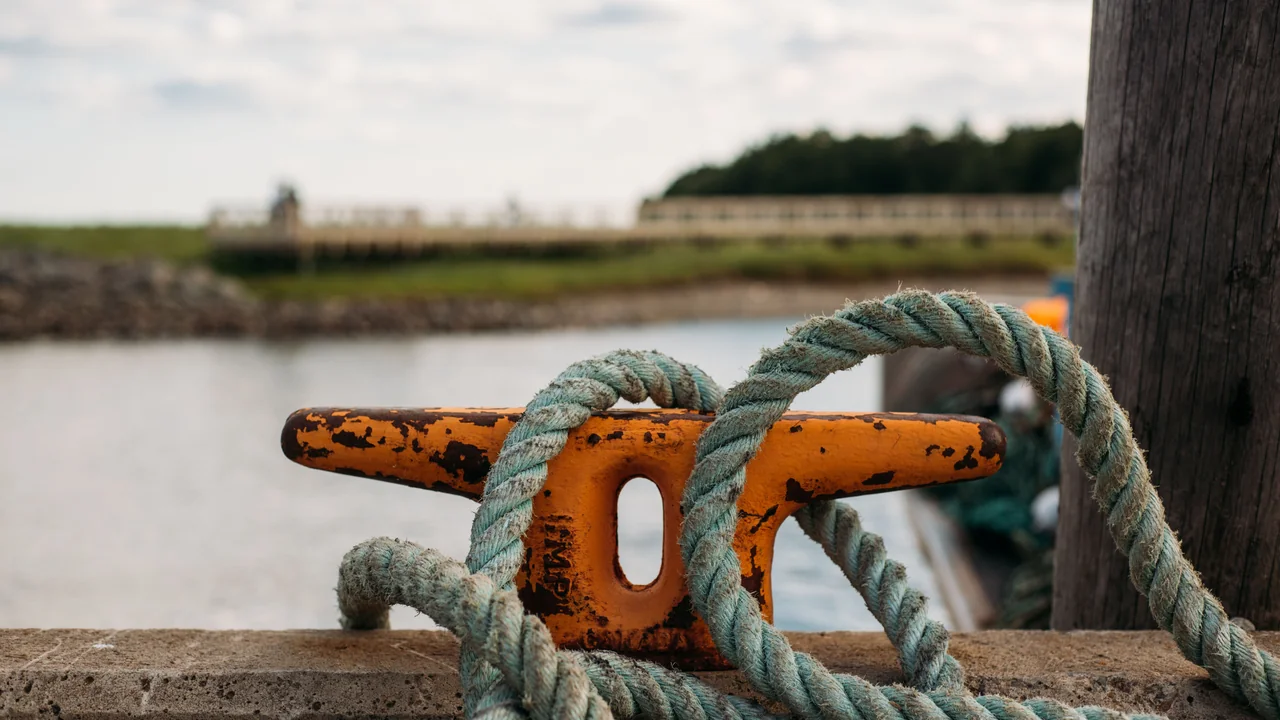
If you own waterfront property in Michigan, you almost certainly need a boat dock permit Michigan before you build, replace, or significantly modify a dock, pier, or boat lift. Michigan’s unique regulatory landscape means the permit process differs dramatically depending on whether your property is on the Great Lakes shoreline or an inland lake. This guide explains exactly which agency to contact, how the application process works, what size limits apply, and what costs and timelines to expect for your 2026 project.
Which Agency Issues Boat Dock Permits in Michigan?
The primary permitting authority for docks and piers in Michigan is the Michigan Department of Environment, Great Lakes, and Energy (EGLE). Specifically, the Water Resources Division (WRD) within EGLE handles all permits related to activities in the waters of the state. This includes docks, piers, boat lifts, and any other structures placed below the ordinary high-water mark.
EGLE operates under Part 301 (Inland Lakes and Streams) and Part 325 (Great Lakes Submerged Lands) of the Michigan Natural Resources and Environmental Protection Act (NREPA), Act 451 of 1994. For your dock project, this means you will be applying for either a General Permit or an Individual Permit, depending on the size, location, and environmental sensitivity of your proposed structure.
Understanding the Great Lakes vs. Inland Lake Distinction
The most critical factor in your permit application is whether your property is on the Great Lakes (Lake Michigan, Lake Huron, Lake Superior, Lake Erie, or Lake St. Clair) or an inland lake (like Torch Lake, Higgins Lake, or Houghton Lake). The rules, permit types, and review timelines differ significantly.
| Water Body Type | Applicable Statute | Permit Type | Primary Considerations |
|---|---|---|---|
| Great Lakes | Part 325 (Submerged Lands) | General Permit (GP) or Individual Permit | High-energy wave action, shoreline erosion, public trust, navigation |
| Inland Lake | Part 301 (Inland Lakes & Streams) | General Permit (GP) or Individual Permit | Water quality, fish habitat, riparian rights, waterway width |
For most residential dock projects on inland lakes, a General Permit is sufficient, provided your dock meets specific size and design criteria. Great Lakes projects almost always require a more detailed review under Part 325.
How to Get a Michigan EGLE Dock Permit: Step-by-Step Process
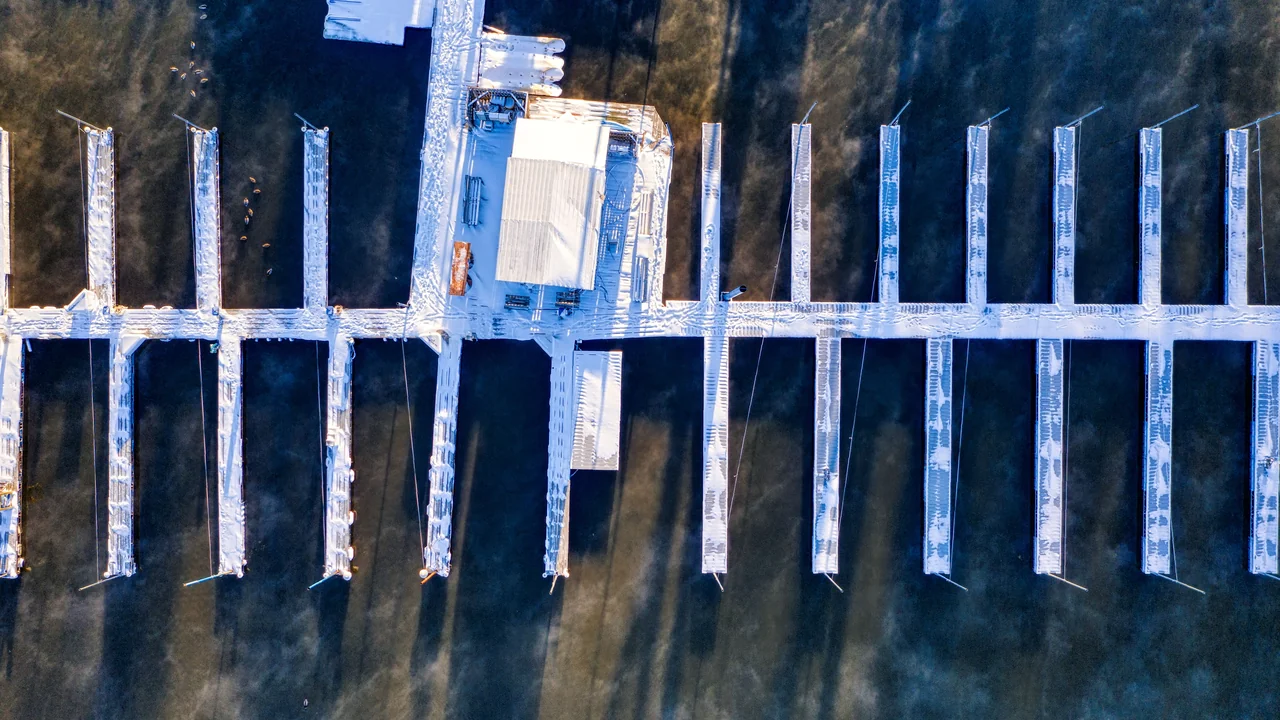
The application process for a Michigan EGLE dock permit is straightforward if you follow the correct steps. EGLE has moved toward an online portal, MiWaters, for most submissions. Here is the exact process for 2026.
Determine Your Permit Type
Use EGLE’s online “Do I Need a Permit?” tool or contact the WRD district office serving your county. For a typical 4-foot-wide by 40-foot-long dock on an inland lake, a General Permit (GP) is likely. For a 100-foot pier on Lake Michigan, you will need an Individual Permit under Part 325.
Gather Required Documents
You will need a site plan showing your property lines, the proposed dock location, dimensions, materials (wood, aluminum, or composite), and the distance to the nearest navigational channel or neighbor’s dock. Include photographs of the shoreline and a copy of your deed or tax parcel map.
Submit Application via MiWaters
Register for a MiWaters account at michigan.gov/miwaters. Complete the appropriate application form (EQP 1000 for General Permit, EQP 2000 for Individual Permit). Upload all documents and pay the application fee online.
Public Notice (If Required)
For Individual Permits on the Great Lakes or larger inland lakes, EGLE will publish a public notice for 15 days. Neighbors and local governments can submit comments. General Permits typically bypass this step.
Receive Permit and Build
Once approved, you will receive a permit letter with specific conditions (e.g., seasonal removal requirements, maximum dock length). You must have the permit on-site during construction. Build within the permit’s validity period (usually 2–5 years).
Application Fees and Processing Time
Permit fees are set by EGLE and are subject to change. For 2026, expect the following ranges:
These timelines assume a complete application with no errors. Incomplete applications can add 4–8 weeks to the process. EGLE staff are generally helpful and will call you to clarify missing information rather than flat-out rejecting your application.
Michigan Dock Size Limits: The One-Third Rule
Michigan has a specific size restriction that applies to docks on inland lakes: your dock cannot extend more than one-third of the width of the waterway from your shoreline. This rule is codified in Part 301 and is strictly enforced by EGLE.
For example, if your lakefront property faces a channel or bay that is 300 feet wide, your dock cannot exceed 100 feet in length. This is measured from the ordinary high-water mark to the outermost point of the dock, including any boat lift or swim platform attached to the end.
On the Great Lakes, the one-third rule is not directly applicable because the waterbody is effectively infinite. Instead, EGLE uses a “reasonableness” standard based on navigation, public trust, and shoreline erosion. Great Lakes docks are typically limited to 200–300 feet in length, but this varies by location and local zoning.
Seasonal Considerations and Ice Damage
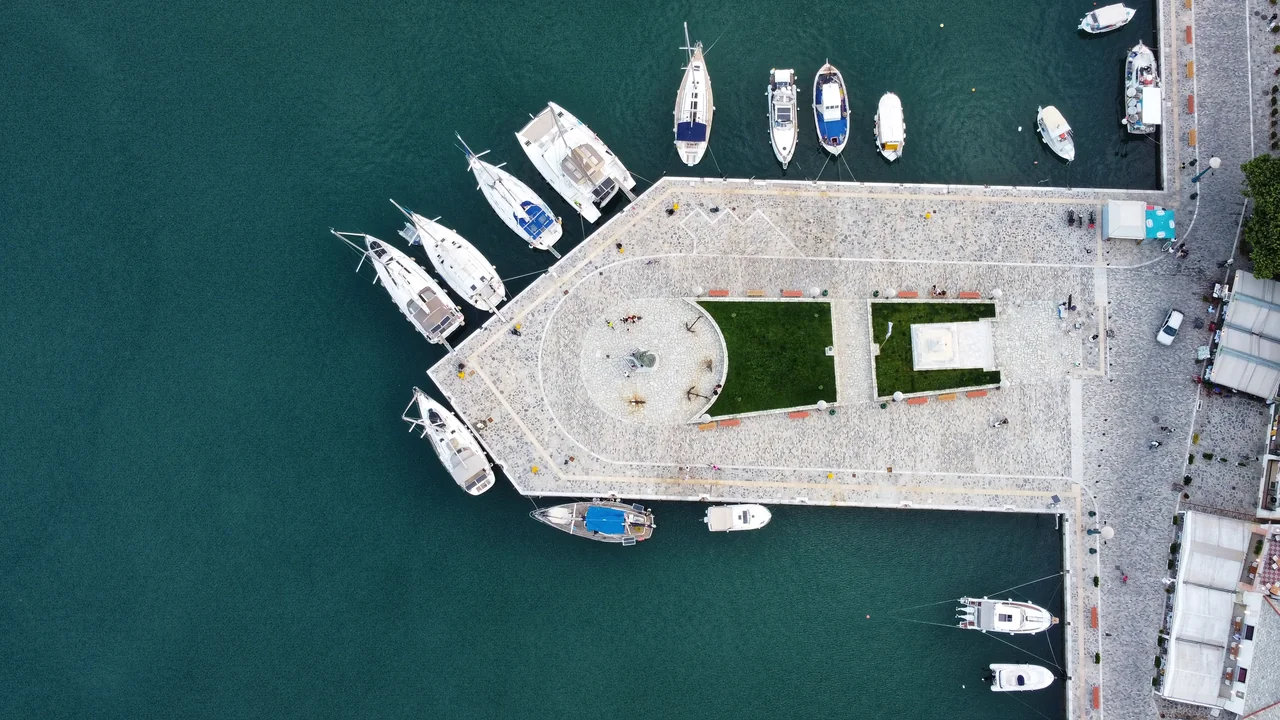
Michigan’s harsh winters create unique challenges for dock owners. EGLE permits typically require that docks be removed or stored above the ice line during winter months to prevent ice damage and debris generation. This is a condition written into most General Permits.
For inland lakes, this means pulling your dock out of the water completely each fall. For Great Lakes properties, some permits allow for “ice-resistant” docks made of steel or heavy timber, but these require an Individual Permit and a structural engineering review. Failing to remove a seasonal dock can result in a violation notice and fines from EGLE.
Pros of Seasonal Removal
- Extends dock lifespan (reduces ice damage)
- Simplifies permit renewal (General Permit assumes removal)
- Protects lake ecosystem (less debris in spring)
Cons of Seasonal Removal
- Annual labor and storage costs
- Potential for damage during removal/installation
- Limited use for early spring or late fall fishing
If you want a permanent, year-round dock, you must specifically request this in your application and provide evidence that the structure can withstand ice forces. Expect a longer review and stricter conditions.
Popular Michigan Lakes: Torch Lake, Higgins Lake, and Houghton Lake
These three inland lakes represent the most common permitting scenarios for Michigan lakefront property owners. Each has specific considerations.
Torch Lake Dock Permits
Torch Lake, in Antrim County, is Michigan’s deepest inland lake at 285 feet. EGLE treats Torch Lake as a high-quality resource water due to its clarity and depth. Dock permits here are subject to additional scrutiny for water quality impacts. The one-third rule applies strictly, and docks longer than 60 feet often trigger an Individual Permit review. Expect a 6–10 week processing time for a standard General Permit on Torch Lake.
Higgins Lake Dock Permits
Higgins Lake, straddling Roscommon and Crawford counties, is known for its sandy bottom and clear water. EGLE has designated portions of Higgins Lake as “environmentally sensitive” due to the presence of rare aquatic plants. If your property is in a sensitive area, your dock permit may require a biological survey. Most residential docks on Higgins Lake qualify for a General Permit if kept under 50 feet in length and built with non-toxic materials (no creosote-treated wood).
Houghton Lake Dock Permits
Houghton Lake, in Roscommon County, is Michigan’s largest inland lake at over 20,000 acres. Because of its size, the one-third rule is rarely a limiting factor for most properties. However, Houghton Lake has extensive shallow areas and weed beds. EGLE may require your dock design to minimize disturbance to aquatic vegetation. General Permits are common here, with processing times averaging 4–6 weeks.
Summary: Your Action Plan for a Michigan Dock Permit
To move your dock project forward in 2026, start by contacting your local EGLE Water Resources Division district office. Identify whether your property is on the Great Lakes or an inland lake, as this determines your permit path. For most inland lake projects, a General Permit costing $150 is the correct route. For Great Lakes projects, budget $500 and expect a 3–4 month review. Always verify the one-third rule for your specific waterway width, and plan for seasonal removal unless you are prepared for a more rigorous Individual Permit process. For a broader overview of permitting across states, see our Boat Dock Permit Guide.
Frequently Asked Questions
Do I need a permit for a dock in Michigan?
Yes, in almost all cases you need a permit from the Michigan Department of Environment, Great Lakes, and Energy (EGLE) before constructing, replacing, or modifying a dock, pier, or boat lift. This applies to both the Great Lakes and inland lakes under Part 301 and Part 325 of the Michigan NREPA. Even a small seasonal dock typically requires a General Permit, and building without one can result in fines and an order to remove the structure.
What is EGLE and how do I apply for a dock permit?
EGLE stands for the Michigan Department of Environment, Great Lakes, and Energy, and its Water Resources Division handles all dock and pier permits. To apply, you must use the MiWaters online portal at michigan.gov/miwaters, where you register an account, complete the appropriate application form, upload a site plan and photos, and pay the fee. For most residential docks on inland lakes, the General Permit application (EQP 1000) is the correct starting point.
Can I build a dock on the Great Lakes in Michigan?
Yes, you can build a dock on the Great Lakes in Michigan, but you must obtain a permit under Part 325 (Great Lakes Submerged Lands) from EGLE. The process is more rigorous than for inland lakes, often requiring an Individual Permit with a public notice period and a structural review for ice resistance. Great Lakes docks are typically limited to 200–300 feet in length, and you must demonstrate that your dock will not interfere with navigation or accelerate shoreline erosion.
Last updated: July 02, 2026
- Michigan Department of Environment, Great Lakes, and Energy (EGLE) – Water Resources Division
- Part 301 and Part 325 of the Michigan Natural Resources and Environmental Protection Act (NREPA), Act 451 of 1994
- US Army Corps of Engineers, Detroit District – Regulatory Division
- Michigan Shoreline Protection and Management Guidelines (EGLE, 2023)

Dock Permit Guide
DockPermitGuide editor covering boat dock and pier permit requirements, costs, and regulations across the United States, Canada & Australia.
One Comment