
Army Corps of Engineers Dock Permit: Section 404 Guide (2026)
 11 min read
2,050 words
11 min read
2,050 words
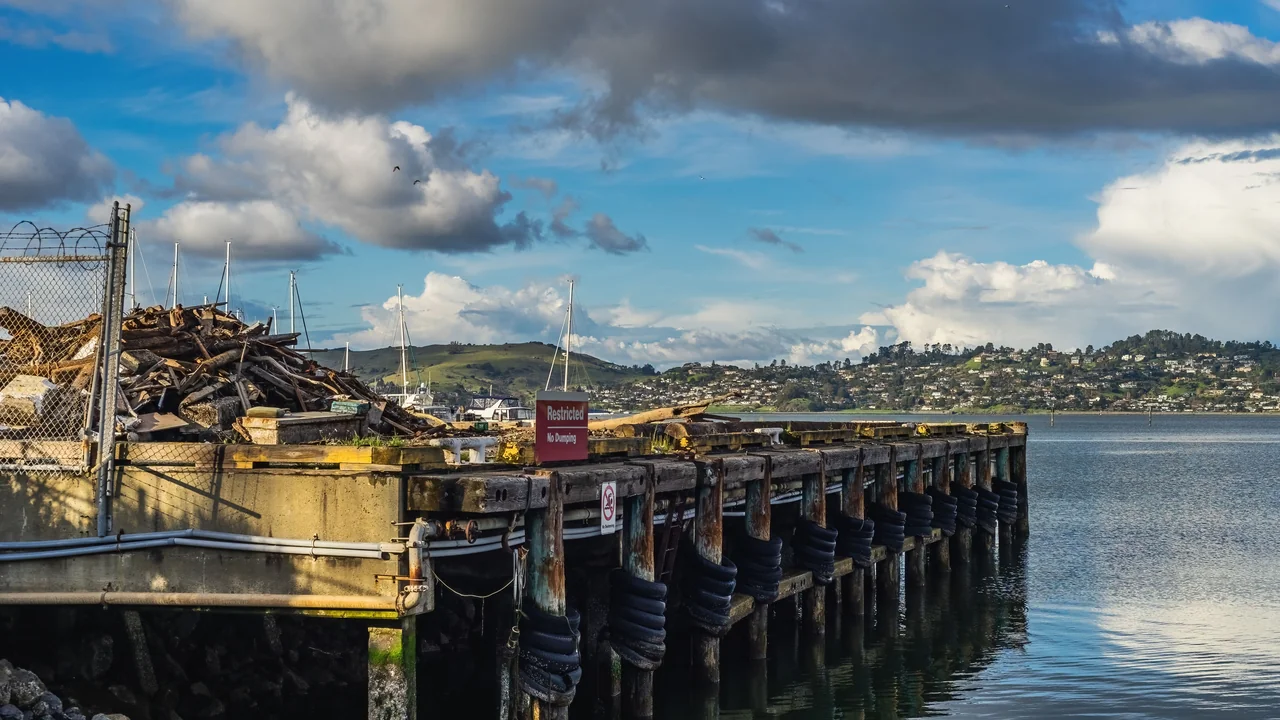
Yes, you likely need an Army Corps of Engineers dock permit if you are building a dock in any federally regulated waterway. The army corps engineers dock permit is a federal requirement that sits above any state or local permits you may also need. This guide will walk you through the U.S. Army Corps of Engineers (USACE) permitting process, explaining when jurisdiction applies, the difference between Section 10 and Section 404 permits, and how the streamlined Nationwide Permit 13 can cover most residential dock projects. You will learn the exact application steps, typical timelines, and costs involved.
When Does the Army Corps of Engineers Require a Dock Permit?
The USACE has jurisdiction over all “waters of the United States,” which includes navigable waters, wetlands, and their tributaries. For dock construction, the key trigger is whether your project involves work in or over these waters. This generally includes any structure that extends beyond the ordinary high water mark, such as a dock, pier, boat lift, or mooring pile. The Corps regulates these activities under two primary authorities: Section 10 of the Rivers and Harbors Act of 1899 and Section 404 of the Clean Water Act.
Section 10 vs. Section 404: What’s the Difference?
Understanding the distinction between Section 10 and Section 404 is critical for your USACE Section 404 application. Section 10 applies to any structure or work in, over, or under navigable waters of the United States. This covers docks, piers, boat ramps, and even dredging. Section 404, on the other hand, regulates the discharge of dredged or fill material into all waters of the U.S., including wetlands. Most dock projects involve both: the dock structure itself (Section 10) and the placement of pilings or riprap (Section 404). In practice, the Corps processes them together under a single permit action.
| Authority | What It Regulates | Applies to Your Dock? |
|---|---|---|
| Section 10 (Rivers and Harbors Act) | Structures and work in navigable waters | Yes, if your dock is in a navigable waterway |
| Section 404 (Clean Water Act) | Discharge of dredged or fill material | Yes, if you drive pilings or place riprap |
Nationwide Permit 13: The Most Common Path for Residential Docks
For the vast majority of residential dock projects, the federal dock permit you will use is Nationwide Permit (NWP) 13. This is a pre-authorized permit designed for “bank stabilization” and “bank protection,” but it has been interpreted to cover the construction of residential docks, piers, and associated structures. To qualify, your project must meet specific general conditions, including minimal environmental impact, no significant navigational hazard, and compliance with all state and local requirements. NWP 13 is the most efficient route for homeowners because it bypasses the lengthy individual permit process.
Individual Permit vs. Nationwide Permit: Which One Do You Need?
Choosing between an Individual Permit (IP) and a Nationwide Permit (NWP) is a major decision. An NWP is a general permit that authorizes activities with minimal individual and cumulative environmental impacts. An IP is required for larger, more complex, or more environmentally sensitive projects. For a standard residential dock, the Corps will almost always encourage you to apply under an NWP, specifically NWP 13. However, if your dock is exceptionally large, located in a sensitive habitat, or receives significant public comment, the Corps may require an IP. The IP process is far more rigorous, requiring a full public interest review, environmental assessment, and often an Environmental Impact Statement (EIS).
Nationwide Permit 13
- Faster processing (60-120 days)
- Lower cost (no application fee)
- Less paperwork
- Best for standard residential docks
Individual Permit
- Longer timeline (6-12 months)
- Higher costs (application fees up to $10,000+)
- Requires public notice and comment
- Necessary for large or controversial projects
The Application Process for an Army Corps Dock Permit
Applying for an army corps dock permit involves a structured process. The first step is to determine which Corps district has jurisdiction over your waterbody. The Corps is divided into 41 districts across the country, and each has its own regulatory branch. You can find your district using the USACE Regulatory Program website. Once you know your district, you will submit a complete application package, typically using the standard ENG Form 4345 (Joint Application Form, often used with state agencies).
Schedule a meeting with your local Corps district. This is optional but highly recommended. You can discuss your project, get preliminary feedback, and confirm if NWP 13 applies.
Gather all required documents: completed application form, detailed site plans, drawings of the proposed dock, location maps, and proof of state/local permits.
File the complete package with your Corps district. For NWP 13, you may also need to submit a Pre-Construction Notification (PCN) if your dock exceeds certain size thresholds.
The Corps reviews your application for compliance with environmental laws, navigation safety, and public interest. They may request additional information. For NWP 13, the decision is typically a verification letter.
Required Documents for Your USACE Section 404 Application
A complete application is essential to avoid delays. The Corps requires a minimum of the following documents for a USACE Section 404 permit application:
- Completed ENG Form 4345 (Joint Application for Department of the Army Permit)
- Vicinity map showing the project location (USGS quad map or equivalent)
- Detailed site plan showing the dock dimensions, location relative to the shoreline, water depths, and adjacent structures
- Cross-section drawings of the dock and any fill or excavation
- Proof of compliance with state and local permit requirements (e.g., state water quality certification)
- If applicable, a Pre-Construction Notification (PCN) for NWP 13
- Environmental documentation (e.g., threatened and endangered species review, essential fish habitat assessment)
Timeline: How Long Does an Army Corps Dock Permit Take?
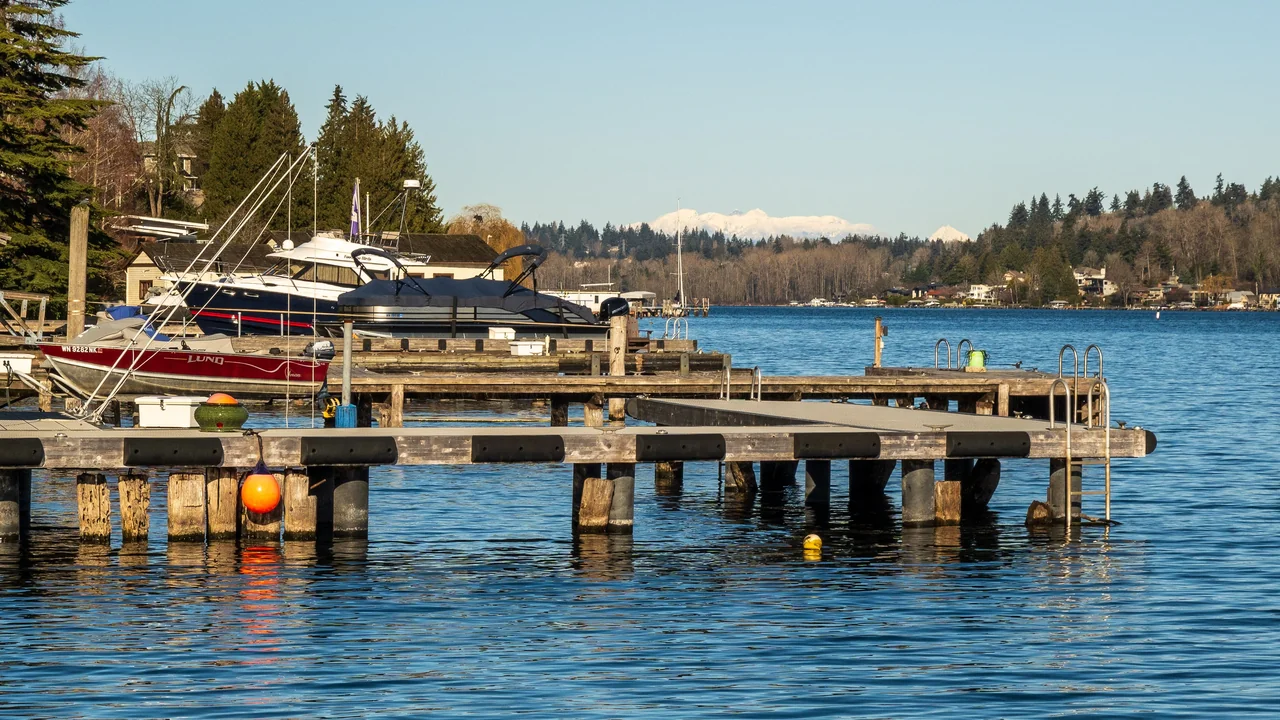
The timeline for an army corps engineers dock permit varies significantly depending on the permit type and the complexity of your project. For a straightforward residential dock using NWP 13, you can expect a processing time of 60 to 120 days. This includes the Corps’ review of your PCN, coordination with state and federal resource agencies (like the U.S. Fish and Wildlife Service), and issuance of the verification letter. However, if your project requires an Individual Permit, the timeline extends dramatically. The IP process involves a public notice (30-day comment period), a full environmental assessment, and potentially an EIS, pushing the timeline to 6 to 12 months or even longer.
Fees and Costs for a Federal Dock Permit
One of the most common questions homeowners ask is about the cost. For a federal dock permit under NWP 13, there is no application fee. The Corps does not charge a fee for processing Nationwide Permits. However, you may incur costs for preparing the application, such as hiring a surveyor, engineer, or environmental consultant to create the required plans and reports. These professional fees can range from $500 to $3,000 or more, depending on the complexity of your site. For an Individual Permit, the Corps charges an application fee based on the project cost. Fees can range from $100 for small projects to over $10,000 for large-scale developments. Additionally, you will need to secure a state water quality certification (Section 401), which may have its own fee.
| Permit Type | Corps Application Fee | Estimated Total Cost (including professional services) |
|---|---|---|
| Nationwide Permit 13 | $0 | $500 – $3,000 |
| Individual Permit | $100 – $10,000+ | $2,000 – $15,000+ |
The Value of a Pre-Application Meeting
Many homeowners skip the pre-application meeting, but this is a mistake. A pre-application meeting with your local Corps district is one of the most valuable steps you can take. During this meeting, you can present your project concept and receive direct feedback from a Corps project manager. They can tell you which permit type is appropriate, identify potential issues (like wetlands or endangered species), and explain any special conditions you must meet. This upfront guidance saves time and money by preventing you from submitting an incomplete or incorrect application. It also helps you understand the specific data requirements, such as the need for a formal jurisdictional determination of wetlands on your property.
Summary and Action Plan
Securing an army corps engineers dock permit does not have to be an intimidating process. For most residential dock projects, the path is clear: determine if your waterbody is under Corps jurisdiction, confirm that your project qualifies for Nationwide Permit 13, and submit a complete application package. Your first action step should be to contact your local USACE district office to schedule a pre-application meeting. This will give you immediate clarity on the specific requirements for your location. For a broader overview of state and local permits you may also need, consult our Boat Dock Permit Guide. By following the steps outlined here, you can navigate the federal permitting process with confidence and get your dock built legally and efficiently.
Frequently Asked Questions
What is USACE Section 404 permit?
The USACE Section 404 permit, issued under the Clean Water Act, regulates the discharge of dredged or fill material into waters of the United States, including wetlands. For dock construction, this permit is triggered when you drive pilings, place riprap, or excavate in the water. It is one of the two main federal authorities (along with Section 10 of the Rivers and Harbors Act) that the Corps uses to review dock projects. Most residential docks are authorized under a Nationwide Permit, which is a streamlined version of the Section 404 process.
Do I need Army Corps permission for my dock?
You need Army Corps permission if your dock is located in a navigable waterway, a tributary of a navigable waterway, or involves any discharge of fill material into wetlands. The Corps has jurisdiction over all waters of the United States, which includes most lakes, rivers, and streams that are used for interstate commerce or that connect to such waters. To be certain, you can request a jurisdictional determination from your local Corps district. Even if your dock is on a small inland lake, it may still be regulated if it connects to a larger navigable system.
What is Nationwide Permit 13?
Nationwide Permit 13 (NWP 13) is a general permit issued by the USACE that authorizes the construction of bank stabilization and bank protection activities, including residential docks and piers, under specific conditions. It is the most common federal permit used for single-family docks because it has no application fee and a faster processing time (60-120 days). To qualify, your dock must not obstruct navigation, must have minimal environmental impact, and must comply with all state and local requirements. A Pre-Construction Notification (PCN) is typically required for docks over a certain size.
How long does an Army Corps dock permit take?
The processing time depends on the type of permit. For a Nationwide Permit 13, which covers most residential docks, you can expect a timeline of 60 to 120 days from the date of a complete application. This includes the Corps’ review, coordination with other agencies, and issuance of a verification letter. If your project requires an Individual Permit, the process takes significantly longer, typically 6 to 12 months. The Individual Permit involves a public notice period, a full environmental assessment, and potentially an Environmental Impact Statement, all of which add considerable time.
Last updated: July 02, 2026
- U.S. Army Corps of Engineers Regulatory Program (usace.army.mil)
- Clean Water Act Section 404 (33 U.S.C. § 1344)
- Rivers and Harbors Act Section 10 (33 U.S.C. § 403)
- Nationwide Permit 13 – Bank Stabilization (Federal Register, 2022)

Dock Permit Guide
DockPermitGuide editor covering boat dock and pier permit requirements, costs, and regulations across the United States, Canada & Australia.
14 Comments