
Dock Permit in Canada: Federal and Provincial Rules Guide (2026)
 11 min read
2,106 words
11 min read
2,106 words
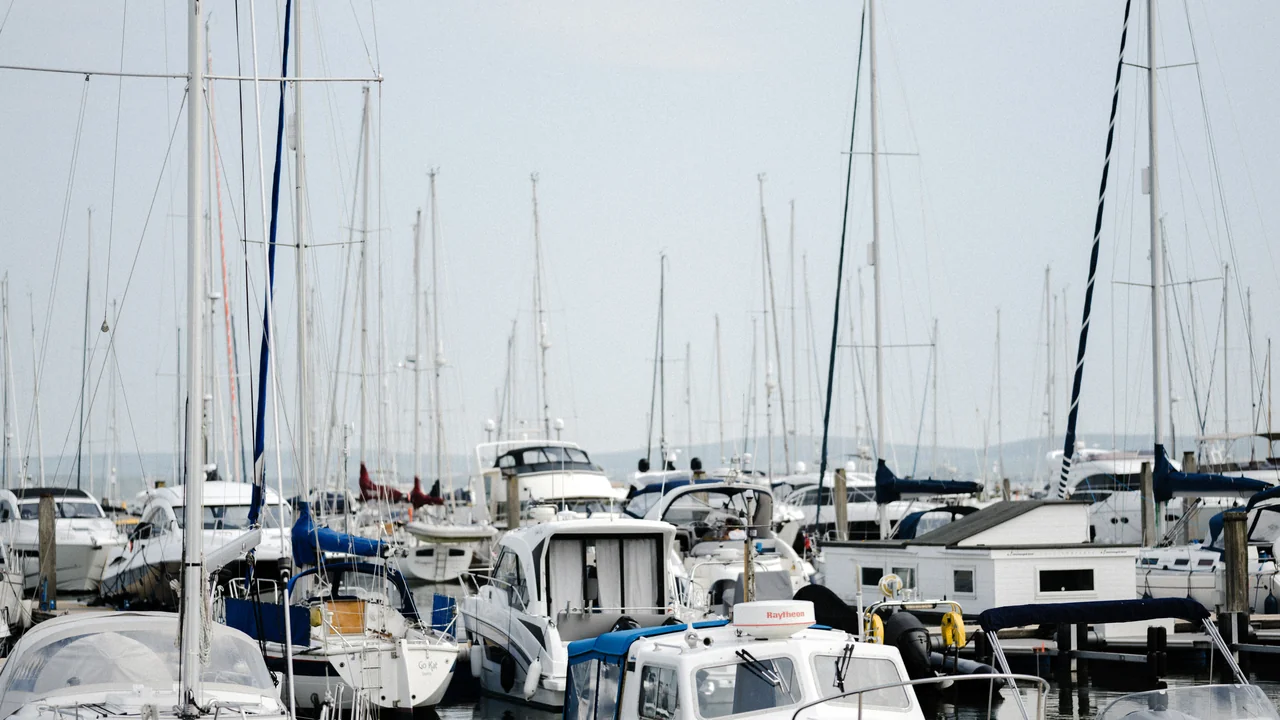
Yes, a dock permit in Canada is required for most dock installations, but the process depends on where you live and what type of water body you are building over. Unlike the United States, Canada’s primary dock permitting authority is Transport Canada under the Canadian Navigable Waters Act (CNWA), not the U.S. Army Corps of Engineers. This guide explains exactly which federal and provincial rules apply to your dock project, how to navigate Transport Canada’s minor works order, and what costs and timelines to expect. You will learn the difference between Crown land and private shoreline, how conservation authorities in Ontario add another layer, and why British Columbia and Quebec have their own distinct requirements.
Which Federal Agency Issues Dock Permits in Canada?
Transport Canada is the lead federal agency responsible for regulating docks in navigable waters across Canada. The key legislation is the Canadian Navigable Waters Act (CNWA), which replaced the old Navigable Waters Protection Act in 2019. Transport Canada’s role is to ensure that any structure placed in navigable water—including docks, piers, boathouses, and floating platforms—does not obstruct navigation or pose a safety hazard.
The CNWA applies to all “navigable waters” in Canada, which includes most lakes, rivers, and coastal areas where boats can travel. For smaller docks that meet specific size and location criteria, Transport Canada offers a streamlined approval process through the Minor Works and Waters (MWW) Order. This order lists pre-approved dock designs and conditions that do not require a full permit application.
How Does Transport Canada’s Minor Works Order Apply to Your Dock?
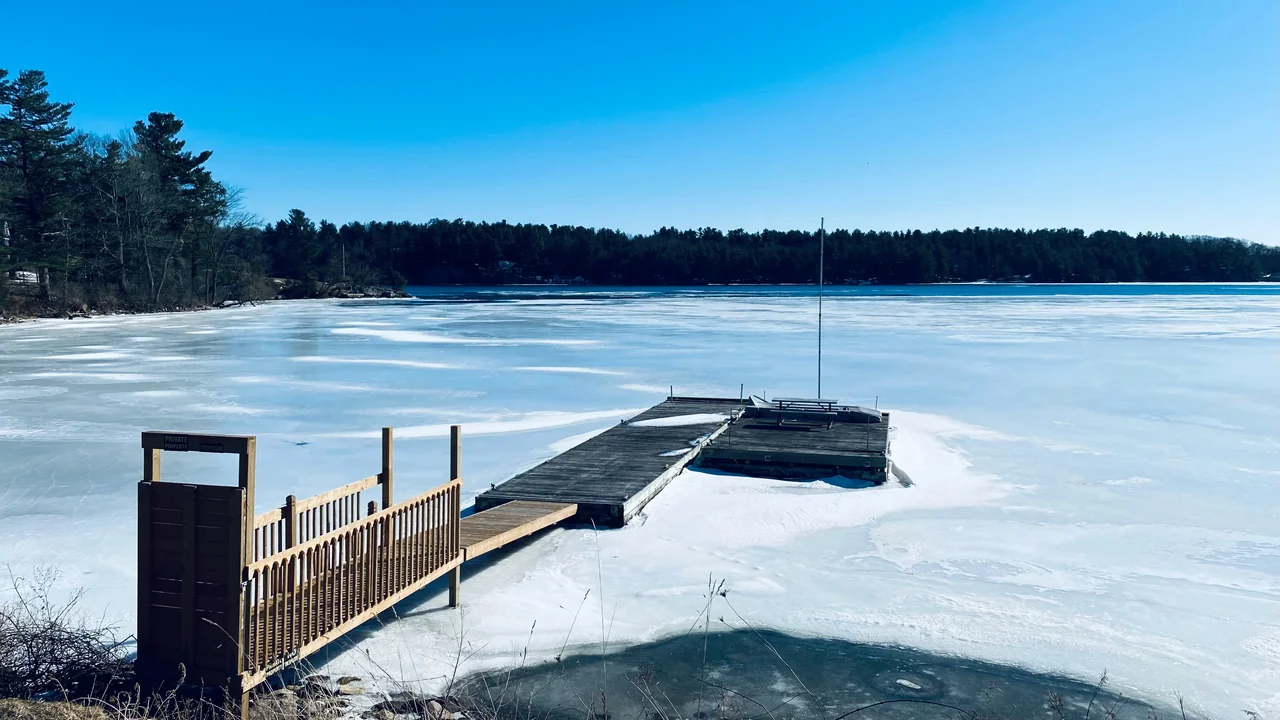
The Minor Works and Waters Order (MWW Order) is a critical tool for dock builders in Canada. It lists specific dock types, sizes, and locations that are deemed to have minimal impact on navigation. If your project fits within these parameters, you do not need a full Transport Canada permit. Instead, you can proceed with a self-assessment and, in some cases, a simple notification to Transport Canada.
What Dock Dimensions Qualify Under the Minor Works Order?
The MWW Order covers docks that are:
- No longer than 20 metres (65.6 feet) in length
- No wider than 3 metres (9.8 feet)
- Located in waters where the maximum vessel speed is 10 km/h or less
- Not located within 30 metres (98 feet) of a navigation channel, bridge, or marine railway
If your dock meets all these criteria, you generally do not need a permit, but you must still ensure the dock does not obstruct navigation. However, some provinces and local authorities may still require their own approvals.
Provincial vs Federal Jurisdiction: Who Regulates What?
Understanding the split between federal and provincial jurisdiction is essential for your dock permit in Canada. Transport Canada regulates navigation safety in all navigable waters. Provinces regulate land use, water quality, and shoreline development. In practice, you often need both federal and provincial approvals.
| Jurisdiction | What They Regulate | Key Legislation or Agency |
|---|---|---|
| Federal (Transport Canada) | Navigation safety, obstruction of waterways | Canadian Navigable Waters Act (CNWA) |
| Provincial | Land use, shoreline setbacks, water extraction | Provincial Water Resources Acts, Land Use Acts |
| Municipal | Building codes, zoning, property setbacks | Municipal bylaws |
| Conservation Authority (Ontario only) | Floodplains, wetlands, erosion control | Conservation Authorities Act |
For example, in Ontario, you must apply to Transport Canada for federal approval, then to your local Conservation Authority if your dock is in a regulated area, and finally to your municipality for a building permit. In British Columbia, the provincial Water Sustainability Act may require a water licence for docks that affect the foreshore.
What Are the Rules for Docks on Crown Land vs Private Shoreline?
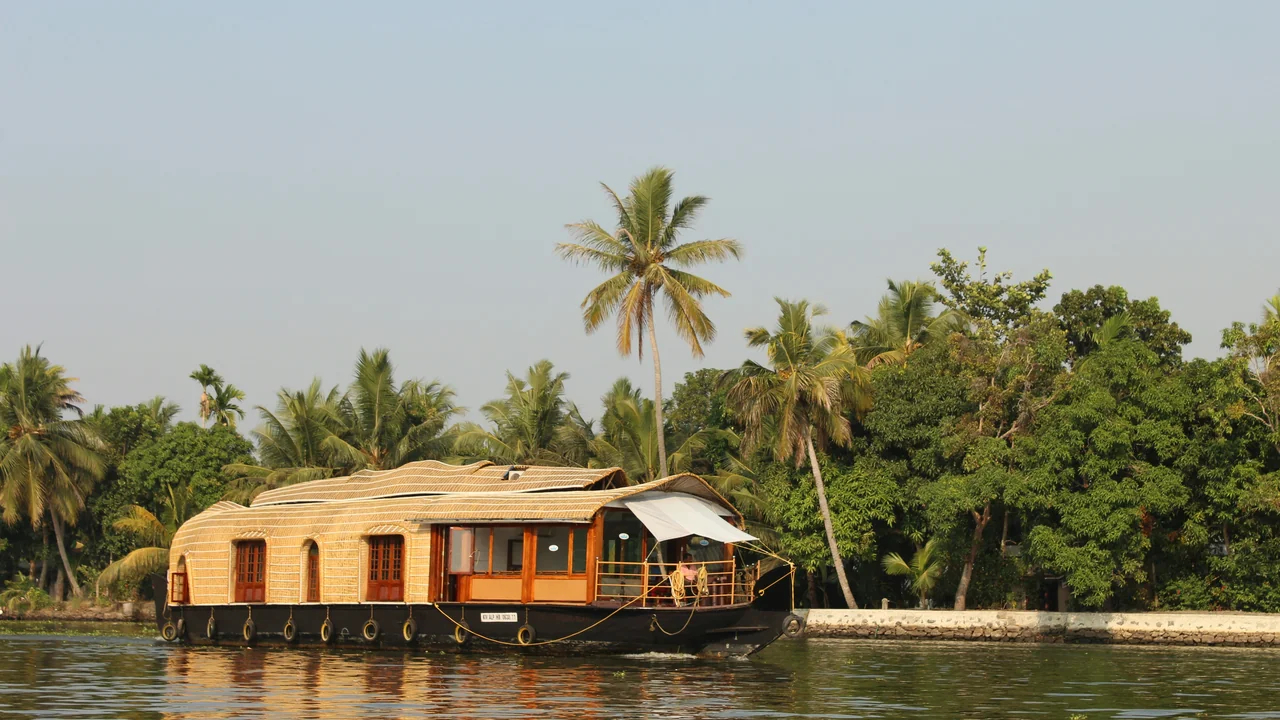
The ownership of the shoreline dramatically affects your permit requirements. In Canada, most lake and river beds are owned by the Crown (provincial or federal government), even if you own the adjacent land. You do not own the water or the land under the water.
Private Shoreline Docks
If you own the land adjacent to the water, you can typically build a dock for private recreational use, but you must still comply with federal and provincial rules. The dock is considered a “structure” on your property, but it extends into Crown water. You need Transport Canada approval or a MWW Order exemption, plus any provincial permits for shoreline alterations.
Crown Land Docks
If you are building a dock on Crown land (e.g., a remote lake cabin on a Crown land lease), the process is more complex. You must obtain a Land Use Permit or Occupancy Licence from the provincial ministry responsible for Crown lands (e.g., Ministry of Forests in BC, Ministry of Natural Resources in Ontario). These permits authorize you to occupy and build on Crown land, including the water lot. Transport Canada approval is still required separately.
How Do Conservation Authorities Affect Dock Permits in Ontario?
Ontario is unique in Canada because of its Conservation Authorities (CAs). These are local watershed management agencies that regulate development in floodplains, wetlands, and shorelines. If your dock is located within a regulated area—which covers most of Ontario’s lake and river shorelines—you must apply to your local Conservation Authority for a permit under Section 28 of the Conservation Authorities Act.
The CA permit process typically requires:
- A site plan showing the dock location and dimensions
- An environmental impact assessment if the dock affects fish habitat or wetlands
- A fee ranging from $200 to $1,000 depending on the complexity
The CA review can take 4 to 8 weeks and often requires consultation with the Ministry of Natural Resources and Forestry (MNRF). If your dock is in a provincially significant wetland, the CA may deny the permit entirely.
Provincial Differences: What Changes Across ON, BC, QC, AB, and MB?
Canadian dock regulations vary significantly by province. Below is a comparison of key differences for the five most populous provinces.
| Province | Key Provincial Agency | Additional Permit Required | Unique Rule |
|---|---|---|---|
| Ontario (ON) | Conservation Authority, MNRF | CA permit, building permit | Conservation Authority jurisdiction over all shoreline development |
| British Columbia (BC) | Ministry of Forests, BC Parks | Water Sustainability Act licence, Crown land lease | Foreshore is Crown land; requires a tenure agreement |
| Quebec (QC) | Ministère de l’Environnement, MELCCFP | Authorization under Environmental Quality Act | Docks over 20 m² require environmental authorization |
| Alberta (AB) | Alberta Environment and Protected Areas | Public Lands Act permit | Docks on Crown-owned lake beds require a Public Lands disposition |
| Manitoba (MB) | Manitoba Conservation and Climate | Water Rights Act licence | Docks affecting fish habitat require a fisheries authorization |
In Quebec, the Environmental Quality Act requires a formal authorization from the Ministère de l’Environnement for any dock with a surface area exceeding 20 square metres (215 square feet). In BC, the foreshore is considered Crown land, so you must apply for a tenure agreement even if you own the upland property. Alberta requires a Public Lands Act disposition for docks on lake beds owned by the Crown, which includes most large lakes like Lake Athabasca and Lesser Slave Lake.
When Does a Dock Trigger an Environmental Assessment in Canada?
An environmental assessment (EA) is required when your dock project may cause significant adverse effects on fish habitat, migratory birds, or species at risk. Under the Canadian Navigable Waters Act, Transport Canada may refer your application to the Impact Assessment Agency of Canada if the dock is large, located in a sensitive area, or involves dredging or blasting.
Provincial triggers vary. In Ontario, the MNRF requires a Fisheries Act Authorization if the dock will be built in fish habitat, such as spawning areas for walleye or bass. In BC, the Water Sustainability Act may require an EA if the dock alters the foreshore or affects water flows. In practice, most private recreational docks (less than 20 metres long) do not trigger a full EA, but you should always check with both Transport Canada and your provincial agency before proceeding.
How Much Does a Dock Permit Cost in Canada and How Long Does It Take?
Costs and timelines vary widely depending on the complexity of your dock and the number of agencies involved. Below is a typical breakdown.
| Permit Type | Fee Range | Processing Time |
|---|---|---|
| Transport Canada MWW Order (self-assessment) | $0 (no fee) | Immediate if conditions met |
| Transport Canada full permit (CNWA) | $500 – $2,500 | 8–16 weeks |
| Provincial Crown land lease (BC, AB, MB) | $100 – $1,000 | 4–12 weeks |
| Conservation Authority permit (Ontario) | $200 – $1,000 | 4–8 weeks |
| Municipal building permit | $100 – $500 | 2–6 weeks |
Total costs for a simple private dock can range from $200 to $4,000, including all federal, provincial, and municipal fees. Complex projects on Crown land or in environmentally sensitive areas can exceed $10,000.
Summary: Your Action Plan for a Dock Permit in Canada
To successfully obtain a dock permit in Canada, follow this order of steps. First, determine whether your water body is navigable—most lakes and rivers in Canada are. Second, check if your dock qualifies under Transport Canada’s Minor Works and Waters Order. If it does, you can proceed without a federal permit, but you must still verify provincial and municipal rules. Third, contact your provincial agency for Crown land or water rights permits. In Ontario, contact your local Conservation Authority. Fourth, apply for a municipal building permit if required. Finally, do not start construction until all approvals are in hand. The first agency to contact is Transport Canada’s Navigable Waters Program, either online or through their regional office.
Frequently Asked Questions
Do I need a permit for a dock in Canada?
Yes, most docks in Canada require some form of permit or approval. Transport Canada regulates all docks in navigable waters under the Canadian Navigable Waters Act. If your dock is small and meets the Minor Works and Waters Order conditions, you may not need a full permit, but you must still self-assess. Additionally, provinces and municipalities may require their own permits for shoreline development, building codes, or Crown land use.
Does Transport Canada regulate all docks?
Transport Canada regulates docks in all navigable waters, which includes most lakes, rivers, and coastal areas where boats can travel. Docks in non-navigable waters, such as small private ponds or drainage ditches, may not fall under Transport Canada’s jurisdiction. However, even in non-navigable waters, provincial and municipal rules still apply, so you should always check with local authorities.
What is the Canadian Navigable Waters Act?
The Canadian Navigable Waters Act (CNWA) is the federal law that protects the public’s right to navigate Canada’s waterways. It requires that any structure placed in navigable water, including docks, does not obstruct navigation. Transport Canada administers the CNWA and issues permits for structures that do not qualify under the Minor Works and Waters Order. The CNWA replaced the Navigable Waters Protection Act in 2019.
Do I need a permit for a dock on Crown land?
Yes, building a dock on Crown land requires a Land Use Permit or Occupancy Licence from the provincial ministry responsible for Crown lands, such as the Ministry of Natural Resources in Ontario or the Ministry of Forests in British Columbia. You must also obtain Transport Canada approval under the CNWA. Building without these permits is illegal and can result in fines and removal of the dock.
Last updated: July 02, 2026
- Transport Canada – Canadian Navigable Waters Act
- Transport Canada – Minor Works and Waters Order
- Government of Ontario – Conservation Authorities Act
- Government of British Columbia – Water Sustainability Act
- Government of Quebec – Environmental Quality Act

Dock Permit Guide
DockPermitGuide editor covering boat dock and pier permit requirements, costs, and regulations across the United States, Canada & Australia.
2 Comments