
Boat Dock Permit Guide 2026: Do You Need One and How to Apply
 14 min read
2,616 words
14 min read
2,616 words
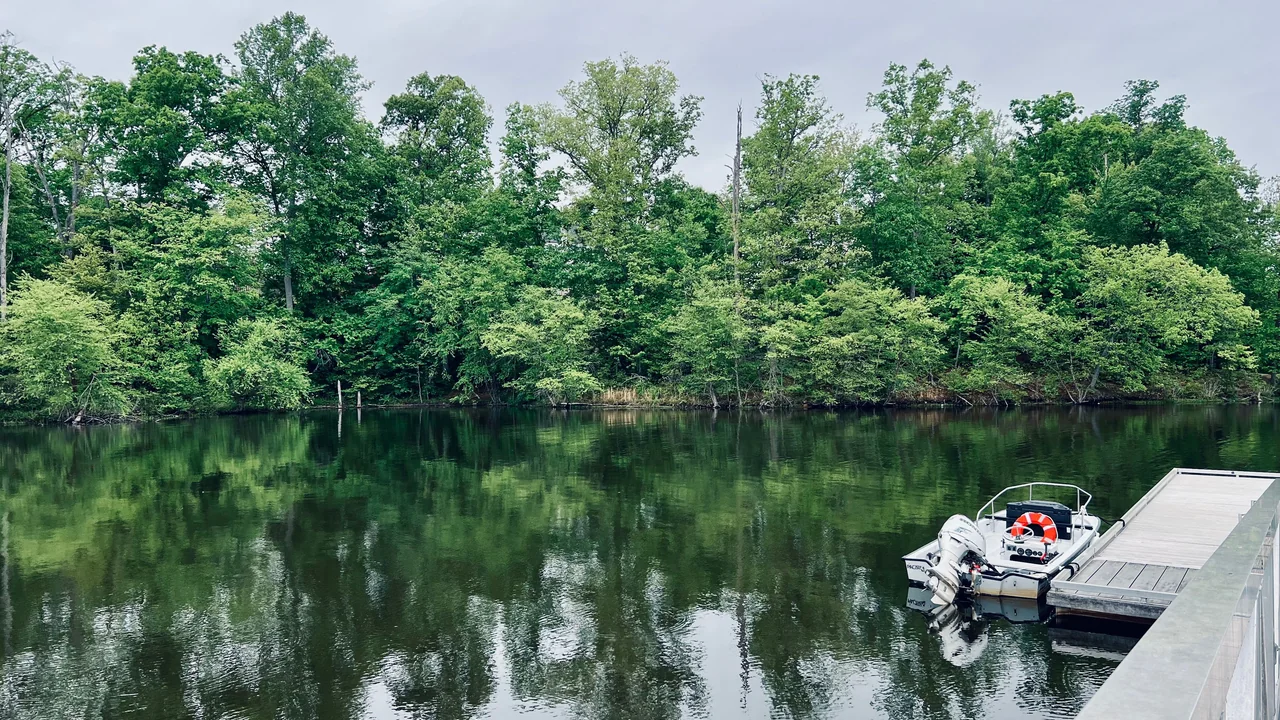
Yes, you almost certainly need a boat dock permit before you build, replace, or expand any dock, pier, boathouse, or boat lift in the United States. The common belief that you can build a dock without a permit because you own the waterfront property is false in nearly every jurisdiction. This guide will walk you through exactly which agencies you need to contact, the typical costs and timelines, and how the permit process differs based on your dock type and water body. You will learn the step-by-step application process, what happens if you skip the permit, and where to find your specific state and lake requirements.
Do I Need a Permit to Build a Dock?
Yes, a permit is required for virtually any permanent or semi-permanent structure placed on or over navigable waters, public lakes, rivers, and even many private lakes. The reason is simple: docks impact waterways, aquatic habitats, shoreline erosion, and public navigation rights. Even if you own the land under your dock, the water above it is often considered public property or is regulated by a state or federal agency.
The table below gives a quick overview of typical permit requirements by dock type:
| Dock Type | Typical Permit Requirement | Primary Issuing Agency |
|---|---|---|
| Fixed pier (permanent posts) | Almost always required | State DNR/DEP + USACE (if navigable) |
| Floating dock (anchored) | Usually required | State DNR/DEP + county building |
| Boat lift (installed on dock) | Required as part of dock permit | State DNR/DEP |
| Boathouse (enclosed structure) | Always required, strictest review | State DNR/DEP + USACE + county |
| Seasonal/removable dock | Often required, but simpler process | State DNR/DEP |
Who Issues Boat Dock Permits?
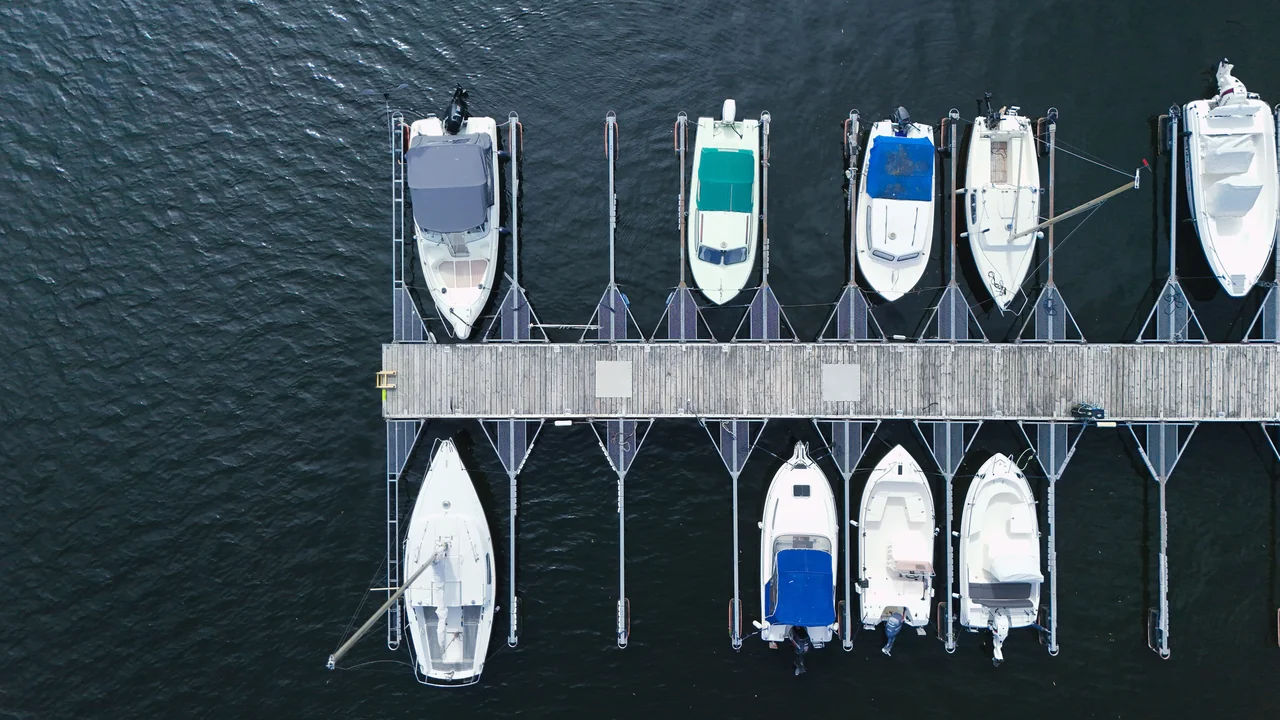
The answer depends on where your property is located. Multiple agencies may have overlapping jurisdiction, and you may need approvals from more than one. Understanding who controls your water body is the first step.
State DNR or DEP (Primary Authority)
In most states, the Department of Natural Resources (DNR) or Department of Environmental Protection (DEP) issues the primary waterway permit. This agency reviews your dock plans for environmental impact, navigation safety, and compliance with state shoreline regulations. For example, the Texas Parks and Wildlife Department oversees dock permits on most public lakes, while the Florida Department of Environmental Protection handles coastal and inland waters.
Army Corps of Engineers (Section 404 Permit)
The U.S. Army Corps of Engineers (USACE) regulates any structure placed in “waters of the United States” under Section 404 of the Clean Water Act. This applies to navigable rivers, major lakes connected to interstate waterways, and coastal areas. If your dock extends into a navigable waterway, you will likely need a USACE nationwide permit (NWP) or individual permit. The process is more complex and can take several months.
County or City Building Department
Many counties require a separate building permit for the structural integrity of the dock, especially if it includes a deck, roof, or electrical wiring. This permit ensures the dock meets local building codes for wind, wave, and ice loads. Check with your local planning and zoning office.
Utility or Reservoir Operator (Man-Made Lakes)
If you live on a man-made reservoir managed by a utility company, such as the Lower Colorado River Authority (LCRA) in Texas or the Tennessee Valley Authority (TVA), you must obtain a permit directly from that entity. Their rules often supersede or supplement state requirements. For example, LCRA has strict elevation limits and setback distances for docks on Lake Travis.
Private Lake vs Public Lake vs Reservoir vs River
The permitting authority changes based on the type of water body:
- Private lake (fully owned by you or an HOA): You may not need a state permit, but check with your HOA covenants and county building department. Some states still regulate structures on private lakes if they affect drainage or wetlands.
- Public lake (state park or federally managed): Requires a state DNR or USACE permit. Public lakes often have the strictest rules because they are used for recreation and wildlife habitat.
- Reservoir (man-made by dam): Controlled by the utility or water authority (e.g., LCRA, TVA, Army Corps). You will need their specific permit, plus possibly a state permit.
- Navigable river: Almost always requires a USACE Section 404 permit because rivers are “waters of the United States.” State DNR permits are also required.
Boat Dock Permit Cost
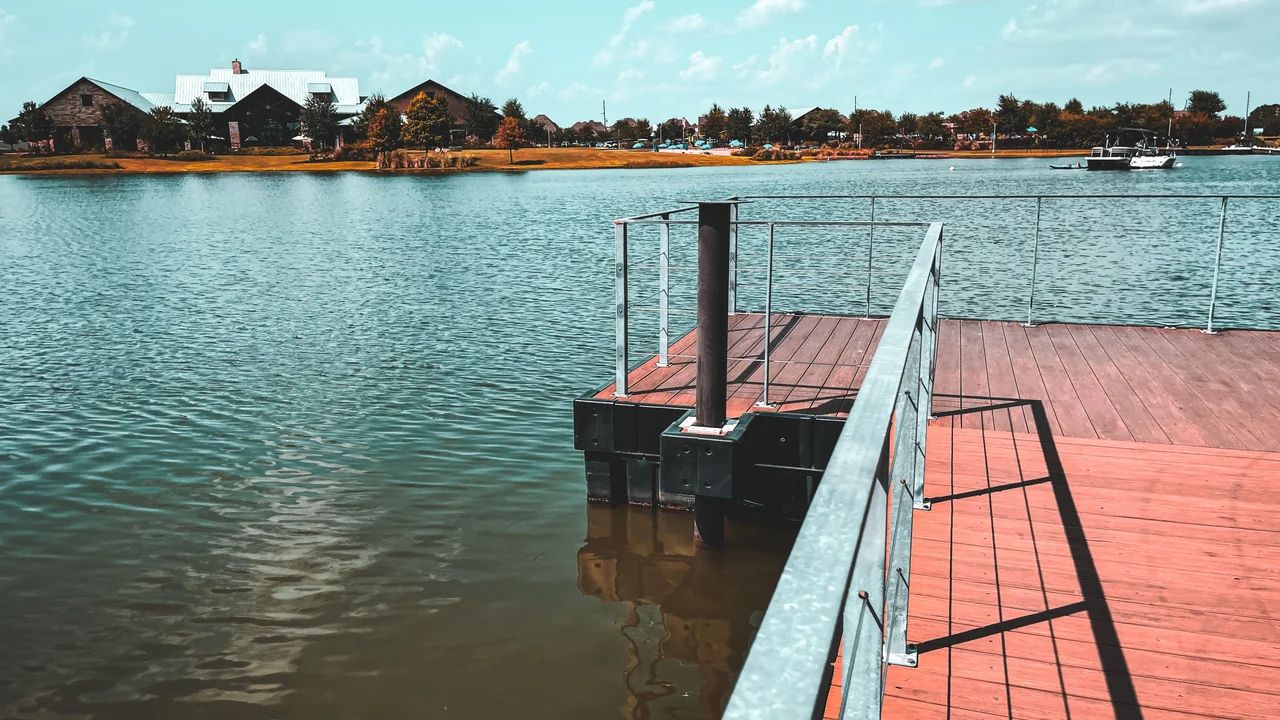
Permit fees vary widely by agency and dock complexity. Use the table below as a general guide:
| Permit Type | Typical Fee Range | Notes |
|---|---|---|
| State DNR/DEP basic dock permit | $50 – $500 | Simple floating dock or fixed pier on non-navigable water |
| USACE Nationwide Permit (NWP) | $0 – $100 (pre-construction notification fee) | Many NWPs have no fee, but you may need a PCN |
| USACE Individual Permit | $100 – $10,000+ | Complex projects, environmental impact studies required |
| County building permit | $100 – $1,000 | Based on dock value or square footage |
| Reservoir operator permit (LCRA, TVA) | $150 – $1,500 | Includes application fee and annual lease fee in some cases |
In addition to the permit fee, you may need to pay for a survey, site plan, environmental assessment, or engineering drawings. These professional services can add $500 to $3,000 to your total upfront cost. Use our Dock Cost Estimator to get a personalized budget.
How Long Does a Dock Permit Take?
The timeline depends on the complexity of your project and the agency involved. Here is a realistic breakdown:
| Permit Type | Typical Processing Time | Factors That Delay |
|---|---|---|
| State DNR/DEP simple permit | 2 – 6 weeks | Incomplete application, seasonal backlogs |
| USACE Nationwide Permit | 4 – 12 weeks | Requires pre-construction notification, public comment |
| USACE Individual Permit | 6 – 18 months | Environmental impact statement, public hearings |
| County building permit | 1 – 4 weeks | Plan review, structural calculations |
| Reservoir operator permit | 4 – 8 weeks | Site inspection, lease agreement |
Plan for at least 8 to 12 weeks total if you need approvals from multiple agencies. Start the process early — ideally before you purchase materials or hire a contractor. Use our Permit Requirement Checker to see which agencies apply to your specific location.
Floating Dock vs Fixed Pier Permit
Floating Dock Permits
Floating docks are generally easier to permit than fixed piers because they are less permanent and have less impact on the lakebed. However, they still require a permit from your state DNR and possibly the USACE if on navigable water. The key considerations for floating dock permits include:
- Anchoring system (must not damage lakebed or obstruct navigation)
- Maximum size limits (often 500–1,000 square feet total)
- Setback from property lines (typically 10–50 feet)
- Seasonal removal requirements in northern states
Fixed Pier Permits
Fixed piers with permanent posts driven into the lakebed face stricter review because they permanently alter the aquatic environment. You will likely need a USACE permit if the water is navigable. Additional requirements include:
- Structural engineering plans for wind and ice loads
- Environmental impact assessment for dredging or pile driving
- Compliance with shoreline setback and height restrictions
Floating Dock Pros
- Simpler permit process
- Adjusts to water level changes
- Easier to remove if needed
Floating Dock Cons
- Less stable in high winds/waves
- May require seasonal removal
- Limited weight capacity for boat lifts
Setback and Size Limit Basics
Most state and local regulations impose standard limits on dock dimensions and placement:
- Setback from property lines: Typically 10 to 50 feet from each side property line. This prevents docks from encroaching on neighbors’ water views or access.
- Maximum length: Often limited to 50–100 feet from the shoreline, or to a specific water depth (e.g., no further than where water is 4 feet deep).
- Maximum width: Usually 4–8 feet for the walkway, with a wider platform at the end (up to 20 feet wide).
- Height above water: Fixed piers must be high enough to allow boat passage underneath during high water, often 2–4 feet above normal water level.
- Coverage limit: Total dock area (including boathouse) may be capped at 500–1,500 square feet depending on lot size.
Seasonal Removal Rules in Northern States
In states with freezing winters, such as Minnesota, Wisconsin, Michigan, and New York, you may be required to remove your dock or use a “seasonal” permit. The rationale is that ice movement can destroy fixed structures and create hazardous debris. Key rules include:
- Docks must be removed before ice forms (typically November 1 to December 15).
- Floating docks are preferred because they are easier to remove.
- Fixed piers may be allowed if designed to withstand ice (e.g., with removable deck sections).
- Failure to remove can result in fines and liability for damage to other boats.
What Happens If You Build Without a Permit?
The consequences of building a dock without a permit can be severe and costly:
- Stop-work order: You will be required to halt construction immediately.
- Fines: State and federal agencies can impose fines from $500 to $10,000 per day of violation.
- Forced removal: You may be ordered to remove the dock at your own expense, which can cost $5,000 to $20,000 or more.
- Legal action: The USACE or state DNR can file a lawsuit for environmental damage.
- Title issues: An unpermitted dock can complicate property sales and insurance claims.
Summary: Your Action Plan for a Boat Dock Permit
Start your permit process by identifying the primary agency that controls your water body. For most lakefront properties, that is your state DNR or a reservoir operator. Use our State-by-State Permit Guides to find the exact agency and application forms for your location. Then, check with your county building department for any structural permits. If your dock is on a navigable river or major lake, contact the USACE district office for your region.
For popular lakes with unique rules, visit our Lake-Specific Guides for detailed information on Lake Travis, Lake of the Ozarks, Lake Tahoe, and dozens more. Once you have identified the agencies, submit your application early, include all required documents (site plan, survey, environmental assessment if needed), and be prepared to wait 4–12 weeks. The investment in time and money for a permit is far less than the cost of penalties or forced removal.
Frequently Asked Questions
Do I need a permit to build a dock on my own property?
Yes, in almost all cases. Even if you own the land and the water rights, most states and federal agencies regulate any structure placed in or over water because of environmental and navigation concerns. Private property ownership does not exempt you from obtaining a permit from the state DNR, USACE, or a reservoir operator. The only possible exception is a small, temporary dock on a fully private lake with no connection to public waters, but even then, your county may require a building permit.
How much does a boat dock permit cost?
The total cost ranges from $50 to $1,500 or more, depending on the number of agencies involved. A basic state DNR permit for a floating dock typically costs between $50 and $500. A USACE nationwide permit usually has no fee, but you may need to pay for a pre-construction notification. County building permits add another $100 to $1,000. For complex projects requiring an individual USACE permit, fees can exceed $10,000 due to environmental studies. Use our Dock Cost Estimator tool for a personalized estimate.
How long does it take to get a dock permit?
Processing times vary significantly by agency and project complexity. A simple state DNR permit for a floating dock on a non-navigable lake typically takes 2 to 6 weeks. A USACE nationwide permit can take 4 to 12 weeks, especially if a public comment period is required. Complex projects requiring an individual USACE permit may take 6 to 18 months. County building permits are usually faster, taking 1 to 4 weeks. Plan for a total timeline of 8 to 12 weeks for most standard residential dock projects.
Do floating docks need a permit?
Yes, floating docks almost always require a permit. While they are less permanent than fixed piers, they still occupy public water space, affect navigation, and can impact aquatic habitats. Most states require a permit for any floating structure over a certain size (often 100 square feet or more). Additionally, if your floating dock is on a navigable waterway, you may need a USACE nationwide permit. Always check with your state DNR and local county before purchasing materials.
What is Army Corps of Engineers Section 404 permit?
The Section 404 permit is a federal permit required under the Clean Water Act for any discharge of dredged or fill material into “waters of the United States,” including navigable rivers, lakes, and wetlands. For dock construction, this applies when you drive piles, place riprap, or fill the lakebed. Most residential docks qualify for a Nationwide Permit (NWP), which is a streamlined process. However, if your project is large or in a sensitive area, you may need an Individual Permit, which requires a detailed environmental review and public comment.
What are riparian rights and how do they affect my permit?
Riparian rights are legal privileges that come with owning waterfront property. They generally include the right to access the water, build a dock, and use the water for reasonable domestic purposes. However, these rights are not unlimited and are always subject to state and federal regulations. For your dock project, riparian rights determine what you can build without seeking permission from your neighbors. In most states, you have the right to construct a private dock for non-commercial use, but that right is conditioned on not obstructing navigation, harming the environment, or infringing on another property owner’s access. Even with strong riparian rights, you must still obtain all required permits from the USACE, state DNR, and local agencies.
Do I need a different permit for a floating dock vs. a fixed pier?
Yes, in many states. Floating docks are often treated as “water-dependent structures” and may have different setback and size rules. Fixed piers require deeper environmental review because they disturb the lakebed. Check with your state DNR for specific classifications.
Do I need a permit for a dock on a private lake?
Yes, if the lake is connected to a navigable waterway or contains wetlands under federal jurisdiction. Even on a fully private lake, your county or HOA may require a permit. Always check local rules.
Do I have to remove my dock every winter?
In northern states like Minnesota, Michigan, and Wisconsin, yes. Permits typically require removal between November 1 and April 1. Failure to remove can result in fines and permit revocation.
Last updated: July 02, 2026
- U.S. Army Corps of Engineers Regulatory Program (usace.army.mil)
- National Association of State Boating Law Administrators (nasbla.org)
- State DNR/DEP websites for Texas, Florida, Minnesota, Michigan, and Wisconsin

Dock Permit Guide
DockPermitGuide editor covering boat dock and pier permit requirements, costs, and regulations across the United States, Canada & Australia.
4 Comments