
Lake Travis Dock Permit: Rules, Costs & How to Apply (2026)
 10 min read
1,837 words
10 min read
1,837 words
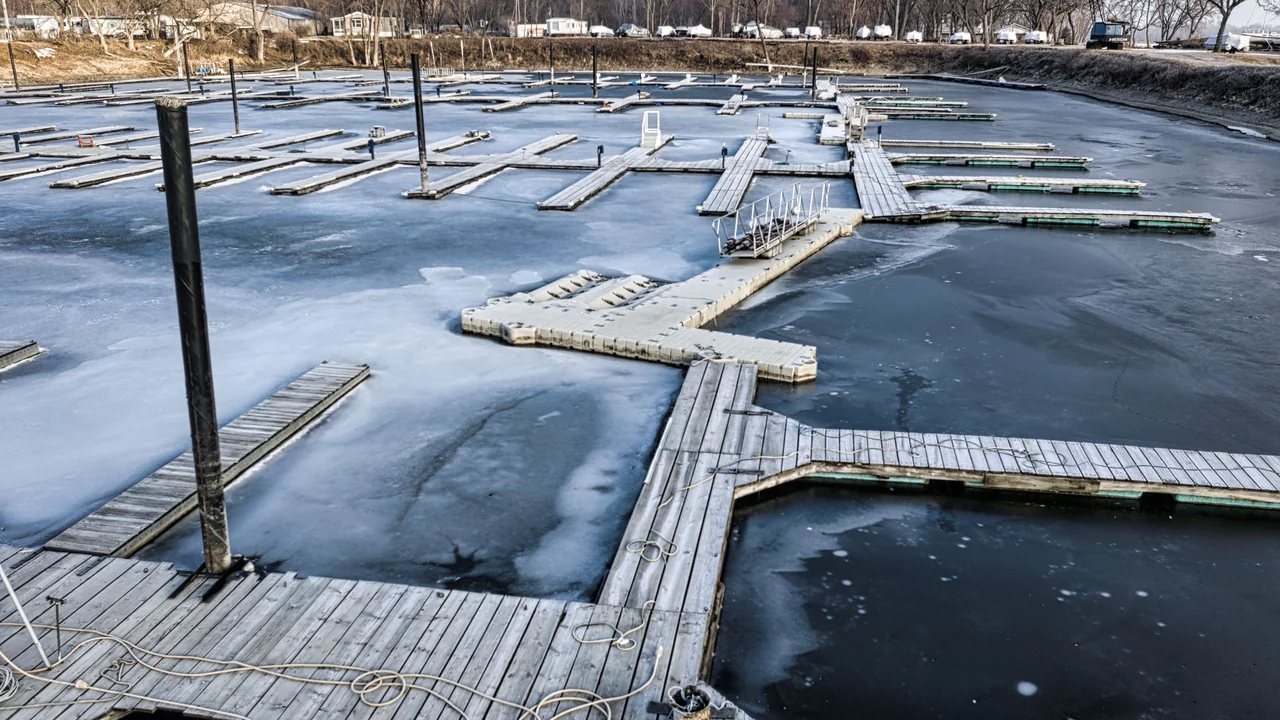
Yes, you need a dock permit Lake Travis issued by the Lower Colorado River Authority (LCRA) before you can build, modify, or replace any dock on the lake. Lake Travis is a man-made reservoir controlled by the LCRA, which means the agency has full authority over all shoreline and waterway structures, including docks, piers, boathouses, and boat lifts. In this guide, you will learn exactly which agency issues permits, what types of docks are allowed, how the lake’s extreme water level fluctuations affect your dock design, the step-by-step application process, and the complete cost and timeline you can expect in 2026.
Which Agency Issues Dock Permits on Lake Travis?
The LCRA dock permit is the sole authorization you need for any private dock construction on Lake Travis. The Lower Colorado River Authority manages the lake as a water supply and flood control reservoir, and it enforces strict rules under its LCRA Rules for Use of System Lakes. No other local city or county permit is required for the dock itself, though you may need a separate building permit from Travis County for any adjacent upland structure like a deck or retaining wall. The LCRA’s permitting division reviews all dock applications to ensure compliance with lake elevation standards, environmental protections, and navigational safety.
What Types of Docks Are Allowed Under Lake Travis Dock Rules?
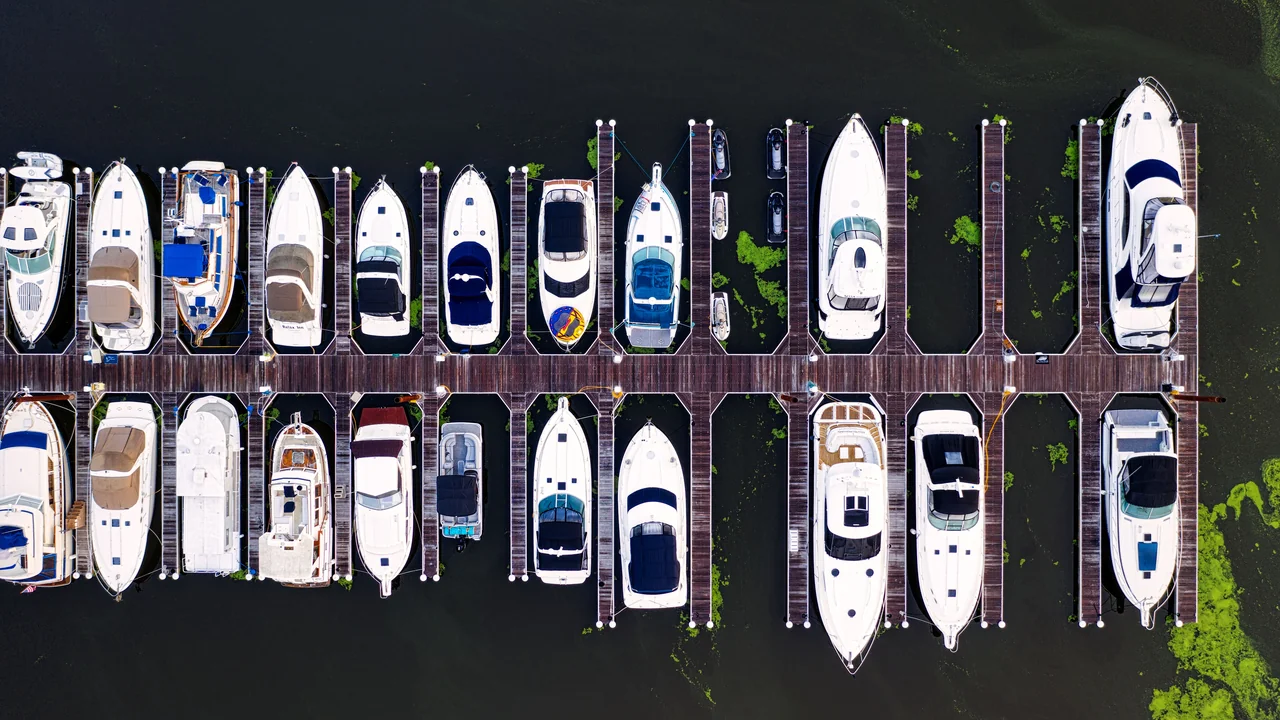
Lake Travis dock rules permit only floating docks that rise and fall with the water level. The LCRA categorizes dock permits into several types based on the structure’s size and purpose. Understanding these categories is critical before you apply.
| Dock Type | Maximum Size Allowed | Permit Required |
|---|---|---|
| Single-slip boathouse with boat lift | 14 ft wide x 40 ft long (560 sq ft) | Yes – standard LCRA permit |
| Double-slip boathouse with boat lift | 28 ft wide x 40 ft long (1,120 sq ft) | Yes – standard LCRA permit |
| Open pier (no roof) with PWC lifts | 10 ft wide x 30 ft long (300 sq ft) | Yes – standard LCRA permit |
| Floating swim platform (no motorized lifts) | 10 ft x 10 ft (100 sq ft) | Yes – simplified LCRA permit |
| Fixed pier or permanent structure | Not allowed on Lake Travis | Denied by LCRA |
How Does Lake Travis Water Level Fluctuation Affect Your Dock Design?
Lake Travis is known for dramatic water level swings — from full pool at 681 feet above mean sea level to historic lows near 614 feet during severe drought. This fluctuation is the single most important factor in your dock design and why the LCRA mandates floating structures. A dock built without accounting for a 40-foot drop will either be left high and dry on the shoreline or submerged during high water events.
Design Requirements for Floating Docks on Lake Travis
Your Lake Travis dock builder must engineer the dock with enough flotation to support the weight of the structure, boat, lift, and any additional decking. The LCRA requires that the dock’s deck height remain at least 12 inches above the water surface at all times. During low water, the gangway must be long enough to reach the water’s edge, and during high water, the dock must not impede navigation or encroach into the lake’s main channel.
How to Apply for an LCRA Dock Permit: Step-by-Step Process

The application process for a LCRA dock permit follows a structured path. You can submit your application online through the LCRA’s permit portal or by mail. Here is the exact sequence of steps you need to follow.
Pre-Application Site Assessment
Walk your shoreline and take photos from multiple angles. Measure the distance from your property line to the water’s edge at current lake level. Identify any existing structures, utilities, or vegetation that may affect dock placement.
Hire a Licensed Dock Builder
The LCRA requires that all dock designs be stamped by a licensed professional engineer registered in Texas. Most Lake Travis dock builders include engineering and permit filing in their service. Verify the builder’s LCRA experience and ask for recent permit approvals.
Complete the LCRA Application Form
Fill out the LCRA Shoreline Use Permit Application. You will need your property’s legal description, tax parcel number, and a site plan showing dock dimensions, location relative to property lines, and depth of water at the dock’s outer edge.
Submit Supporting Documents
Attach engineered dock plans, a property survey, photos of the shoreline, and proof of liability insurance (minimum $300,000 coverage). If your dock requires a utility connection for lights or power, include an electrical plan.
Pay the Application Fee
Submit the non-refundable permit fee along with your application. The LCRA will not begin review until payment is received.
LCRA Review and Site Inspection
An LCRA field inspector will visit your property to verify the site conditions match your application. The review includes checking for environmental impacts, navigational hazards, and compliance with setback requirements from neighboring docks.
Receive Permit and Begin Construction
Once approved, you will receive a permit letter with specific conditions. You must begin construction within 180 days and complete it within 365 days. After completion, you may need a final inspection.
How Much Does a Lake Travis Dock Permit Cost?
The Lake Travis boat dock cost includes two main components: the permit fee paid to the LCRA and the construction cost paid to your dock builder. The permit fee itself is relatively modest compared to the overall project expense.
| Expense Category | Estimated Cost (2026) |
|---|---|
| LCRA permit application fee | $350 (non-refundable) |
| Engineered dock plans (included by builder) | $500 – $1,500 |
| Single-slip boathouse with lift (materials + labor) | $25,000 – $45,000 |
| Double-slip boathouse with lifts | $40,000 – $70,000 |
| Open floating pier with PWC lifts | $15,000 – $30,000 |
| Gangway (20–100 ft depending on length) | $3,000 – $12,000 |
| Annual LCRA permit renewal fee | $75 |
How Long Does an LCRA Dock Permit Take to Process?
The timeline for obtaining a dock permit Lake Travis from the LCRA typically ranges from 6 to 12 weeks from the date of complete application submission. Delays often occur when applications are missing required documents or when the proposed dock location conflicts with utility easements or neighboring properties.
Factors that can shorten your timeline include hiring a dock builder who already has a relationship with the LCRA permit office, submitting a complete and accurate application package, and avoiding dock designs that require variances or exceptions to standard rules. If your dock is within 50 feet of a known utility line or a protected species habitat, expect an additional 4–6 weeks for environmental review.
Lake Travis Dock Builder: What to Look For
Choosing the right Lake Travis dock builder can make or break your project. The LCRA does not maintain a list of approved builders, so you must vet candidates yourself. Look for a builder who holds a valid Texas contractor license, carries general liability and workers’ compensation insurance, and can provide at least three references from recent Lake Travis dock projects. Ask specifically about their experience with floating dock systems designed for extreme water level changes — this is not a skill every dock builder possesses.
Signs of a Qualified Builder
- Provides engineered plans stamped by a Texas PE
- Has completed 10+ Lake Travis dock permits
- Offers a written contract with fixed price and timeline
- Handles the entire permit application process
Red Flags to Avoid
- Cannot provide recent LCRA permit examples
- Proposes a fixed pier design
- Asks for full payment upfront
- Has no liability insurance
Summary: Your Action Plan for a Lake Travis Dock Permit
To successfully obtain a dock permit Lake Travis, start by contacting the LCRA permit office at (512) 473-3200 or visiting their online portal to download the current application form. Your first step should be hiring a qualified dock builder who specializes in floating dock systems for Lake Travis. The builder will handle the engineering and permit submission. Expect to pay $350 for the LCRA application fee and between $25,000 and $70,000 for the complete dock construction, depending on size and features. The entire process — from application to construction completion — typically takes 4 to 6 months. For a broader overview of dock permitting across the country, refer to our Boat Dock Permit Guide for additional state-by-state resources.
Frequently Asked Questions
Do I need an LCRA permit for a dock on Lake Travis?
Yes, every dock, pier, boathouse, or boat lift on Lake Travis requires a permit from the Lower Colorado River Authority (LCRA). The LCRA has exclusive jurisdiction over all structures on the lake’s water surface. Building without a permit can result in fines up to $2,000 per day and an order to remove the structure at your own expense. Even minor repairs or replacements of existing docks typically require a new permit or amendment.
How much does a dock cost on Lake Travis?
The total cost for a dock on Lake Travis ranges from $25,000 for a basic single-slip open pier to over $70,000 for a double-slip boathouse with boat lifts and a long gangway. The LCRA permit fee is a fixed $350, but the largest expense is construction materials and labor. Factors that increase cost include the length of the gangway needed to reach deep water, the type of boat lift (hydraulic vs. manual), and whether you add electrical service or lighting. Always get at least three quotes from licensed dock builders before committing.
How long does an LCRA dock permit take?
A complete LCRA dock permit application typically takes 6 to 12 weeks to process. This timeline starts only after you submit all required documents, including engineered plans, property survey, and insurance proof. If your application is missing information or requires an environmental review, the process can extend to 16 weeks or longer. To speed things up, work with a dock builder who has a strong track record with the LCRA and submits a complete, error-free application on the first try.
Last updated: July 02, 2026
- Lower Colorado River Authority – Shoreline Use Permits
- LCRA Rules for Use of System Lakes (Title 30, Texas Administrative Code, Chapter 299)

Dock Permit Guide
DockPermitGuide editor covering boat dock and pier permit requirements, costs, and regulations across the United States, Canada & Australia.
One Comment