
Dock Permit in Australia: State-by-State Pontoon & Jetty Rules (2026)
 9 min read
1,750 words
9 min read
1,750 words
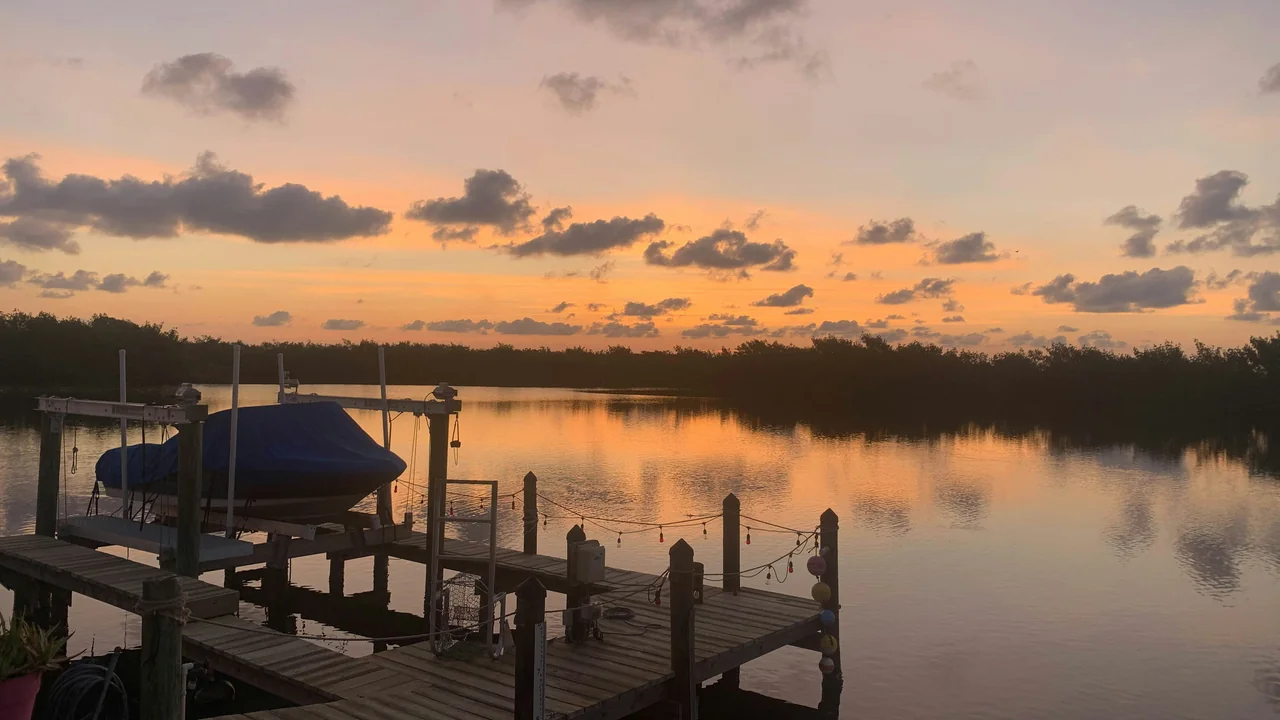
Yes, you almost certainly need a permit for a dock, pontoon, or jetty in Australia. Unlike the United States, there is no single federal dock permit. Instead, Australia operates a state-by-state system, meaning the rules, costs, and timelines vary dramatically depending on where you live and whether your structure is in tidal or non-tidal waters. This guide covers the key agencies, application processes, and fees for Queensland, New South Wales, Victoria, and Western Australia so you know exactly who to contact for your marine structure permit.
Do You Need a Federal Dock Permit in Australia?
No. Australia does not have a single federal law that governs private docks, pontoons, or jetties, unlike the US Army Corps of Engineers’ Section 404 program. Instead, each state and territory manages its own coastal and inland waters. However, if your project could affect a declared Ramsar wetland, a World Heritage area, or a threatened species habitat, the federal Environment Protection and Biodiversity Conservation Act 1999 (EPBC Act) may require a referral to the Department of Climate Change, Energy, the Environment and Water. This is rare for a single residential pontoon but possible for large jetties in sensitive areas.
Which State Agency Issues Pontoon Permits in Australia?
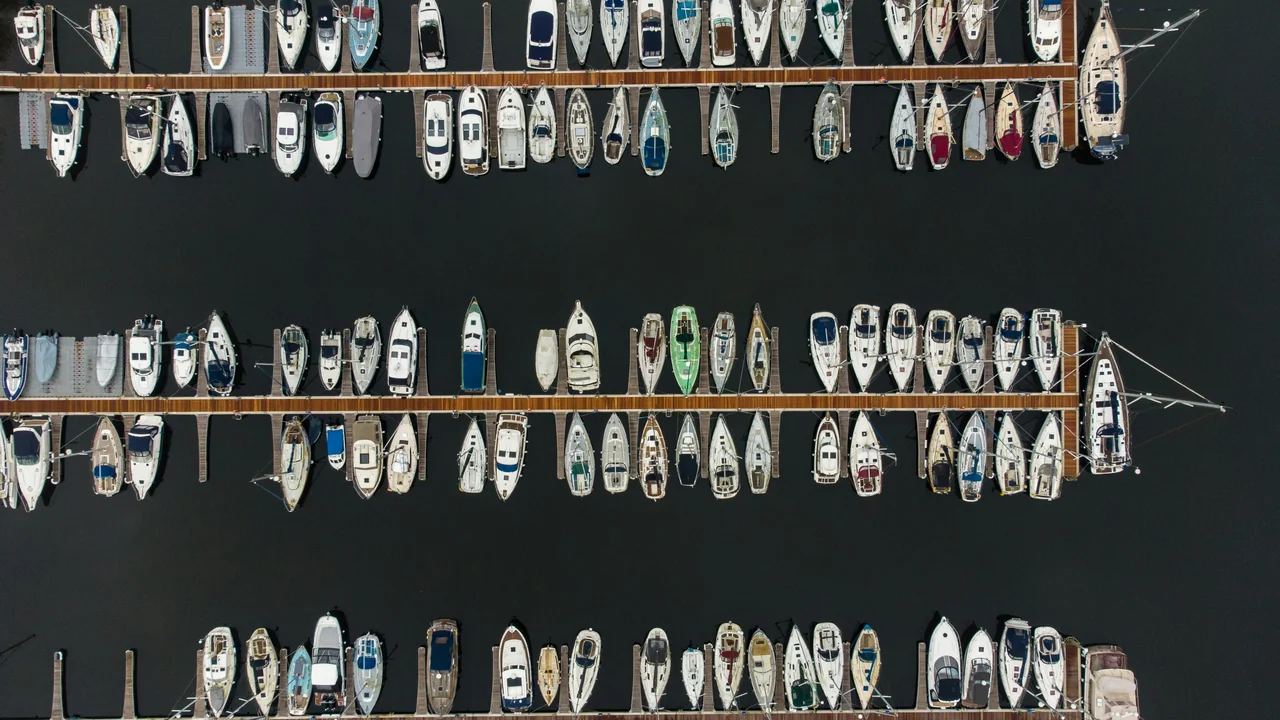
There is no single answer. Each state has its own lead agency for marine structures. The table below summarizes the primary authority for each major state.
| State | Lead Agency for Tidal Waters | Lead Agency for Non-Tidal Waters |
|---|---|---|
| Queensland (QLD) | Department of Resources (Maritime Safety Queensland) | Department of Resources + Local Council |
| New South Wales (NSW) | Department of Planning, Housing and Infrastructure (Crown Lands) | Crown Lands + Local Council |
| Victoria (VIC) | Department of Energy, Environment and Climate Action (DELWP) | DELWP + Local Council |
| Western Australia (WA) | Department of Transport (DoT) | Department of Water and Environmental Regulation (DWER) |
Queensland: Department of Resources and Local Council
In Queensland, a pontoon or jetty permit is a two-step process. First, you need a Marine Structure Permit from the Department of Resources (Maritime Safety Queensland) for tidal waters. Second, you need a Development Approval from your local council under the Planning Act 2016. For non-tidal waters like dams or weirs, the Department of Resources is the primary contact, but Seqwater or Sunwater may also have requirements if the water is a state-controlled impoundment. Expect to pay between $500 and $2,500 for the state permit, depending on the size and complexity of the structure.
New South Wales: Crown Lands and Local Council
New South Wales requires a Waterways License from Crown Lands (part of the Department of Planning, Housing and Infrastructure) for any structure on tidal Crown land. This includes jetties, pontoons, and boat ramps. For non-tidal rivers and lakes, Crown Lands still manages the bed of the waterway, so a license is required. In addition, you must obtain a Construction Certificate or Complying Development Certificate from your local council. The Crown Lands application fee is typically $300 to $1,000, and the annual license fee is calculated based on the area of the structure. Processing times average 3 to 6 months.
Victoria: DELWP and Local Council
Victoria’s Department of Energy, Environment and Climate Action (DELWP) manages all marine and coastal structures through the Marine and Coastal Act 2018. You need a Marine Structure License for any jetty, pontoon, or dolphin in tidal waters. For inland waters like Lake Eildon or the Goulburn River, DELWP’s Water and Catchments Group issues a Works on Waterways Permit. Your local council then assesses the planning permit. Fees in Victoria range from $400 for a small floating pontoon to over $3,000 for a large fixed jetty. Timeline: 2 to 5 months.
Western Australia: Department of Transport
Western Australia has the most centralized system. The Department of Transport (DoT) is the sole authority for all jetties, pontoons, and moorings in tidal waters through the Jetties Act 1913 and the Marine and Harbours Act 1981. For non-tidal inland waters, the Department of Water and Environmental Regulation (DWER) issues a permit under the Rights in Water and Irrigation Act 1914. DoT application fees are around $200 to $800, plus an annual rental fee based on the value of the structure. Processing times are generally 4 to 8 weeks for standard applications.
Pontoon Permit Australia: Tidal vs Non-Tidal Waters
The distinction between tidal and non-tidal waters is critical. Tidal waters are under state control (Crown land below high-water mark). Non-tidal waters like lakes, reservoirs, and most rivers are also Crown land in many states, but the managing agency differs. For example, in Queensland, a pontoon on the Brisbane River (tidal) requires a Maritime Safety Queensland permit, while a pontoon on Lake Wivenhoe (non-tidal) requires a permit from Seqwater and the Department of Resources. Always check the tidal limit maps published by your state’s maritime authority.
Environmental Approvals for Marine Habitat
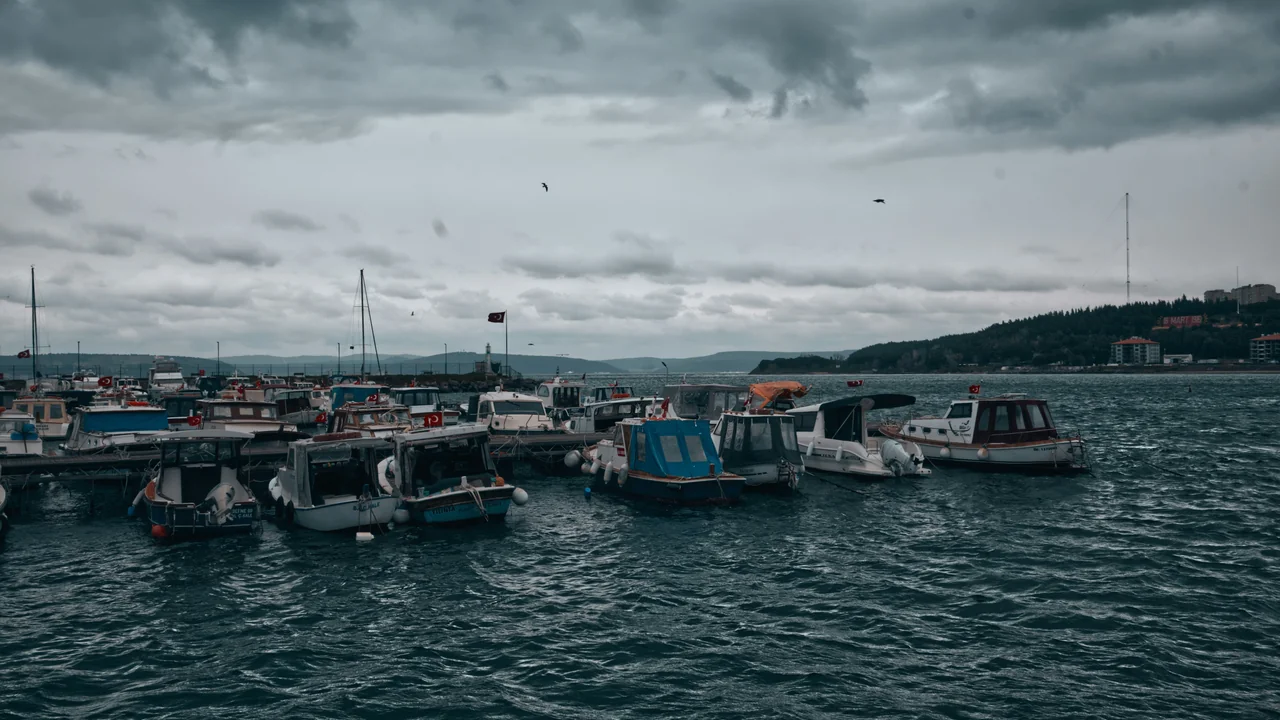
Every state requires an environmental assessment as part of the pontoon permit process. This is not optional. You must demonstrate that your structure will not damage seagrass beds, mangroves, saltmarsh, or fish habitats. In Queensland, the Fisheries Act 1994 requires a separate Marine Plant Removal Permit if any mangroves or seagrass are affected. In NSW, the Fisheries Management Act 1994 requires a Permit to Remove Marine Vegetation. Victoria’s Flora and Fauna Guarantee Act may apply. The cost for environmental surveys and reports can range from $1,000 to $5,000, depending on the site complexity.
How Environmental Assessments Affect Your Timeline
The environmental assessment is often the longest part of the process. If your site has seagrass or mangroves, expect a 3-month delay for field surveys and agency review. Some states, like Queensland, require a public notification period of 15 to 30 business days for any structure affecting marine plants. In NSW, Crown Lands may require an Aboriginal Heritage Impact Permit if the site is near known cultural sites. Factor these steps into your project plan.
Jetty Permit Australia: Cost and Timeline by State
The cost of a jetty permit varies significantly. The table below provides a realistic range for a standard residential jetty (up to 20 meters long) in each state.
| State | Application Fee (State) | Annual License Fee | Typical Timeline |
|---|---|---|---|
| QLD | $500–$2,500 | $100–$500 | 3–6 months |
| NSW | $300–$1,000 | $200–$800 | 3–6 months |
| VIC | $400–$3,000 | $150–$600 | 2–5 months |
| WA | $200–$800 | $100–$400 | 4–8 weeks |
Marine Structure Permit Australia: Step-by-Step Process
While each state has its own forms, the general process follows these steps. Use this as a checklist before you contact any agency.
Determine if your water is tidal or non-tidal. Check the state maritime authority’s tidal limits map. Contact your local council to confirm planning requirements.
Hire a qualified marine ecologist to survey seagrass, mangroves, and fish habitat. This report will be required by both the state agency and council.
Complete the state’s marine structure permit form. Include site plans, environmental reports, and proof of ownership or riparian rights. Pay the application fee.
Submit a development application (DA) or complying development certificate (CDC) to your local council. This may trigger public notification.
Once both approvals are granted, you can construct the structure. Some states require a post-construction inspection to confirm compliance.
Summary: Your Action Plan for a Dock Permit in Australia
To successfully obtain a pontoon or jetty permit in Australia, start by identifying whether your waterway is tidal or non-tidal. Then contact the relevant state agency: Department of Resources (QLD), Crown Lands (NSW), DELWP (VIC), or Department of Transport (WA). Simultaneously, speak to your local council’s planning department to confirm any local overlays. Commission an environmental survey early to avoid delays. Budget between $1,000 and $5,000 in total fees and surveys, and plan for a 3 to 6 month timeline. For more guidance on specific states, explore our other state-by-state guides on dockpermitguide.com.
Frequently Asked Questions
Do I need a permit for a pontoon in Australia?
Yes, you need a permit for any pontoon, jetty, or fixed marine structure in Australia. There is no exemption for small structures. The permit is issued by your state’s waterway management authority, and you also need planning approval from your local council. Operating without a permit can result in fines and an order to remove the structure at your cost.
Which state agency handles jetty permits?
The agency varies by state. In Queensland, it is the Department of Resources (Maritime Safety Queensland). In New South Wales, Crown Lands under the Department of Planning, Housing and Infrastructure. In Victoria, the Department of Energy, Environment and Climate Action (DELWP). In Western Australia, the Department of Transport (DoT) handles tidal waters. Always check the specific state authority for your location.
Can I build a jetty on Crown land in Australia?
Yes, but you need a license or lease from the state Crown land manager. Most tidal waters and many non-tidal lakes are Crown land below the high-water mark. You cannot build without permission. The license is typically granted for a fixed term (e.g., 10 or 20 years) and requires annual rental payments. The structure must be for private, non-commercial use unless a commercial lease is obtained.
How much does a pontoon permit cost in Australia?
State application fees range from $200 in Western Australia to $3,000 in Victoria for large structures. You will also pay an annual license fee of $100 to $800, depending on the size of your pontoon. Environmental surveys add $1,000 to $5,000. Including council fees, budget $1,500 to $8,000 in total for a standard residential pontoon permit.
Last updated: July 02, 2026
- Queensland Department of Resources – Marine Structures
- NSW Crown Lands – Waterways Licenses
- Victoria DELWP – Marine and Coastal Act 2018
- WA Department of Transport – Jetties Act 1913
- EPBC Act 1999 – Department of Climate Change, Energy, the Environment and Water

Dock Permit Guide
DockPermitGuide editor covering boat dock and pier permit requirements, costs, and regulations across the United States, Canada & Australia.