
Boat Lift Permit Requirements: Do You Need a Separate Permit? (2026)
 10 min read
1,888 words
10 min read
1,888 words

If you own a waterfront property and are planning to add a boat lift, you likely need a permit—but in most cases, it will be covered under your existing or new dock permit rather than requiring a separate, standalone permit. Understanding boat lift permit requirements is essential before you spend thousands on equipment and installation. This guide explains exactly when a boat lift triggers additional regulatory review, which agencies are involved, and what size and type of lift may require extra scrutiny. You will learn the difference between freestanding, dock-mounted, and floating lifts, how weight capacity affects permitting, and a state-by-state overview of common requirements. By the end, you will know exactly which steps to take before installing your lift.
Do Boat Lifts Need a Separate Permit?
The short answer is: rarely. Most regulatory agencies—including the U.S. Army Corps of Engineers (USACE), state environmental protection departments, and local lake authorities—treat a boat lift as an accessory to a dock. If you already have a permitted dock, adding a lift typically falls under the original dock permit or requires only a minor amendment. However, there are critical exceptions. If your lift is freestanding (not attached to the dock), if it exceeds certain weight or size thresholds, or if your dock permit explicitly excludes lifts, you may need a separate permit or an entirely new application.
Boat Lift Regulations by Type: Freestanding vs. Dock-Mounted vs. Floating
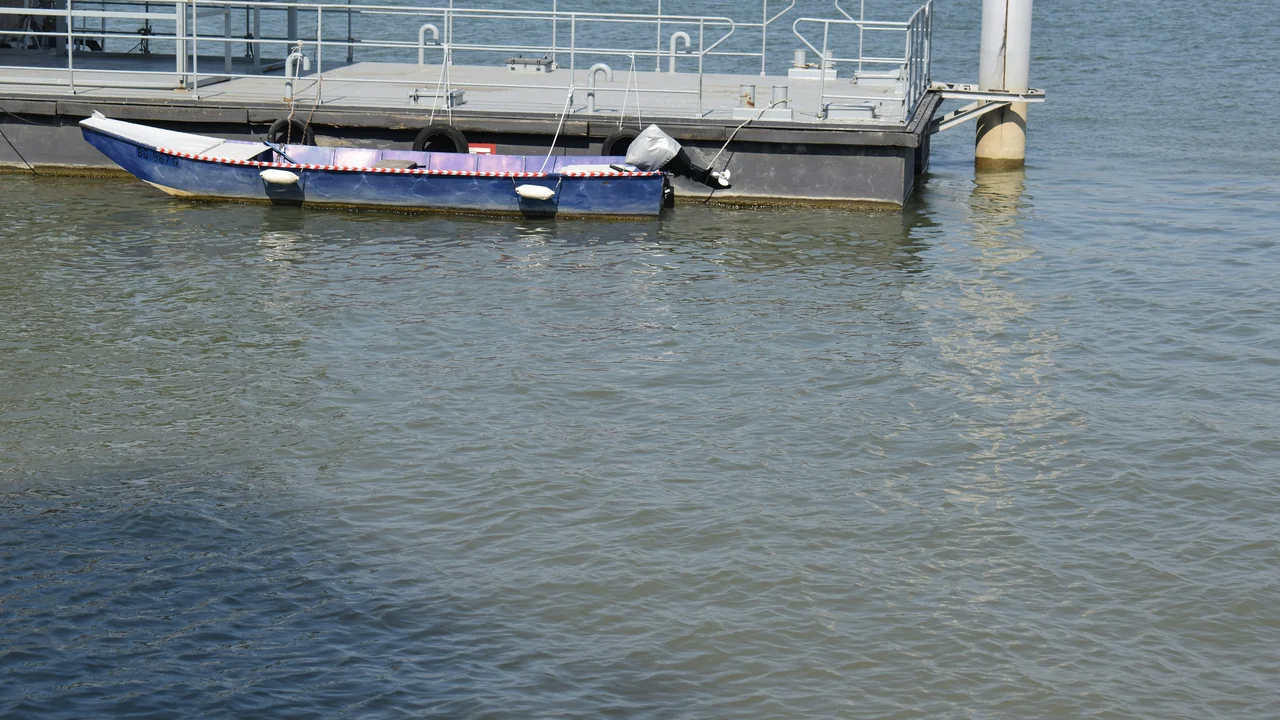
The type of lift you choose directly impacts whether a separate permit is needed. Each design has different regulatory implications.
Freestanding Boat Lift Permit
A freestanding boat lift sits on its own pilings or a separate platform, independent of the dock. Because it involves new pilings driven into the lakebed, this type almost always requires additional permitting. The pilings disturb the bottom substrate, which triggers review under the Clean Water Act (Section 404) and state water quality certifications. Even if your dock permit allows a lift, a freestanding lift often requires a separate permit or a significant amendment.
Dock-Mounted Boat Lift
A dock-mounted lift attaches directly to the dock structure. Since it does not involve new pilings or bottom disturbance, it is the most permit-friendly option. Most agencies consider this a “modification” of the existing dock and require only a notification or minor amendment. However, if the lift adds significant weight that changes the dock’s structural load, the dock itself may need to be re-permitted for increased capacity.
Floating Boat Lift
Floating lifts rest on the water surface and are anchored to the dock or shore. Because they do not touch the bottom, they typically face the fewest regulatory hurdles. Some states exempt floating lifts entirely from permitting, provided they are not permanently moored and do not obstruct navigation. However, if the lift uses bottom anchors (e.g., concrete blocks or screw anchors), it may cross into regulated territory.
| Lift Type | Separate Permit Likely? | Key Regulatory Trigger |
|---|---|---|
| Freestanding (new pilings) | Yes | Bottom disturbance, new structures |
| Dock-mounted | No (usually) | Weight load on dock, structural change |
| Floating (no bottom contact) | Rarely | Navigation obstruction, anchoring method |
When a Boat Lift Triggers Additional Review
Even if your lift is dock-mounted or floating, certain conditions force a separate review. The most common triggers include:
- Lift capacity exceeds 5,000 pounds on many inland lakes
- Lift extends beyond the dock’s footprint or into a navigation channel
- Lift requires new pilings or bottom disturbance
- Lift is installed in a sensitive environmental area (e.g., seagrass beds, wetlands)
- Local regulations explicitly require a separate lift permit
Always check with your local permitting authority before purchasing a lift. A $5,000 lift can become a $10,000 problem if you install it without proper authorization.
Weight Capacity and Size Thresholds for Boat Lift Permits

Most state and federal agencies use weight capacity and lift dimensions as key criteria for permitting. While there is no universal standard, common thresholds include:
| Agency / Authority | Typical Threshold | Action Required |
|---|---|---|
| USACE (nationwide permits) | Lifts under 5,000 lbs may qualify for NWP 3 | Pre-construction notification |
| State DNR (e.g., Michigan, Wisconsin) | Lifts over 4,000 lbs require additional review | State permit amendment |
| Local lake authorities (e.g., LCRA on Lake Travis) | Lifts over 3,000 lbs require structural certification | Engineer-stamped plans |
If your lift exceeds these thresholds, expect a longer review process and potentially higher fees. Some agencies also limit the total number of lifts per property or per linear foot of shoreline.
State-by-State Overview of Boat Lift Regulations
While federal law (Clean Water Act, Rivers and Harbors Act) sets baseline requirements, individual states add their own layers. Here is a representative sample of how different states handle boat lift permits.
Texas (Lake Travis, Lake Conroe)
In Texas, the Texas Parks and Wildlife Department (TPWD) and local river authorities (like LCRA) regulate dock and lift permits. Boat lifts are generally included in the dock permit application. A separate lift permit is rare unless the lift is freestanding or exceeds 5,000 pounds. The average permit processing time is 6-8 weeks, and fees range from $150 to $500 depending on the authority.
Florida (Lake Okeechobee, St. Johns River)
Florida requires a permit from the Florida Department of Environmental Protection (FDEP) or a delegated water management district for any structure in state waters. Boat lifts are typically permitted as part of a dock permit. However, if the lift uses bottom anchors or is installed in seagrass areas, a separate Environmental Resource Permit (ERP) may be needed. Processing takes 30-90 days.
Michigan (Great Lakes, Inland Lakes)
The Michigan Department of Environment, Great Lakes, and Energy (EGLE) issues permits for boat lifts under Part 301 of the Natural Resources and Environmental Protection Act. Most lifts are covered under a general permit if they are dock-mounted and under 4,000 pounds. Freestanding lifts require an individual permit. Fees are approximately $100-300, and timelines range from 4-12 weeks.
California (Lake Tahoe, Shasta Lake)
California has some of the strictest boat lift regulations. The California State Lands Commission and local agencies (e.g., Tahoe Regional Planning Agency) require separate permits for any lift that alters the shoreline or bottom. Freestanding lifts are heavily restricted. Permit fees can exceed $1,000, and processing may take 3-6 months.
States with Simpler Lift Permitting
- Texas (most lifts included in dock permit)
- Florida (lifts under general permit)
- Michigan (dock-mounted lifts exempt from individual permit)
States with Stricter Lift Permitting
- California (separate permit often required)
- New York (Adirondack Park restrictions)
- Wisconsin (shoreline zoning overlays)
Installation Requirements for Permitted Boat Lifts
Once you have the necessary permits, your installation must comply with specific conditions. Common requirements include:
- Lift must not obstruct navigation (maintain a minimum clearance, typically 2-4 feet above water at normal pool)
- Pilings (if used) must be driven, not jetted, to minimize turbidity
- Lift must be setback from property lines (varies by state, typically 5-15 feet)
- Electrical components must meet National Electrical Code and local safety codes
- Lift must be labeled with owner’s contact information and permit number
Some agencies also require seasonal removal of lifts in areas prone to ice damage. Failure to comply can result in fines and removal orders.
Summary: Action Plan for Your Boat Lift Project
Before you buy or install a boat lift, follow these steps:
- Review your existing dock permit for any lift-specific language or restrictions.
- Contact the permitting authority (USACE district, state DNR, or local lake authority) and ask if a separate permit is needed for your specific lift type and weight.
- If a permit or amendment is required, submit a site plan, lift specifications, and proof of ownership.
- Wait for written approval before purchasing or installing the lift.
- After installation, schedule any required inspections and keep the permit on file.
Frequently Asked Questions
Do I need a separate permit for a boat lift?
In most cases, no—a boat lift is covered under your existing dock permit or included in a new dock permit application. However, freestanding lifts that require new pilings or lifts exceeding certain weight thresholds (typically 4,000–5,000 pounds) may trigger a separate permit or a significant amendment. Always check with your local permitting authority, as state and local rules vary widely. For example, on Lake Travis in Texas, the LCRA includes lifts in the dock permit, while on Lake Tahoe, a separate permit from the Tahoe Regional Planning Agency is often required.
Can I add a boat lift to my existing dock?
Yes, in most cases you can add a boat lift to an existing dock, but you must verify that your current dock permit allows it. Some permits explicitly prohibit lifts or limit the total weight the dock can support. If your permit is silent on lifts, contact the issuing agency to confirm whether a minor amendment or notification is sufficient. Dock-mounted lifts are generally the easiest to add, while freestanding lifts require a new permit. Expect to pay an amendment fee of $100–$500 and wait 2–8 weeks for approval, depending on your location.
What size boat lift needs a permit?
There is no universal size threshold, but most agencies require a permit or notification for lifts with a weight capacity exceeding 4,000 pounds or a footprint larger than 100 square feet. Smaller lifts (e.g., for personal watercraft or small fishing boats) are often exempt or covered under general permits. For example, the USACE Nationwide Permit 3 covers lifts up to 5,000 pounds in most waters, but state rules may be stricter. Always check with your state DNR or local lake authority, as thresholds vary by jurisdiction.
Do freestanding boat lifts need permits?
Yes, freestanding boat lifts almost always require a separate permit or a significant amendment to an existing dock permit. Because they involve driving new pilings into the lakebed, they disturb bottom sediments and may impact aquatic habitat. This triggers review under the Clean Water Act Section 404 and state water quality certifications. In many jurisdictions, freestanding lifts are subject to stricter environmental review, longer processing times (8–16 weeks), and higher fees ($300–$1,500) compared to dock-mounted lifts. Some lakes, such as those in the TVA system, prohibit freestanding lifts entirely.
Last updated: July 02, 2026
- U.S. Army Corps of Engineers – Nationwide Permits (NWP 3: Maintenance)
- Texas Parks and Wildlife Department – Dock and Lift Permitting Guidelines
- Florida Department of Environmental Protection – Environmental Resource Permit Program
- Michigan EGLE – Part 301 Inland Lakes and Streams

Dock Permit Guide
DockPermitGuide editor covering boat dock and pier permit requirements, costs, and regulations across the United States, Canada & Australia.
One Comment