
Boat Dock Permit Florida: Complete 2026 Guide
 11 min read
2,175 words
11 min read
2,175 words
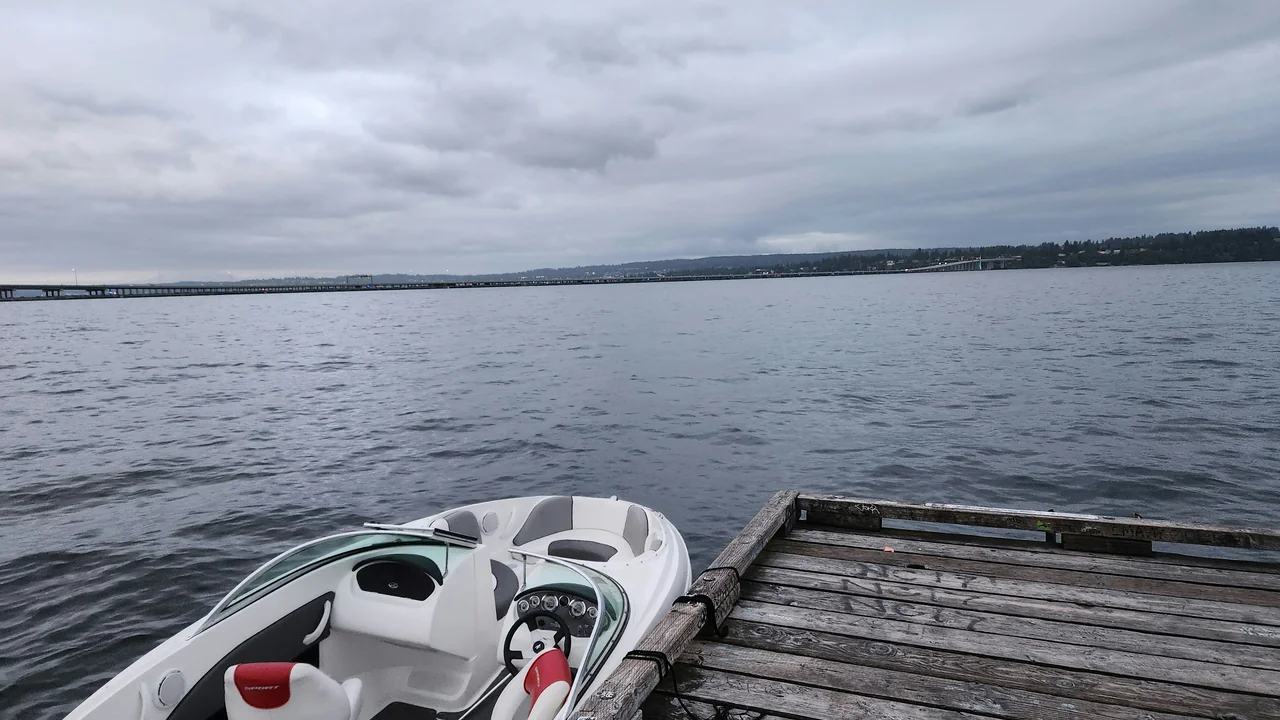
Yes, you almost certainly need a boat dock permit in Florida. The state’s stringent environmental regulations, administered primarily by the Florida Department of Environmental Protection (DEP) and your local county, require a permit for nearly any dock, pier, or shoreline structure. This guide will walk you through the specific agencies involved, the step-by-step application process, the costs you can expect, and the timeline for approval, distinguishing between the more complex coastal permitting and the simpler process for inland lakes.
Which Agency Issues Dock Permits Florida?
The permitting authority for a boat dock in Florida is not a single entity but a layered system. For most projects, you will need approval from at least two, and sometimes three, separate agencies. Understanding which agencies have jurisdiction over your specific property is the first critical step.
Florida Department of Environmental Protection (DEP)
The Florida DEP is the primary state agency responsible for regulating construction in, on, or over state waters. This includes all tidal waters (coastal areas, bays, and rivers subject to tides) and most freshwater lakes and rivers that are considered “sovereign submerged lands.” Under Part IV of Chapter 373, Florida Statutes, the DEP issues an Environmental Resource Permit (ERP) for any dock or pier that affects wetlands or surface waters. For most residential docks, the DEP has delegated this permitting authority to the state’s five Water Management Districts (Northwest Florida, Suwannee River, St. Johns River, Southwest Florida, and South Florida). Your application will be processed by the specific Water Management District covering your county.
County and Local Government
In addition to the state-level DEP or Water Management District permit, your local county government will almost certainly require a separate permit for dock construction. This permit typically verifies that your dock meets local zoning codes, setback requirements, and building standards. Counties often have their own specific regulations regarding dock length, width, and configuration. For example, in Pinellas County, you must apply for a “Shoreline Permit” through the county’s Environmental Management division, which often runs concurrently with the state ERP process. Failing to secure a local county dock permit can result in stop-work orders and fines, even if you have state approval.
U.S. Army Corps of Engineers (USACE)
The U.S. Army Corps of Engineers becomes involved when your dock is located in “navigable waters of the United States,” which includes most coastal waters, large rivers, and lakes connected to interstate commerce. Under Section 10 of the Rivers and Harbors Act and Section 404 of the Clean Water Act, you may need a USACE permit if your dock involves dredging, filling, or permanent structures in navigable waters. For typical single-family residential docks in coastal Florida, the USACE often has a “Nationwide Permit” (NWP) process, most commonly NWP 14 for linear transportation projects. However, if your dock is in a designated “Outstanding Florida Water” or near a seagrass bed, the USACE may require an Individual Permit, which is a longer and more expensive process.
Coastal Dock Permit vs. Inland Lake Dock Permit in Florida
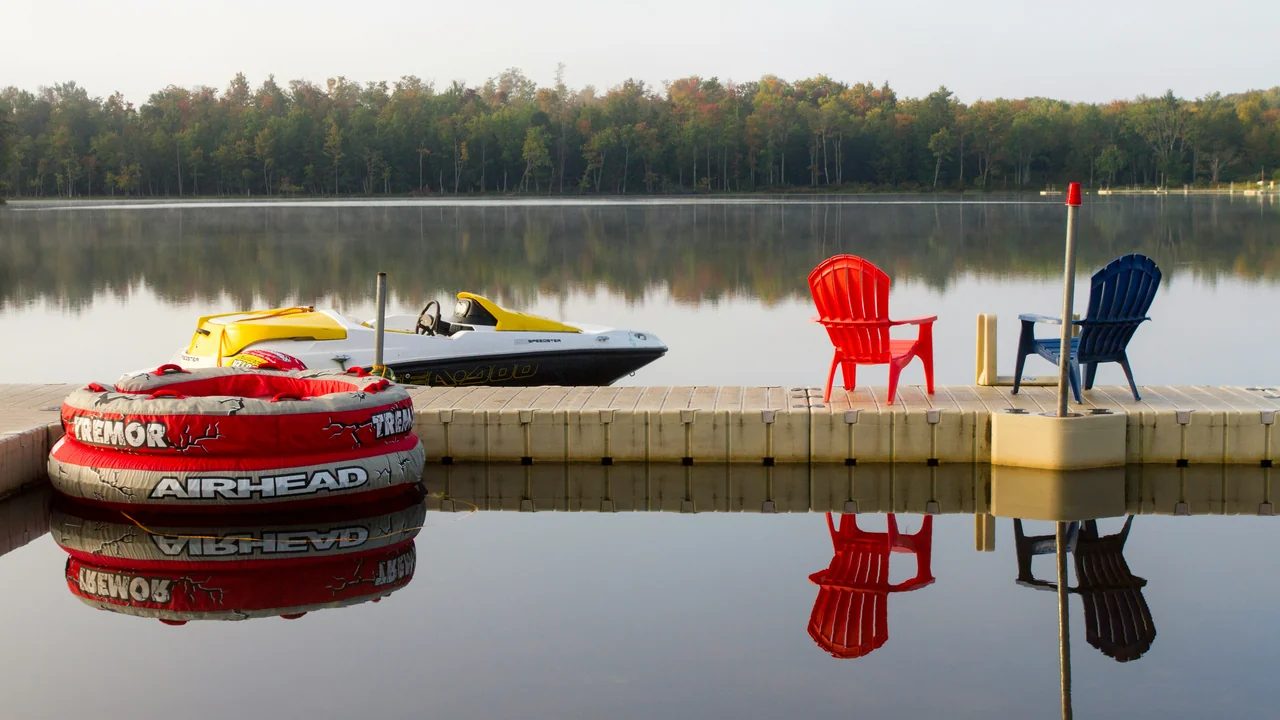
The most significant distinction in Florida dock permitting is between coastal (saltwater) and inland lake (freshwater) projects. The regulatory burden, cost, and timeline differ dramatically based on this single factor.
Coastal Dock Permits: Higher Scrutiny and More Agencies
A coastal dock permit in Florida is the most complex type to obtain. This is due to the presence of sensitive habitats like seagrass beds, mangroves, and salt marshes, which are protected under both state and federal law. For a coastal dock, you are almost guaranteed to need a permit from the Florida DEP (or Water Management District), your local county, and the USACE. The USACE involvement is nearly universal for any structure extending into tidal waters. Additionally, coastal projects are subject to the “Manatee Zone” regulations, which may require specific dock designs to avoid manatee entrapment. The DEP’s “Submerged Lands Lease” is also a requirement for docks on sovereign submerged lands in coastal areas, adding another layer of paperwork and annual fees. Expect the entire process for a coastal dock to take 6 to 12 months or longer, with costs ranging from $2,000 to $10,000 or more, depending on environmental studies needed.
Inland Lake Dock Permits: A Simpler Path
For a boat dock on an inland lake in Florida (like Lake Okeechobee, Lake George, or a private lake), the permitting process is generally simpler and faster. In many cases, the primary permit is from your local county, often through a “dock exemption” or “dock permit” that adheres to county-specific size and setback rules. If your lake is not a sovereign submerged land (i.e., it is a man-made lake or a lake wholly within private property), you may not need a DEP permit at all. However, if your lake is connected to a navigable waterway or is a natural lake designated as sovereign, you will still need a DEP ERP. The USACE is rarely involved for inland lakes unless the lake is directly connected to a major river system. The timeline for an inland lake dock permit is typically 4 to 8 weeks, with costs generally under $1,000 for the county permit alone.
| Feature | Coastal Dock (Saltwater) | Inland Lake Dock (Freshwater) |
|---|---|---|
| Primary Agency | DEP + County + USACE | County (often primary) |
| USACE Involvement | Almost always required | Rare, unless connected to navigable river |
| Environmental Studies | Seagrass survey, manatee assessment | Usually minimal or none |
| Typical Timeline | 6–12 months | 4–8 weeks |
| Estimated Cost | $2,000 – $10,000+ | $500 – $1,500 |
| Submerged Lands Lease | Required (annual fee) | Often not required |
Step-by-Step Process for a Boat Dock Permit in Florida
Navigating the permitting process requires a systematic approach. Missing a single step can delay your project by months. Here is the recommended order of operations.
Determine Jurisdiction
Visit your county’s environmental or building department website. Identify if your property is in a coastal, wetland, or inland lake zone. This will tell you which agencies (DEP, Water Management District, USACE) have authority.
Pre-Application Meeting
Schedule a pre-application meeting with your county permitting office. Many counties offer free or low-cost consultations where they review your site plan and advise on specific requirements. This step can save you significant time and money.
Gather Site Information
You will need a property survey showing the mean high-water line, a site plan of the proposed dock (including dimensions, orientation, and materials), and a legal description of the property. For coastal projects, a seagrass survey and manatee assessment may be required by the DEP or USACE.
Submit Application(s)
Submit the permit application to the lead agency first (usually the DEP or Water Management District for state waters, or the county for inland lakes). For coastal projects, you may need to submit to the DEP and USACE concurrently. Pay the application fees.
Review & Public Notice
Agency staff will review your application for environmental impact, compliance with setback rules, and consistency with local plans. For coastal permits, a public notice period (typically 30 days) may be required, during which neighbors and environmental groups can comment.
Permit Issuance & Construction
Once approved, you will receive your permit. You must display the permit on-site during construction. Adhere strictly to the approved plans, as any deviation can result in permit revocation. After construction, a final inspection by the county may be required.
Size Limits and Setback Rules for Florida Docks
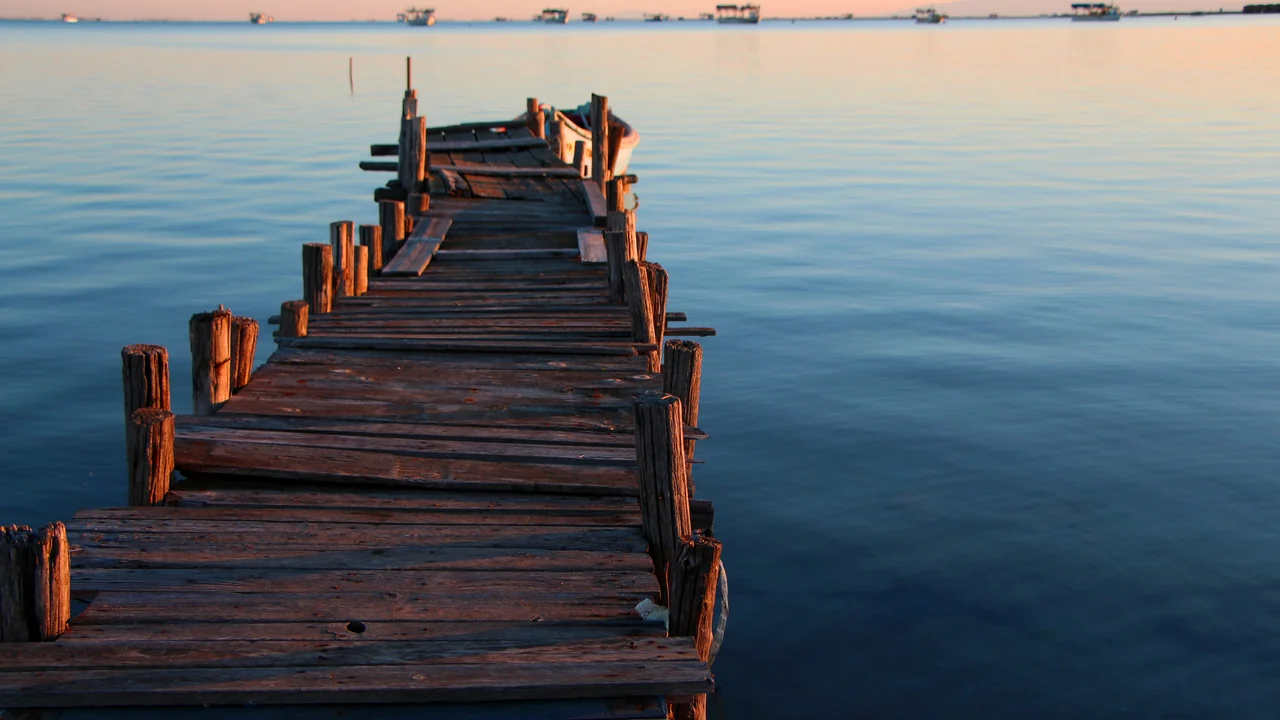
Florida has specific size limits and setback rules that govern dock construction. These vary by county and water body, but some general state-level guidelines apply. Understanding these limits is crucial before you design your dock.
Maximum Dock Length and Width
The Florida DEP generally limits residential docks to a maximum length of 500 feet from the mean high-water line, though many counties impose stricter limits (e.g., 100 feet in some coastal communities). The width of a single-pier dock is typically limited to 4 feet, while a T-head or L-head platform can be up to 10 feet wide. The total square footage of the dock platform (including the T-head) is often capped at 200–400 square feet, depending on the water body. For example, in the Florida Keys, the total impervious surface area of a dock is strictly limited to minimize environmental impact.
Setback Requirements
Setbacks are measured from your property line and from adjacent structures. Common setback rules include:
- Side-yard setback: Typically 10–25 feet from your property line to the nearest part of the dock.
- Waterward setback: The dock cannot extend beyond a designated “dock limit line” or “channel line” established by the county or Water Management District.
- Setback from seagrass: Docks must be designed to avoid shading seagrass beds. A minimum 10-foot buffer is often required.
- Setback from mangroves: In coastal areas, docks must be at least 15 feet from mangrove fringe lines to allow for natural growth.
Hurricane Considerations for Florida Dock Permits
Given Florida’s vulnerability to hurricanes, your dock permit application must address storm resilience. The Florida Building Code (FBC) includes specific requirements for docks and piers in high-velocity hurricane zones (mostly coastal areas). These requirements can significantly affect your design and material choices. For instance, docks in these zones often require deeper pilings (driven to a specific depth) and heavier-duty hardware to withstand wave action and storm surge. Your permit application must include engineering calculations demonstrating the dock’s ability to withstand hurricane-force winds and water loads. Additionally, some counties require “breakaway” sections in dock designs to allow debris to pass through during a storm, reducing structural damage. Failing to meet these hurricane resilience standards is a common reason for permit denial in coastal Florida.
Summary and Action Plan for Your Florida Dock Permit
Securing a boat dock permit in Florida requires a clear understanding of your property’s location—coastal or inland—and the corresponding agency hierarchy. For most projects, you will start with your county permitting office, then coordinate with the Florida DEP (or Water Management District) and, for coastal sites, the USACE. The most important action you can take today is to visit your county’s environmental permitting website and identify the specific application type you need. For coastal properties, budget for a longer timeline (6–12 months) and higher costs due to environmental studies. For inland lakes, the process is generally faster and cheaper, but still requires a county permit.
Frequently Asked Questions
Do I need a permit for a dock in Florida?
Yes, a permit is almost always required for any dock, pier, or shoreline structure in Florida. The specific permits needed depend on your property’s location—coastal areas require permits from the Florida DEP, your county, and often the U.S. Army Corps of Engineers, while inland lakes may only need a county permit. Even for a small, temporary dock, you must verify with your local county building department, as unpermitted construction can lead to fines and removal orders.
Is a coastal dock permit harder than a lake dock permit in Florida?
Yes, a coastal dock permit is significantly harder and more expensive to obtain than a lake dock permit in Florida. Coastal projects involve multiple agencies (DEP, county, USACE), require environmental studies for seagrass and manatees, and are subject to stricter hurricane resilience standards. In contrast, inland lake dock permits are typically handled by the county alone, with fewer environmental hurdles and a much faster timeline of 4 to 8 weeks compared to 6 to 12 months for coastal docks.
How much does a Florida dock permit cost?
The cost of a Florida dock permit varies widely based on location and complexity. For a simple inland lake dock, a county permit may cost between $200 and $500, with total project costs under $1,500. For a coastal dock, you should budget $2,000 to $10,000 or more, which includes application fees for the DEP (typically $300–$600), the county ($100–$500), the USACE (often free for Nationwide Permits but can be $1,000+ for Individual Permits), and necessary environmental studies like seagrass surveys ($500–$2,000).
Last updated: July 02, 2026
- Florida Department of Environmental Protection (DEP) – Environmental Resource Permitting
- U.S. Army Corps of Engineers, Jacksonville District – Regulatory Division
- Florida Statutes Chapter 373, Part IV

Dock Permit Guide
DockPermitGuide editor covering boat dock and pier permit requirements, costs, and regulations across the United States, Canada & Australia.