
Lake Conroe Dock Permit: SJRA Rules & How to Apply (2026)
 8 min read
1,492 words
8 min read
1,492 words
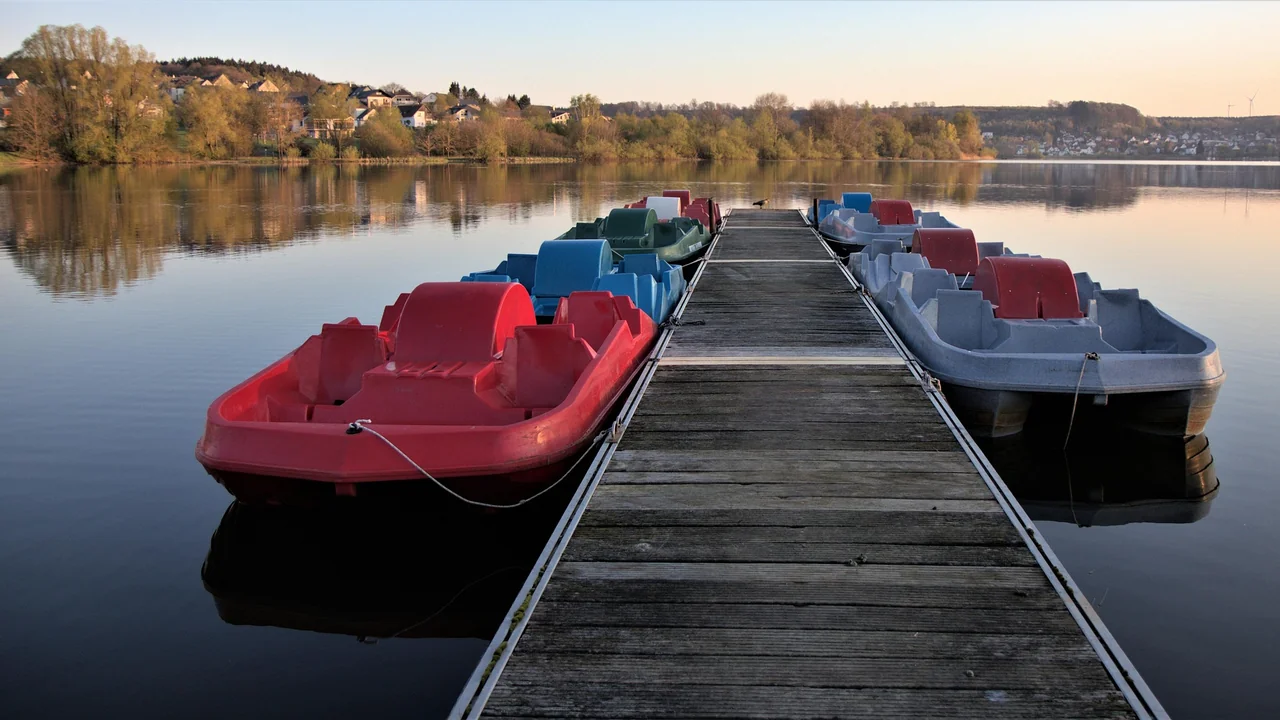
If you own lakefront property on Lake Conroe, you absolutely need a dock permit Lake Conroe before building any dock, pier, or boathouse. The San Jacinto River Authority (SJRA) is the sole agency controlling all residential dock construction on the lake. This guide walks you through the SJRA permit process, size limits, setback rules, costs, and timelines so you know exactly what to expect for your project.
Which Agency Issues Dock Permits on Lake Conroe?
The SJRA dock permit is your primary approval. The San Jacinto River Authority manages all permitting for private docks, piers, boathouses, and shoreline modifications on Lake Conroe. Unlike other Texas lakes where the Lower Colorado River Authority (LCRA) holds jurisdiction — such as on Lake Travis — Lake Conroe falls under SJRA’s regulatory authority.
In addition to SJRA, you may also need approval from the U.S. Army Corps of Engineers (USACE) if your dock extends into federally navigable waters or involves dredging. The Army Corps of Engineers Dock Permit: Section 404 Guide (2026) explains when that federal permit becomes necessary.
SJRA vs. USACE Jurisdiction on Lake Conroe
SJRA handles all lake-specific rules, including dock dimensions, setbacks, and bulkhead requirements. USACE only gets involved if your project impacts wetlands or requires excavation below the ordinary high-water mark. For most standard residential docks on Lake Conroe, the SJRA permit is sufficient.
How to Apply for an SJRA Dock Permit
The SJRA residential dock permit process follows a straightforward series of steps. SJRA requires a completed application package with site plans, property surveys, and proof of ownership.
Review SJRA’s Lake Conroe Dock Rules (available on their website) to confirm your proposed dock meets all size and setback requirements before you pay any fees.
Gather a recent property survey, detailed dock plans (drawn to scale), and a site plan showing distances to property lines and neighboring docks.
File the completed application with the required fee at the SJRA Conroe office or through their online portal. Include all supporting documents.
SJRA staff review your plans for compliance. A field inspection may be conducted to verify existing conditions. You’ll receive an approval or a list of revisions needed.
Once approved, build your dock within the permit validity period (typically 12 months). A final inspection ensures the dock matches the approved plans.
What Are the Lake Conroe Dock Rules for Size and Setbacks?
The Lake Conroe dock rules specify strict dimensional limits. SJRA enforces these to maintain navigational safety and protect shoreline aesthetics.
| Dock Feature | Maximum Allowed |
|---|---|
| Total dock length from shoreline | 40 feet |
| Dock width | 6 feet (single slip) |
| Maximum number of boat slips | 2 per lot |
| Covered area (boathouse or canopy) | No more than 50% of dock surface |
| Height above normal pool | Maximum 10 feet at the outer end |
Setback Requirements You Must Follow
Setbacks are measured from the property line and the ordinary high-water mark. The Lake Conroe dock setback rules include:
- Side property line setback: Minimum 10 feet from the dock’s outer edge to the property line.
- Front setback (shoreline to dock start): Dock must begin at or behind the ordinary high-water mark.
- Distance from neighboring docks: At least 20 feet of open water between your dock and any adjacent dock.
- Channel clearance: Docks must not extend into designated navigation channels.
What Are the Lake Conroe Boathouse Rules?
The Lake Conroe boathouse rules are more restrictive than those for open docks. SJRA permits covered boat slips but with specific limitations.
A boathouse on Lake Conroe is defined as a roofed structure over one or more boat slips. The roof must be open on at least two sides (no full enclosure). Enclosed boathouses with walls are prohibited.
| Boathouse Feature | Requirement |
|---|---|
| Roof coverage | Maximum 50% of total dock area |
| Roof height | Minimum 7 feet above normal pool |
| Enclosure | Open on at least two sides; no walls or screens |
| Electrical | Must meet NEC codes; GFCI outlets required |
| Lighting | Shielded to prevent glare across the lake |
If you are considering a swim platform attached to your dock, note that SJRA treats swim platforms as part of the dock structure. They count toward your total dock footprint. The Swim Platform and Swim Raft Permit Requirements (2026 Guide) provides additional detail on separate raft permits.
Do I Need a Bulkhead on Lake Conroe?
SJRA requires a bulkhead or seawall for docks that extend more than 20 feet from the shoreline. The bulkhead must be constructed of treated timber, concrete, or vinyl sheet piling. Its purpose is to prevent shoreline erosion and maintain a stable bank.
Bulkhead specifications under SJRA rules include:
- Must be built landward of the ordinary high-water mark unless a variance is granted.
- Height cannot exceed 4 feet above the natural grade.
- Requires a separate SJRA permit if it involves excavation or fill.
How Much Does a Dock Permit Cost on Lake Conroe?
The cost of an SJRA dock permit varies by project scope. Below are the standard fees as of 2026.
| Cost Item | Amount |
|---|---|
| SJRA permit application fee (residential) | $250 |
| Field inspection fee | $150 |
| Engineer stamp (required) | $500 – $1,500 |
| USACE permit (if needed) | $100 – $500 |
| Total estimated permit cost | $900 – $2,400 |
For a full breakdown of construction costs beyond permits, see How Much Does a Boat Dock Cost in 2026? Complete Price Guide. On Lake Conroe, a basic 6×40-foot dock with one covered slip typically runs $15,000–$30,000 installed, depending on materials and water depth.
Timeline for SJRA Permit Approval
Processing time for an SJRA dock permit averages 4 to 8 weeks from the date of a complete application. Delays occur if plans are incomplete, setbacks are miscalculated, or if USACE review is required. Plan for a 10-week total timeline if your project needs both SJRA and USACE approvals.
Summary: Your Action Plan for a Lake Conroe Dock Permit
Start by contacting the SJRA permitting department directly. Their office at 2373 Highway 105 West, Conroe, TX 77304, can provide the latest application forms and fee schedule. Review the dimensional rules carefully — especially setbacks and boathouse restrictions — before hiring an engineer. Submit your complete package early to avoid summer backlogs when demand peaks.
If your project involves any shoreline modification or dredging, simultaneously contact the USACE Galveston District to determine if a Section 404 permit is required. Following this order will save you time and prevent enforcement actions.
Frequently Asked Questions
Do I need an SJRA permit for a dock on Lake Conroe?
Yes, any dock, pier, boathouse, or swim platform built on Lake Conroe requires a permit from the San Jacinto River Authority. SJRA enforces all lake-specific rules including size limits, setbacks, and bulkhead requirements. Building without a permit can result in fines up to $5,000 per day and forced removal of the structure.
How much does a dock cost on Lake Conroe?
A standard residential dock on Lake Conroe typically costs between $15,000 and $30,000 installed. This price includes materials, labor, and the SJRA permit fees (around $400–$900). Adding a covered boathouse or deeper water piles can increase the cost to $40,000 or more. For a detailed cost breakdown, refer to the complete dock pricing guide.
Can I build a boathouse on Lake Conroe?
Yes, but with restrictions. SJRA permits covered boathouses only if the roof covers no more than 50% of the total dock area. The structure must be open on at least two sides — fully enclosed boathouses are prohibited. The roof height must be at least 7 feet above normal pool level to allow boat clearance.
What are Lake Conroe dock setback rules?
Lake Conroe requires a minimum 10-foot side property line setback from the dock’s outer edge. The dock must begin at or behind the ordinary high-water mark. A 20-foot clearance is required between your dock and any neighboring dock. Docks cannot extend into designated navigation channels. Corner lots may have different setback requirements and require SJRA pre-approval.
Last updated: July 02, 2026
- San Jacinto River Authority – Lake Conroe Dock Rules and Permits
- Texas Water Code – Chapter 11 (Water Rights and Permits)

Dock Permit Guide
DockPermitGuide editor covering boat dock and pier permit requirements, costs, and regulations across the United States, Canada & Australia.