
Lake Oconee Dock Permit: Georgia Power Rules & How to Apply (2026)
 10 min read
1,940 words
10 min read
1,940 words
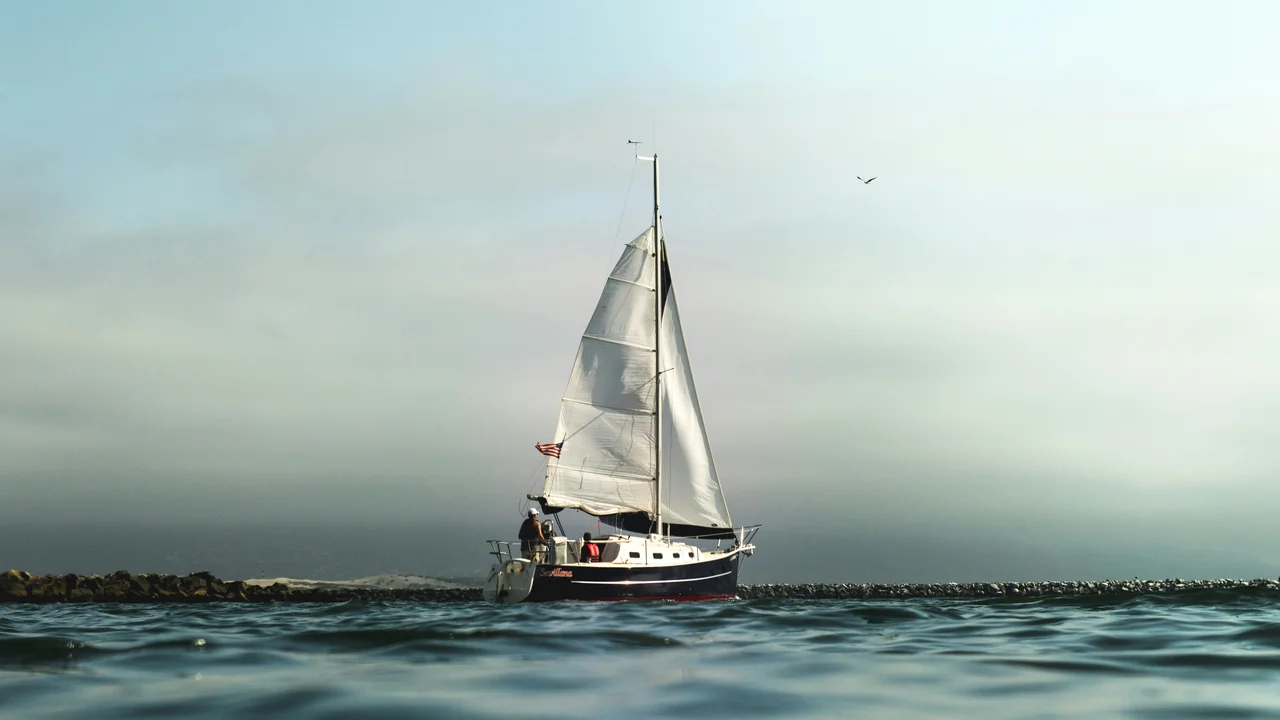
Yes, a dock permit is required for any dock, pier, or boathouse construction on Lake Oconee, and the permitting authority is Georgia Power Company, not a state or county agency. Lake Oconee is a hydroelectric reservoir owned and operated by Georgia Power, which means every shoreline modification—from a simple fishing pier to a covered boat dock—must be approved under their Shoreline Management Program. In this guide, you will learn exactly which agency issues permits, what the application process looks like, how much permits cost, how long approval takes, and the specific size and design rules that apply to Lake Oconee docks. Whether you are building a new dock or replacing an existing structure, understanding Georgia Power’s requirements is the first step to a smooth project.
Unlike lakes managed by the U.S. Army Corps of Engineers or state parks, Lake Oconee is a private power reservoir owned by Georgia Power Company. This means Georgia Power is the sole permitting authority for all docks, piers, boat ramps, and shoreline structures on the lake. The company operates under a Shoreline Management Plan (SMP) approved by the Federal Energy Regulatory Commission (FERC), which governs how the shoreline can be used and developed.
Georgia Power’s Role in Dock Permitting
Georgia Power’s Real Estate and Shoreline Management division handles all dock permit applications. They enforce strict rules on dock size, placement, construction materials, and environmental impact. The company conducts site inspections, reviews engineering plans, and issues the final permit. No other local or state agency issues a separate dock permit for Lake Oconee, though you may need a building permit from the county for the land-based portion of your property.
Lake Oconee Dock Rules: What Georgia Power Allows
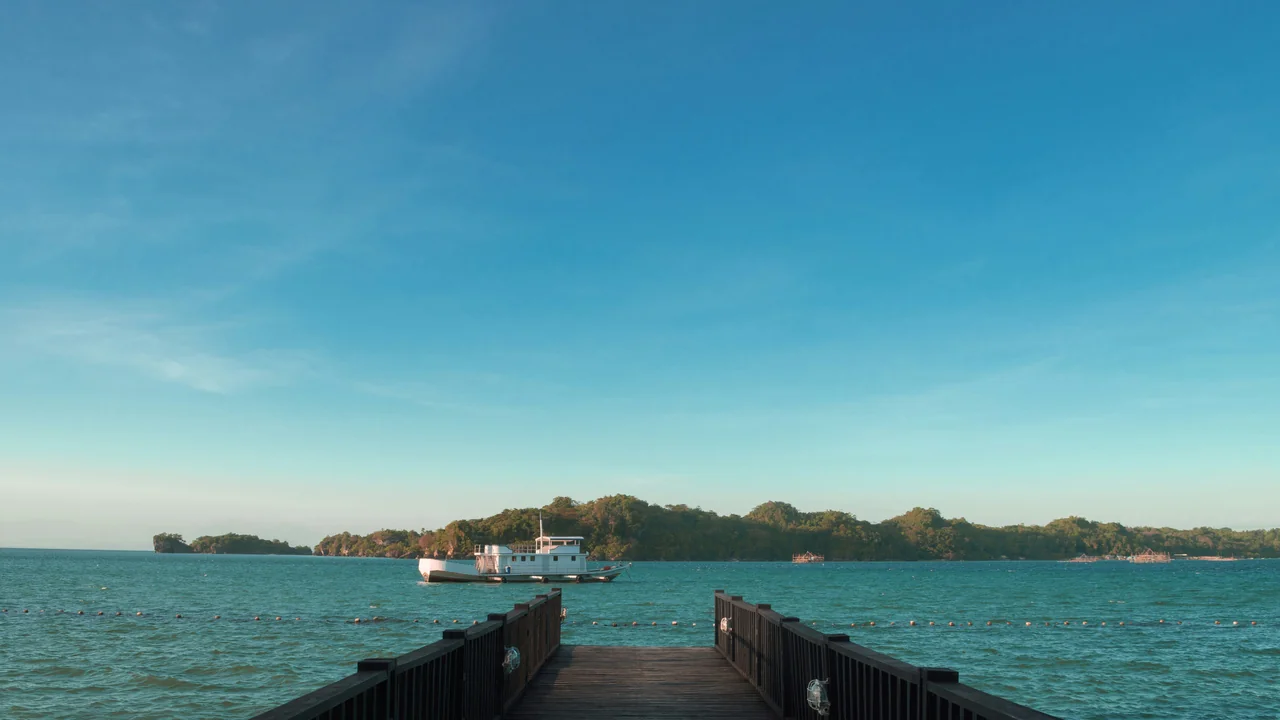
Georgia Power’s Shoreline Management Plan imposes clear limits on dock size, height, and design. These rules apply to all residential docks on Lake Oconee, whether you are on a private lot or within a community development. Understanding these rules before you apply will save you time and prevent costly redesigns.
Dock Size Limits on Lake Oconee
The maximum allowable dock size depends on the length of your shoreline frontage. For standard residential lots, Georgia Power generally permits a dock that does not exceed 10 feet in width and extends no more than 40 feet from the shoreline. The total deck area is capped at 400 square feet. If your lot has less than 100 feet of shoreline frontage, the dock width may be reduced proportionally.
| Shoreline Frontage | Maximum Dock Width | Maximum Dock Length | Maximum Deck Area |
|---|---|---|---|
| 100+ feet | 10 feet | 40 feet | 400 sq ft |
| 50–99 feet | 8 feet | 35 feet | 280 sq ft |
| Under 50 feet | 6 feet | 30 feet | 180 sq ft |
Covered Dock Rules for Lake Oconee
Covered docks, including boathouses with roofs, are permitted on Lake Oconee but with specific restrictions. Georgia Power allows a covered area of up to 50% of the total dock footprint. The roof height cannot exceed 12 feet above the normal pool elevation, and the structure must maintain a minimum setback of 10 feet from the property line on the water. Covered docks must also use materials that blend with the natural shoreline environment.
How to Apply for a Georgia Power Dock Permit on Lake Oconee
The application process for a Lake Oconee dock permit is managed entirely through Georgia Power’s online portal or by contacting their Shoreline Management office. The process involves several steps, from initial consultation to final approval. Plan for a timeline of 6 to 12 weeks from application submission to permit issuance.
Submit Pre-Application Inquiry
Contact Georgia Power’s Shoreline Management team to confirm your property’s eligibility and discuss preliminary design ideas. This step helps identify potential issues early.
Complete the Dock Permit Application
Fill out the official application form, which includes property details, shoreline frontage measurements, and a description of the proposed dock structure. You can download the form from the Georgia Power website.
Submit Site Plan and Drawings
Provide a scaled site plan showing dock dimensions, location relative to property lines, water depth, and any existing structures. Professional drawings are recommended but not always required for simple docks.
Pay the Application Fee
Include the non-refundable application fee with your submission. Fees vary by dock type and size, typically ranging from $150 to $500.
Await Site Inspection and Approval
Georgia Power will schedule a site inspection to verify conditions. Once approved, you will receive a permit document outlining construction requirements and expiration dates.
Community vs. Individual Dock Permits on Lake Oconee
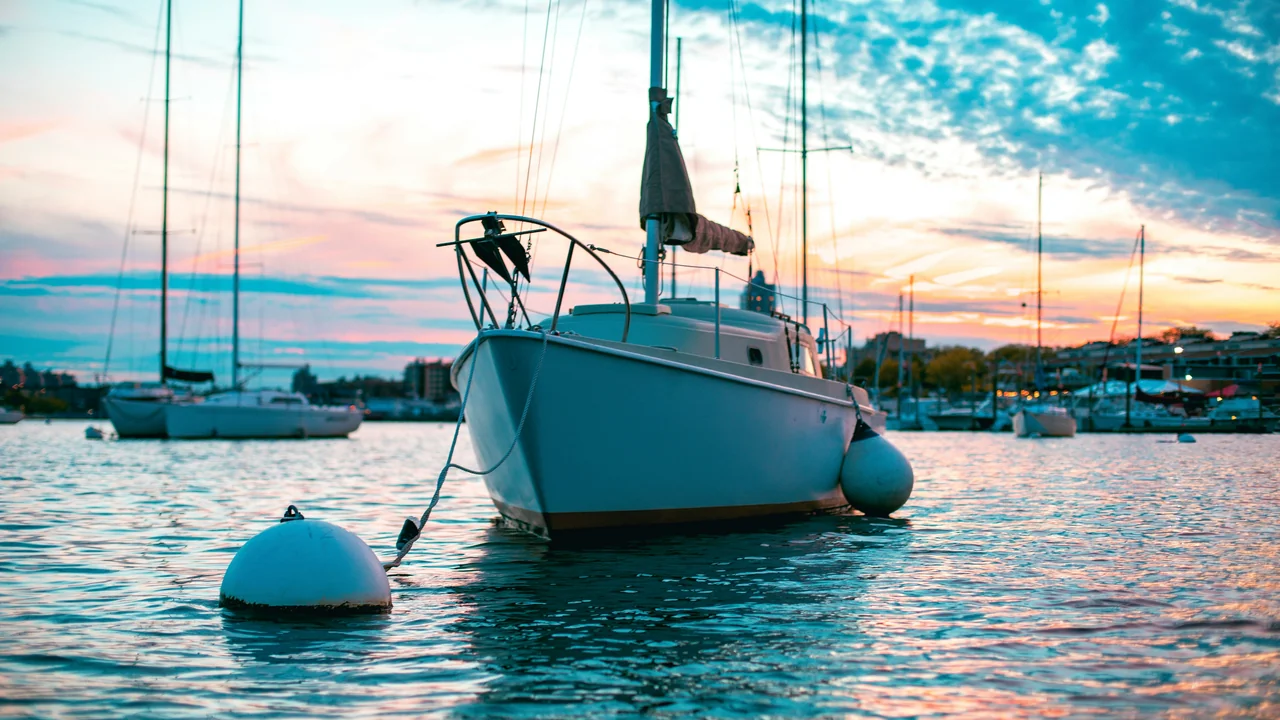
Lake Oconee has a mix of individual lots and community developments, such as those within Reynolds Lake Oconee or other gated communities. The permitting process differs slightly depending on whether you own an individual lot or are part of a homeowners association (HOA).
Individual Dock Permits
If you own a single-family lot with direct shoreline access, you apply directly to Georgia Power for an individual dock permit. You are responsible for all application fees, inspections, and compliance with the Shoreline Management Plan. The permit is tied to your specific property and cannot be transferred to a new owner without Georgia Power’s approval.
Community Dock Permits
In community developments, the HOA often holds a master permit for shared docks and common areas. Individual homeowners within the community may still need a separate permit for a private dock on their lot, but the HOA’s master permit covers shared structures like community boat ramps and fishing piers. Check with your HOA before applying, as some communities have additional architectural guidelines that exceed Georgia Power’s requirements.
Individual Permit Pros
- Full control over dock design
- No HOA approval delays
- Direct relationship with Georgia Power
Community Permit Pros
- Shared cost for common structures
- HOA handles permitting logistics
- Consistent neighborhood aesthetics
Lake Oconee Boat Dock Cost: Fees and Construction Expenses
The cost of a dock on Lake Oconee involves two main components: the Georgia Power permit fees and the actual construction costs. Understanding both will help you budget accurately for your project.
Georgia Power Permit Fees for Lake Oconee Docks
Georgia Power charges a non-refundable application fee for dock permits. As of 2026, the standard fee for a residential dock permit is $250. If you need a variance from the Shoreline Management Plan—for example, a larger dock due to unusual shoreline conditions—the fee increases to $500. There is also an annual rental fee for the use of the lake bottom, which is typically $100 to $200 per year, billed directly by Georgia Power.
Construction Costs for Lake Oconee Docks
The cost to build a dock on Lake Oconee varies widely based on size, materials, and complexity. A simple wooden fishing pier may cost $5,000 to $10,000, while a large covered dock with a boat lift and aluminum framing can exceed $50,000. For a more detailed breakdown, refer to our How Much Does a Boat Dock Cost in 2026? Complete Price Guide, which covers material options, labor rates, and regional cost differences.
| Dock Type | Estimated Cost Range | Key Factors |
|---|---|---|
| Basic wooden fishing pier | $5,000 – $12,000 | Pressure-treated wood, no roof |
| Standard aluminum dock | $10,000 – $25,000 | Low maintenance, modular |
| Covered boathouse with lift | $25,000 – $55,000 | Roof, boat lift, electrical |
| Custom luxury dock | $40,000 – $80,000+ | Composite decking, lighting, seating |
Environmental and Regulatory Considerations
Because Lake Oconee is a FERC-regulated reservoir, Georgia Power must ensure that dock construction does not harm water quality, fish habitat, or shoreline vegetation. The Shoreline Management Plan includes buffer zones and restrictions on dredging and vegetation removal. If your dock project involves any excavation or filling below the ordinary high-water mark, you may also need a permit from the U.S. Army Corps of Engineers under Section 404 of the Clean Water Act. Our Army Corps of Engineers Dock Permit: Section 404 Guide (2026) explains when this federal permit is required.
Summary: Your Action Plan for a Lake Oconee Dock Permit
Getting a dock permit for Lake Oconee requires working directly with Georgia Power Company under their Shoreline Management Plan. Start by calling the Shoreline Management office to discuss your property and design ideas. Submit a complete application with site plans and fees, then allow 6 to 12 weeks for processing. Remember that covered docks are allowed but limited to 50% coverage, and annual rental fees apply. For comparison, similar permitting processes exist on other utility-owned lakes, such as the Lake Travis Dock Permit: Rules, Costs & How to Apply (2026) managed by LCRA, or the Lake Minnetonka Dock Permit: MCWD Rules & How to Apply (2026) for a different regulatory framework. If you are adding a swim platform or raft to your dock, check our Swim Platform and Swim Raft Permit Requirements (2026 Guide) for additional rules. Contact Georgia Power first to confirm your specific requirements before hiring a contractor.
Frequently Asked Questions
Do I need a Georgia Power permit for a dock on Lake Oconee?
Yes, you must obtain a permit from Georgia Power Company before building any dock, pier, or boathouse on Lake Oconee. Georgia Power owns and operates the lake under a FERC license, and their Shoreline Management Plan governs all shoreline construction. Building without a permit can result in fines, removal orders, and permanent loss of docking privileges.
How much does a dock cost on Lake Oconee?
The cost of a dock on Lake Oconee ranges from $5,000 for a basic wooden fishing pier to over $50,000 for a large covered boathouse with a boat lift. Georgia Power’s permit fee is $250 for a standard dock, plus an annual lake bottom rental fee of $100 to $200. Construction costs depend on materials, size, and whether you hire a professional contractor.
What are Lake Oconee dock size limits?
Lake Oconee dock size limits depend on your shoreline frontage. For lots with 100 feet or more of frontage, the maximum dock width is 10 feet, length is 40 feet, and total deck area is 400 square feet. Smaller lots have reduced limits. Covered areas are capped at 50% of the total dock footprint, and roof height cannot exceed 12 feet above normal pool elevation.
Can I build a covered dock on Lake Oconee?
Yes, covered docks are permitted on Lake Oconee, but with restrictions. The covered portion cannot exceed 50% of the total dock area, and the roof must be no taller than 12 feet above the normal pool elevation. Covered docks must be used for boat storage, and you must include a boat lift or jet ski lift in your application. Materials must blend with the natural shoreline environment.
Last updated: July 02, 2026
- Georgia Power Shoreline Management Program
- Georgia Power Lake Oconee Dock Permit Application
- Federal Energy Regulatory Commission (FERC) License for Lake Oconee

Dock Permit Guide
DockPermitGuide editor covering boat dock and pier permit requirements, costs, and regulations across the United States, Canada & Australia.