
Lake Champlain Dock Permit: Complete 2026 Guide
 11 min read
2,195 words
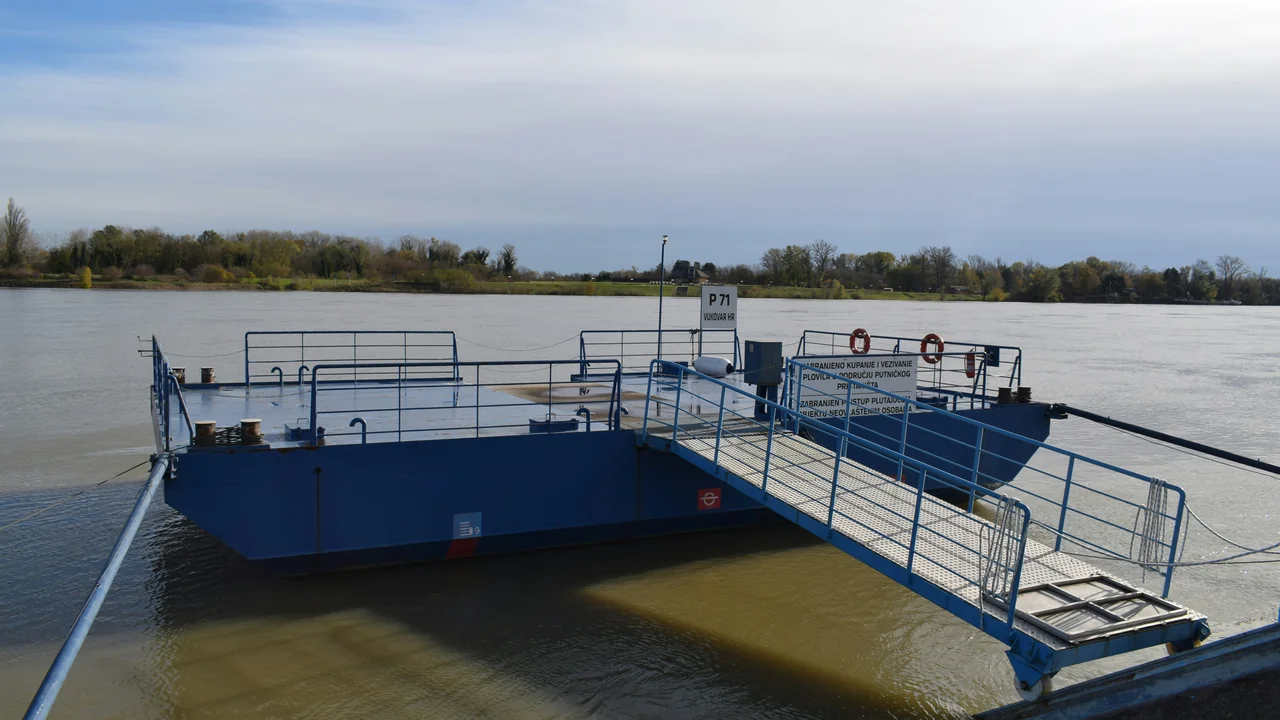
If you own property on Lake Champlain, you need a permit before building any dock, pier, or boathouse. The Lake Champlain dock permit process is split between Vermont and New York, each with its own agency, application, and fees. This guide covers the exact rules for both states, costs, timelines, and the critical invasive species regulations you must follow.
Which Agency Issues a Lake Champlain Dock Permit?
The answer depends on which side of the lake your property sits. Lake Champlain spans two states, and each has its own permitting authority. Vermont’s Agency of Natural Resources (ANR) oversees all shoreline construction, while New York’s Department of Environmental Conservation (DEC) manages the same on its side.
For Vermont property owners, the ANR’s Lake Encroachment Program handles dock permits. This program evaluates every proposed structure for its impact on public waters, navigation, and aquatic habitat. You cannot begin construction until the ANR issues a formal permit.
New York property owners must apply through the DEC’s Protection of Waters Program. This program regulates any structure that extends into navigable waters, including docks, piers, and boathouses. The DEC reviews each application for environmental impact and public access concerns.
Vermont ANR Encroachment Permit for Lake Champlain Docks
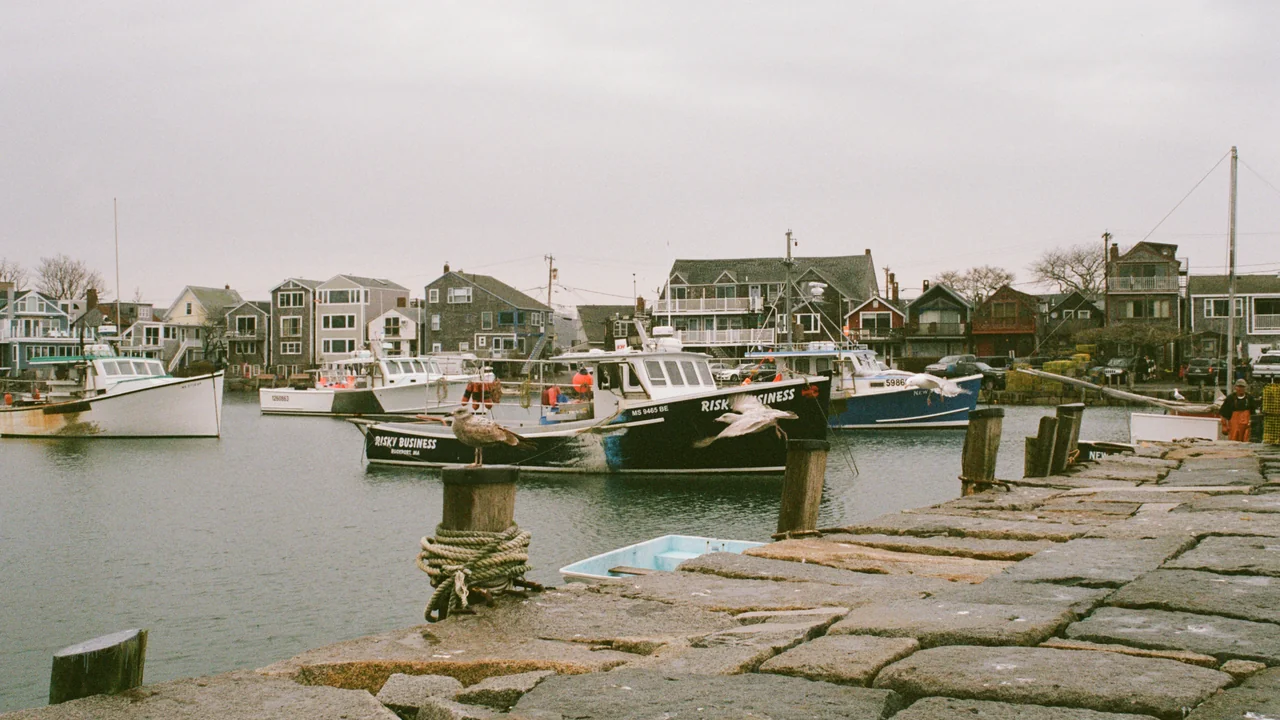
Vermont’s ANR requires a Lake Encroachment Permit for any dock, pier, boathouse, or shoreline stabilization structure on Lake Champlain. This includes floating docks, fixed piers, and seasonal docks. The permit is governed by Title 10 of Vermont Statutes and ANR rules.
What Structures Require a Vermont Lake Champlain Dock Permit?
Almost any structure that extends into the lake or alters the shoreline needs a permit. This includes:
- Floating docks and fixed piers of any size
- Boat lifts and PWC lifts attached to a dock
- Boathouses and covered slips
- Seawalls, riprap, and shoreline armoring
- Seasonal docks removed each winter
Minor repairs to an existing permitted dock may not require a new permit, but any expansion or replacement does. Always check with the ANR before starting work.
Vermont Dock Permit Application Process
Contact the ANR’s Lake Encroachment Program to discuss your project and confirm which application form you need.
Submit Form 212A or the appropriate application with site plans, property deed, and a detailed description of the proposed dock.
The ANR publishes your application for public comment. Neighbors and local groups may submit concerns.
The ANR issues a permit, a permit with conditions, or a denial. You have appeal rights if denied.
Vermont Dock Permit Fees and Timeline
The Vermont ANR charges a base application fee of $150 for most dock permits. If your project requires a public hearing or additional environmental review, fees can increase to $500 or more. Processing typically takes 30 to 60 days from the date of a complete application.
Expedited review is not available. Plan for at least 8 to 10 weeks from submission to permit issuance, especially during the busy spring and summer months.
New York DEC Protection of Waters Permit for Lake Champlain
New York’s DEC regulates all docks and piers on Lake Champlain under the Protection of Waters Program. This program requires a permit for any structure that occupies state-owned land underwater or affects navigable waters.
What Structures Require a New York Lake Champlain Dock Permit?
The DEC’s jurisdiction covers any dock, pier, boathouse, or floating platform that extends into Lake Champlain. Key structures requiring a permit include:
- Fixed piers and docks of any length
- Floating docks anchored to the lakebed
- Boat lifts and PWC lifts
- Boathouses and enclosed structures
- Seasonal docks installed each year
Minor docks under 500 square feet may qualify for a general permit, but most docks require an individual permit. Contact the DEC’s Region 5 office in Ray Brook for specific guidance.
New York Dock Permit Application Process
Use the DEC’s online permit wizard to determine if your project qualifies for a general permit or needs an individual permit.
Complete the Joint Application Form (JAF) with site plans, property survey, and a description of the proposed dock.
The DEC conducts a State Environmental Quality Review (SEQR) to assess impacts on water quality, fish habitat, and navigation.
The DEC publishes a notice and accepts public comments for 30 days before making a decision.
New York Dock Permit Fees and Timeline
The DEC’s permit fees vary by project. A general permit for a small dock costs $100, while an individual permit for a larger structure costs $500 or more. Additional fees apply for SEQR review and public hearings.
Processing times range from 45 to 90 days for individual permits. General permits may be issued in 30 days. Plan for at least 3 months from submission to approval for most dock projects.
Invasive Species Rules for Lake Champlain Docks
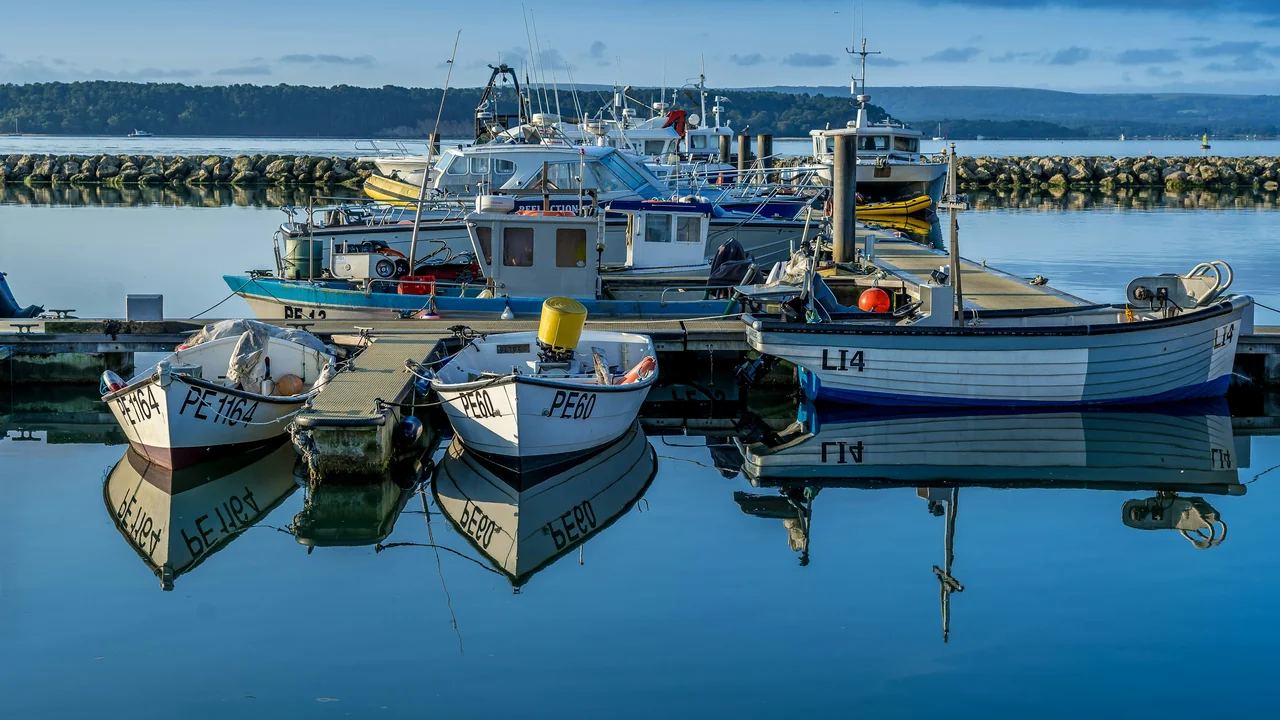
Lake Champlain faces serious threats from invasive species, particularly Eurasian watermilfoil and zebra mussels. Both Vermont and New York have strict rules to prevent their spread. Your dock permit application will be evaluated for its impact on invasive species.
In Vermont, the ANR requires a milfoil management plan for any dock project in areas known to have milfoil. You may need to install a milfoil barrier or avoid disturbing infested areas during construction. Failure to comply can result in permit denial or revocation.
New York’s DEC also requires invasive species prevention measures. You must clean and dry all equipment before moving it between waterbodies. The DEC may require a pre-construction survey for milfoil and other invasive plants.
Popular Lake Champlain Areas: Burlington, Plattsburgh, Grand Isle
Permitting requirements can vary by location within Lake Champlain. Burlington, Vermont, has its own city ordinances that may add requirements beyond the ANR permit. You must check with the Burlington Planning and Zoning Department for local dock regulations.
Plattsburgh, New York, is governed by the DEC’s Region 5 office. The city has additional setback and size restrictions for docks in the Plattsburgh Bay area. Contact the City of Plattsburgh Code Enforcement for local rules.
Grand Isle, Vermont, is a popular area for lakefront properties. The ANR’s Lake Encroachment Program reviews all Grand Isle dock permits. Because Grand Isle is an island, the ANR may impose stricter limits on dock size and placement to protect navigation and habitat.
| Location | Permitting Agency | Local Requirements |
|---|---|---|
| Burlington, VT | Vermont ANR + City of Burlington | City zoning overlay, setback rules |
| Plattsburgh, NY | NY DEC Region 5 | City setback and size limits |
| Grand Isle, VT | Vermont ANR | Stricter navigation and habitat rules |
| South Hero, VT | Vermont ANR | Milfoil management plans required |
Bi-State Jurisdiction: Vermont vs. New York
Lake Champlain is a bi-state waterbody, meaning both Vermont and New York have jurisdiction over their respective shorelines. The border runs through the middle of the lake, so your dock’s location determines which state’s rules apply.
If your property is on the Vermont side, you deal exclusively with the Vermont ANR. If your property is on the New York side, you deal with the NY DEC. There is no joint permit process. However, the Lake Champlain Basin Program coordinates between the two states to ensure consistency.
If your dock project involves work that crosses the state line — for example, a dock near the border — you may need permits from both states. This is rare but possible. Contact both agencies early in your planning.
Cost and Timeline for a Lake Champlain Dock Permit
The total cost of a Lake Champlain dock permit varies by state and project complexity. Below is a summary of typical fees and timelines.
| Cost Component | Vermont | New York |
|---|---|---|
| Application fee | $150 | $100 – $500 |
| Public hearing fee (if required) | $200 – $500 | $200 – $500 |
| Environmental review fee | Included | $100 – $300 |
| Total estimated cost | $150 – $650 | $200 – $1,300 |
| Processing time | 30 – 60 days | 45 – 90 days |
These fees cover only the permit application. You will also need to pay for a surveyor, engineer, or contractor to prepare site plans and drawings. Budget an additional $500 to $2,000 for professional services.
Timelines can extend during peak season (April through October). Submit your application in winter or early spring to avoid delays. The ANR and DEC both recommend applying at least 3 months before you plan to build.
Summary: Your Next Steps for a Lake Champlain Dock Permit
Start your Lake Champlain dock permit process by identifying which state regulates your property. If you are in Vermont, contact the ANR’s Lake Encroachment Program. If you are in New York, contact the DEC’s Region 5 office. Do not start construction without a permit.
Prepare your application with a complete site plan, property survey, and a clear description of your proposed dock. Include a milfoil management plan if you are in an infested area. Budget for fees and professional services, and plan for a 3-month timeline.
For more permit guides on other popular lakes, read our Lake Norman Dock Permit guide and Lake of the Ozarks Dock Permit guide. If you need a separate permit for a boat lift, see our Boat Lift Permit Requirements guide.
Frequently Asked Questions
Do I need a permit for a dock on Lake Champlain?
Yes, you absolutely need a permit to build any dock, pier, boathouse, or shoreline structure on Lake Champlain. Vermont requires a Lake Encroachment Permit from the ANR, and New York requires a Protection of Waters Permit from the DEC. Building without a permit can result in fines, removal orders, and legal liability. Always secure your permit before starting construction.
Which state regulates my Lake Champlain dock?
Your dock is regulated by the state where your property is located. If your land is on the Vermont side of the lake, the Vermont ANR regulates your dock. If your land is on the New York side, the NY DEC regulates it. The state line runs through the middle of the lake, so check your property deed or survey to confirm your jurisdiction. For docks near the border, you may need permits from both states.
How much does a Lake Champlain dock permit cost?
Vermont dock permits cost between $150 and $650, depending on the need for a public hearing or additional review. New York dock permits cost between $200 and $1,300, with general permits at $100 and individual permits at $500 or more. You should also budget $500 to $2,000 for a surveyor or engineer to prepare site plans. Total costs typically range from $650 to $3,300 for most projects.
Are there invasive species rules for Lake Champlain docks?
Yes, both Vermont and New York have strict invasive species rules for Lake Champlain docks. You may need to submit a milfoil management plan if your property is in an infested area. You must also clean and dry all equipment before moving it between waterbodies. Failure to comply can delay or deny your permit. Survey your shoreline for invasive plants before applying.
Do I need a permit for a floating dock on Lake Champlain?
Yes, in most cases. Both Vermont and New York require a permit for any floating dock that is not a temporary seasonal dock under 120 square feet. Always check with the appropriate state agency before installation.
How long does a Lake Champlain dock permit last?
Vermont permits are typically valid for 10 years. New York permits are valid for the life of the structure but require notification if the dock is modified or removed. Both states require renewal if the dock is substantially altered.
Can I build a dock on Lake Champlain without a permit if it is small?
Vermont exempts docks under 120 square feet that are removed seasonally. New York exempts docks under 100 square feet that do not require dredging or fill. However, even exempt structures must comply with shoreline setback and invasive species rules.
What happens if I build a dock without a permit on Lake Champlain?
Both states treat unpermitted docks as encroachments. You may face fines up to $10,000 per day in Vermont and $5,000 per day in New York. The dock may need to be removed at your expense. Legal action can also be taken by the state attorney general.
Does the Lake Champlain Basin Program issue dock permits?
No. The LCBP is a coordinating body that provides resources and funding for water quality projects. Dock permits are issued exclusively by the Vermont ANR or the New York DEC, depending on your property’s location.
Last updated: July 16, 2026
- Vermont Agency of Natural Resources, Lake Encroachment Program
- New York State Department of Environmental Conservation, Protection of Waters Program
- Lake Champlain Basin Program
- Vermont Statutes Title 10, Chapter 49
- NYCRR Part 608, Protection of Waters

Dock Permit Guide
DockPermitGuide editor covering boat dock and pier permit requirements, costs, and regulations across the United States, Canada & Australia.