
River Dock Permit: Navigable Waterway Rules & How to Apply (2026)
 11 min read
2,031 words
11 min read
2,031 words
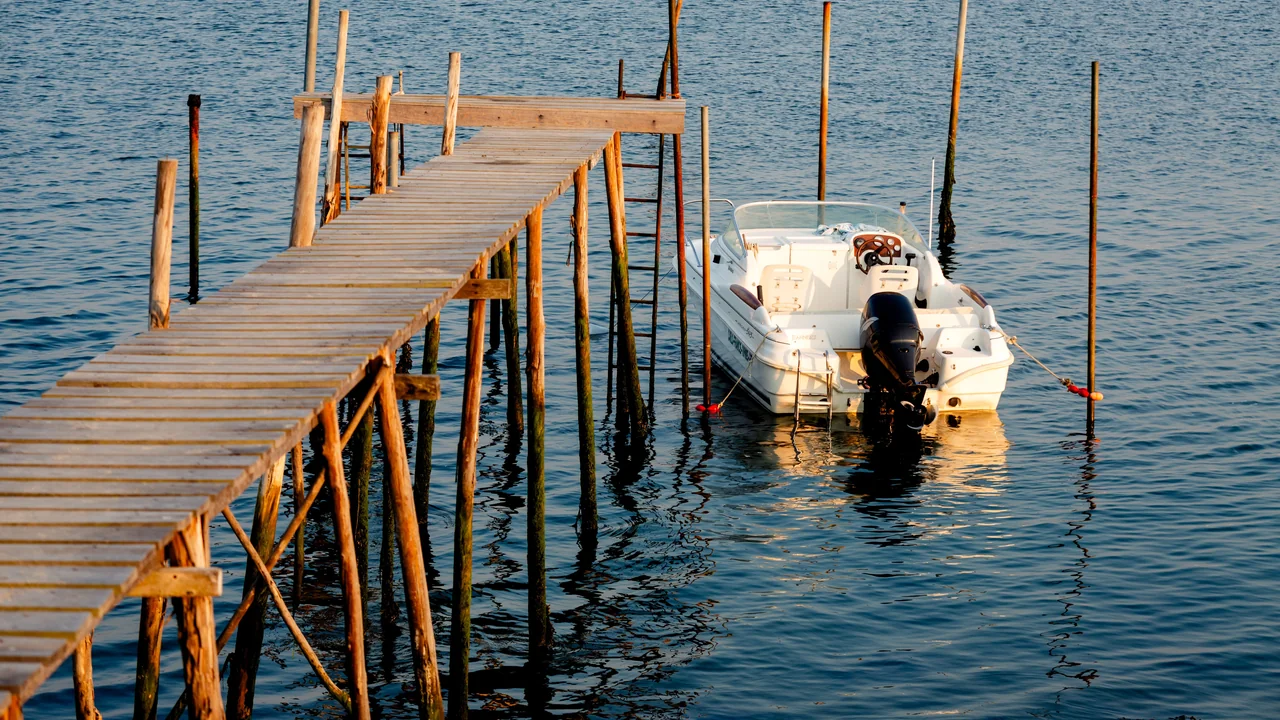
If you are planning to build a dock on a river, the first question you need to answer is whether you need a river dock permit. In almost all cases, yes—you will require a federal permit from the U.S. Army Corps of Engineers (USACE) because rivers are typically classified as navigable waterways. This guide explains the specific rules governing a navigable waterway dock permit, the difference between federal and state jurisdiction, how to apply, and what costs and timelines to expect. You will learn which agency to contact first, how river current and erosion affect your dock design, and why flood plain regulations may apply to your project.
Which Agency Issues a River Dock Permit?
The primary agency responsible for issuing a dock on river permit is the U.S. Army Corps of Engineers (USACE) under Section 10 of the Rivers and Harbors Act of 1899. Unlike lakes, where jurisdiction may be shared with state agencies, rivers that are navigable for interstate commerce fall squarely under federal authority. The USACE regulates any structure built in, over, or under a navigable waterway, including docks, piers, boat ramps, and floating structures.
Federal vs. State Jurisdiction on Rivers
While the USACE has primary jurisdiction over navigable rivers, state agencies also play a role. Most states require a separate state water quality certification (Section 401 of the Clean Water Act) or a state-level dock permit. For example, on the Mississippi River, you will need both a USACE Section 10 permit and a state permit from the Department of Natural Resources. The key distinction is that the federal permit is mandatory for any river classified as navigable, while state permits may vary by location.
Section 10 vs. Section 404 Permits for River Docks
Understanding the difference between Section 10 and Section 404 permits is critical when applying for a river dock permit. Section 10 of the Rivers and Harbors Act covers any structure or work in navigable waters, including docks, piers, and pilings. Section 404 of the Clean Water Act regulates the discharge of dredged or fill material into waters of the United States, which may apply if you need to excavate or fill the riverbed for your dock.
For most residential river docks, you will need a Section 10 permit. If your dock requires excavation for pilings or riprap for erosion control, a Section 404 permit may also be necessary. The USACE offers a Nationwide Permit (NWP) program for minor dock projects that meet specific criteria, such as limited size and minimal environmental impact. NWP 13 covers bank stabilization, and NWP 14 covers linear transportation projects, but for docks, NWP 3 (Maintenance) or an individual permit may apply.
What Makes a River Navigable for Permit Purposes?
The USACE defines a navigable waterway as any waterbody that is used, or is susceptible to being used, as a highway for interstate or foreign commerce. This definition includes rivers that were historically used for commercial navigation, even if they are now used primarily for recreation. Factors considered include depth, width, and connectivity to other navigable waters. A navigable waterway dock permit is required even if your river is not heavily trafficked by barges or large vessels.
How to Determine if Your River Is Navigable
You can check the USACE’s list of navigable waters, which is published in the Code of Federal Regulations (33 CFR Part 329). Most major rivers like the Mississippi, Missouri, Ohio, Columbia, and Tennessee are listed. Smaller tributaries may also be classified as navigable if they connect to a navigable river. If you are unsure, contact your local USACE district office. They will make a determination based on the river’s physical characteristics and historical use.
Flood Plain Considerations for River Docks
Rivers are dynamic systems with seasonal flooding. When applying for a dock on river permit, you must consider flood plain regulations. The Federal Emergency Management Agency (FEMA) regulates construction in designated flood zones. If your dock is located in a floodway (the channel of a river and adjacent areas that carry floodwaters), you may need a floodplain development permit in addition to the USACE permit.
Docks in floodways must be designed to minimize obstruction to flood flows. This typically means using open-pile construction rather than solid bulkheads, and ensuring that the dock does not reduce the flood storage capacity of the river. Some local jurisdictions require a “no-rise” certification from a licensed engineer, proving that the dock will not increase flood elevations by more than 0.00 feet.
Pros of Open-Pile Docks
- Allows floodwater to pass through
- Reduces erosion risk
- Meets FEMA floodway requirements
Cons of Open-Pile Docks
- More expensive to install
- May require deeper pilings
- Less stable in high currents
Current and Erosion Factors for River Dock Design
River currents are significantly stronger than lake currents, and this affects dock design and permitting. A river dock permit application must include a plan that addresses current velocity, scour, and erosion. The USACE and state agencies will require that your dock is designed to withstand the river’s flow without causing bank erosion or sediment disturbance.
Anchoring Restrictions on Rivers
Floating docks on rivers are subject to strict anchoring restrictions. Unlike lakes where you can use concrete blocks or helical anchors, rivers often prohibit permanent anchors that could obstruct navigation or snag debris. Many USACE districts require that floating docks be anchored using a system that allows the dock to rise and fall with water levels without dragging on the riverbed. Some rivers, particularly those with heavy barge traffic, may prohibit floating docks entirely and require fixed pile-supported structures.
Popular Rivers Requiring Dock Permits
Many popular rivers across the United States require a river dock permit from the USACE. Below is a table of well-known rivers and their specific permitting considerations.
| River Name | USACE District | Special Considerations |
|---|---|---|
| Mississippi River | St. Paul, Rock Island, St. Louis, Memphis, New Orleans | Heavy barge traffic; floating docks often prohibited; requires navigation clearance |
| Colorado River | Los Angeles, Albuquerque | Water rights issues; requires state water permit; floodway restrictions |
| Potomac River | Baltimore, Norfolk | Historical and environmental sensitivity; strict setback requirements |
| Tennessee River | Nashville, Knoxville | TVA regulates docks; requires TVA permit in addition to USACE |
| Missouri River | Kansas City, Omaha | High sedimentation; requires annual inspection of dock stability |
| Ohio River | Louisville, Huntington, Pittsburgh | Navigation channel markers must be maintained; dock must not impede barge traffic |
How to Apply for a River Dock Permit: Step-by-Step Process
Applying for a navigable waterway dock permit involves several steps. The process can take 3 to 12 months depending on the complexity of your project and whether it qualifies for a nationwide permit.
Check if your river is listed as navigable in 33 CFR Part 329. Contact your local USACE district office to confirm jurisdiction.
Determine if your dock qualifies for a Nationwide Permit (NWP) or requires an Individual Permit. Most residential docks under 500 square feet qualify for NWP 3 or a regional general permit.
Complete the USACE ENG Form 4345 (Joint Application Form). Include site plans, dock dimensions, construction materials, anchoring method, and a navigation impact statement.
If your state requires a Section 401 Water Quality Certification or a state dock permit, submit a copy of your USACE application to the state environmental agency.
For Individual Permits, the USACE will publish a public notice. Adjacent property owners and interested parties have 30 days to comment. NWP applications may not require public notice.
Once approved, you will receive a permit letter with specific conditions, including construction timelines, inspection requirements, and maintenance obligations.
How Much Does a River Dock Permit Cost?
The cost of a river dock permit varies by agency and permit type. Below is a breakdown of typical fees.
| Permit Type | Agency | Fee Range | Processing Time |
|---|---|---|---|
| Nationwide Permit (NWP) | USACE | $10 – $100 (application fee) | 30–60 days |
| Individual Permit (Section 10) | USACE | $100 – $500 (application fee) | 6–12 months |
| State Water Quality Certification | State EPA/DNR | $50 – $500 | 30–90 days |
| Floodplain Development Permit | Local County/City | $100 – $1,000 | 30–60 days |
| Engineering Review and Design | Private Engineer | $1,500 – $5,000 | 2–4 weeks |
Summary and Action Plan for Your River Dock Project
Building a dock on a river requires careful planning and adherence to federal, state, and local regulations. The first step is to contact your local USACE district office to confirm that the river is navigable and to determine which permit type applies to your project. For most residential docks, a Nationwide Permit is the fastest and most cost-effective option. However, if your river has heavy commercial traffic, high current velocity, or floodway restrictions, you may need an Individual Permit.
We recommend starting with the Boat Dock Permit Guide to understand the general process, then contacting your USACE district office for river-specific requirements. Hire a licensed engineer experienced in river dock design to prepare your plans and ensure compliance with current, erosion, and anchoring standards. Finally, check with your local floodplain administrator to see if a floodplain development permit is required.
Frequently Asked Questions
Do I need a federal permit for a dock on a river?
Yes, in almost all cases you need a federal permit from the U.S. Army Corps of Engineers (USACE) if the river is navigable. The USACE regulates any structure built in navigable waters under Section 10 of the Rivers and Harbors Act. Even small recreational docks on minor tributaries may require a permit if the river connects to a navigable waterway. Failure to obtain a permit can result in fines and removal orders.
What makes a river navigable for permit purposes?
A river is considered navigable if it is used, or is susceptible to being used, as a highway for interstate or foreign commerce. This includes rivers that were historically used for commercial navigation, even if they are now used primarily for recreation. The USACE maintains a list of navigable waters in 33 CFR Part 329. Factors like depth, width, and connectivity to other navigable waters are considered. If your river is not listed, contact your local USACE district for a determination.
Can I build a dock on any river?
No, you cannot build a dock on any river without proper permits. Even if the river is not navigable, state and local regulations may apply. On navigable rivers, the USACE requires a permit for any structure. Additionally, rivers designated as wild and scenic under the Wild and Scenic Rivers Act prohibit new dock construction. Floodway restrictions, environmental sensitivity, and navigation safety may also prevent dock construction on certain river segments.
Are river dock permits harder to get than lake permits?
Yes, river dock permits are generally harder to obtain than lake permits. This is because rivers are almost always under federal jurisdiction, while lakes may be regulated only by state agencies. River permits require additional considerations such as current velocity, erosion control, flood plain compliance, and navigation safety. The USACE also has stricter review standards for rivers with commercial traffic. Processing times for river permits can range from 3 to 12 months, compared to 2 to 6 months for lake permits in many states.
Last updated: July 02, 2026
- U.S. Army Corps of Engineers – Regulatory Program (Navigable Waters)
- 33 CFR Part 329 – Definition of Navigable Waters of the United States

Dock Permit Guide
DockPermitGuide editor covering boat dock and pier permit requirements, costs, and regulations across the United States, Canada & Australia.
6 Comments