
Public Lake Dock Permit: How to Get Permission to Build a Dock (2026)
 9 min read
1,783 words
9 min read
1,783 words
Do You Need a Public Lake Dock Permit?
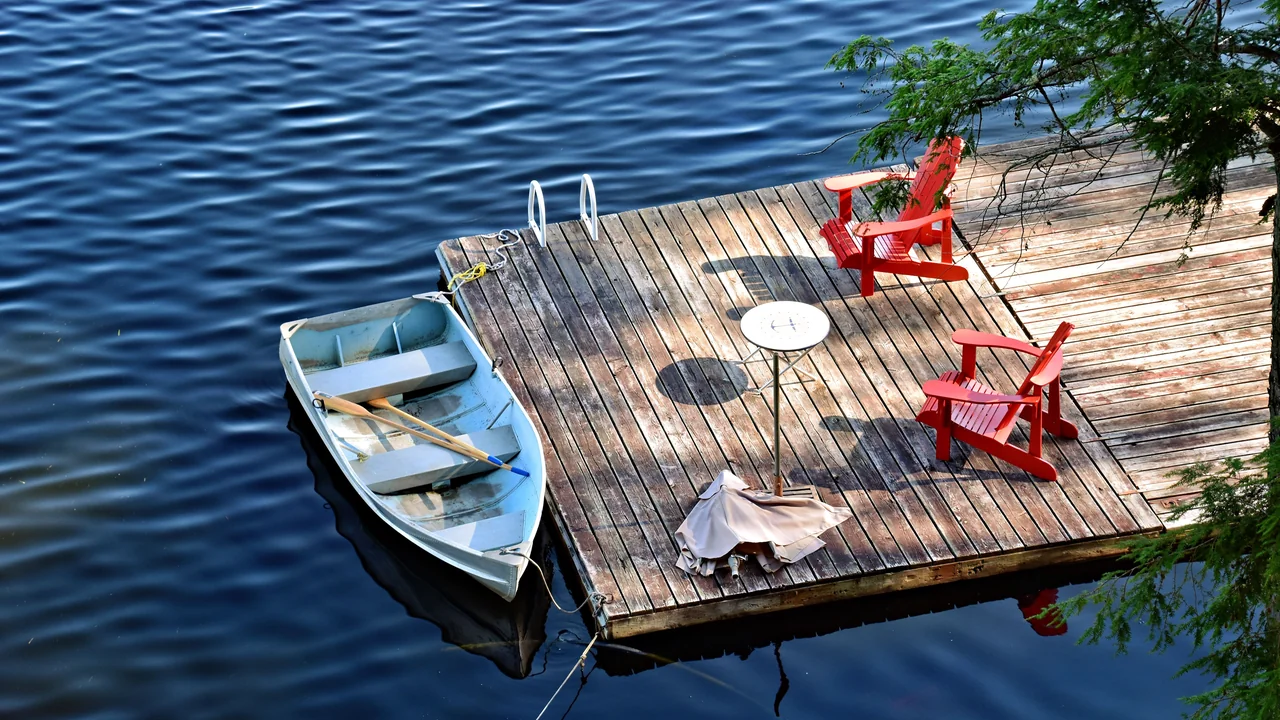
Yes, you almost certainly need a public lake dock permit before building, replacing, or even repairing a dock on a publicly managed lake. Unlike private ponds where you own the bottom, public lakes typically have state-owned submerged lands, meaning the shoreline and lakebed belong to the government. In this guide, you will learn which agency issues the permit, how to navigate the application process, what your dock can cost, and how long approval takes in 2026.
Whether you are adding a swim platform or a full boat dock on a reservoir like Lake Lanier or a state-managed lake in Minnesota, the rules are strict and enforced. Understanding the difference between riparian rights and outright ownership is the first step to a successful, legal dock project.
Which Agency Issues the State Lake Dock Permit?
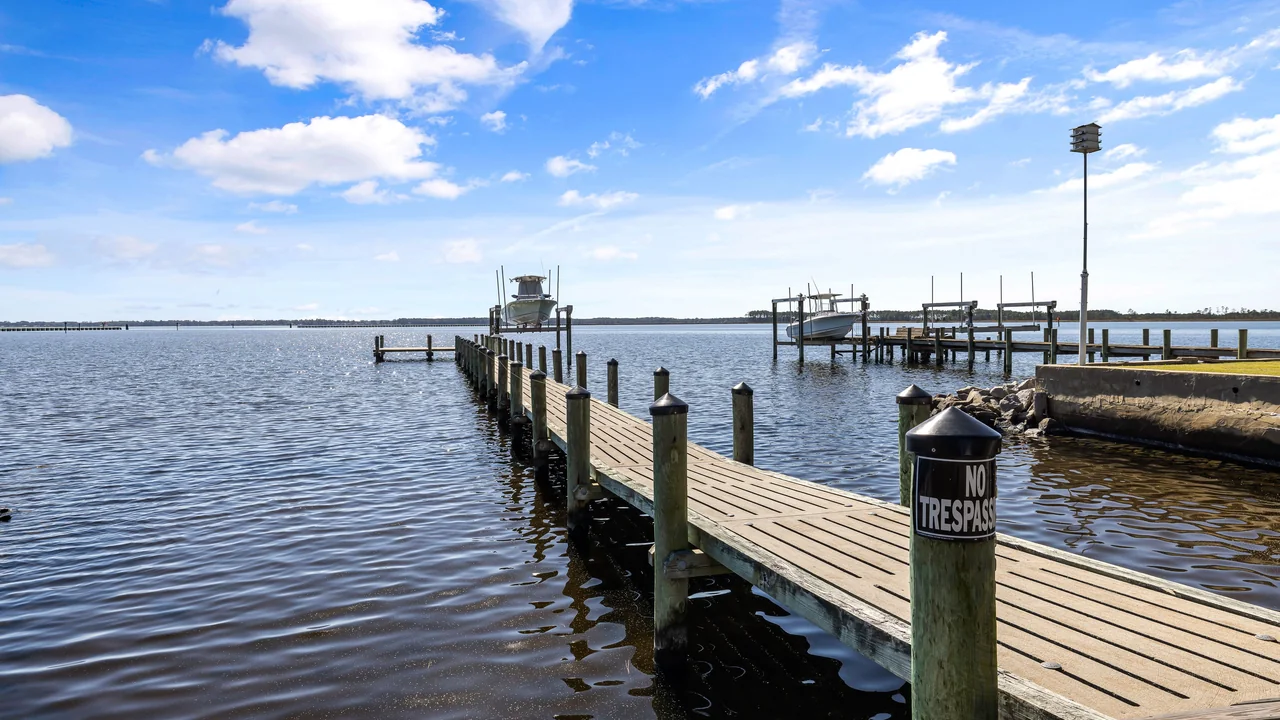
For most public lakes, the state Department of Natural Resources (DNR) or the equivalent agency (e.g., DEP, TPWD, or LCRA) is the primary permitting authority. These agencies manage the lakebed and shoreline, which are held in trust for the public. You are essentially requesting a license to use state property for your private dock.
DNR Dock Permit vs. USACE Permit
If your public lake is a federal reservoir created by a dam (like many in the Southeast), the U.S. Army Corps of Engineers (USACE) also has jurisdiction under Section 10 of the Rivers and Harbors Act. In most cases, you will need a joint permit: a DNR dock permit from the state and a separate USACE permit for navigable waters.
| Agency | Typical Jurisdiction | Permit Type |
|---|---|---|
| State DNR / DEP | State-owned lakebeds and shorelines | Public lake dock permit |
| US Army Corps of Engineers | Navigable waters, federal reservoirs | Section 10 / 404 permit |
| Local County / Municipality | Zoning, setbacks, building codes | Building permit or variance |
Who Owns the Public Lake Shoreline? Understanding Riparian Rights
This is the most misunderstood concept for homeowners. On a public lake, the state owns the lakebed and the shoreline up to the ordinary high-water mark (OHWM). Your property line ends at the water’s edge. You do not own the land under the water. Instead, you have riparian rights — the legal right to access the water and build a dock from your property, subject to state regulation.
Riparian Rights Explained for Dock Building
Riparian rights are not absolute. They come from common law and state statutes, granting you the privilege to construct a dock for reasonable access to navigable water. However, the state can limit the size, shape, and location of your dock to protect public trust resources. For example, you cannot build a dock that extends beyond the end of your property lines or blocks navigation.
How Is a Public Lake Dock Permit Different from a Private Lake Permit?
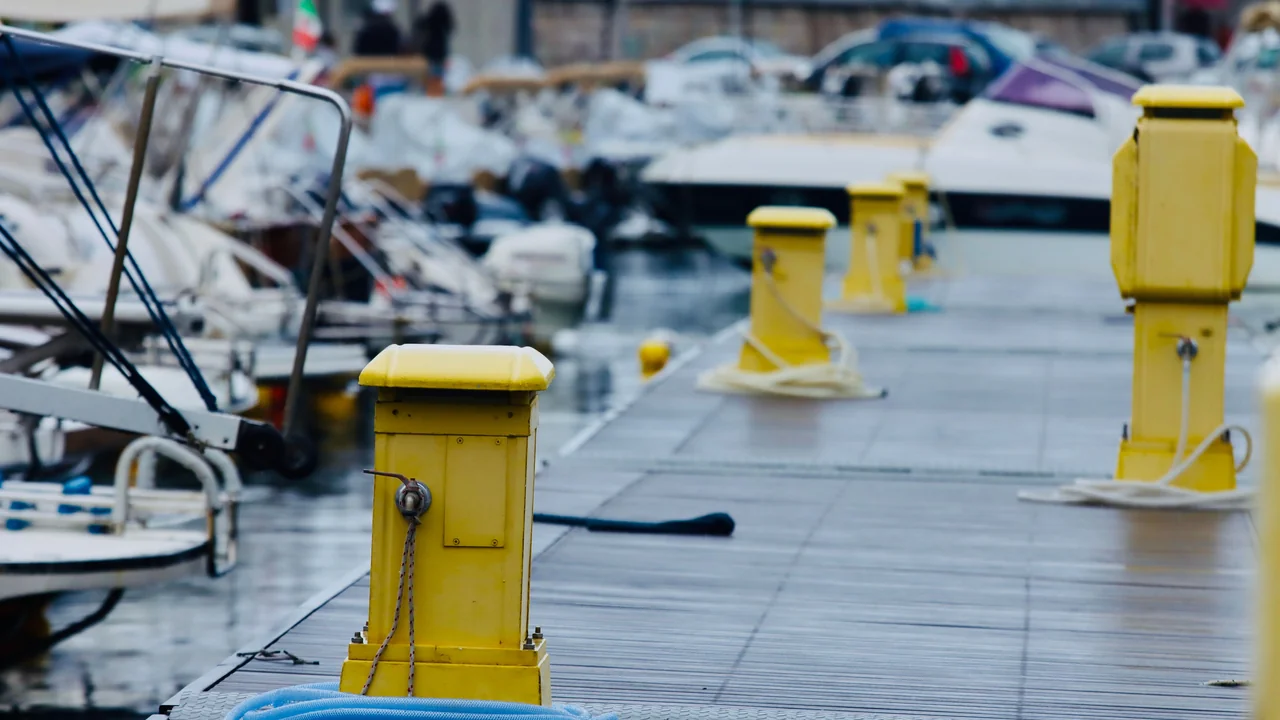
The difference is fundamental. On a private lake, you likely own the lakebed outright (or share ownership with a homeowners’ association). Permitting is often simpler, sometimes requiring only a local building permit. On a public lake, the state owns the land, so you need permission from the government. This adds layers of review, public notice, and environmental assessment.
Public Lake Permits
- State owns lakebed
- Requires DNR/USACE approval
- Public notice may be needed
- Strict size limits (e.g., 20 ft max width)
- Environmental review required
Private Lake Permits
- You or HOA owns lakebed
- Usually only local building permit needed
- No public notice
- Fewer size restrictions
- Minimal environmental review
Step-by-Step Public Lake Dock Permit Process
Getting a state lake dock permit follows a predictable path. Here is the step-by-step process used by most state DNRs in 2026.
Call your state DNR and ask which agency regulates docks on your specific lake. If the lake is a federal reservoir, also contact the local USACE district office.
Check county zoning and any lake-specific management plan. Some lakes have overlay districts with extra restrictions (e.g., no covered docks).
Gather a site plan showing property lines, proposed dock location, dimensions, and materials. Include a survey showing the ordinary high-water mark.
File the application with the DNR. Fees range from $50 to $500 depending on the state and dock size. Some states charge per linear foot of dock.
Many states publish your application for 30 days. Neighbors and the public can comment or object. This is common for docks on public lakes.
After approval, you typically have 1 year to complete construction. Post the permit number at the dock site during build.
What Are the Size Limits on Public Lakes?
Size limits vary by state, but most public lake dock permits impose strict dimensional caps. These limits protect navigation, aquatic habitat, and the visual character of the shoreline.
| Dimension | Typical Limit | Why It Matters |
|---|---|---|
| Width | 8–10 feet (max 20 ft for double-wide) | Prevents obstruction of public water |
| Length | 20–40 feet from OHWM | Ensures dock stays within reasonable access zone |
| Height above water | 12–18 inches at lowest water level | Allows fish passage and prevents debris buildup |
| Covered area | Often prohibited or limited to 50% | Reduces visual impact and shading of aquatic plants |
Shared Waterway Rules and Neighbor Setbacks
On public lakes, you share the water with everyone. Your dock cannot interfere with your neighbors’ access or the public’s use of the water. Most states require a minimum setback from property lines, typically 10–20 feet from the side lot line. The dock must also be placed so that it does not extend into the “line of sight” of a neighbor’s view corridor, though this is less common.
Do I Need Neighbor Approval for My Dock?
In most states, you do not need formal neighbor approval, but the public notice period allows neighbors to object. If your dock would block their boat slip or be placed close to their property line, expect opposition. A signed agreement from adjacent property owners can smooth the process, but it is usually not a legal requirement unless your dock crosses their riparian zone.
How Much Does a Public Lake Dock Permit Cost?
The cost of a public lake dock permit includes application fees, potential environmental review fees, and sometimes annual rental fees for using state-owned lakebed. Here is a realistic breakdown for 2026.
| Cost Component | Typical Amount | Notes |
|---|---|---|
| Application fee | $50–$500 | Varies by state; some charge per $100 of dock value |
| Environmental review | $100–$1,000 | If threatened species or wetlands are present |
| Annual lakebed lease | $50–$300/year | Some states charge rent for using state land |
| USACE permit (if needed) | $100–$500 | Nationwide permit fees |
| Survey and site plan | $500–$2,000 | Professional surveyor required for most lakes |
Summary and Action Plan for Your Dock Permit
Getting a public lake dock permit is a structured process that requires patience and attention to detail. Start by contacting your state DNR to determine jurisdiction. Then, review lake-specific rules, prepare a site plan with a survey, and submit your application. Expect a 6- to 10-week timeline and a total cost of $500–$2,000 including fees and surveys.
Your first step should be to call the state DNR’s water permitting division. Ask for the specific requirements for your lake. For a comprehensive overview of dock permitting across the country, read our Boat Dock Permit Guide. Remember: building without a permit on a public lake can result in fines, removal orders, and loss of riparian rights. Do it right the first time.
Frequently Asked Questions
Can I build a dock on a public lake?
Yes, you can build a dock on a public lake, but only after obtaining a public lake dock permit from the state DNR or USACE. You must have riparian rights from your property, meaning your land must directly abut the lake. The dock must also comply with size limits, setbacks, and environmental regulations. Without a permit, you risk fines and forced removal of the structure.
Who owns the bottom of a public lake?
The state government owns the bottom of a public lake, holding it in trust for the public. This includes the submerged land and the shoreline up to the ordinary high-water mark. Your property line ends at the water’s edge, so you do not own the lakebed. This is why you need a state permit to build a dock — you are essentially leasing or licensing the use of state land.
What are my riparian rights for dock building?
Riparian rights give you the legal privilege to access navigable water from your property, including building a dock. However, these rights are not absolute and are subject to state regulation. You can build a dock that is “reasonable and necessary” for water access, but the state can limit its size, location, and design. Riparian rights do not allow you to build a dock that blocks navigation, harms the environment, or extends beyond your property lines.
Do I need neighbor approval for my dock?
In most states, you do not need formal neighbor approval, but the public notice period allows neighbors to object to your permit. If your dock is close to a property line or could block a neighbor’s view or boat access, their objection could delay or deny your permit. It is highly recommended to discuss your plans with adjacent property owners before submitting the application to avoid conflicts.
Last updated: July 02, 2026
- State DNR public lake permitting guidelines (various states)
- USACE Regulatory Program, Section 10 of the Rivers and Harbors Act
- Riparian rights common law and state statutes

Dock Permit Guide
DockPermitGuide editor covering boat dock and pier permit requirements, costs, and regulations across the United States, Canada & Australia.