
Riparian Rights and Dock Building: What Waterfront Owners Can Do (2026)
 12 min read
2,370 words
12 min read
2,370 words
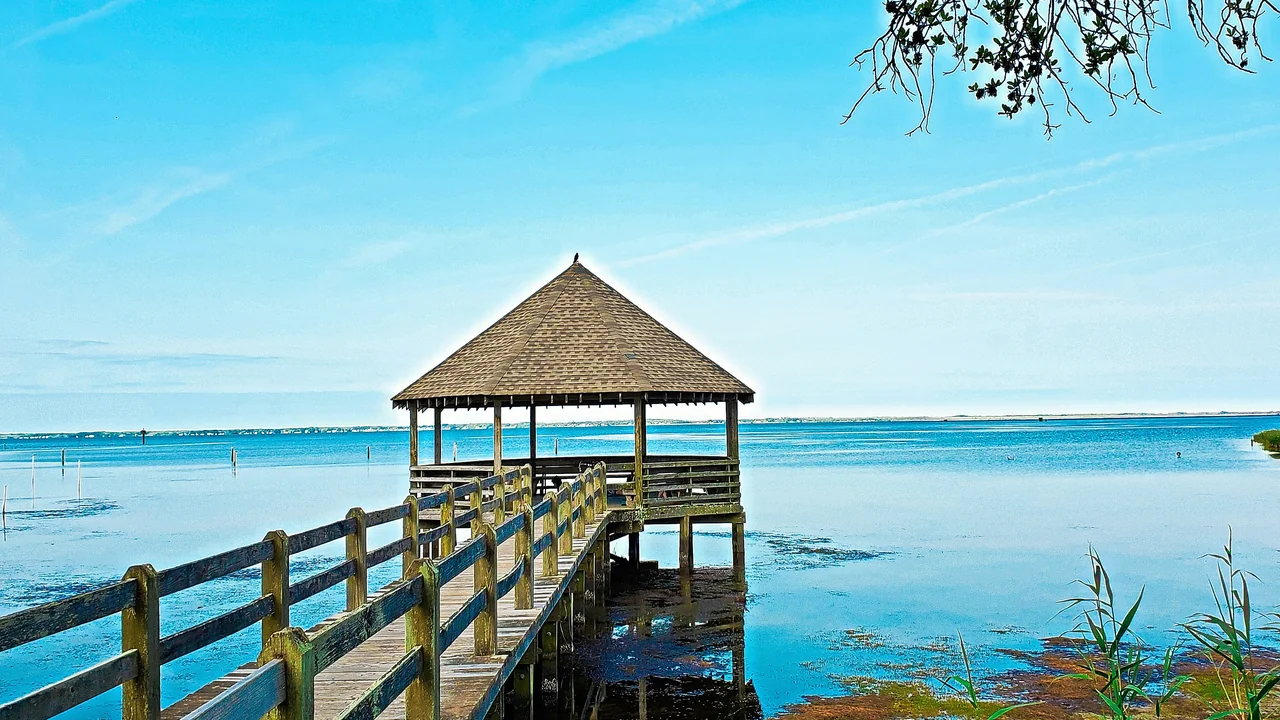
If you own waterfront property, you have likely heard the term “riparian rights dock” referenced in real estate listings or neighbor discussions. The short answer is yes, a permit is required to build a dock in almost all navigable waters across the United States, but your riparian rights form the legal foundation that makes that permit possible. This guide explains exactly what riparian and littoral rights are, what they allow you to do with your shoreline, and how they interact with the permitting process through agencies like the Army Corps of Engineers and state regulators. You will learn the critical differences between public and private waters, how to determine your riparian line, and what to do when neighbors dispute dock placement. Understanding these rights is the first step before you invest in dock design, because your legal authority to build is just as important as your budget.
Riparian Rights Explained: What They Mean for Dock Owners
Riparian rights are a set of common law principles that grant owners of land abutting a natural watercourse certain privileges related to the water. The term “riparian” traditionally applies to rivers and streams, while “littoral” applies to lakes and oceans, but many states use the terms interchangeably. These rights are not a single entitlement but a bundle of privileges that attach to the land itself, meaning they transfer automatically when you buy waterfront property unless specifically severed by deed or regulation.
Riparian vs Littoral Rights for Dock Building
The distinction between riparian rights (flowing water) and littoral rights (standing water) matters for dock placement and design. On a river with a current, your dock must account for navigation and the dynamic nature of the shoreline. On a lake, littoral rights typically grant you access to the entire water column above your submerged land. Both sets of rights generally include the ability to build a private dock, but the specific regulations governing that dock—setbacks, length limits, and environmental reviews—vary significantly between jurisdictions. For example, a property on a navigable river like the Mississippi will face stricter Coast Guard navigation rules than a property on a non-navigable private lake.
What Riparian Rights Include for Waterfront Owners
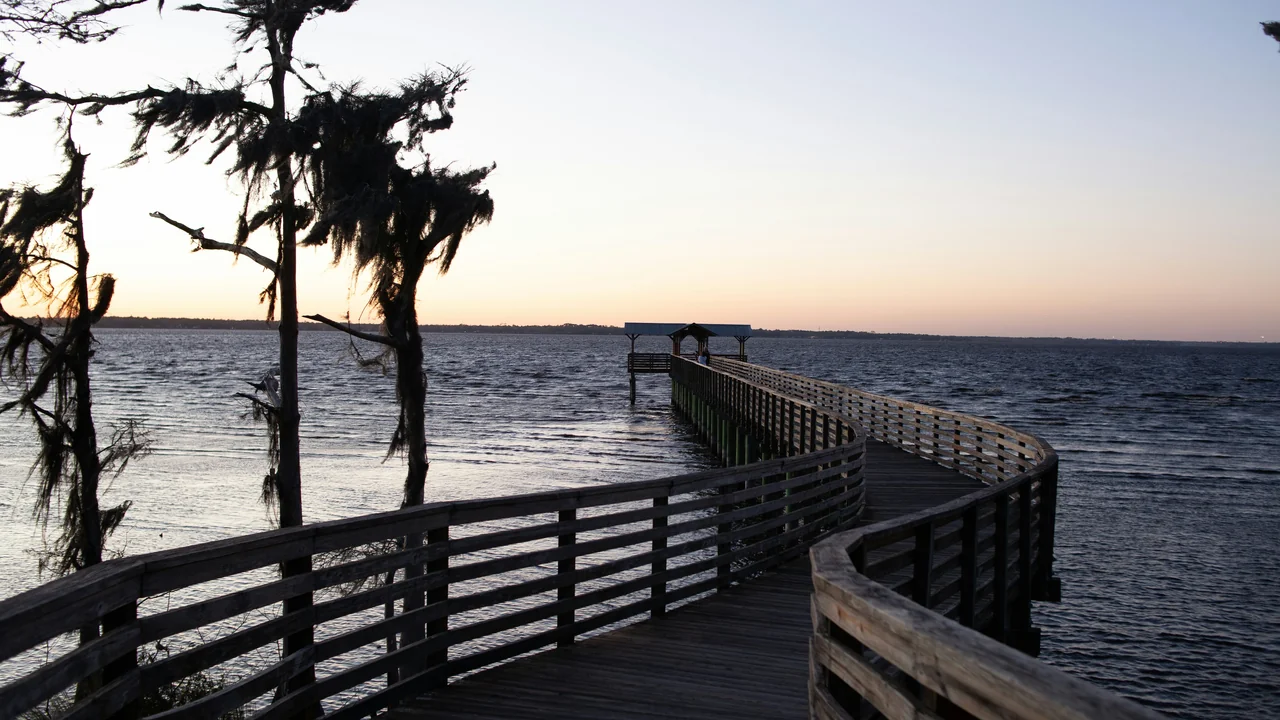
Riparian rights are not unlimited, but they provide several key entitlements that directly affect your ability to build a dock. Understanding these inclusions helps you plan your project and defend your position in disputes.
Access to the Water
Every riparian owner has the right to physically reach the water from their land. This means you can construct a pathway, stairs, or a small landing that connects your upland property to the shoreline. This right is fundamental and cannot be blocked by a neighbor or a public entity without due process. However, access does not mean you can build a dock that extends beyond your property’s riparian line or that interferes with public trust lands.
Wharfing Out (Building a Dock)
The right to “wharf out” or build a dock is the most important riparian right for dock owners. This common law principle allows you to construct a structure that extends from your shoreline into the water to reach navigable depth. The key limitation is that your dock must serve a reasonable purpose—such as boat access, swimming, or fishing—and must not unreasonably interfere with the rights of other riparian owners or the public. States have codified this right into permit systems, but the underlying legal authority remains.
Reasonable Use of the Water
Riparian owners may use the water for domestic purposes, recreation, and navigation. This includes swimming, boating, and fishing from your dock. You cannot, however, divert the watercourse, pollute the water, or use it for commercial purposes without additional permits and rights. The “reasonable use” standard is judged on a case-by-case basis, considering the needs of all riparian owners along the waterbody.
What Riparian Rights Do NOT Include
Many waterfront owners overestimate the scope of their rights. Knowing the limits prevents costly mistakes and legal disputes. Your rights are always subject to the public trust doctrine, which reserves certain uses—like navigation, fishing, and commerce—for the general public.
- Riparian rights do not include the right to build a dock that blocks navigation.
- Riparian rights do not allow you to exclude the public from the water above your submerged land.
- Riparian rights do not permit you to build in wetlands without a separate permit.
- Riparian rights do not guarantee a specific water depth or view.
- Riparian rights do not allow you to build a dock that extends beyond your property’s riparian line.
Riparian Lines and How Dock Placement Is Determined
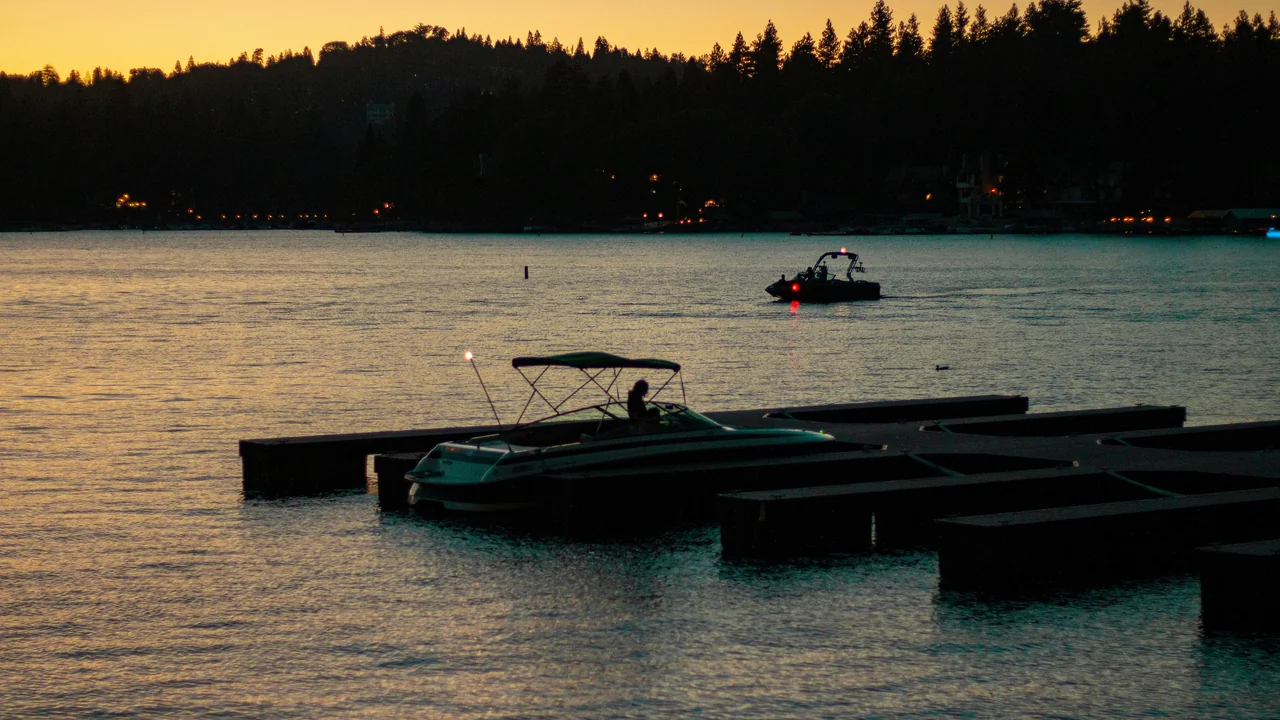
The riparian line is an imaginary boundary that extends from the upland property line into the water, typically perpendicular to the shoreline. This line defines the area where you have exclusive rights to build a dock. Determining this line is critical because building outside of it infringes on a neighbor’s riparian rights and is illegal.
How Riparian Lines Are Measured
Most states use one of two methods: the “proportionate share” method or the “lot line extension” method. Under the proportionate share method, the total shoreline frontage of all properties on a waterbody is measured, and each owner’s submerged land corresponds to their percentage of the total frontage. The lot line extension method simply extends the side property lines perpendicularly into the water. Some jurisdictions use the “centerline” method for lakes, where lines converge at the center of the waterbody. A licensed surveyor is essential to establish your riparian line accurately before you apply for a permit.
Neighbor Disputes Over Riparian Corridors
Disputes between waterfront neighbors are among the most common legal issues in dock building. These conflicts typically arise when one owner builds a dock that extends into what another owner considers their riparian corridor. The corridor is the wedge-shaped area of water that each property has rights to, and it narrows as you move away from shore.
If a dispute arises, the first step is to review your survey and the recorded deeds for both properties. Many disputes are resolved by agreeing to a “line of sight” or “mean high water mark” boundary. If negotiation fails, you may need to file a quiet title action or seek an injunction. The cost of litigation often exceeds the cost of redesigning your dock, so professional mediation is recommended. Always check your local permitting authority’s rules, as some require written neighbor agreements before issuing a permit.
State Differences: Common Law vs Permit-Based Systems
While riparian rights originate from English common law, every state has modified these principles through statutes and regulations. The most significant variation is between states that follow a “common law” approach and those that have fully replaced riparian rights with a permit-based system.
| State Type | Example States | Key Features | Impact on Dock Building |
|---|---|---|---|
| Common Law States | North Carolina, Virginia, Georgia | Riparian rights are presumed; permits are required but rights are protected. | Easier to get a permit if you stay within your riparian corridor. |
| Permit-Based States | Minnesota, Michigan, Florida | Public trust doctrine dominates; permits are discretionary. | Permits may be denied even if you have riparian rights. |
| Hybrid Systems | Texas, California, New York | Riparian rights exist but are heavily regulated by agencies. | Requires both a state permit and proof of riparian ownership. |
For example, in Minnesota, the Department of Natural Resources issues permits under the Public Waters Work Permit program, and your riparian rights are secondary to the public interest. In contrast, North Carolina’s Coastal Area Management Act acknowledges riparian rights as a factor in permit decisions. If you are building on a lake like Lake Minnetonka, you must navigate both state rules and local watershed district requirements, as detailed in our Lake Minnetonka Dock Permit: MCWD Rules & How to Apply (2026) guide.
How Riparian Rights Interact with Permits
This is the most practical question for any waterfront owner: do my riparian rights guarantee a dock permit? The answer is almost always no. Riparian rights give you the legal standing to apply for a permit, but the permit itself is a separate regulatory authorization that must be obtained from the appropriate agency. The Army Corps of Engineers Dock Permit: Section 404 Guide (2026) is the federal permit required for any dock that involves dredging or filling in waters of the United States. Even if your dock does not involve dredging, you may still need a state or local permit.
The Permit Process and Your Rights
When you apply for a dock permit, the reviewing agency will consider your riparian rights as one factor among many. The primary considerations are typically environmental impact, navigation safety, and public trust interests. Your riparian rights may give you priority over a non-riparian applicant, but they do not override the agency’s authority to deny a permit for valid reasons. For example, if your proposed dock would damage a seagrass bed or obstruct a navigable channel, your riparian rights will not save the project.
Verify Your Riparian Rights
Review your deed, survey, and title report to confirm you have riparian or littoral rights. Check for any easements or restrictions that limit dock construction.
Determine the Permitting Authority
Identify which agency issues permits for your waterbody. This could be the Army Corps of Engineers, state DNR, county, or a watershed district.
Submit a Permit Application
Include your survey showing the riparian line, dock design, and environmental impact assessment. Pay the application fee.
Public Notice and Comment Period
Many permits require a public notice period where neighbors can object. Your riparian rights may help you defend against frivolous objections.
Receive Permit or Denial
If denied, you have appeal rights. Your riparian rights can form the basis of an appeal if the agency acted arbitrarily.
In Canada, the interaction between riparian rights and permits follows a similar pattern but with different agencies. Our Dock Permit in Canada: Federal and Provincial Rules Guide (2026) explains how provincial regulations and the federal Fisheries Act affect your ability to build a dock.
Summary: Your Action Plan for Building a Dock Under Riparian Rights
Understanding your riparian rights is the first and most important step in any dock building project. Before you spend money on design or materials, confirm your legal authority to build by reviewing your deed and survey. Then, contact the appropriate permitting authority—whether it is the Army Corps of Engineers, state DNR, or local watershed district—to learn the specific requirements for your waterbody. Be prepared for the reality that your rights are limited by public trust and environmental regulations. A well-planned project that respects your riparian corridor, your neighbors’ rights, and the public interest has the highest chance of approval. For a complete understanding of costs, review our How Much Does a Boat Dock Cost in 2026? Complete Price Guide to budget for both the permit and construction phases.
Frequently Asked Questions
What are riparian rights for dock building?
Riparian rights for dock building are a set of common law privileges that allow owners of land abutting a natural watercourse to access the water and construct a dock or pier. These rights include the ability to “wharf out” to reach navigable depth, use the water for recreation, and maintain access to your shoreline. However, these rights are not absolute and are subject to state regulation, public trust doctrines, and federal permitting requirements under laws like the Clean Water Act.
Do riparian rights guarantee I can build a dock?
No, riparian rights do not guarantee a dock permit. They give you the legal standing to apply for a permit, but the permitting agency retains discretion to deny your application based on environmental impact, navigation safety, or public trust concerns. For example, if your proposed dock would damage sensitive aquatic habitat or obstruct a navigable channel, your riparian rights will not override the agency’s decision. You must still comply with all federal, state, and local permitting requirements.
How are riparian lines determined between neighbors?
Riparian lines are typically determined by extending the side property lines perpendicularly from the shoreline into the water. On lakes, the lines may converge at the center of the waterbody using the “centerline” method. A licensed surveyor is essential to establish these boundaries accurately, as errors can lead to costly disputes. Most states require a survey showing the riparian line as part of the dock permit application.
What is the difference between riparian and littoral rights?
Riparian rights apply to properties abutting flowing water, such as rivers and streams, while littoral rights apply to properties on standing water, such as lakes and oceans. In practice, the terms are often used interchangeably, and many states treat them the same for permitting purposes. The key difference is that riparian rights on rivers may be subject to navigation easements and dynamic shorelines, while littoral rights on lakes typically grant access to the entire water column above your submerged land.
Last updated: July 02, 2026
- US Army Corps of Engineers Regulatory Program (usace.army.mil)
- State common law on riparian rights as compiled by the American Law Reports

Dock Permit Guide
DockPermitGuide editor covering boat dock and pier permit requirements, costs, and regulations across the United States, Canada & Australia.