
Temporary Dock Permit: Rules for Short-Term & Event Docks (2026)
 10 min read
1,823 words
10 min read
1,823 words
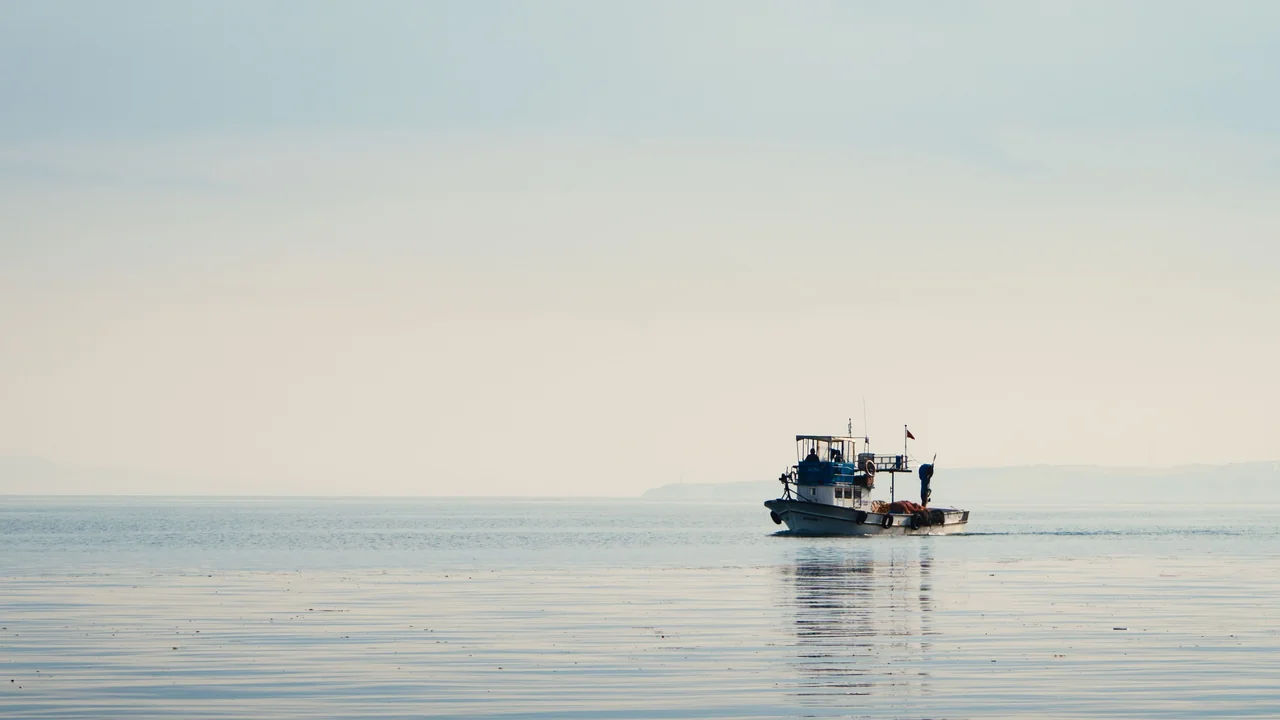
Yes, a temporary dock permit is required in almost every jurisdiction before installing a short-term dock, event dock, or construction barge. Whether you’re hosting a weekend regatta, building a new home on the water, or testing a potential permanent dock location, the rules are clear: temporary does not mean unregulated. This guide covers what qualifies as a temporary dock, which states offer exemptions or fast-track permits, how event and construction docks are treated, and the critical trap of conversion from temporary to permanent. You’ll learn the specific agency contacts, permit costs, processing timelines, and insurance requirements you need to know before putting any temporary structure in the water.
What Counts as a Temporary Dock for Permitting Purposes?
Regulatory agencies define “temporary” differently, but most share a common framework. A temporary dock is typically any dock, pier, or platform installed for a limited duration—ranging from a single day to one full season—and not intended to remain in place year-round or become a permanent fixture.
Duration Thresholds by Agency
| Agency / State | Maximum Duration | Typical Use Cases |
|---|---|---|
| US Army Corps of Engineers (USACE) | Up to 1 year (renewable) | Construction access, seasonal events |
| Florida DEP | 90 days | Events, film shoots, short-term rentals |
| Texas (LCRA lakes) | 6 months | Construction barges, regattas |
| Minnesota DNR | 1 season (spring to fall) | Seasonal docks, ice-out to freeze-up |
| California (State Lands Commission) | 180 days | Film productions, special events |
For federal waters, USACE regulates temporary structures under Nationwide Permit 3 or Regional General Permits. These permits cover temporary recreational structures, construction access, and seasonal docks. The key requirement is that the structure must be completely removed within the authorized timeframe.
States with Temporary Dock Exemptions or Fast-Track Permits
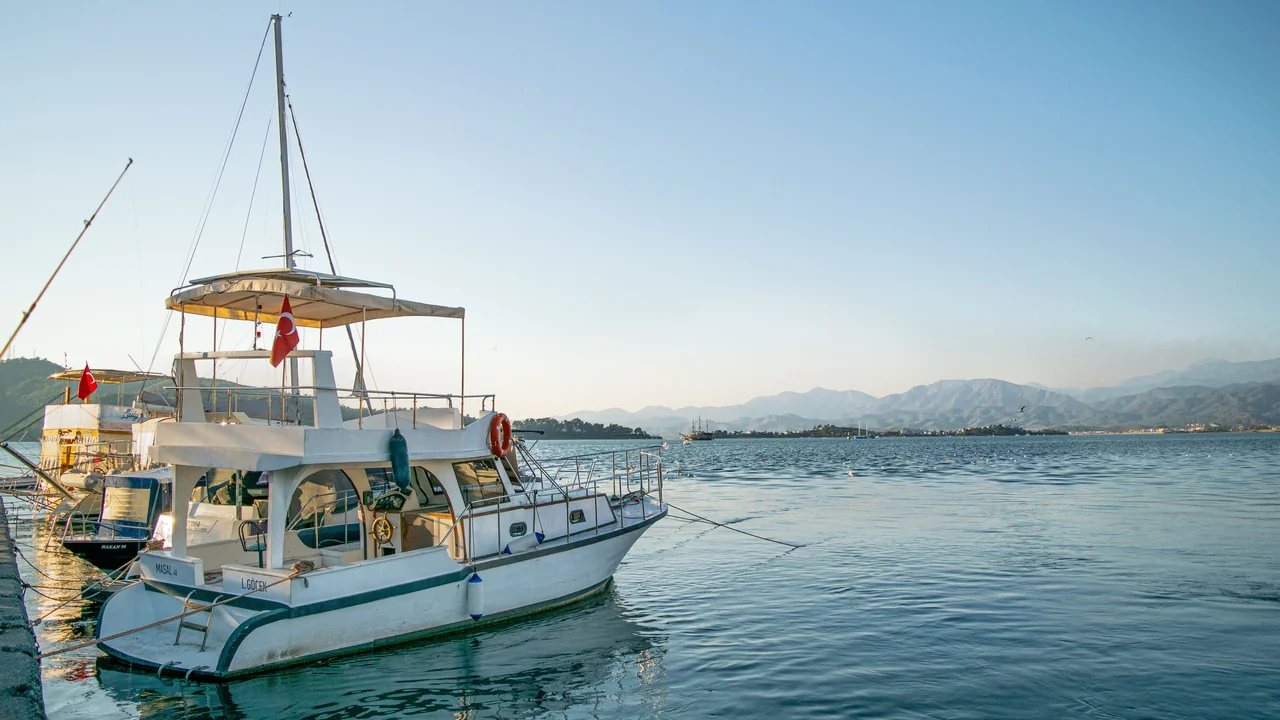
Several states recognize that temporary docks pose lower environmental risk and offer streamlined processes or outright exemptions under specific conditions.
States with Full Exemptions for Short-Term Docks
- Maine: Docks installed for 30 days or less for non-commercial events may not require a permit from the Department of Environmental Protection, provided they meet setback and size limits.
- New Hampshire: Temporary docks for events like fishing tournaments are exempt from DES permits if removed within 14 days and placed outside protected shoreland zones.
- Vermont: A “temporary dock permit” exemption exists for docks installed for 45 days or less, with a simple registration form filed with the local town clerk.
States with Fast-Track Temporary Dock Permits
Michigan’s EGLE offers a short-term dock permit with a 2-3 week review period for docks installed for 90 days or less. The fee is $75, compared to $500+ for a permanent permit. Wisconsin’s DNR has a similar “seasonal dock permit” that covers docks installed between April 1 and November 30, with a simplified application requiring only a site sketch and proof of riparian rights.
Event and Regatta Dock Rules: What Organizers Must Know
Hosting a swim race, boat show, or fishing tournament often requires temporary docks for spectator viewing, boat staging, or athlete access. These event docks face additional scrutiny because of crowd safety and environmental impact.
Permitting Steps for Event Docks
Identify whether the waterbody is state-managed, federal, or under a local authority like a lake association or river authority. For example, Lake Minnetonka requires additional approval from the Minnetonka Conservation District (MCWD) for event docks—see our Lake Minnetonka Dock Permit guide for details.
Most agencies require a diagram showing dock location, dimensions, and proximity to navigation channels. Include a site plan with water depths and any mooring systems.
Event organizers typically must provide a certificate of liability insurance naming the agency as additional insured. Minimum coverage is usually $1 million per occurrence.
Include a removal timeline in your application. Post-event inspection may be required to confirm no debris or environmental damage remains.
Construction Access Docks and Barges: Special Rules
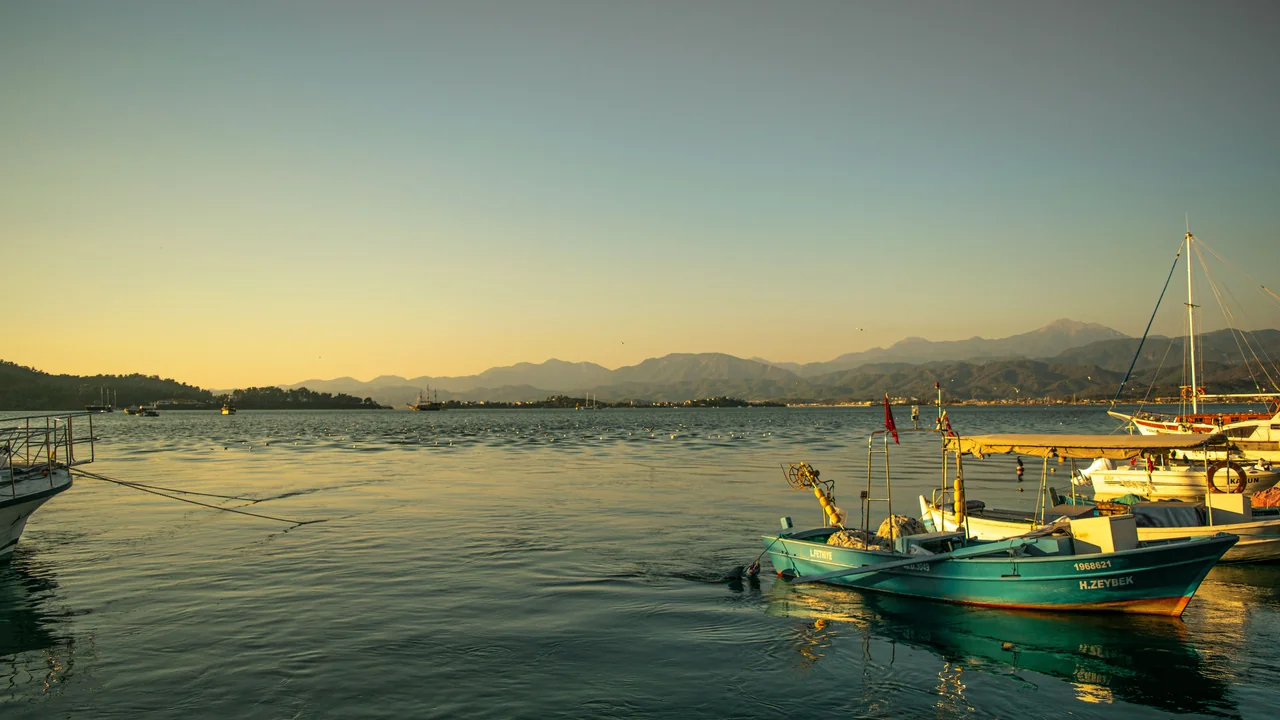
Construction barges and temporary access docks used for building or renovating waterfront properties follow a different set of rules. These structures are often larger, carry heavy equipment, and may involve dredging or shoreline disturbance.
Construction Barge Dock Permit Requirements
The USACE requires a separate permit for construction barges under Section 404 of the Clean Water Act, even for temporary use. The Army Corps of Engineers Dock Permit: Section 404 Guide explains that temporary construction access must minimize wetland impacts and often requires a mitigation plan.
| Requirement | Details |
|---|---|
| Permit Type | Nationwide Permit 3 (temporary structures) or individual permit for larger projects |
| Duration Limit | Typically 1 year, renewable once |
| Bond Required | Many states require a performance bond (often $5,000-$20,000) to ensure removal |
| Environmental Review | May require a pre-construction wetland delineation if barge access disturbs bank |
Conversion Risk: When Temporary Docks Become Permanent
The single biggest mistake dock owners make is leaving a temporary dock in place beyond the authorized period. This “temporary-to-permanent conversion” triggers significant legal and financial consequences.
How Conversion Happens
Common scenarios include:
- A homeowner installs a seasonal dock under a temporary permit, then decides to leave it in year-round for convenience.
- An event dock is left in place after the event because the organizer plans to use it for the rest of the summer.
- A construction barge remains after project completion because the owner likes having a dock.
Penalties for Unauthorized Conversion
Immediate Consequences
- Notice of violation and removal order
- Fines up to $10,000 per day (federal)
- Loss of riparian rights in some states
- Required restoration of shoreline
Long-Term Impacts
- Permanent permit may be denied due to violation history
- Property title clouded with enforcement lien
- Increased insurance premiums or policy cancellation
- Neighbor complaints triggering additional enforcement
If you’re considering a temporary dock as a trial run for a permanent structure, be transparent with the permitting agency. Some states allow a “trial dock permit” that explicitly allows testing a location for one season, with the understanding that a full permit will follow. This is far safer than attempting an unauthorized conversion.
Insurance and Liability for Temporary Docks
Temporary docks carry unique liability risks because they are often installed in high-traffic areas (event venues, construction zones) and may not be as securely anchored as permanent structures.
Required Insurance Coverage
Most permitting agencies require the following minimum insurance for temporary docks:
- General liability insurance: $1 million per occurrence / $2 million aggregate
- Workers’ compensation: statutory limits if employees are involved in installation
- Pollution liability: required for construction barges or docks near sensitive habitats
- Additional insured endorsement: naming the permitting agency as an additional insured
Special Considerations for Event Docks
Event docks used for public access (e.g., spectator platforms at boat races) require higher coverage limits, often $3-5 million. Some venues also require umbrella policies. Check with your insurance broker early; obtaining event coverage can take 2-3 weeks.
Summary: Your Action Plan for a Temporary Dock Permit
Before installing any temporary dock, event platform, or construction barge, follow this checklist:
- Identify the primary regulatory authority (USACE, state DNR, local lake district) using our Floating Dock Permit Requirements guide for state-specific contacts.
- Determine if your project qualifies for a temporary exemption or fast-track permit. Contact the agency directly to confirm current duration limits and fees.
- Submit your application at least 60 days before installation for events, 90 days for construction barges.
- Obtain required insurance certificates and performance bonds.
- Document the installation date and set a calendar reminder for removal. Do not rely on memory.
- If you plan to convert to a permanent dock, apply for the full permit before the temporary permit expires. See our Boat Dock Cost Guide to budget for permanent permitting fees.
Contact your state’s water resources agency or the local USACE district office first. They can provide the specific temporary dock permit application forms and fee schedule for your waterbody.
Frequently Asked Questions
Do temporary docks need a permit?
Yes, in nearly all cases temporary docks require some form of permit or authorization. Even states with exemptions for very short durations (14-45 days) typically require a simple registration or notification. Federal waters under USACE jurisdiction always require a permit for any structure placed in navigable waters, regardless of duration. The only exception is for docks installed entirely on private land above the ordinary high-water mark, which rarely applies to actual waterfront docks.
How long can a temporary dock stay in the water?
The maximum duration varies by state and agency, ranging from 14 days in some New England states to 1 year under USACE nationwide permits. Common limits are 90 days (Florida, Michigan), 180 days (California), and one full season (Minnesota, Wisconsin). The key is that the dock must be completely removed—not just disconnected—within the authorized period. Some permits allow one renewal, but this must be requested in writing before the original permit expires.
Do event docks need approval?
Yes, event docks for regattas, boat shows, swim races, and other public gatherings almost always require a specific event dock permit. These permits address crowd safety, navigation hazards, and environmental protection. Many agencies require event organizers to submit an emergency action plan, provide proof of insurance naming the agency as additional insured, and agree to a post-event inspection. Lead time of 60-90 days is standard for major events on popular lakes.
Can a temporary dock become permanent?
Technically yes, but only if you apply for and receive a permanent dock permit before the temporary permit expires. Leaving a temporary dock in place without converting the permit is a violation that can result in fines, removal orders, and loss of future permitting rights. Some states allow a “trial dock” permit that explicitly permits one season of testing with a requirement to apply for a full permit afterward. This is the safest path if you are unsure about a dock location.
Last updated: July 02, 2026
- US Army Corps of Engineers – Nationwide Permit Program (NWP 3)
- Florida Department of Environmental Protection – Temporary Dock Permitting
- Texas Commission on Environmental Quality – Temporary Structures in Public Waters
- Minnesota Department of Natural Resources – Seasonal Dock Permits
- California State Lands Commission – Temporary Event Permits

Dock Permit Guide
DockPermitGuide editor covering boat dock and pier permit requirements, costs, and regulations across the United States, Canada & Australia.