
Dock Permit Denied? What to Do Next: Appeals and Alternatives (2026)
 14 min read
2,705 words
14 min read
2,705 words
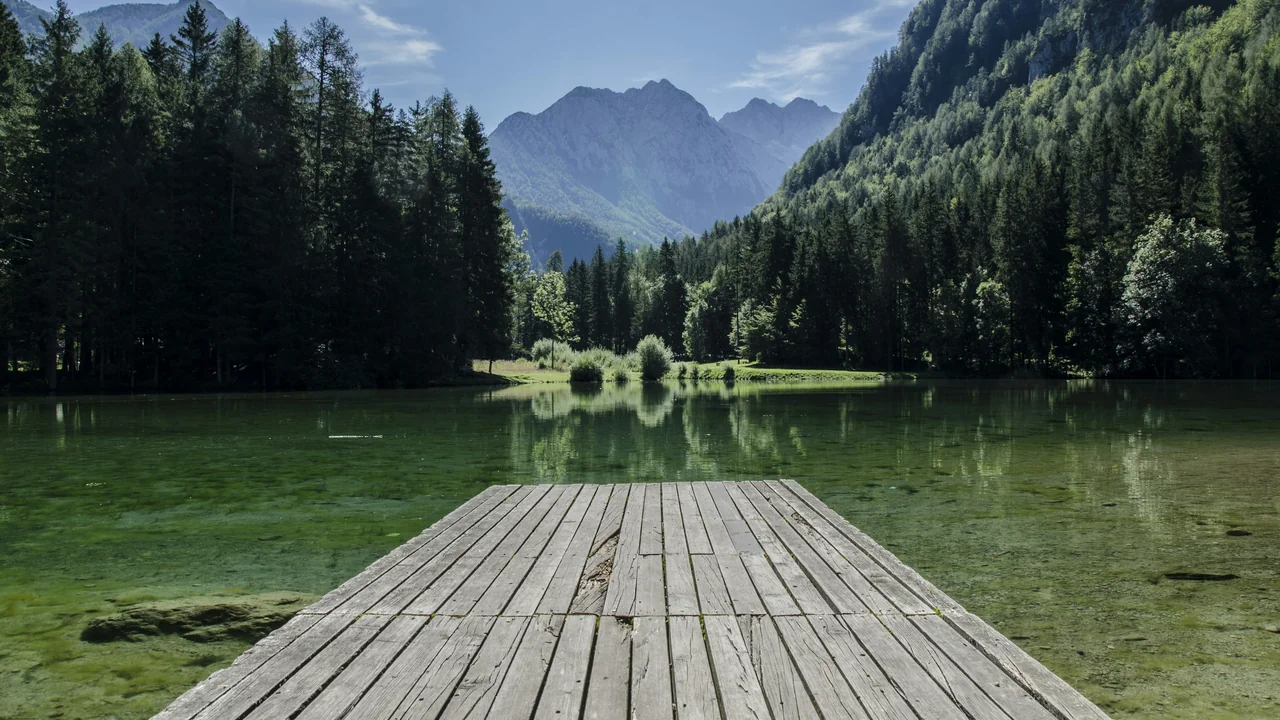
If your dock permit was denied, you are not alone. Thousands of property owners receive denials each year from the US Army Corps of Engineers (USACE), state agencies like the DNR or DEQ, and local county permitting offices. The good news is that a dock permit denied status can often be reversed through a structured appeal, a variance request, or a design modification. This guide walks you through every option available in 2026, from formal appeals to alternative structures that bypass the permitting bottleneck entirely.
You will learn the most common reasons for denial, how to file a dock permit appeal step by step, when to apply for a dock variance, and which dock permit alternatives might work for your property. Whether you are on a lake, river, or coastal waterway, the information here applies across federal, state, and local jurisdictions in the United States.
Why Was Your Dock Permit Denied? Common Denial Reasons
Understanding the specific reason for your denial is the first step to fixing it. Denial letters from agencies like USACE or a state DNR will cite one or more of the following factors. Each reason points to a different solution path.
| Denial Reason | Typical Agency | What It Means for Your Project |
|---|---|---|
| Environmental impact (e.g., seagrass, wetlands, endangered species) | USACE, State DNR/DEQ | Your dock location or design threatens protected habitats or species. |
| Setback or buffer violation | Local county, State DNR | Your dock is too close to a property line, channel, or shoreline buffer. |
| Size or dimension exceeds limits | Local county, Lake authority (e.g., Duke Energy, LCRA) | Your dock is too long, too wide, or has too many slips. |
| Shoreline classification conflict | State DNR, USACE | Your shoreline is classified as “natural,” “conservation,” or “critical” and prohibits structures. |
| Incomplete application or missing fees | Any agency | You forgot a required document, study, or payment. |
Environmental Impact Denials
If USACE or your state agency denies your permit due to impacts on aquatic vegetation, wetlands, or threatened species, you cannot simply appeal the decision. You must prove the impact is minimal or propose mitigation. For example, a dock that shades seagrass beds may be denied unless you reduce its width or use a grated deck to allow light penetration. This is where a dock variance or design modification becomes critical.
Setback and Size Violations
Setback violations are the most fixable denials. If your dock is too close to a neighbor’s property line or a navigational channel, you can usually move the dock location or shorten it. Similarly, if your dock exceeds the maximum length allowed by the local lake authority (e.g., 40 feet on many Duke Energy lakes), you can redesign to fit within limits. Check your local rules in our Boat Dock Permit Guide for state-specific size caps.
How to Appeal a Dock Permit Denial: Step-by-Step Process
A dock permit appeal is a formal request to overturn a denial. The process varies by agency, but the general steps are consistent. You must act quickly — most agencies give you 30 to 60 days to file an appeal.
Identify the exact reason(s) for denial and the appeal deadline. The letter will specify which agency division to contact and the required form (e.g., USACE Form 4345 or a state DNR appeal form).
Collect your original application, any studies (bathymetry, wetland delineation, species surveys), and new evidence that addresses the denial reason. For example, if denied due to seagrass impact, include a revised dock layout that avoids the grass beds.
Submit the appeal form and fee (typically $50–$500) to the agency. USACE appeals go to the District Commander or the Division Engineer. State DNR appeals go to an administrative law judge or a permit review board. Send via certified mail or through the agency’s online portal.
Some agencies hold a hearing where you can present your case. Others conduct a desk review. You may bring an attorney or permit consultant. The review period can take 60–120 days.
The agency will issue a final written decision. If your appeal is granted, the permit is issued. If denied, you may have further options (judicial review or variance request).
Appealing a USACE Denial
If USACE denied your permit under Section 404 of the Clean Water Act, you can appeal to the USACE Division Engineer. The process is governed by 33 CFR Part 331. You must file a Request for Appeal (RFA) within 60 days of the denial. The Division Engineer will review whether the decision was consistent with USACE regulations. If the appeal is denied, you can seek judicial review in federal district court.
Appealing a State DNR or DEQ Denial
State agencies like the Wisconsin DNR, Texas Parks and Wildlife, or Florida DEP each have their own appeal process. In Wisconsin, for example, you can request a contested case hearing before an administrative law judge within 30 days. In Texas, you can appeal to the Texas Commission on Environmental Quality (TCEQ). Refer to our Boat Dock Permit in Wisconsin: Complete 2026 Guide for state-specific details.
Dock Variance: When and How to Apply
A dock variance is a request to deviate from a specific rule or standard that caused your denial. Variances are available when strict application of the rule creates an undue hardship for your property. Unlike an appeal, which challenges the decision itself, a variance asks for an exception to the rule.
When to Request a Variance
You should pursue a variance when the denial is based on a dimensional or locational rule, not an environmental restriction. Variances are rarely granted for environmental impacts because those are based on federal law. You will need to prove that:
- Compliance with the rule would cause an unnecessary hardship (e.g., your lot is too small to meet setbacks).
- The variance will not harm the public interest or the environment.
- The variance is the minimum necessary to allow a reasonable dock.
How to Apply for a Variance
The variance process typically involves a local zoning board of adjustment or a state permit review board. You submit a variance application (fee: $100–$1,000), attend a public hearing, and present evidence. Neighbors may testify in support or opposition. The board votes on whether to grant the variance. If approved, you can then reapply for the dock permit with the variance in hand.
Modifying Your Dock Design to Requalify
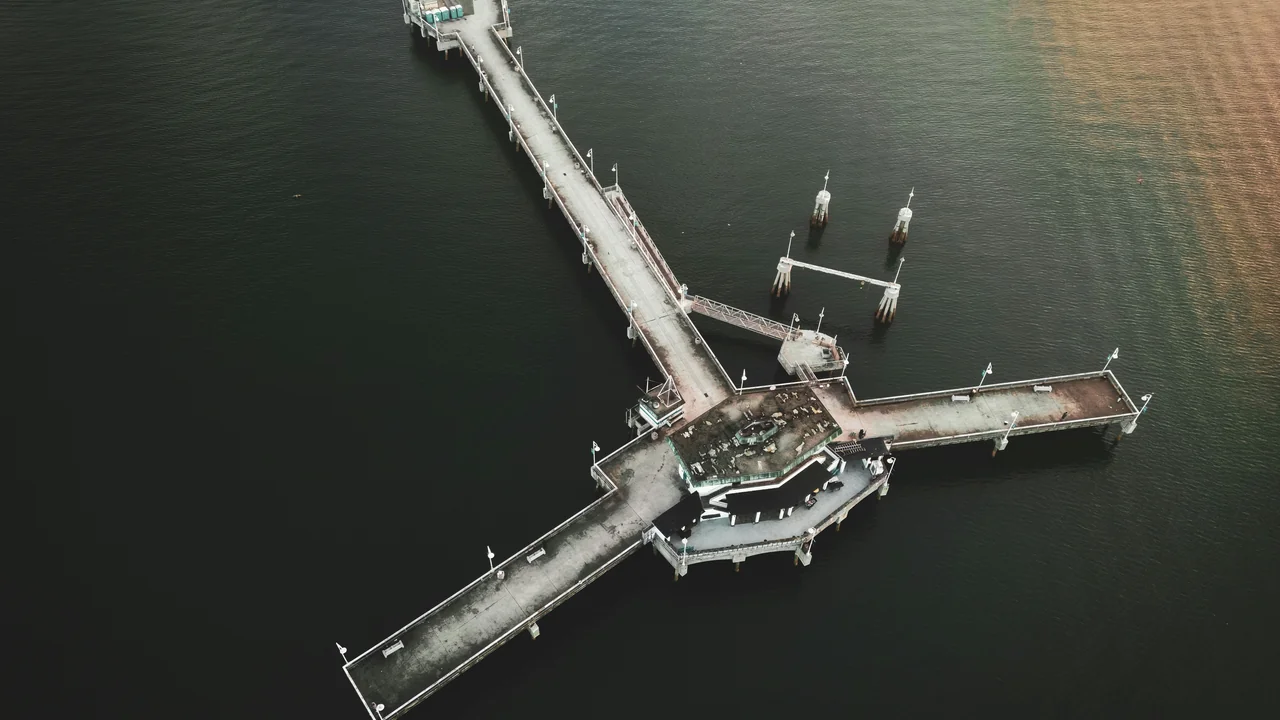
Often, the fastest path to approval is not an appeal or variance but a design change. If your dock permit denied status stems from size, location, or environmental concerns, a revised design can be resubmitted as a new application. This avoids the time and cost of a formal appeal.
Common Design Modifications That Fix Denials
| Original Issue | Design Fix | Approval Likelihood |
|---|---|---|
| Dock too long (e.g., 60 ft where max is 40 ft) | Shorten to 38 ft or use a floating dock that ends at the 40-ft mark | High |
| Dock shades seagrass | Use grated decking (50% open area) or narrow the dock to 3 ft wide over grass beds | Moderate to High |
| Dock encroaches on channel | Move dock 10 ft upstream or downstream, or angle it parallel to shore | High |
| Dock exceeds slip count | Reduce to maximum allowed slips (often 2–4 per property) | High |
| Dock in a “natural” shoreline zone | Switch to a floating dock that does not touch the bottom, or use a cantilevered design | Moderate |
If your denial is related to boat lift placement, check our Boat Lift Permit Requirements: Do You Need a Separate Permit? guide, as lifts often have separate rules that can complicate a dock permit.
Hiring a Permit Consultant or Attorney
If your denial is complex — involving environmental law, multiple agencies, or a high-value property — hiring a professional can save time and money. A permit consultant or environmental attorney specializes in navigating the appeal process and negotiating with agencies.
When to Hire a Professional
- USACE Section 404 denial: Federal law is complex. An attorney who handles Clean Water Act cases is essential.
- Endangered species conflict: Requires a biological assessment and consultation with US Fish & Wildlife Service.
- Multiple agency denials: If both USACE and your state DNR denied the permit, you need coordinated representation.
- Variance hearing: An attorney can present your case to the zoning board effectively.
Cost of Professional Help
Permit consultants charge $150–$350 per hour, while environmental attorneys charge $300–$600 per hour. For a full appeal or variance process, expect to spend $3,000–$15,000. This may seem steep, but it is often less than the cost of starting over or losing the property value that a dock provides.
Dock Permit Alternatives: Structures That Are Easier to Permitt
If the appeal and variance paths fail, or if you want to avoid the hassle entirely, consider dock permit alternatives. These options typically require less regulatory scrutiny because they are temporary, non-permanent, or do not impact the water bottom.
Mooring Buoys
A mooring buoy allows you to tie up your boat without a fixed dock. In many states, mooring buoys do not require a full dock permit — only a simple registration or a letter from the local authority. They are ideal for deep-water properties where a dock would be expensive or prohibited. Check with your state DNR for specific rules.
Marina Slip Rental
Renting a slip at a nearby marina is the simplest alternative. No permit needed on your part. While you lose the convenience of a private dock, marinas often offer amenities like fuel, pump-out stations, and security. This is a practical solution if your property is in a highly regulated shoreline zone.
Portable or Seasonal Docks
Seasonal docks that are installed in spring and removed in fall often have lighter permitting requirements. Some states exempt them entirely if they are less than a certain size (e.g., 120 square feet) and do not use pilings. See our Seasonal Dock Rules by State: When to Install & Remove (2026) guide for exemptions in your state.
Cantilevered or Pile-Supported Docks
If your denial was due to bottom disturbance (e.g., seagrass or wetlands), a cantilevered dock that does not touch the water bottom may be approved. These are supported by piles on land or in deep water only. They are more expensive but bypass many environmental concerns.
Floating Docks with No Bottom Contact
Floating docks anchored by cables or helical anchors (not driven into the bottom) are considered less impactful than fixed docks. Some agencies approve them faster. However, check if your lake or river has specific rules — Duke Energy, for example, limits floating docks on some reservoirs. Read our Lake Norman Dock Permit: Duke Energy Rules & How to Apply (2026) for a case study on lake-specific restrictions.
When to Accept the Denial and Choose an Alternative
Not every denial can or should be fought. If the denial is based on a federal environmental law (e.g., endangered species habitat in a critical shoreline zone), the odds of reversal are low. In those cases, the smart move is to pivot to an alternative.
Signs You Should Fight the Denial
- Denial is based on a simple size or setback rule you can fix.
- You have strong evidence the agency made an error.
- Your property value depends heavily on having a dock.
- You have the budget for an appeal or variance.
Signs You Should Accept and Move On
- Denial cites endangered species or wetlands with no mitigation path.
- Your lot is in a “no-dock” zone (e.g., natural shoreline preserve).
- You cannot afford the appeal or redesign costs.
- You have a viable alternative like a mooring buoy or marina slip.
Accepting the denial does not mean giving up on water access. A mooring buoy or marina slip can provide most of the same benefits without the regulatory headache. Many property owners find that a $500 mooring buoy is a better investment than a $10,000 legal battle.
Summary: Your Action Plan for a Denied Dock Permit
A dock permit denied decision is frustrating, but it is rarely the final word. Your first step should always be to read the denial letter carefully and identify the exact reason. Then follow this priority order:
- Try a design modification — the fastest and cheapest fix.
- File a formal appeal if the agency made an error or you have new evidence.
- Request a variance if the rule itself is the problem.
- Hire a professional if the case is complex.
- Consider alternatives if all else fails.
For a complete overview of the initial application process, revisit our Boat Dock Permit Guide to ensure your next application is bulletproof. If you are dealing with a USACE denial specifically, the Army Corps of Engineers Dock Permit: Section 404 Guide (2026) has detailed appeal instructions.
Frequently Asked Questions
What do I do if my dock permit is denied?
First, read the denial letter to identify the exact reason — it will cite a specific regulation or environmental concern. Then, within the appeal deadline (usually 30–60 days), you have three main options: modify your dock design to address the issue and resubmit, file a formal appeal with the agency, or request a variance if the denial is based on a dimensional rule. If none of these work, consider alternatives like a mooring buoy or marina slip rental.
Can I appeal a dock permit denial?
Yes, you can appeal most dock permit denials. For a USACE denial, file a Request for Appeal (RFA) with the Division Engineer within 60 days. For state agency denials (e.g., DNR, DEQ), the timeline is typically 30 days, and you file with an administrative law judge or permit review board. The appeal fee ranges from $50 to $500, and the review process takes 60 to 120 days. You will need to present evidence showing the agency’s decision was incorrect or that you can mitigate the issue.
What is a dock variance?
A dock variance is a formal request to deviate from a specific rule or standard that prevents your dock from being permitted. It is used when strict compliance would cause an unnecessary hardship, such as an unusually narrow lot that cannot meet a 25-foot setback. You apply to a local zoning board or state review board, pay a fee ($100–$1,000), and attend a public hearing. Variances are not granted for environmental laws like endangered species protections.
How do I modify my dock design to get approved?
Start by asking the agency exactly what change would make the application approvable. Common modifications include shortening the dock to meet length limits, moving it away from property lines or channels, switching to grated decking to reduce shading of aquatic plants, or using a floating design that does not touch the bottom. Once you revise the design, you can submit a new application (with a new fee, typically $100–$500) rather than going through an appeal. This is often the fastest path to approval.
Last updated: July 16, 2026
- US Army Corps of Engineers, 33 CFR Part 331 – Appeals of Permit Decisions
- Wisconsin Department of Natural Resources, Chapter NR 329 – Dock and Pier Permits
- Texas Parks and Wildlife Department, Title 31, Chapter 57 – Permits for Structures in Public Waters
- Duke Energy, Lake Management Rules – Dock Permitting Guidelines (2026)

Dock Permit Guide
DockPermitGuide editor covering boat dock and pier permit requirements, costs, and regulations across the United States, Canada & Australia.