
Boat Dock Permit in Wisconsin: Complete 2026 Guide
 12 min read
2,233 words
12 min read
2,233 words

If you own waterfront property in Wisconsin, you almost certainly need a boat dock permit from the Department of Natural Resources (DNR) before installing any new structure. The state’s permitting process is distinct because it heavily regulates dock placement to protect public waters and aquatic habitats, and the rules differ significantly based on whether your dock is seasonal or permanent. This guide explains exactly which agency issues permits, how the seasonal versus permanent distinction affects your project, the step-by-step application process, size limits and setback rules, and the critical requirement to remove seasonal docks before ice-in each year.
Which Agency Issues Boat Dock Permits in Wisconsin?
The Wisconsin Department of Natural Resources (DNR) is the sole agency responsible for issuing permits for boat docks, piers, and wharves on all navigable waters in the state. Under Wisconsin Statute 30.12, any structure placed on the bed of a navigable waterway requires a permit from the DNR, unless it qualifies for a statutory exemption. The DNR’s Waterway and Wetland Permitting Program administers these permits, and you must apply through the DNR’s online portal (the Wisconsin DNR ePermitting system) or by submitting a paper application to your regional DNR office.
For federal waters or projects that may affect wetlands, the U.S. Army Corps of Engineers (USACE) may also require a separate permit under Section 404 of the Clean Water Act. However, for most residential dock projects on inland lakes, the Wisconsin DNR is the primary authority. The DNR also coordinates with local county zoning offices, which may have additional setback or shoreline buffer requirements, so always check with your county as well.
Seasonal vs. Permanent Dock Distinction in Wisconsin
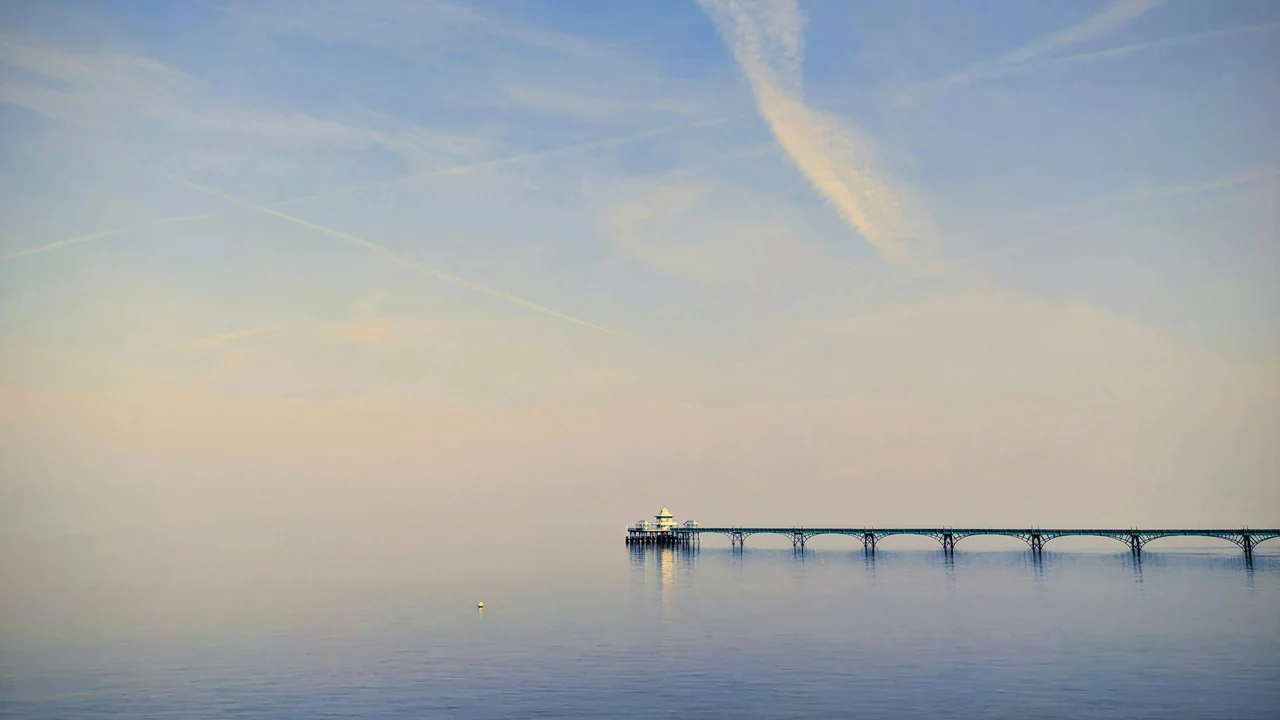
Wisconsin law draws a sharp line between seasonal and permanent docks. A seasonal dock is one that is placed in the water after ice-out in spring and removed before ice-in in fall. A permanent dock remains in place year-round, including through winter freeze. This distinction is critical because it determines whether you can use a statutory exemption or must apply for a full individual permit.
What Are the Seasonal Dock Permit Requirements in Wisconsin?
Seasonal docks that meet specific size and placement criteria may qualify for a “general permit” or even a statutory exemption under Wisconsin Statute 30.12(1)(a). The DNR’s general permit for seasonal docks (known as the “Waterway General Permit for Docks”) allows docks up to 6 feet wide and 40 feet long without a full individual permit, provided they do not obstruct navigation or exceed certain depth limits. However, you still need to register the dock with the DNR via a simple notification process, which is free. If your seasonal dock exceeds these dimensions or is placed in a sensitive area (e.g., a wild rice bed or trout stream), you must apply for an individual permit, which costs $150 and takes 30-60 days.
What Are the Permanent Dock Permit Requirements in Wisconsin?
Permanent docks always require an individual permit from the DNR. There is no exemption for year-round structures. The application process is more rigorous and includes a public notice period, environmental review, and often a site inspection. Permanent docks are subject to stricter size limits (typically no more than 6 feet wide and 60 feet long) and must be designed to minimize impact on aquatic vegetation and fish habitat. The application fee for a permanent dock permit is $300, and processing time is 60-90 days. Additionally, you must demonstrate that the dock is necessary for water access and that no reasonable alternative exists.
Step-by-Step Process for a Boat Dock Permit in Wisconsin
Follow these steps to obtain a boat dock permit from the DNR. The process varies slightly depending on whether you are applying for a general permit (seasonal) or an individual permit (permanent).
Determine Dock Type and Size
Measure your proposed dock’s width, length, and depth into the lake. Check if it qualifies for a seasonal general permit (6 ft wide x 40 ft long) or requires an individual permit. Also verify that your property has at least 50 feet of frontage on navigable water.
Check Local Zoning
Contact your county zoning office to confirm there are no additional setback or shoreline buffer requirements. Some counties require a conditional use permit for docks over a certain size. This step can prevent costly application rejections later.
Prepare Application Materials
Gather: a site plan showing dock location, property boundaries, and water depths; photos of the shoreline; proof of property ownership; and a completed DNR application form (Form 3500-124 for general permits or Form 3500-125 for individual permits). For individual permits, you may also need a wetland delineation report.
Submit Application to DNR
File your application through the Wisconsin DNR ePermitting system. Pay the applicable fee: $0 for seasonal docks under general permit (notification only), $150 for seasonal docks requiring individual permit, or $300 for permanent docks. Include all supporting documents as PDF uploads.
Wait for Review and Approval
The DNR will review your application for environmental impact, navigation safety, and compliance with state rules. For individual permits, the DNR publishes a 30-day public notice. Processing times range from 2 weeks (general permit) to 90 days (individual permit). You may receive a permit with conditions or a denial.
Install Dock and Maintain Records
Once approved, install your dock according to the approved plans. Keep a copy of the permit on site. For seasonal docks, set a reminder to remove the dock before November 15 (or earlier if your lake freezes sooner). Failure to remove a seasonal dock can result in fines up to $500 per day.
Wisconsin Dock Size Limits and Setback Rules
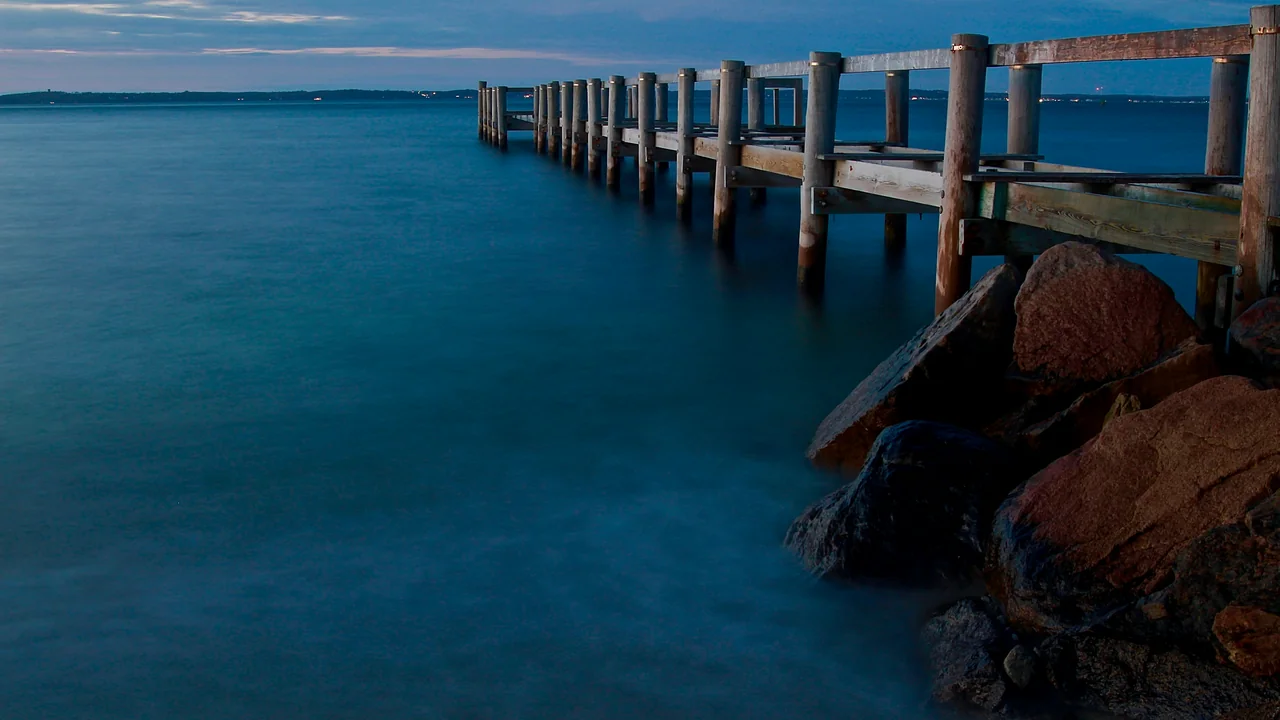
The DNR imposes clear size limits and setback rules to protect navigation, aquatic habitat, and neighboring properties. These apply to both seasonal and permanent docks, though permanent docks face stricter standards.
| Parameter | Seasonal Dock (General Permit) | Permanent Dock (Individual Permit) |
|---|---|---|
| Maximum width | 6 feet | 6 feet |
| Maximum length | 40 feet | 60 feet (with justification) |
| Maximum depth into lake | No deeper than 4 feet at low water | No deeper than 6 feet at low water |
| Setback from property line | 10 feet minimum | 15 feet minimum |
| Setback from navigation channel | 25 feet minimum | 50 feet minimum |
| Vegetation removal limit | None (dock must rest on bed, not dredge) | Minimal; must avoid sensitive species |
These limits are designed to prevent docks from extending into deeper water where they can interfere with fish spawning areas or boat traffic. If your lot has shallow water, you may need a longer dock, but you must apply for an individual permit and provide evidence that a shorter dock would not provide adequate water access. The DNR also prohibits docks that create a barrier to fish movement or that shade more than 25% of the shoreline within 50 feet.
Seasonal Dock Removal: The Critical Ice-In Requirement
Seasonal dock removal in Wisconsin is not optional—it is a legal requirement under Wisconsin Administrative Code NR 320.04. All seasonal docks must be removed from the water before the lake freezes, typically by November 15 in northern Wisconsin and December 1 in southern counties. The exact date depends on ice conditions, but the DNR expects removal by the first freeze event. Failure to remove a seasonal dock can result in fines of $500 per day, plus the cost of removal by the DNR if the dock becomes a hazard.
Why is this rule so strictly enforced? Ice movement during winter can destroy docks, creating debris that damages boats and harms aquatic life. Docks left in place also become “artificial reefs” that alter fish behavior and can entangle wildlife. The DNR conducts aerial surveys each spring to identify docks that were not removed, and property owners face escalating penalties for repeat violations.
Practical tips for compliance: Set a calendar reminder for October 15 to start planning removal. Use a dock removal service if your dock is heavy or complex. Store the dock on land at least 10 feet from the shoreline to prevent ice damage. Document the removal with photos in case the DNR questions the timing later. If you have a permanent dock, you must ensure it is designed to withstand ice pressure—typically with steel piles or a crib-style foundation—and you must maintain a permit that specifically allows year-round placement.
Floating Dock Permit Regulations in Wisconsin
Floating docks are treated differently under Wisconsin law because they do not rest directly on the lakebed. A floating dock permit may be easier to obtain than a fixed dock permit, but the DNR still requires authorization. Floating docks are considered “waterway structures” under Wisconsin Statute 30.12, and they must be moored to the shore with a single anchor line or a rigid connection. The DNR allows floating docks up to 6 feet wide and 40 feet long under the general permit for seasonal docks, provided they are removed each winter.
Key rules for floating docks: They cannot be anchored in a way that damages the lakebed (e.g., concrete blocks are prohibited in some areas). They must be clearly marked with reflective tape or lights if they extend more than 20 feet from shore. And they cannot be used as permanent mooring for boats—the dock is for pedestrian access only. If you plan to keep a floating dock in place year-round, you must apply for an individual permit and demonstrate that it will not be damaged by ice or create a navigation hazard.
Summary and Action Plan
Getting a boat dock permit in Wisconsin requires understanding the DNR’s seasonal versus permanent dock rules, following a clear application process, and complying with strict size limits and removal deadlines. Start by determining whether your dock qualifies as seasonal (removed each winter) or permanent (year-round). For most lake cabin owners, a seasonal dock under the DNR’s general permit is the simplest and most cost-effective option, with no application fee and a 2-week processing time. If you need a larger or permanent dock, budget $150-$300 for the permit fee and plan for 60-90 days of review.
Your first action should be to visit the Wisconsin DNR ePermitting system and create an account. Then measure your proposed dock and check the size limits in the table above. If your dock fits within the general permit criteria, submit the notification form and proceed with installation after receiving confirmation. For any questions, contact your regional DNR water management specialist—they can provide site-specific guidance and help you avoid common pitfalls like incorrect setbacks or missing local zoning approvals.
Frequently Asked Questions
Do I need a permit for a seasonal dock in Wisconsin?
Yes, you need authorization from the Wisconsin DNR for any seasonal dock placed on navigable waters. However, if your dock is 6 feet wide or less, 40 feet long or less, and does not extend into water deeper than 4 feet, you can use the DNR’s general permit process, which requires only a free notification rather than a full application. Docks exceeding these dimensions require an individual permit costing $150. Even with the general permit, you must still remove the dock before the lake freezes each year.
Do I have to remove my dock every winter in Wisconsin?
If your dock is classified as seasonal, yes, you must remove it before the lake freezes, typically by November 15 in northern Wisconsin and December 1 in southern counties. Permanent docks that are designed to withstand ice pressure may remain in place year-round, but they require an individual permit from the DNR and must be constructed with steel piles or a crib foundation. Failure to remove a seasonal dock can result in fines of $500 per day, and the DNR may remove the dock at your expense if it becomes a hazard.
How much does a Wisconsin dock permit cost?
The cost varies by dock type. Seasonal docks that qualify for the DNR’s general permit require only a free notification—no fee is charged. If your seasonal dock exceeds the general permit limits and requires an individual permit, the fee is $150. Permanent docks always require an individual permit, which costs $300. Additional costs may include county zoning fees (typically $50-$100) and, for larger projects, a wetland delineation report that can cost $500-$2,000. All fees are non-refundable, so ensure your application is complete before submission.
Last updated: July 02, 2026
- Wisconsin Department of Natural Resources – Waterway and Wetland Permitting Program
- Wisconsin Statute 30.12 – Structures in Navigable Waters
- Wisconsin Administrative Code NR 320 – Dock and Pier Standards

Dock Permit Guide
DockPermitGuide editor covering boat dock and pier permit requirements, costs, and regulations across the United States, Canada & Australia.