
Lake Lanier Dock Permit: Rules, Costs & How to Apply (2026)
 8 min read
1,537 words
8 min read
1,537 words

Yes, you need a dock permit for Lake Lanier. The U.S. Army Corps of Engineers (USACE) strictly regulates all shoreline and waterway construction on this federally managed reservoir. This guide covers the Lake Lanier dock rules, the USACE Lake Lanier permit process, and the Lake Lanier boat dock cost so you can plan your project with confidence. You will learn which agency to contact, what types of docks are allowed, how to apply step by step, and what fees and timelines to expect.
Which Agency Issues Dock Permits on Lake Lanier?
The U.S. Army Corps of Engineers (USACE) Mobile District manages all permitting on Lake Lanier under the Shoreline Management Plan (SMP). Unlike state-managed lakes where the Georgia Department of Natural Resources (DNR) might have authority, Lake Lanier is a federal reservoir built and operated by the Corps. This means your dock permit application goes directly to the USACE Lake Lanier Project Office, not to a state agency. The USACE enforces strict rules regarding dock design, placement, and environmental impact, and they conduct regular inspections to ensure compliance.
Lake Lanier Dock Rules: What Structures Are Allowed?
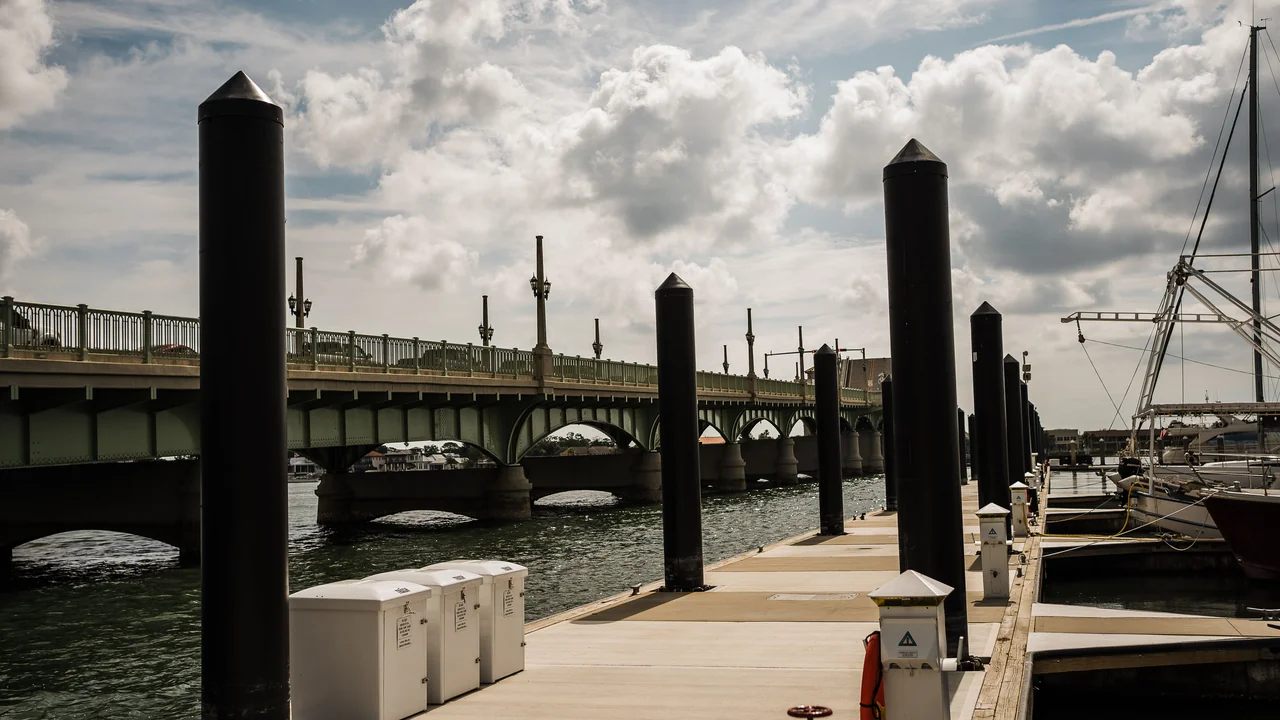
The USACE Shoreline Management Plan for Lake Lanier permits two primary dock types: fixed piers and floating docks. However, each type has specific design and dimensional requirements.
Fixed Docks vs. Floating Docks on Lake Lanier
Fixed docks are permanent structures anchored to the lakebed with pilings. Floating docks are buoyant platforms that rise and fall with the water level. Both are allowed, but the Corps has clear preferences and restrictions.
| Dock Type | Permitted on Lake Lanier | Key Restriction |
|---|---|---|
| Fixed Pier | Yes | Must not extend more than 40 feet beyond the shoreline (or as specified in your SMP zone). |
| Floating Dock | Yes | Must be anchored and not obstruct navigation. Maximum size varies by lot width. |
| Boat Lift | Yes (with dock permit) | Must be integrated into the dock structure and not exceed height limits. |
| PWC Lift | Yes (with dock permit) | Same rules as boat lifts; must stay within dock footprint. |
Shoreline Management Plan Zoning
The SMP divides Lake Lanier into zones based on shoreline characteristics. Each zone has different rules for dock size, setback from property lines, and water depth requirements. You must verify your property’s SMP zone before designing your dock. The USACE Lake Lanier Project Office can provide a zone map and specific dimensional limits for your lot.
How to Apply for a USACE Lake Lanier Permit
The application process for a dock permit on Lake Lanier is handled entirely through the USACE. You cannot submit through the Georgia DNR. Below is the step-by-step process.
Contact the USACE Lake Lanier Project Office or check their online SMP map to identify your property’s zone. This dictates allowable dock dimensions and placement.
Submit a preliminary plan to the Corps for feedback before a full application. This can save time and money by identifying issues early.
Download the form from the USACE Mobile District website. Include site plans, dock design drawings, property deed, and proof of ownership. Submit to the Lake Lanier Project Office.
The USACE issues a public notice for 15-30 days to allow comments from neighbors and agencies. They also review for environmental impacts under the Clean Water Act (Section 404).
Once approved, you receive a permit with specific conditions. You must build within the permit’s validity period (usually 1-3 years). A final inspection is required after construction.
How Much Does a Lake Lanier Boat Dock Cost?
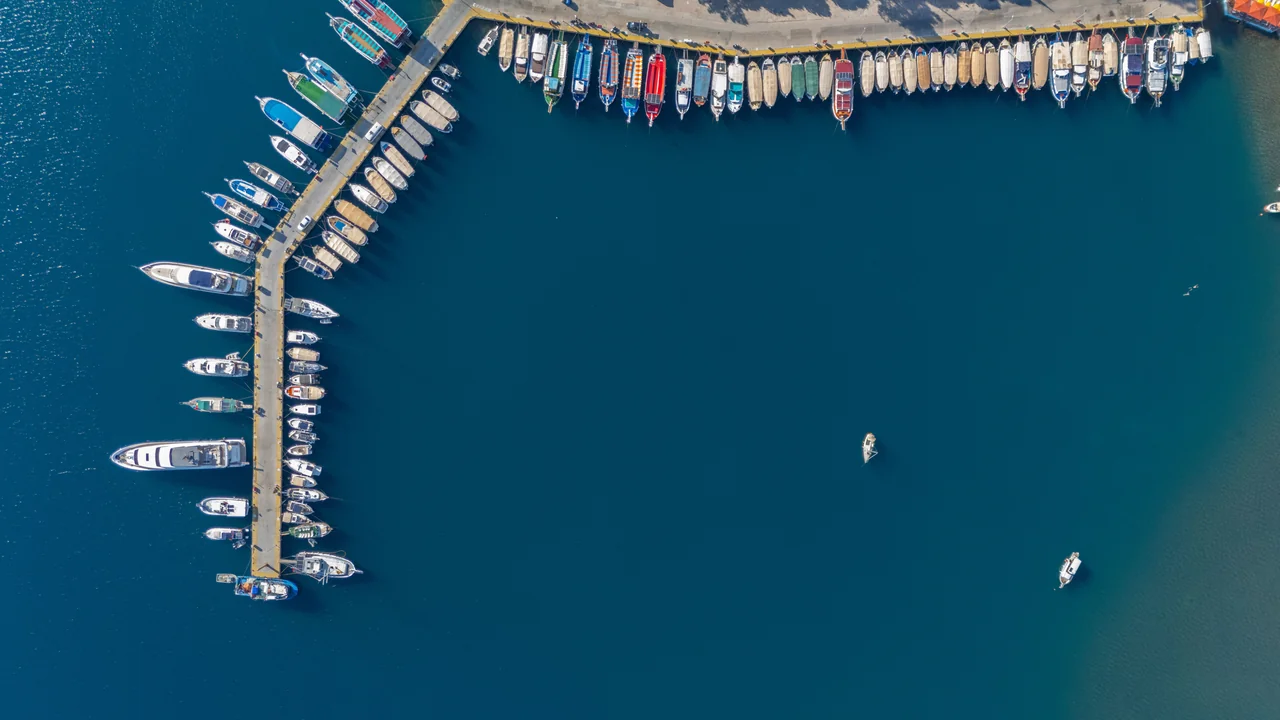
The Lake Lanier boat dock cost includes both the permit fee from USACE and the construction expenses. The permit fee is relatively low, but the total project cost can be significant depending on dock size, materials, and complexity.
USACE Permit Fee for Lake Lanier
The USACE does not charge a standard permit fee for individual residential docks under the Nationwide Permit program (NWP 13 for boat ramps and docks). However, if your dock requires an Individual Permit due to size or environmental concerns, a fee of $100 to $500 may apply. Most residential docks on Lake Lanier fall under NWP 13, so the permit fee is typically $0.
Construction and Material Costs
Building a dock on Lake Lanier involves materials, labor, and potential engineering fees. Floating docks tend to be less expensive than fixed piers, but both require durable materials to withstand the lake’s water level fluctuations.
| Cost Item | Estimated Range | Notes |
|---|---|---|
| Permit Application (USACE) | $0–$500 | Most residential docks are free under NWP 13. |
| Dock Design & Engineering | $500–$2,500 | Required for complex designs or if Individual Permit is needed. |
| Dock Construction (Floating) | $12,000–$35,000 | Includes decking, floats, anchors, and hardware. |
| Dock Construction (Fixed) | $20,000–$50,000+ | Includes pilings, framing, and decking. |
| Boat Lift Installation | $3,000–$10,000 | Added cost if integrated into dock. |
| Annual Maintenance | $500–$2,000 | Includes cleaning, staining, and minor repairs. |
How Long Does the Lake Lanier Dock Permit Process Take?
The timeline for a USACE Lake Lanier permit varies by project complexity. Simple residential docks under the Nationwide Permit program typically take 8 to 16 weeks from submission to approval. This includes the public notice period (15-30 days) and Corps review. If your dock requires an Individual Permit due to size, location in a sensitive area, or public opposition, the process can extend to 6 to 12 months. The pre-application step can help identify potential delays early.
Factors That Can Delay Your Permit
- Incomplete application forms or missing documentation.
- Property is in a high-sensitivity SMP zone requiring additional environmental review.
- Public objections during the notice period.
- Need for a Georgia DNR water quality certification (Section 401).
- Dock design exceeds SMP dimensional limits.
Pros of Pre-Application
- Identifies zoning and design issues early.
- Reduces risk of rejection.
- Shortens overall processing time.
Cons of Skipping Pre-Application
- Higher chance of application being returned for revisions.
- Potential for unexpected delays.
- May require redesign after submission.
Summary: Your Action Plan for a Lake Lanier Dock Permit
To get a dock permit on Lake Lanier, start by contacting the USACE Lake Lanier Project Office to confirm your SMP zone and dimensional limits. Submit a pre-application for feedback, then file a complete ENG Form 4345 with site plans. Budget $15,000 to $50,000 for construction and plan for 8 to 16 weeks of processing time. For a detailed overview of dock permitting across other states, see our Boat Dock Permit Guide. Always work with a licensed dock builder familiar with USACE requirements to ensure compliance.
Frequently Asked Questions
Do I need a USACE permit for a dock on Lake Lanier?
Yes, a USACE permit is mandatory for any dock, pier, or boat lift on Lake Lanier. The U.S. Army Corps of Engineers has exclusive jurisdiction over the reservoir because it is a federally owned and operated water project. Even small floating docks or temporary structures require a permit under the Shoreline Management Plan. Building without a permit can lead to fines, removal orders, and legal action from the Corps.
How much does a dock cost on Lake Lanier?
The total cost for a dock on Lake Lanier typically ranges from $15,000 to $50,000, depending on the dock type, size, materials, and whether you include a boat lift. Floating docks are generally more affordable at $12,000 to $35,000, while fixed piers with pilings can cost $20,000 to $50,000 or more. The USACE permit fee is usually $0 for residential docks under the Nationwide Permit program, but you should budget $500 to $2,500 for design and engineering services if needed.
Can I build a floating dock on Lake Lanier?
Yes, floating docks are allowed on Lake Lanier, subject to the USACE Shoreline Management Plan rules. They must be properly anchored to prevent drifting and must not extend beyond the maximum permitted length for your property’s SMP zone. Floating docks must also maintain a minimum water depth of 2 feet at the outer edge during normal pool elevation. The Corps prefers floating docks in areas with fluctuating water levels because they adjust automatically.
Last updated: July 02, 2026
- U.S. Army Corps of Engineers Mobile District – Lake Lanier Project Office
- USACE Shoreline Management Plan for Lake Sidney Lanier (2023 Revision)
- Code of Federal Regulations, 33 CFR Part 330 (Nationwide Permits)

Dock Permit Guide
DockPermitGuide editor covering boat dock and pier permit requirements, costs, and regulations across the United States, Canada & Australia.