
Dock Insurance Cost & Coverage: What Owners Need to Know (2026)
 12 min read
2,236 words
12 min read
2,236 words

If you own a dock, you have likely asked yourself: does homeowners insurance cover dock damage, or do you need separate coverage? The short answer is that a standard homeowners policy typically provides limited coverage for your dock under “other structures,” but the protection is far from complete. Understanding dock insurance cost and the specific gaps in your policy is essential to avoid a devastating out-of-pocket loss when a storm, ice, or a liability claim hits. In this guide, you will learn how homeowners insurance treats docks, what a standalone boat dock insurance policy costs, the critical exclusions for ice and flood damage, and how to navigate the claims process. We cover everything from liability coverage for guests to the specific requirements for dock owners on named lakes like Lake Travis and Lake Minnetonka. Let’s break down the real numbers and coverage realities so you can protect your investment.
Does Homeowners Insurance Cover Your Dock?
Most standard homeowners insurance policies, such as those based on the HO-3 form, include coverage for “other structures” (often listed as Coverage B). This category typically covers detached structures on your property, including fences, sheds, and—importantly—docks. However, the coverage limit is usually set at 10% of your dwelling coverage (Coverage A). For example, if your home is insured for $400,000, your dock would have a maximum of $40,000 in coverage under this provision.
This might sound adequate, but there are significant limitations. The coverage applies to a limited set of “named perils,” such as fire, lightning, windstorm, hail, and vandalism. Many policies explicitly exclude damage from ice, freezing, and floods—three of the most common threats to a dock. Furthermore, if your dock is used for commercial purposes, such as renting it out to boaters, your homeowners policy will almost certainly deny any claim. The key takeaway is that while your dock is technically covered under a standard policy, the protection is often insufficient for the actual risks and replacement costs.
Other Structures Coverage: The 10% Rule
The 10% rule is the baseline, but it is not a guarantee of full replacement. If your dock is older, your policy may only pay its actual cash value (ACV), which factors in depreciation. A 20-year-old wooden dock worth $80,000 to replace might only be valued at $20,000 or less by the insurer. For newer, larger, or more expensive docks, the 10% limit is often inadequate. If you have a $600,000 home, your dock coverage is capped at $60,000—but a high-end aluminum or composite dock with a boat lift can easily exceed $100,000. You need to review your policy’s Coverage B limit and consider adding a rider or a separate policy.
Boat Dock Insurance: Standalone Policies and Riders
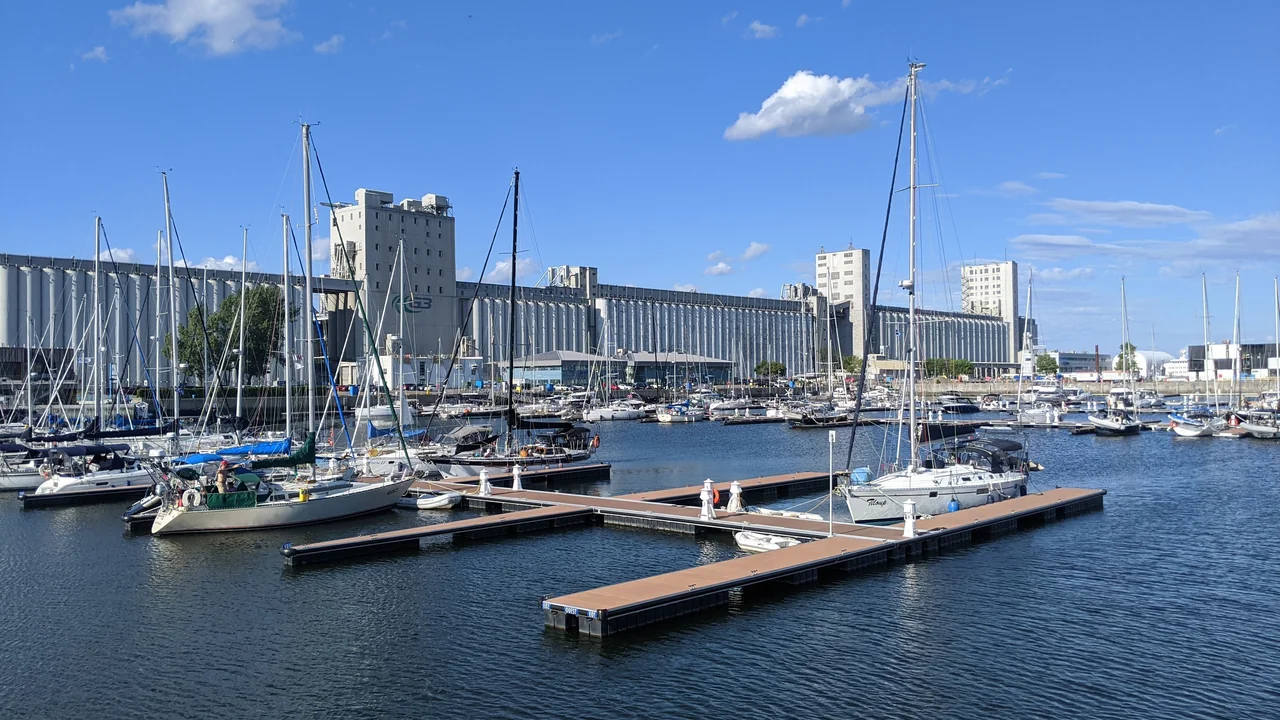
Given the gaps in homeowners insurance, many dock owners turn to a standalone boat dock insurance policy or a rider attached to their homeowners or boat insurance. A standalone policy is specifically designed for docks, piers, and associated equipment like boat lifts, jet ski lifts, and kayak racks. These policies offer broader coverage, including perils often excluded from homeowners insurance, such as ice damage, collision from a boat, and even vandalism.
The cost for this specialized coverage is surprisingly affordable. Most dock owners can expect to pay between $100 and $500 per year for a standalone policy with $50,000 to $100,000 in structure coverage. The premium depends on the dock’s construction material (wood is riskier and more expensive), its location (exposed waterfront costs more), and the value of attached equipment. A rider added to your existing homeowners policy is often cheaper, typically $75 to $200 per year, but may still have exclusions for ice and flood.
Dock Liability Coverage for Guests and Renters
Liability coverage is perhaps the most critical component of dock insurance. If a guest slips on your dock, falls off, or is injured by a broken board, you could be held legally responsible. Standard homeowners insurance includes personal liability coverage (Coverage E), which typically covers incidents on your property, including the dock. However, this coverage has limits—usually $100,000 to $300,000—and may not cover incidents involving rented watercraft or commercial activities.
If you rent out your dock or a boat slip, your homeowners liability coverage will almost certainly be void. You need a separate commercial liability policy or a specific endorsement for rental activities. Even for private use, consider increasing your liability limits to at least $500,000, given the high cost of a serious injury lawsuit. A standalone dock policy often includes higher liability limits and medical payments coverage, which pays minor medical bills for injured guests without requiring a lawsuit.
Critical Coverage Gaps: Ice, Wind, and Flood Exclusions
The most expensive mistakes dock owners make involve assuming their policy covers three major perils. Understanding these gaps is essential when evaluating dock insurance cost versus potential out-of-pocket losses.
Ice Damage and Freeze Exclusions
Winter ice is the single biggest threat to a fixed dock in northern climates. Expanding ice can crush pilings, shear off decking, and destroy boat lifts. Most standard homeowners policies explicitly exclude damage caused by “freezing” or “weight of ice or snow.” This exclusion is often hidden in the fine print. Even if your policy covers “windstorm,” it will not cover the structural damage caused by ice pushing against the dock. To get ice coverage, you must purchase a standalone dock policy or a specific endorsement. The cost is typically an additional 10-20% of the base premium, but it is worth it for lake homes on Lake Minnetonka or similar northern lakes.
Flood Insurance and the NFIP Exclusion
This is a little-known fact that surprises many waterfront property owners: the National Flood Insurance Program (NFIP) explicitly excludes coverage for docks, piers, and wharves. Even if you have a flood insurance policy for your home, it will not pay a single dollar for dock damage caused by rising water, storm surge, or wave action. This exclusion applies to both the structure and its contents, including boat lifts and personal property stored on the dock. Private flood insurance policies may offer limited coverage for docks, but it is rare and expensive. The only reliable way to cover flood-related dock damage is through a standalone dock insurance policy that includes flood as a named peril.
Windstorm and Hurricane Coverage
Wind damage is typically covered under homeowners insurance, but deductibles for wind and hurricane damage are often separate and much higher—sometimes 2% to 5% of the dwelling value. For a $400,000 home, that is an $8,000 to $20,000 deductible before your dock claim is paid. Furthermore, if wind-driven waves cause the damage, the insurer may classify it as “flood” and deny the claim entirely. This “wind versus water” dispute is a common source of litigation after major storms. A standalone dock policy with a lower, fixed deductible (e.g., $500 or $1,000) eliminates this ambiguity.
How Much Does Dock Insurance Cost? A Detailed Breakdown
The dock insurance cost varies based on several factors, but the national average for a standalone policy is approximately $250 per year for $75,000 in coverage. Below is a breakdown of typical costs based on dock type and location.
| Dock Type / Feature | Estimated Annual Premium | Coverage Amount |
|---|---|---|
| Small wooden dock (under 20 ft) | $100 – $200 | $25,000 – $40,000 |
| Medium aluminum dock (20-40 ft) | $200 – $350 | $50,000 – $75,000 |
| Large composite dock with lift (40+ ft) | $350 – $500 | $75,000 – $150,000 |
| Dock in hurricane-prone area (FL, TX, LA) | $400 – $700 | $75,000 – $100,000 |
| Dock in northern ice-prone lake (MN, WI, MI) | $250 – $450 | $50,000 – $100,000 |
| Rider on homeowners policy | $75 – $200 | Varies (limited perils) |
These costs are relatively low compared to the potential replacement cost of a dock. For example, replacing a 40-foot aluminum dock with a lift can easily cost $40,000 to $80,000, making a $300 annual premium a wise investment.
Claims Process and Documentation Tips for Dock Owners
Filing a dock insurance claim requires thorough preparation. Unlike a house fire, dock damage often happens gradually (e.g., ice damage over a winter) or during a storm when documentation is difficult. Follow these steps to protect your claim.
Take clear photos and videos of the damage from multiple angles. If possible, capture the damage before any cleanup or temporary repairs. Include close-ups of broken pilings, cracked decking, and displaced lifts.
Insurance policies require you to take reasonable steps to prevent additional loss. This may mean securing loose boards, removing debris, or tarping exposed areas. Keep receipts for any materials you purchase for temporary repairs.
Contact your insurance agent or company as soon as possible. Most policies require claims to be filed within a specific timeframe, often 30 to 60 days. Provide your documentation and a detailed description of the damage.
Obtain at least two written estimates from licensed dock builders. This gives the adjuster a clear basis for the claim amount. If your dock has a permit, include that documentation as well—it proves the dock was legally built. For permit requirements, see our guides on Lake Travis dock permits or Lake Minnetonka dock permits.
Summary: Protecting Your Dock Investment
Your dock is a valuable asset, often costing tens of thousands of dollars to build or replace. Relying solely on the limited “other structures” coverage in your homeowners policy is a risky gamble, especially given the common exclusions for ice, flood, and high wind deductibles. The most cost-effective solution is to purchase a standalone boat dock insurance policy or a dedicated rider. For an annual premium of $100 to $500, you gain broad coverage for the most common perils, including ice damage, and liability protection for guests. Before you buy, check with your current insurer first, but also get quotes from specialty marine insurance providers. Your first actionable step should be to call your insurance agent and ask explicitly: “Does my policy cover ice damage to my dock? Does it cover flood damage?” If the answer is no, it is time to explore standalone coverage.
For dock owners on regulated lakes, remember that your insurance may also require proof of a valid permit. If you are building a new dock or replacing a damaged one, review the permit requirements for your area. For example, if you are on Lake Travis, check the Lake Travis dock permit guide for LCRA rules. For projects involving federal waters, the Army Corps of Engineers dock permit guide is essential. And if you are adding a swim platform, do not forget the swim platform permit requirements.
Frequently Asked Questions
Does homeowners insurance cover my dock?
Yes, but only to a limited extent. Standard homeowners policies include “other structures” coverage, which typically covers docks at about 10% of your dwelling limit. For a $400,000 home, that means up to $40,000 in coverage. However, this coverage is for named perils only and often excludes ice, flood, and freeze damage. The policy also pays actual cash value, not replacement cost, for older docks. You should review your specific policy declarations page to see your Coverage B limit.
How much does dock insurance cost?
The cost of dock insurance varies widely based on the dock’s value, location, and construction material. For a standalone policy covering a medium-sized aluminum dock, expect to pay between $200 and $350 per year. A rider added to your homeowners policy is often cheaper, ranging from $75 to $200 annually. For large composite docks in hurricane-prone areas like the Gulf Coast, premiums can reach $500 to $700 per year. The cost is generally low compared to the replacement value of the dock.
Is ice damage to docks covered by insurance?
In most cases, ice damage is not covered by standard homeowners insurance. These policies typically exclude damage caused by the “weight of ice or snow” or “freezing.” This is a critical gap for dock owners in northern states like Minnesota, Wisconsin, and Michigan. To get coverage for ice damage, you need a standalone dock insurance policy that specifically includes ice as a named peril, or a rider that adds this coverage. Expect to pay a slightly higher premium for this protection.
Does flood insurance cover docks?
No, the National Flood Insurance Program (NFIP) explicitly excludes coverage for docks, piers, wharves, and any structures attached to them. Even if you have a comprehensive flood insurance policy for your home, it will not pay for dock damage caused by rising water, storm surge, or wave action. This is a little-known but important exclusion. Private flood insurance may offer limited dock coverage, but it is not common. The only reliable way to protect your dock from flood damage is through a standalone dock policy that includes flood as a named peril.
Last updated: July 02, 2026
- Insurance Information Institute (III) – Understanding Homeowners Insurance Coverage
- National Flood Insurance Program (NFIP) – Summary of Coverage Exclusions
- National Association of Insurance Commissioners (NAIC) – Dock and Pier Insurance Guidelines

Dock Permit Guide
DockPermitGuide editor covering boat dock and pier permit requirements, costs, and regulations across the United States, Canada & Australia.