
Boat Dock Permit in Connecticut: Complete 2026 Guide
 11 min read
2,200 words

If you own waterfront property in Connecticut and are planning to build a dock, pier, or boat lift, you likely need a boat dock permit Connecticut from the Connecticut Department of Energy and Environmental Protection (CT DEEP). The primary permit is the Structures, Dredging and Fill (SDF) permit, which applies to virtually all tidal and inland waterbody construction. This guide covers which agency to contact, what the Coastal Jurisdiction Line means for your project, specific rules for Long Island Sound and inland lakes, and the expected costs and timelines for 2026.
Which Agency Issues a Boat Dock Permit in Connecticut?
The primary state agency for dock permitting in Connecticut is the CT DEEP (Department of Energy and Environmental Protection). Their Office of Long Island Sound Programs (OLISP) handles tidal waters, while the Inland Water Resources Division handles inland lakes and rivers. Local municipal zoning and planning departments also have authority, so you must check with your town or city as well.
For docks on Long Island Sound or any tidal waterbody, the OLISP division is your main contact. For inland lakes, the Inland Water Resources Division handles the SDF permit. You can start by visiting the CT DEEP website or calling their permitting hotline to determine which division applies to your location.
What Is the Connecticut Coastal Jurisdiction Line (CJL)?
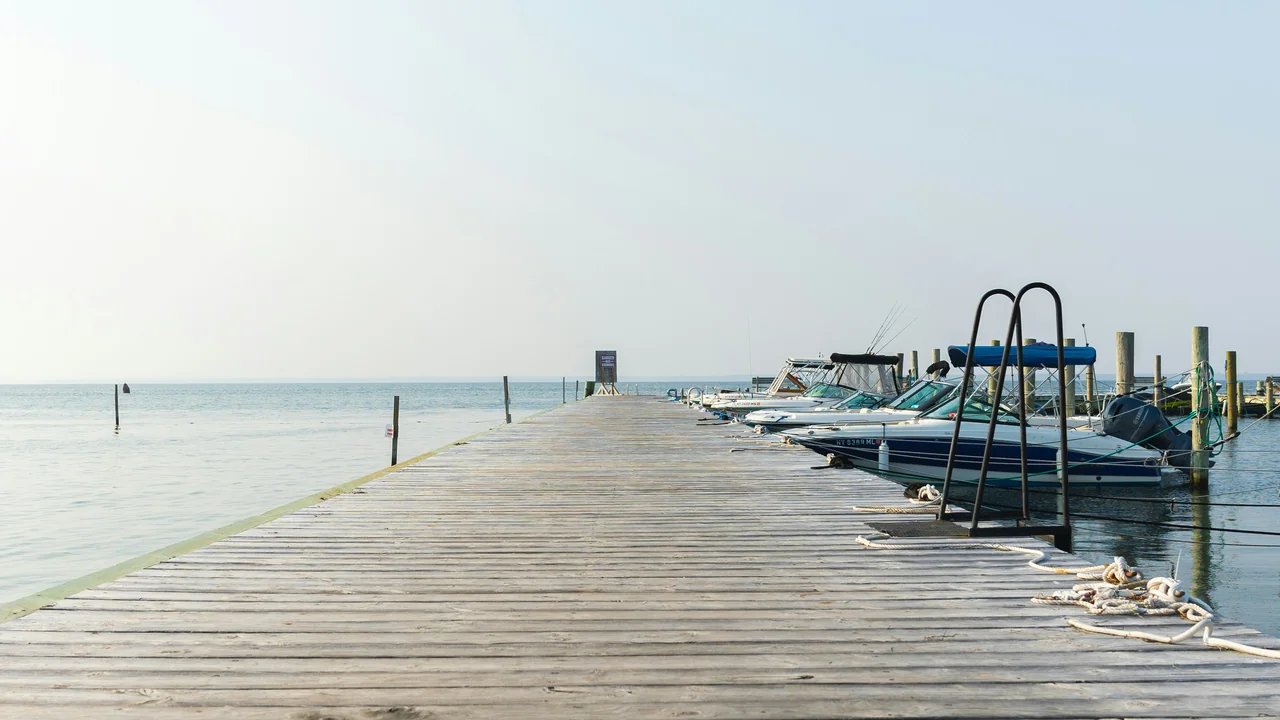
The Coastal Jurisdiction Line (CJL) is a unique regulatory boundary in Connecticut that determines where CT DEEP has authority over dock construction. It is not the same as the high tide line or the property line. The CJL is mapped by the state and defines the inland extent of tidal wetlands and coastal waters. Any dock construction below this line requires a permit from CT DEEP.
To find the CJL for your property, you can use the CT DEEP online mapping tool or contact your local planning office. If your dock extends into tidal waters below the CJL, you must apply for a Structures, Dredging and Fill permit. This is a critical first step because building without a permit below the CJL can result in fines and removal orders.
How to Determine If Your Property Is Below the CJL
Check your property deed and survey for any reference to the Coastal Jurisdiction Line. Many coastal properties have this line noted. If you are unsure, hire a licensed surveyor or contact the CT DEEP OLISP office. They can provide a map or a determination letter. Do not assume your dock is exempt because it is small or seasonal — the CJL applies regardless of dock size.
Long Island Sound Dock Permit: Specific Rules
Building a dock on Long Island Sound is one of the most regulated types of dock construction in Connecticut. The Sound is a federally navigable waterway, so you also need a permit from the US Army Corps of Engineers (USACE) New England District. The CT DEEP permit is typically the state-level approval, but the USACE permit is a separate requirement.
Docks on Long Island Sound must be designed to minimize impacts on tidal wetlands, eelgrass beds, and shellfish habitats. CT DEEP has strict dimensional limits: docks typically cannot exceed 6 feet in width and must be as short as possible to reach navigable water. Cantilevered or floating docks are often preferred over fixed piles to reduce environmental disturbance.
Dock Design Requirements for Long Island Sound
CT DEEP requires that docks on the Sound be open-pile or floating to allow water flow and fish passage. Solid fill docks are almost never permitted. You must also avoid shading eelgrass beds, which are critical fish habitat. If your dock exceeds 500 square feet, you may need a more detailed environmental impact assessment.
Inland Lakes and Dam-Impounded Ponds: CT DEEP Inland Permits
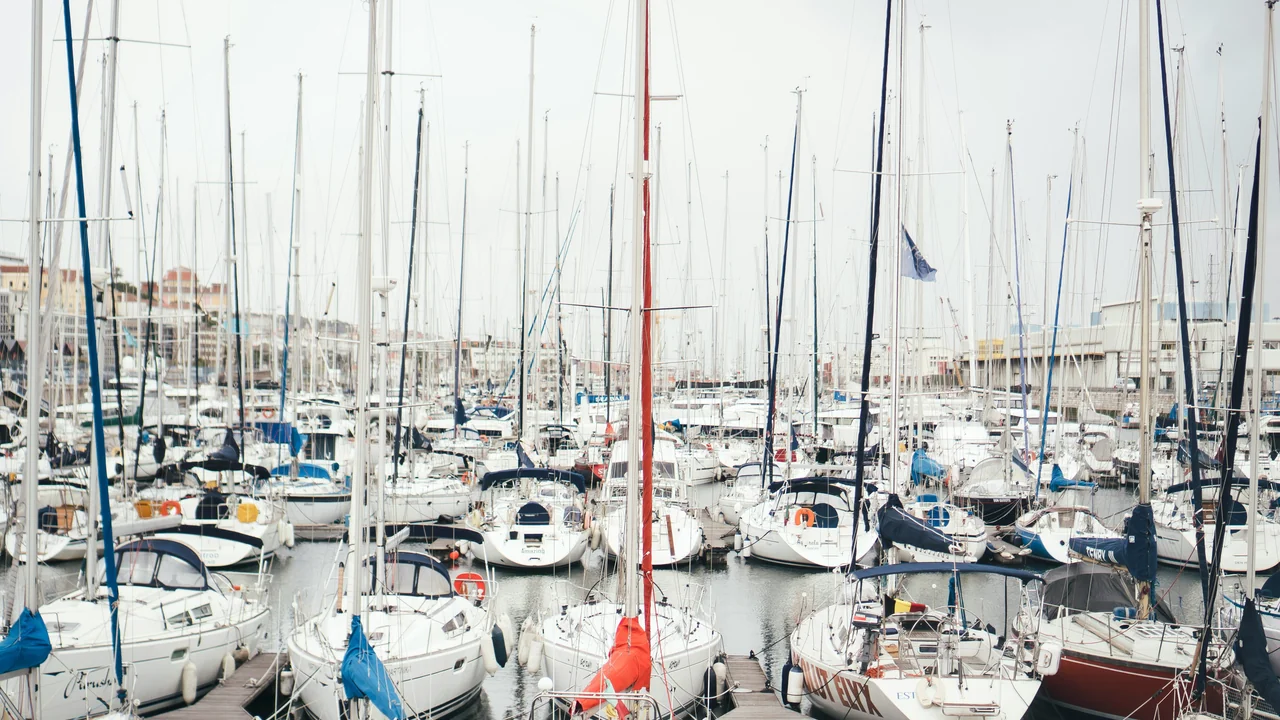
For docks on inland lakes, such as Candlewood Lake, Lake Lillinonah, or Bantam Lake, the CT DEEP Inland Water Resources Division issues permits. These lakes are often dam-impounded, meaning they are regulated as part of a river system. The same Structures, Dredging and Fill permit applies, but the review criteria differ from tidal waters.
Inland lake docks must not obstruct navigation or degrade water quality. CT DEEP also considers the lake’s classification — public water supply lakes have stricter rules. For example, on Candlewood Lake, which is a man-made reservoir, you need both a CT DEEP permit and a permit from the lake authority (FirstLight Power Resources).
Dam-Impounded Ponds: Special Considerations
If your property is on a dam-impounded pond (e.g., a mill pond or a small reservoir), the CT DEEP may require a review of the dam’s safety and the pond’s water level fluctuations. Docks must be designed to accommodate drawdowns, which can expose pilings or damage fixed structures. Floating docks are often the best choice for these waterbodies.
How Much Does a Boat Dock Permit Cost in Connecticut?
The cost of a boat dock permit Connecticut varies by agency and project complexity. Below is a breakdown of the typical fees you can expect in 2026.
| Permit Type | Agency | Fee Range |
|---|---|---|
| Structures, Dredging and Fill (SDF) – Tidal | CT DEEP OLISP | $200–$500 |
| Structures, Dredging and Fill (SDF) – Inland | CT DEEP Inland | $150–$400 |
| USACE Nationwide Permit (if applicable) | USACE | $10–$100 |
| USACE Individual Permit | USACE | $100–$500+ |
| Local Zoning Permit | Municipality | $50–$300 |
These fees are for the permit applications only. You may also need to pay for a survey, environmental assessment, or engineering design, which can cost $1,000–$5,000 or more depending on dock size and location. The total project cost for a small residential dock on Long Island Sound can range from $10,000 to $50,000 including permits and construction.
How Long Does the Connecticut Dock Permit Process Take?
The timeline for a boat dock permit Connecticut depends on the complexity of your project and whether it is in tidal or inland waters. Here is a typical step-by-step process.
Contact CT DEEP OLISP or Inland Water Resources for a preliminary review. This can take 1–2 weeks.
Complete the application, include site plans, and pay the fee. CT DEEP aims to review within 4–8 weeks for standard projects.
For projects on Long Island Sound or larger inland lakes, a 30-day public comment period may be needed.
Submit to USACE New England District. Review takes 2–4 months for individual permits.
Check with your town planning or zoning office. This can take 2–6 weeks.
In total, expect the process to take 3–6 months for a straightforward dock on an inland lake. For a dock on Long Island Sound with a USACE individual permit, the timeline can extend to 6–12 months. Plan ahead and start the application process well before you intend to build.
Boat Lift Permit Requirements in Connecticut
If you plan to install a boat lift as part of your dock, you need to know whether it requires a separate permit. In Connecticut, a boat lift is considered a structure under the SDF permit. If the lift is attached to the dock or placed on the bottom, it is included in the same permit application. However, if the lift is a standalone structure, you may need a separate authorization.
For more details on boat lift permitting, read our guide on Boat Lift Permit Requirements: Do You Need a Separate Permit? (2026). This guide covers Connecticut-specific rules and how to include a lift in your dock permit application.
Jet Ski Dock and PWC Lift Permits
Personal watercraft (PWC) docks and lifts are also regulated under the SDF permit. In Connecticut, a jet ski dock must meet the same dimensional and environmental standards as a boat dock. You cannot simply place a floating PWC lift without a permit if it is in tidal waters or below the Coastal Jurisdiction Line.
Learn more about PWC-specific rules in our guide on Jet Ski Dock and PWC Lift Permit Requirements (2026 Guide). This includes Connecticut-specific setbacks and design requirements for jet ski docks on Long Island Sound and inland lakes.
How Connecticut Compares to Other States
Connecticut’s dock permitting process is similar to other coastal states but has unique features like the Coastal Jurisdiction Line. For comparison, you can read our guides for other states. The Boat Dock Permit in Wisconsin: Complete 2026 Guide covers inland lake permits with a different agency structure. The Boat Dock Permit in Virginia: Complete 2026 Guide explains tidal water permitting with the Virginia Marine Resources Commission.
For lake-specific regulations, the Lake Norman Dock Permit: Duke Energy Rules & How to Apply (2026) shows how a private utility can have authority over dock construction, similar to how FirstLight Power regulates Candlewood Lake in Connecticut.
Summary: Your Action Plan for a Connecticut Dock Permit
To summarize, the key steps for obtaining a boat dock permit Connecticut are:
- Determine if your property is below the Coastal Jurisdiction Line (for tidal waters) or on a regulated inland lake.
- Contact CT DEEP OLISP (tidal) or Inland Water Resources (inland) for a pre-application consultation.
- Submit a Structures, Dredging and Fill (SDF) permit application with site plans and fees.
- Apply to the USACE New England District if your dock is on Long Island Sound or a navigable waterway.
- Check with your local municipality for zoning or planning permits.
- Include any boat lifts or PWC docks in the same permit application to avoid separate approvals.
Start the process early — at least 6 months before you plan to build. For a comprehensive overview of dock permitting across the country, see our Boat Dock Permit Guide.
Frequently Asked Questions
Do I need a DEEP permit for a dock in Connecticut?
Yes, almost all docks in Connecticut require a permit from CT DEEP. The primary permit is the Structures, Dredging and Fill (SDF) permit, which applies to both tidal waters (Long Island Sound) and inland lakes and rivers. If your dock is below the Coastal Jurisdiction Line, you must apply to the Office of Long Island Sound Programs. For inland lakes, the Inland Water Resources Division handles the permit. Even small recreational docks and floating platforms are subject to this requirement. Exemptions are rare and typically limited to very minor structures that do not affect water flow or habitat.
What is the Connecticut Coastal Jurisdiction Line?
The Coastal Jurisdiction Line (CJL) is a regulatory boundary mapped by CT DEEP that defines the inland extent of tidal wetlands and coastal waters. It is not the same as the high tide line or the property line. Any dock construction below this line requires a permit from CT DEEP’s Office of Long Island Sound Programs. The CJL is unique to Connecticut and is critical for determining whether your dock project needs state approval. You can find the CJL for your property using CT DEEP’s online mapping tool or by contacting your local planning office.
How much does a dock permit cost in CT?
The cost of a boat dock permit in Connecticut varies by agency and project type. The CT DEEP Structures, Dredging and Fill permit fee ranges from $150 to $500, depending on whether the project is in tidal or inland waters. A US Army Corps of Engineers permit, if required, costs $10 to $500. Local municipal permits add another $50 to $300. Beyond permit fees, you should budget $1,000 to $5,000 for surveys, environmental assessments, and engineering designs. Total project costs including construction can range from $10,000 to $50,000 for a typical residential dock.
Who regulates docks on Long Island Sound?
Docks on Long Island Sound are regulated by multiple agencies. The primary state regulator is the CT DEEP Office of Long Island Sound Programs (OLISP), which issues the Structures, Dredging and Fill permit. The US Army Corps of Engineers (USACE) New England District also has authority because Long Island Sound is a federally navigable waterway. Additionally, your local municipality may require zoning or planning permits. You must obtain approvals from all applicable agencies before construction begins. The process typically takes 6 to 12 months for a dock on the Sound.
Last updated: July 16, 2026
- Connecticut Department of Energy and Environmental Protection (CT DEEP) – Office of Long Island Sound Programs
- CT DEEP Inland Water Resources Division – Structures, Dredging and Fill Permit
- US Army Corps of Engineers New England District – Regulatory Division
- Connecticut General Statutes Sections 22a-359 to 22a-363 (Tidal Wetlands Act)

Dock Permit Guide
DockPermitGuide editor covering boat dock and pier permit requirements, costs, and regulations across the United States, Canada & Australia.