
Boat Dock Permit in New Hampshire: Complete 2026 Guide
 13 min read
2,488 words

If you own waterfront property in New Hampshire and want to build a dock, you likely need a boat dock permit New Hampshire issued by the New Hampshire Department of Environmental Services (NH DES) Wetlands Bureau. The specific permit you need depends on your dock’s size, location, and whether it is seasonal or permanent. This guide covers the two main permit pathways—Permit by Notification (PBN) and the standard Wetlands Permit—along with costs, timelines, and rules for popular lakes and the seacoast.
Which Agency Issues Boat Dock Permits in New Hampshire?
The NH DES Wetlands Bureau is the sole state agency that issues boat dock permits in New Hampshire. Under RSA 482-A, any construction, excavation, or placement of fill in or near surface waters—including docks, piers, and floats—requires a wetlands permit. The agency’s jurisdiction covers all lakes, ponds, rivers, and tidal waters in the state.
NH DES Dock Permit vs. Local Permits
NH DES is the primary permitting authority, but many towns and municipalities also require local approvals. For example, towns around Lake Winnipesaukee, such as Meredith and Gilford, have their own zoning and planning board reviews. You must secure both the state permit and any local permits before starting construction. Always check with your town’s planning or conservation office early in the process.
Permit by Notification NH: The Fast-Track Option
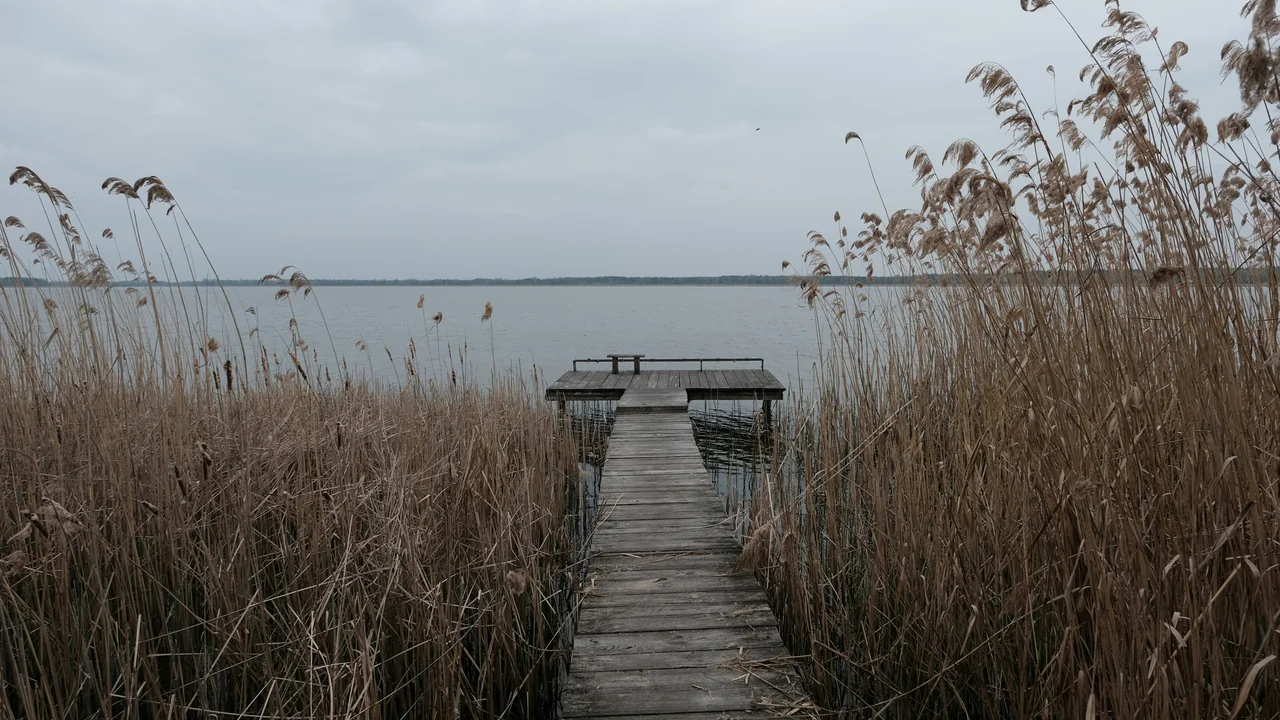
Permit by Notification NH (PBN) is the streamlined permitting pathway for small, low-impact dock projects. It is the most common permit type for residential docks on New Hampshire’s lakes and rivers. PBN is designed for projects that meet specific size and design criteria and do not require a full public hearing.
Eligibility Criteria for Permit by Notification
To qualify for a PBN, your dock project must meet all of the following conditions:
- Total structure size (dock + float) does not exceed 500 square feet
- Dock does not extend beyond 50 feet from the shoreline
- No more than one dock per 100 feet of shoreline frontage
- Structure is seasonal (installed after ice-out, removed before freeze-up)
- No dredging or filling is required
- Project is not in a designated “Protected Shoreland” buffer zone
How to Apply for a Permit by Notification
Download Form WTS-100 from the NH DES website. Include a site plan showing dock dimensions, location, and proximity to property lines.
File the application with the required fee. You can submit electronically through the NH DES OneStop online portal or by mail.
NH DES has 30 calendar days to review your application. If no objections are raised, the permit is automatically approved. You may proceed with construction after receiving written confirmation.
Standard Dock Permit Process in New Hampshire
If your dock project exceeds the PBN thresholds—larger than 500 square feet, extends beyond 50 feet, or requires dredging—you must apply for a Standard Wetlands Permit. This process is more rigorous and includes a public notice period and potential hearing.
When You Need a Standard Permit
You will need a standard permit for:
- Docks larger than 500 square feet or extending beyond 50 feet
- Permanent fixed docks with concrete piers or driven piles
- Any project involving dredging, filling, or excavation
- Docks in sensitive areas like designated natural lakes or critical wildlife habitat
- Commercial docks or multi-slip marinas
Standard Permit Application Steps
Contact NH DES Wetlands Bureau staff to discuss your project and identify potential issues before submitting a formal application.
File Form WTS-200 with detailed plans, including a site survey, cross-section drawings, and a narrative describing construction methods and environmental impacts.
NH DES publishes a public notice in a local newspaper and on its website. The public has 20 days to submit comments. If objections arise, a public hearing may be scheduled.
NH DES issues a decision within 60–90 days of receiving a complete application. If approved, you receive a Wetlands Permit with specific conditions.
Seasonal vs. Permanent Dock Rules in NH

New Hampshire distinguishes between seasonal and permanent docks, and this distinction affects which permit you need and what construction methods are allowed.
| Dock Type | Permit Type | Construction Notes |
|---|---|---|
| Seasonal (floating) | Permit by Notification (if under 500 sq ft) | Must be removed before ice forms. No concrete or piles in the water. |
| Permanent (fixed) | Standard Wetlands Permit | Requires driven piles or helical anchors. Must withstand ice and high water. |
| Seasonal (pipe frame) | Permit by Notification (if under 500 sq ft) | Pipe frames with decking are common. Must be removed seasonally. |
New Hampshire Dock Rules for Popular Lakes
While NH DES sets statewide standards, individual lakes may have additional restrictions. Here are the key rules for New Hampshire’s most popular lakes.
Lake Winnipesaukee Dock Rules
Lake Winnipesaukee is the largest lake in the state and subject to the most scrutiny. The Lake Winnipesaukee Watershed Management Plan imposes additional setback requirements. Docks on Winnipesaukee must maintain a minimum 10-foot setback from property lines and cannot extend into navigation channels. The lake’s fluctuating water levels—controlled by the dam at Lakeport—mean docks must be designed to handle a 5-foot water level variation.
Lake Squam and Lake Sunapee Dock Rules
Both Lake Squam and Lake Sunapee are designated as “great ponds” with special protections. Docks on these lakes are limited to 500 square feet total, and no dock may extend beyond 40 feet from the shoreline. Lake Squam has additional restrictions on motorized boat access near docks. Lake Sunapee requires a buffer of native vegetation between the dock and the shoreline.
Lake Ossipee Dock Rules
Lake Ossipee has some of the most restrictive dock rules in the state. The Ossipee Lake Watershed Management Plan limits docks to 400 square feet and prohibits any permanent structures. All docks must be seasonal and removed by November 1 each year. The town of Ossipee also requires a separate local permit before NH DES will process your application.
NH Seacoast Tidal Dock Rules
If your property is on the New Hampshire seacoast—in Portsmouth, Rye, or Hampton—you face additional permitting requirements. Tidal docks fall under both NH DES jurisdiction and federal authority from the US Army Corps of Engineers (USACE) under Section 10 of the Rivers and Harbors Act. Tidal docks must be designed to withstand tidal fluctuations, storm surge, and ice. The maximum dock length is typically 150 feet from the mean high water mark, but this varies by location.
Freshwater vs. Tidal Docks
- Freshwater: NH DES only (unless in navigable waterway)
- Freshwater: PBN available for most residential docks
- Freshwater: Seasonal removal strongly encouraged
Tidal Docks
- Tidal: NH DES + USACE permit required
- Tidal: No PBN option—standard permit only
- Tidal: Must withstand 6+ foot tidal range
How Much Does a Boat Dock Permit Cost in New Hampshire?
Permit fees in New Hampshire vary by project type and size. The table below shows current fee structure as of 2026.
| Permit Type | Fee | Notes |
|---|---|---|
| Permit by Notification (PBN) | $150 | Flat fee for all residential dock PBNs |
| Standard Wetlands Permit | $500 | Base fee for residential projects |
| Standard Wetlands Permit (commercial) | $1,500 | For marinas and multi-slip docks |
| Public Hearing Fee (if required) | $250 | Additional fee if hearing is scheduled |
| USACE Section 10 Permit (tidal only) | $100 | Separate federal fee |
Beyond permit fees, budget for a site survey ($500–$1,500), engineering plans if needed ($1,000–$3,000), and potential local permit fees ($50–$200 depending on town). Total cost for a typical residential dock project in New Hampshire ranges from $2,000 to $5,000 in permitting and design costs alone.
How Long Does the NH Dock Permit Process Take?
Timelines depend heavily on which permit type you need and whether your project triggers additional review.
- Permit by Notification: 30 days (statutory review period). If no issues, you can proceed immediately after.
- Standard Wetlands Permit (no hearing): 60–90 days from submission of a complete application.
- Standard Wetlands Permit (with hearing): 4–6 months from start to finish.
- Tidal dock with USACE review: 6–12 months, as federal review adds significant time.
- Local permit (town review): 30–60 days, often running concurrently with state review.
Summary: Your Action Plan for a New Hampshire Dock Permit
Start by determining whether your dock qualifies for a Permit by Notification NH. Measure your proposed dock area (including floats) and verify it is under 500 square feet and extends no more than 50 feet from shore. If it qualifies, the PBN process is straightforward and costs only $150. If your project is larger or permanent, prepare for the standard permit process, which requires more documentation and time.
Contact the NH DES Wetlands Bureau first—their staff can answer preliminary questions and direct you to the correct application. Simultaneously, check with your town’s planning or conservation office for local requirements. For lakes like Winnipesaukee, Squam, and Sunapee, be aware of lake-specific rules that may be more restrictive than state rules.
For more guidance on dock permitting in other states, see our Boat Dock Permit Guide or compare with the permit process in Wisconsin or Virginia. If you are adding a boat lift or PWC dock, review Boat Lift Permit Requirements and Jet Ski Dock and PWC Lift Permit Requirements. For lake-specific rules, see our Lake Norman Dock Permit guide for comparison with a different regulatory framework.
Frequently Asked Questions
Do I need a DES permit for a dock in New Hampshire?
Yes, almost all docks in New Hampshire require a permit from the NH Department of Environmental Services (NH DES) Wetlands Bureau under RSA 482-A. The only exceptions are very small temporary floats under 100 square feet that are used for less than 30 days per year. Even a simple seasonal floating dock requires at minimum a Permit by Notification (PBN). Building without a permit can result in fines of up to $10,000 per day and an order to remove the structure at your expense.
What is NH Permit by Notification?
Permit by Notification (PBN) is a streamlined permitting pathway offered by NH DES for small, low-impact dock projects. It is available for seasonal docks that are under 500 square feet in total area and extend no more than 50 feet from the shoreline. The review period is 30 days, and the fee is $150. If NH DES does not raise objections within that period, the permit is automatically approved. PBN is the most common permit type for residential docks on New Hampshire lakes.
How much does a dock permit cost in New Hampshire?
Permit fees in New Hampshire range from $150 for a Permit by Notification (PBN) to $500 for a standard Wetlands Permit for residential projects. Commercial docks and marinas pay $1,500. If a public hearing is required, an additional $250 fee applies. Tidal docks also require a separate $100 fee for the US Army Corps of Engineers permit. These fees do not include costs for site surveys, engineering plans, or local town permits, which can add $1,000 to $4,000 to your total permitting budget.
Do seasonal docks need permits in New Hampshire?
Yes, seasonal docks require a permit in New Hampshire. Most seasonal floating docks qualify for a Permit by Notification (PBN) as long as they are under 500 square feet and meet other size and location criteria. The dock must be installed after ice-out in the spring and removed before the water freezes in the fall. Leaving a seasonal dock in the water year-round without a permanent dock permit is a violation of state law and can result in fines and removal orders.
Do I need a permit for a floating dock in New Hampshire?
Yes. Floating docks are regulated the same as fixed docks. They require either a Permit by Notification (if under 500 sq. ft. and 6 ft. wide) or a standard wetlands permit. The NH DES considers floating docks as “structures” under RSA 482-A.
Can I build a dock on a New Hampshire lake without a permit?
No. Any dock, pier, wharf, or platform in or over public waters in New Hampshire requires a permit from the NH DES Wetlands Bureau. Building without a permit is a violation of RSA 482-A and can result in fines up to $25,000 per day and an order to remove the structure at your own expense.
How close to my neighbor’s property line can I build a dock in NH?
There is no state-wide setback from property lines for docks, but the NH DES requires that your dock does not interfere with your neighbor’s reasonable use of the water. Most towns have local ordinances requiring a 10–20 ft. setback from side property lines. Check with your town’s planning department before applying.
What is the maximum dock size allowed in New Hampshire without a standard permit?
Under the Permit by Notification (PBN) program, you can build a dock up to 500 square feet in total surface area and no more than 6 feet wide without needing a standard permit. Docks exceeding these limits require a full standard wetlands permit and may require a public hearing.
How long is a New Hampshire dock permit valid?
Most NH DES dock permits are valid for 10 years from the date of issuance. After 10 years, you must apply for a renewal. If you make modifications to the dock (adding length, width, or changing materials), a new permit is required.
Can I install a boat lift on my dock in New Hampshire?
Yes, but the boat lift must be included in your dock permit application. The lift adds to the total square footage of the dock structure. If adding a lift pushes your dock over 500 sq. ft., you will no longer qualify for a PBN and must apply for a standard permit.
Last updated: July 16, 2026
- NH Department of Environmental Services Wetlands Bureau — RSA 482-A
- NH DES Wetlands Permit Application Forms (WTS-100, WTS-200)
- US Army Corps of Engineers, New England District — Section 10 Permits
- Lake Winnipesaukee Watershed Management Plan
- Ossipee Lake Watershed Management Plan

Dock Permit Guide
DockPermitGuide editor covering boat dock and pier permit requirements, costs, and regulations across the United States, Canada & Australia.