
Jet Ski Dock and PWC Lift Permit Requirements (2026 Guide)
 11 min read
2,053 words
11 min read
2,053 words
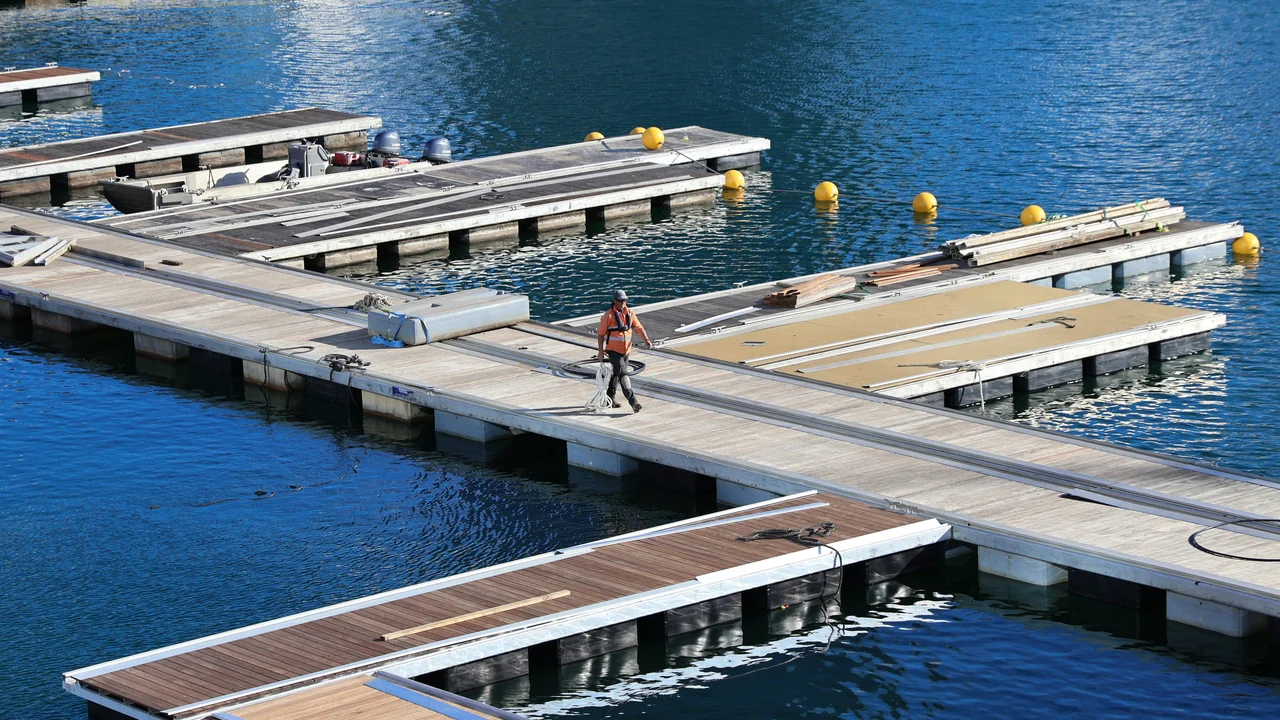
Yes, a jet ski dock permit is almost always required before installing a PWC lift, floating dock, or drive-on platform on navigable waters. Jet ski and personal watercraft (PWC) docks are treated as extensions of your primary dock or as standalone structures, placing them under the same regulatory umbrella as traditional boat docks. This guide explains exactly which agencies oversee these permits, how jet ski dock permit costs break down, the difference between drive-on floating PWC docks and lifts, and the typical timeline for approval. You will learn where to apply, what documentation you need, and how size thresholds and anchoring rules affect your project.
Do PWC Docks Need a Permit? Understanding Jet Ski Dock Permit Requirements
Yes, in nearly every jurisdiction, a jet ski dock permit is required. Personal watercraft docks are considered “water-dependent structures” under state and federal law. The U.S. Army Corps of Engineers (USACE) regulates any structure placed in navigable waters under Section 10 of the Rivers and Harbors Act and Section 404 of the Clean Water Act. Most states also require a separate state-level permit through their Department of Natural Resources (DNR), Department of Environmental Quality (DEQ), or equivalent agency.
What does this mean for your project? You cannot simply purchase a floating PWC dock and place it in the water. You must submit plans, pay fees, and receive approval before installation. Failing to do so can result in fines, removal orders, and legal liability.
Drive-On Floating PWC Docks vs. PWC Lifts: Permit Differences
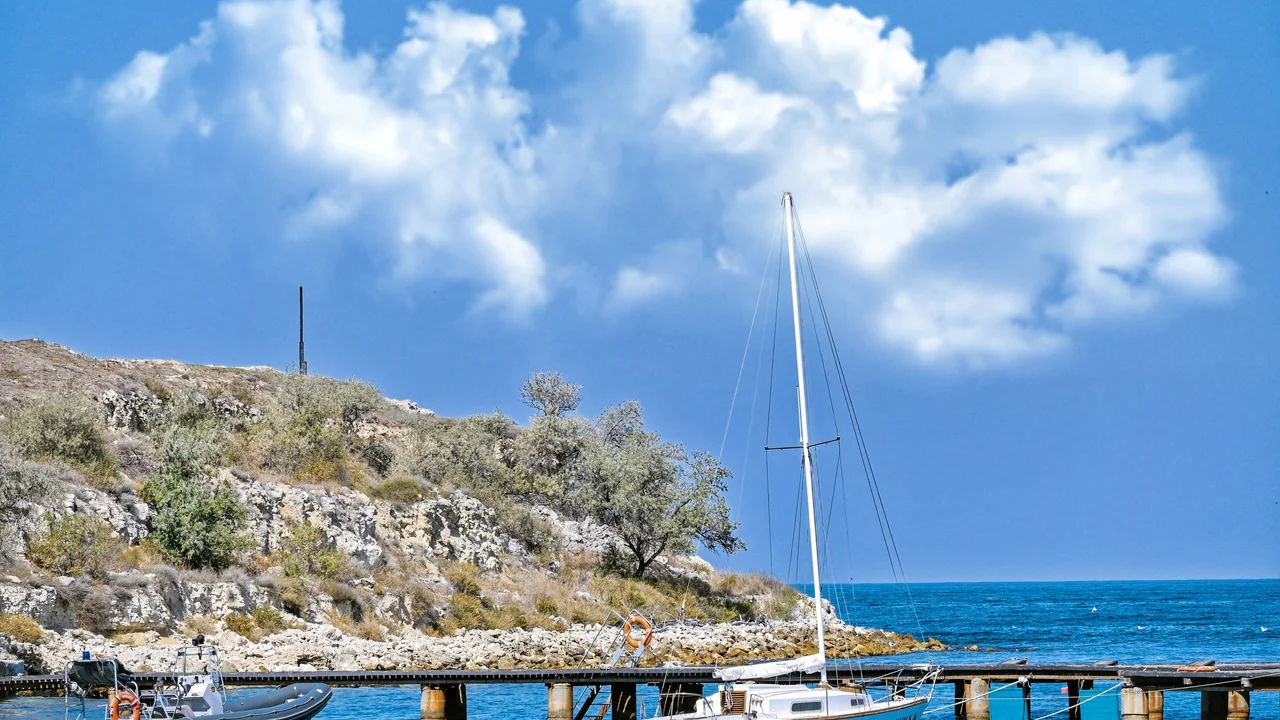
Understanding the difference between a drive-on floating PWC dock and a PWC lift is critical because the permit requirements can vary. A drive-on floating dock is a shallow-draft platform that allows you to ride your jet ski directly onto it. It floats on the water surface and is typically anchored to the bottom or attached to an existing dock. A PWC lift, by contrast, is a mechanical device that raises the watercraft completely out of the water, often using a winch, hydraulic system, or pneumatic bladder.
Jet Ski Floating Dock Rules
Floating PWC docks are generally subject to the same jet ski dock permit requirements as any other floating dock. They must meet size limits, setback requirements, and navigational safety standards. Many states limit the total square footage of all dock structures on a single property, so adding a floating PWC dock may push you over the limit. For example, Texas allows up to 1,000 square feet of total dock coverage on Lake Travis, but a PWC dock counts toward that total. Always check your state’s Floating Dock Permit rules to confirm local limits.
PWC Lift Permit Requirements
PWC lifts often require a separate permit or a modification to an existing dock permit. Because a lift mechanically alters the water column and may involve pilings, cables, or a fixed frame, regulators treat it as a more permanent structure. In many states, a PWC lift permit is issued as an amendment to your original dock permit. You will need to submit the lift’s dimensions, weight capacity, and anchoring method. Some states, like Florida, require specific engineering certifications for lifts installed in sensitive habitats like seagrass beds.
Adding a PWC Port to an Existing Permitted Dock
One of the most common scenarios is adding a PWC port—a dedicated slip or platform—to an existing dock that already has a permit. In most cases, this is considered a modification to your existing permit, not a new application. You will need to submit a “minor modification” request to the issuing agency. This typically involves providing updated drawings showing the PWC port dimensions, location, and how it attaches to the existing structure.
What does this mean for your project? If your original dock permit includes a clause allowing future additions, the process may be streamlined. However, if the addition exceeds certain thresholds—such as increasing total dock square footage by more than 20%—you may need a full new permit. Always check your original permit conditions before purchasing a PWC port.
Size Thresholds for Jet Ski Dock Permits

Size matters when applying for a jet ski dock permit. Most states regulate the total square footage of all dock structures on a property. Common thresholds include:
| State/Lake | Max Total Dock Sq. Ft. | Typical PWC Dock Limit |
|---|---|---|
| Texas (Lake Travis LCRA) | 1,000 sq. ft. | 200 sq. ft. per PWC |
| Florida (Statewide) | Varies by county (avg. 500–1,200 sq. ft.) | 150 sq. ft. per PWC |
| Michigan (Inland Lakes) | No statewide cap (local rules apply) | Usually ≤ 200 sq. ft. |
| California (Delta Region) | 1,200 sq. ft. total | 100 sq. ft. per PWC |
If your PWC dock pushes you over the size limit, you may need to reduce the size of your main dock or apply for a variance, which is a longer and more expensive process. Always measure your existing dock first.
State and Lake-Operator Rules for Jet Ski Docks
Permit requirements vary significantly by state and even by individual lake. State agencies like the DNR or DEQ handle general permitting, but lake operators—such as the U.S. Forest Service (USFS), the Tennessee Valley Authority (TVA), or local water authorities—often impose additional rules. For example, on Lake Tahoe, the Tahoe Regional Planning Agency (TRPA) has strict regulations on PWC docks due to water clarity concerns. On Table Rock Lake, the USACE requires a separate permit for any structure extending beyond the primary dock’s footprint.
What does this mean for your project? You must check both state and local rules. Start with your state DNR website, then contact the lake operator if applicable. Some lakes have pre-approved PWC dock designs that speed up the permit process.
Installation and Anchoring Requirements for PWC Docks
The way you install and anchor your jet ski dock directly affects permit approval. Most agencies require that PWC docks be anchored in a way that minimizes environmental impact. Common methods include:
- Helical piles or screw anchors (preferred for minimal bottom disturbance)
- Concrete blocks (allowed in some areas, but must be removed during winter drawdown)
- Cable anchoring to existing dock (only if the dock is structurally rated for the added load)
- Floating anchors (used on reservoirs with fluctuating water levels)
Drive-on PWC docks must have a low draft to avoid grounding. Most states require a minimum water depth of 2–3 feet at the dock’s outer edge to ensure navigation safety. Additionally, you must maintain a clear channel of at least 15–25 feet between your PWC dock and adjacent property lines or main navigation channels.
Personal Watercraft Dock Regulations: Federal vs. State Overlap
Personal watercraft dock regulations involve a dual layer of authority. The USACE has jurisdiction over all navigable waters, which includes most lakes connected to rivers or interstate commerce. State agencies then layer on additional rules. In practice, this means you may need both a USACE permit (often a nationwide permit like NWP 13 for boat ramps and docks) and a state permit. Some states have a joint application process, while others require separate submissions.
What does this mean for your project? Always start with the USACE’s “Permit Finder” tool on their website to determine if your lake is regulated. If it is, your jet ski dock permit application must include a USACE-approved plan. Many states will not issue a state permit until you have USACE clearance.
Pros of Joint Permitting
- Single application in some states (e.g., Michigan)
- Faster review if both agencies coordinate
- Reduced paperwork duplication
Cons of Separate Permitting
- Two separate fees and timelines
- Risk of conflicting requirements
- Longer overall approval time (up to 6 months)
Cost Breakdown for a Jet Ski Dock Permit
The cost of a jet ski dock permit varies widely. Here is a typical breakdown:
| Permit Component | Typical Cost | Notes |
|---|---|---|
| State DNR/DEQ permit fee | $75–$350 | Non-refundable application fee |
| USACE permit fee (if applicable) | $0–$100 | Nationwide permits often free; individual permits cost $100 |
| Local lake operator fee | $50–$200 | Some operators charge a separate review fee |
| Engineering/survey costs | $300–$1,500 | If required for anchoring or environmental review |
| Total estimated cost | $425–$2,150 | Varies by complexity and location |
These fees are in addition to the cost of the PWC dock or lift itself, which can range from $2,000 to $8,000 for a drive-on floating dock and $3,000 to $12,000 for a PWC lift.
Summary and Action Plan for Your Jet Ski Dock Permit
Installing a jet ski dock or PWC lift requires careful planning and a permit. Start by contacting your state’s DNR or equivalent agency to determine the specific jet ski dock permit requirements for your lake. If your lake is federally managed, also check with the USACE. Measure your existing dock to ensure the addition stays within size limits, and prepare a detailed anchoring plan. The process typically takes 4–10 weeks, so plan ahead. For a deeper dive into floating dock rules, see our Floating Dock Permit guide.
Your first call should be to the local lake operator or state permitting office. They can tell you whether your project qualifies as a minor modification or requires a full new permit. Do not skip this step—fines and removal orders are costly and avoidable.
Frequently Asked Questions
Do I need a permit for a jet ski dock?
Yes, a permit is required in almost all cases. Jet ski docks are considered water-dependent structures and are regulated by the U.S. Army Corps of Engineers and state agencies. The permit process typically involves submitting plans, paying a fee, and waiting 4–10 weeks for approval. Failing to obtain a permit can result in fines and forced removal of the dock.
Can I add a PWC port to my existing dock without a new permit?
In many cases, yes, but it depends on your original permit conditions. Adding a PWC port is usually treated as a minor modification, requiring only an amended application. However, if the addition exceeds size limits or changes the dock’s structural footprint significantly, a new permit may be needed. Always check with your issuing agency first.
Do jet ski lifts need permits?
Yes, jet ski lifts typically require a permit because they are considered permanent structures that alter the water column. The permit process is similar to that for a floating dock but may require additional engineering details, such as the lift’s anchoring system and weight capacity. Some states issue a separate PWC lift permit, while others treat it as an amendment to an existing dock permit.
What is a drive-on jet ski dock?
A drive-on jet ski dock is a floating platform designed to allow a personal watercraft to be ridden directly onto it. It typically has a shallow draft and a ramp-like entry. These docks are anchored to the lake bottom or attached to an existing dock. They are regulated under the same jet ski dock permit rules as other floating structures and must meet size and setback requirements.
Last updated: July 02, 2026
- U.S. Army Corps of Engineers Regulatory Program
- Texas Parks and Wildlife Department – Dock Permitting
- Florida Department of Environmental Protection – Dock Permits
- Lower Colorado River Authority – Lake Travis Dock Rules

Dock Permit Guide
DockPermitGuide editor covering boat dock and pier permit requirements, costs, and regulations across the United States, Canada & Australia.
One Comment