
Lake Powell Dock Permit: NPS Rules & How to Apply (2026)
 10 min read
1,905 words

Do You Need a Dock Permit for Lake Powell?
If you own property or plan to operate a houseboat on Lake Powell, the answer is clear: you cannot build a private dock. Lake Powell is entirely within Glen Canyon National Recreation Area (GCNRA), managed by the National Park Service (NPS). The NPS does not issue permits for private residential docks on this reservoir. All dock facilities are operated by NPS-authorized concessionaires. This guide explains the rules, alternatives, and how to secure a mooring or marina slip for your vessel in 2026. This guide covers everything you need to know about dock permit Lake Powell.
You will learn exactly which agency controls dock permits, the houseboat mooring and anchoring rules, how low water levels impact access, and the practical steps to get your boat on the water legally. Whether you are on the Arizona or Utah side of the lake, the same federal rules apply.
Which Agency Issues Dock Permits on Lake Powell?
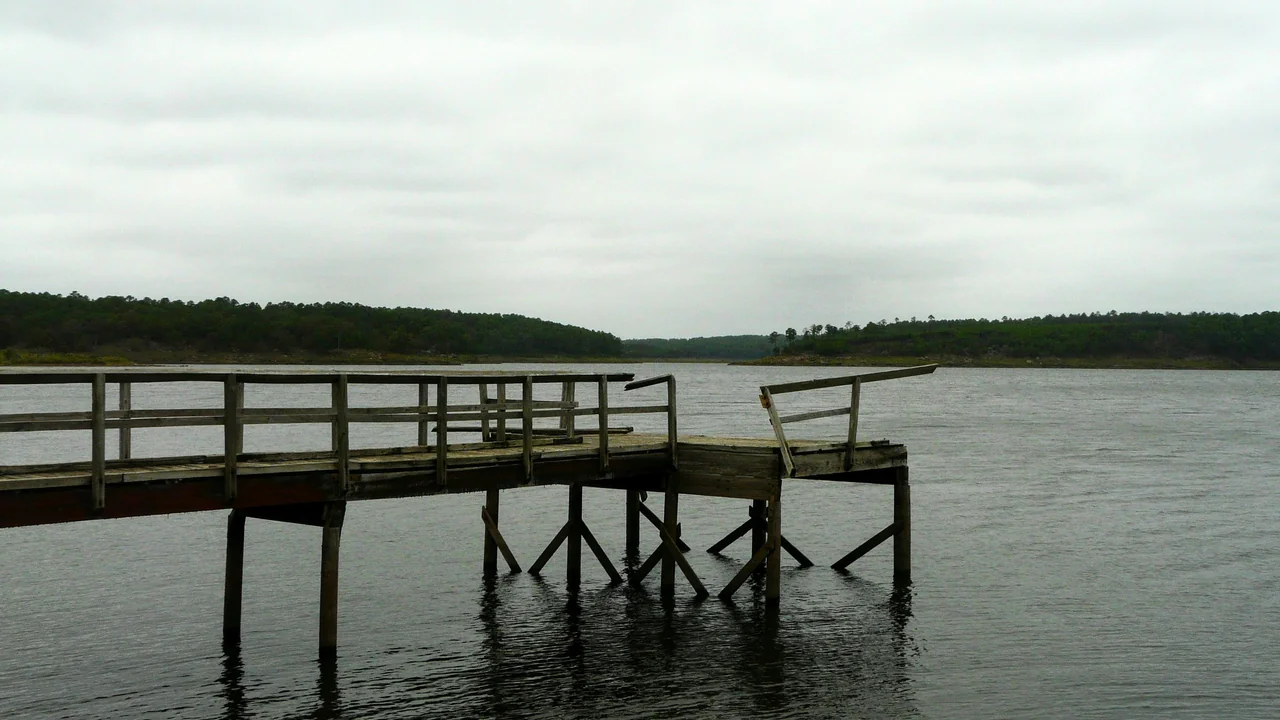
The National Park Service (NPS) through Glen Canyon National Recreation Area is the sole authority for all dock-related activities on Lake Powell. No state or county agency issues private dock permits for this reservoir. The NPS operates under the Glen Canyon National Recreation Area General Management Plan and Code of Federal Regulations (36 CFR § 1-7).
Because the lake is a federal recreation area, all dock facilities are concession-operated. This means you cannot apply for a permit to build a dock on your own. Instead, you must work with one of the NPS-authorized marinas to secure a slip or mooring.
Lake Powell Dock Rules: What Is and Isn’t Allowed
The NPS enforces strict rules to protect the natural and cultural resources of the Glen Canyon area. Understanding these rules is essential before planning any dock or mooring setup.
Private Docks Are Prohibited
There are no private residential docks on Lake Powell. The NPS does not issue permits for private docks, piers, or fixed platforms. All dock infrastructure is owned and operated by NPS concessionaires at designated marinas. If you own property adjacent to the lake, you cannot build a dock from your lot to the water.
Houseboat Mooring and Anchoring Rules
Houseboats on Lake Powell must moor at designated marina slips or use approved anchoring systems. The NPS allows temporary anchoring in certain areas, but you must follow specific regulations:
- Anchoring is permitted only in designated zones away from navigation channels and sensitive habitats.
- You cannot leave a houseboat anchored unattended for more than 14 consecutive days without moving it.
- All mooring lines and anchors must be removed when the vessel is not in use.
- No permanent mooring buoys or fixed anchors are allowed without a special use permit from the NPS.
For long-term houseboat storage, you must rent a slip at one of the five concession-operated marinas: Wahweap, Bullfrog, Halls Crossing, Hite, or Antelope Point.
How to Apply for a Marina Slip on Lake Powell

Since private docks are not an option, the only way to keep your boat or houseboat on Lake Powell is to secure a slip at a concession-operated marina. Here is the step-by-step process:
Select from Wahweap (AZ), Bullfrog (UT), Halls Crossing (UT), Hite (UT), or Antelope Point (AZ). Each has different slip sizes, amenities, and waitlists.
Each marina is operated by a private company under NPS contract. Call or visit their website to inquire about slip availability and rates.
Fill out the marina’s application form. You will need vessel registration, insurance, and proof of ownership.
Slip fees vary by marina and vessel size. Expect to pay a security deposit plus monthly or annual rental fees.
Review and sign the contract with the marina. The agreement will outline rules for vessel storage, maintenance, and liability.
Waitlists for slips can be long, especially at popular marinas like Wahweap and Antelope Point. Apply as early as possible — some waitlists exceed 12 months.
Lake Powell Houseboat Rules: What You Need to Know
Houseboating is one of the most popular activities on Lake Powell, but the NPS has specific rules that affect how you can use your vessel.
Houseboat Slip Requirements
All houseboats must be stored in a marina slip when not in use. You cannot leave a houseboat anchored in a cove for extended periods. The NPS enforces this rule to prevent environmental damage and navigational hazards.
Waste and Discharge Regulations
Houseboats must have holding tanks for sewage and gray water. Discharging waste into the lake is strictly prohibited. All marinas have pump-out stations. The NPS conducts regular inspections to ensure compliance.
Length and Size Limits
Marina slips have maximum vessel length limits. Most slips accommodate houseboats up to 60 feet, but some marinas have larger slips for custom vessels. Check with the specific marina for exact dimensions.
Multi-State Considerations: Arizona vs. Utah
Lake Powell straddles the Arizona-Utah border. While NPS rules are consistent across the entire lake, there are minor differences in state-level requirements for vessel registration and boater education.
| Requirement | Arizona Side | Utah Side |
|---|---|---|
| Vessel Registration | Arizona Game and Fish Department | Utah Division of Motor Vehicles |
| Boater Education | Required for operators born after 1992 | Required for operators born after 1984 |
| Insurance Requirement | Not required by state law | Not required by state law |
| Marina Jurisdiction | Wahweap, Antelope Point | Bullfrog, Halls Crossing, Hite |
Regardless of which state you launch from, you must follow NPS rules while on the water. State registration is separate from the NPS mooring permit process.
Low Water Level Impacts on Dock Access
Lake Powell has experienced historically low water levels in recent years due to drought and water management decisions. This directly affects dock access and marina operations.
As of 2026, the lake level is approximately 3,525 feet above sea level — well below the full pool of 3,700 feet. Several marinas have had to relocate their launch ramps and extend their dock systems to reach deeper water. Hite Marina has been particularly affected, with periods where boat launching was impossible.
When water levels drop, slip availability decreases because marinas must consolidate floating docks. Some slips become too shallow for larger vessels. If you are considering a slip, ask the marina about their water depth contingency plans and whether your vessel will be affected at lower levels.
For the most current lake level data, check the Bureau of Reclamation’s Upper Colorado Basin website or the NPS Glen Canyon page before making any commitments.
Cost of Marina Slips on Lake Powell
Pricing for slips varies by marina, vessel size, and season. Below are approximate 2026 rates based on public information from concessionaires:
| Marina | Slip Size | Monthly Rate | Annual Rate |
|---|---|---|---|
| Wahweap (AZ) | Up to 50 ft | $400–$700 | $4,200–$7,200 |
| Bullfrog (UT) | Up to 60 ft | $350–$650 | $3,600–$6,500 |
| Antelope Point (AZ) | Up to 55 ft | $450–$750 | $4,800–$7,800 |
| Halls Crossing (UT) | Up to 45 ft | $300–$500 | $3,000–$5,000 |
| Hite (UT) | Limited availability | $250–$400 | $2,500–$4,000 |
These rates do not include security deposits, utility fees, or taxes. Some marinas require a minimum 6-month commitment. Always get a written quote before signing.
Alternatives to Marinas: Temporary Anchoring
If you do not need a permanent slip, you can anchor your boat temporarily in designated areas. This is common for overnight trips and weekend outings. However, there are strict limits:
- Maximum 14 consecutive days at any single anchoring location.
- You must move the vessel at least 1 mile between anchoring periods.
- No anchoring within 200 feet of a marina, launch ramp, or navigation channel.
- All anchors and lines must be removed when leaving.
Temporary anchoring is not a substitute for a permanent slip. The NPS patrols the lake regularly and will issue citations for violations.
Final Thoughts
Lake Powell’s unique status as a National Recreation Area means that private docks are simply not an option. Your only legal path to a permanent dock is renting a slip at an NPS-authorized marina. Start by contacting the concessionaire at your preferred marina to inquire about availability and waitlists. Given the ongoing low water crisis, act early and have a backup plan.
For property owners on other lakes where private docks are allowed, you may find the process more straightforward. For comparison, check out our guides on Lake Norman Dock Permit: Duke Energy Rules & How to Apply (2026) or Lake of the Ozarks Dock Permit: AmerenUE Rules & How to Apply (2026) for examples of lakes with private dock permitting. If you are considering a boat lift, see our Boat Lift Permit Requirements: Do You Need a Separate Permit? (2026) guide. For state-specific rules, our Boat Dock Permit in Wisconsin: Complete 2026 Guide may be useful. And for smaller watercraft, read our Jet Ski Dock and PWC Lift Permit Requirements (2026 Guide). For a broader overview, start with our Boat Dock Permit Guide.
Frequently Asked Questions
Can I build a private dock on Lake Powell?
No. The National Park Service does not issue permits for private docks on Lake Powell. All dock facilities are operated by NPS-authorized concessionaires at designated marinas. Building any private dock, pier, or fixed platform is prohibited under federal regulations. Your only option for a permanent dock is renting a slip at a marina.
Who controls docks on Lake Powell?
The National Park Service (NPS) through Glen Canyon National Recreation Area has full authority over all dock-related activities on Lake Powell. No state or county agency issues private dock permits for this reservoir. The NPS sets the rules for mooring, anchoring, and marina operations. Concessionaires operate the marinas under NPS contracts.
How do houseboat moorings work on Lake Powell?
Houseboats must be moored at a designated marina slip or anchored temporarily in approved zones. Long-term storage requires a slip at one of the five NPS-authorized marinas: Wahweap, Bullfrog, Halls Crossing, Hite, or Antelope Point. Temporary anchoring is allowed for up to 14 consecutive days, but you must move the vessel at least 1 mile between locations. Permanent mooring buoys are not permitted without a special use permit.
How has low water affected docks on Lake Powell?
Low water levels have significantly impacted dock access and marina operations. As of 2026, the lake is about 175 feet below full pool. Several marinas have had to extend dock systems and relocate launch ramps. Slip availability has decreased, and some anchoring zones are no longer accessible. Hite Marina has faced periods where launching was impossible. Always check current lake levels with the Bureau of Reclamation before planning your trip.
Last updated: July 16, 2026
- National Park Service – Glen Canyon National Recreation Area (nps.gov/glca)
- Code of Federal Regulations, 36 CFR § 1-7
- Bureau of Reclamation – Upper Colorado Basin (usbr.gov/uc)
- Lake Powell Marinas concessionaire websites (Wahweap, Bullfrog, Halls Crossing, Hite, Antelope Point)

Dock Permit Guide
DockPermitGuide editor covering boat dock and pier permit requirements, costs, and regulations across the United States, Canada & Australia.