
Flathead Lake Dock Permit: Montana DNRC Rules & How to Apply (2026)
 13 min read
2,477 words
If you own lakefront property on Flathead Lake and are planning to build a dock, you need a dock permit from the Montana Department of Natural Resources and Conservation (DNRC). This is a firm requirement for any permanent or seasonal structure extending over state-owned lakebed. This guide covers the specific rules, costs, and application process for a Flathead Lake dock permit in 2026, including the critical environmental protections for bull trout habitat that set this lake apart. This guide covers everything you need to know about dock permit Flathead Lake.
Which Agency Issues Dock Permits for Flathead Lake?
The primary permitting authority for docks on Flathead Lake is the Montana DNRC, specifically through its Lakeshore Permit Program. Because Flathead Lake is a navigable waterbody, the state of Montana owns the lakebed below the ordinary high-water mark. Any permanent structure attached to that lakebed—including docks, boat lifts, and piers—requires a DNRC-issued lakeshore permit.
In addition to the state permit, you may need a Section 404 permit from the U.S. Army Corps of Engineers (USACE) if your dock involves dredging or filling. However, for a standard floating or stationary dock on pilings, the DNRC permit is the primary requirement. Local county planning offices (Lake County or Flathead County) may also have shoreline setback or zoning rules, so verify with them early in your planning.
What Are the Flathead Lake Dock Rules for Size and Construction?
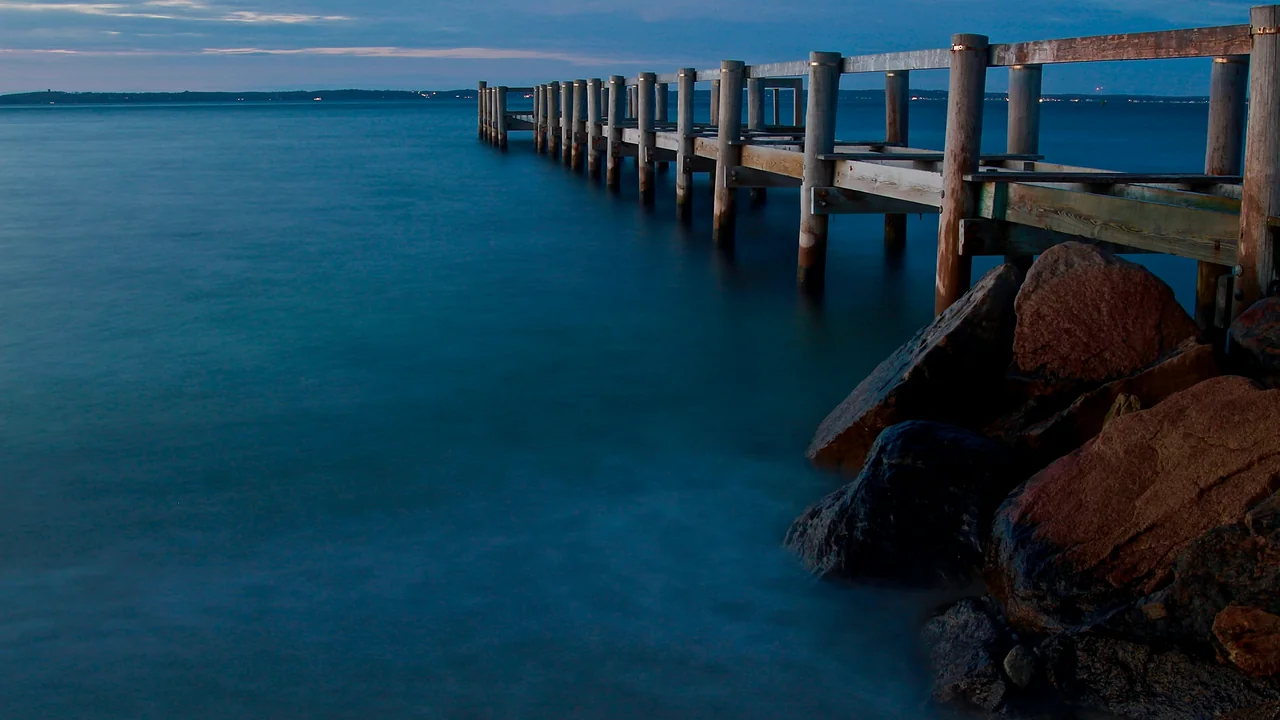
Montana DNRC imposes specific size limits and construction standards for docks on Flathead Lake. The rules are designed to minimize environmental impact, protect fish habitat, and maintain navigational safety.
Maximum Dock Dimensions
For a single-family residential dock on Flathead Lake, the maximum permitted size is typically 500 square feet of total deck area. The dock may extend no more than 60 feet lakeward from the ordinary high-water mark. These limits apply to the combined area of the main dock, any finger piers, and attached boat lifts or PWC platforms.
Construction Standards
All docks must be constructed with non-treated, non-toxic materials to prevent leaching into the water. Pressure-treated lumber containing copper or other preservatives is generally prohibited. Acceptable materials include steel, aluminum, concrete, and naturally rot-resistant wood like cedar or redwood. Flotation devices must be enclosed and made of foam-filled plastic, not polystyrene that can break apart.
How Much Does a Flathead Lake Boat Dock Permit Cost?
The cost of a DNRC lakeshore permit for a residential dock on Flathead Lake is $200 as of 2026. This fee covers the application review and site inspection. However, total costs can be higher if you need additional permits or professional services.
| Cost Item | Estimated Amount |
|---|---|
| DNRC lakeshore permit application fee | $200 |
| USACE Section 404 permit (if required) | $100 – $500 |
| County shoreline setback review | $50 – $200 |
| Survey or site plan preparation | $500 – $2,000 |
| Dock construction (materials + labor) | $5,000 – $25,000+ |
How to Apply for a Montana DNRC Dock Permit
The application process for a Flathead Lake dock permit involves several steps. Follow this sequence to avoid delays.
Confirm you own the waterfront property and that the proposed dock location is on state-owned lakebed. Obtain a copy of your deed and a recent survey showing the ordinary high-water mark.
Draw a scaled site plan showing the dock location, dimensions, materials, and distance from property lines. Include details on flotation, pilings, and any attached lifts. The plan must comply with the 500 sq ft / 60 ft limits.
Complete the Montana Lakeshore Permit Application (Form LSP-1) and submit it with your site plan and the $200 fee. Applications are accepted at the DNRC regional office in Kalispell or online through the state portal.
DNRC will review your application for impacts on fish habitat, especially bull trout. This may include a site inspection. If bull trout habitat is present, additional mitigation measures may be required.
Once approved, you will receive a lakeshore permit with conditions. Construction must begin within two years of permit issuance. After completion, notify DNRC for a final inspection if required.
What Are the Special Environmental Rules for Flathead Lake?
Flathead Lake is a federally designated bull trout critical habitat under the Endangered Species Act. Bull trout are a threatened species that rely on clean, cold water and undisturbed shorelines. This designation imposes strict environmental rules on dock construction.
Bull Trout Habitat Protection
Any dock permit on Flathead Lake must include a review for potential impacts on bull trout. The DNRC coordinates with the U.S. Fish and Wildlife Service (USFWS) during the review process. If your proposed dock is in a known bull trout spawning or rearing area, you may face additional conditions:
- Dock must be open-deck design to allow light penetration to the water below.
- No dredging or excavation is permitted in the littoral zone.
- Construction must occur outside the spawning season (typically September to November).
- Use of non-toxic materials is mandatory—no treated wood or creosote pilings.
Other Environmental Considerations
Flathead Lake also supports native westslope cutthroat trout and is a critical water source for downstream communities. The DNRC may require a stormwater management plan if your dock includes a large deck or roof that could channel runoff into the lake. Additionally, any fuel storage or fueling operations on the dock are strictly prohibited.
Do
- Use aluminum, steel, or untreated cedar
- Design open-deck for light penetration
- Apply early—processing takes 6-12 weeks
- Check with county for local setbacks
Don’t
- Use pressure-treated lumber
- Dredge or excavate without USACE permit
- Build within 10 ft of property line
- Store fuel or chemicals on the dock
Do You Need a Separate Permit for a Boat Lift or Jet Ski Dock?
If your Flathead Lake dock includes a boat lift or a personal watercraft (PWC) platform, you may need to address these separately in your permit application. The DNRC considers these as part of the overall dock structure. However, the size limits (500 sq ft total, 60 ft extension) apply to the combined area, so you must account for the lift platform within that footprint.
For a dedicated jet ski dock or PWC lift, the same rules apply. The DNRC does not issue a separate permit for these items—they are included in the lakeshore permit. However, if you add a lift after the original dock is built, you may need a permit amendment. For more details on separate lift permits, see our guide on Boat Lift Permit Requirements and Jet Ski Dock and PWC Lift Permit Requirements.
How Long Does the Flathead Lake Dock Permit Process Take?
The typical processing time for a DNRC lakeshore permit on Flathead Lake is 6 to 12 weeks. This timeline depends on the complexity of your application and whether an environmental review is required. If bull trout habitat is involved, the process may extend to 16 weeks or more due to consultation with USFWS.
To speed up the process, ensure your site plan is complete and accurate. Incomplete applications are the most common cause of delays. If you are building a dock similar to others on the lake (e.g., a standard floating dock), the review is often faster. For more on general dock permitting, see the Boat Dock Permit Guide.
Summary: Final Thoughts on Your Flathead Lake Dock Permit
Building a dock on Flathead Lake requires a Montana DNRC lakeshore permit as the primary authorization. The process is straightforward but demands attention to size limits (500 sq ft, 60 ft extension) and environmental protections for bull trout. Start by contacting the DNRC Kalispell regional office to confirm your property’s eligibility and obtain the application form.
Plan for a 6- to 12-week review period and a $200 permit fee. Work with a local contractor familiar with Flathead Lake rules to ensure your dock design meets all construction standards. For comparison with other large lakes, see our guides on Lake Norman Dock Permit and Lake of the Ozarks Dock Permit.
Frequently Asked Questions
Do I need a permit for a dock on Flathead Lake?
Yes, you need a Montana DNRC lakeshore permit for any dock, pier, or wharf built on Flathead Lake. This applies to both permanent and seasonal structures because the state owns the lakebed below the ordinary high-water mark. The permit costs $200 and takes 6 to 12 weeks to process.
What is a Montana DNRC lakeshore permit?
A Montana DNRC lakeshore permit is the legal authorization required to build any structure on state-owned lakebed, including docks on Flathead Lake. The permit ensures your project complies with state size limits, environmental protections, and navigational safety standards. It is issued by the Montana Department of Natural Resources and Conservation through its regional offices.
How much does a dock cost on Flathead Lake?
The cost of building a dock on Flathead Lake varies widely based on size, materials, and site conditions. A simple floating dock for a single boat may cost $5,000 to $10,000, while a larger stationary dock with multiple slips and a boat lift can exceed $25,000. The DNRC permit fee is $200, and you should budget an additional $500 to $2,000 for a survey and site plan.
Are there special environmental rules for Flathead Lake?
Yes, Flathead Lake is designated as bull trout critical habitat under the Endangered Species Act. This means your dock must use non-toxic materials, have an open-deck design for light penetration, and avoid construction during the spawning season (September to November). The DNRC coordinates with the U.S. Fish and Wildlife Service during the permit review to ensure your project does not harm bull trout or their habitat.
Can I build a dock on Flathead Lake without a permit?
No. Any permanent or seasonal dock, pier, boat lift, or jet ski platform on Flathead Lake requires a Lakeshore Permit from the Montana DNRC. Even temporary docks installed for less than 30 days require a notification and may be subject to review.
How long is a Flathead Lake dock permit valid?
Lakeshore Permits are valid for 10 years. After that, you must apply for renewal. The renewal process is simpler than the initial application and typically costs $150. If you make structural changes (wider, longer, or different materials), you need a new permit.
Do I need a county permit in addition to the DNRC permit?
Yes. Flathead County and Lake County both require separate building permits for any dock structure. The county permit focuses on compliance with local zoning, setback requirements, and floodplain regulations. You must obtain the DNRC permit first before applying for the county permit.
Can I install a boat lift on my Flathead Lake dock?
Yes, but the boat lift must be included in your DNRC Lakeshore Permit application. The lift itself must not extend beyond the dock’s permitted length, and it must not interfere with navigation or wildlife. Lifts that use cables or pulleys mounted on the dock are generally approved; bottom-mounted lifts are not allowed.
What happens if I build a dock without a permit?
The DNRC can issue a cease-and-desist order and require you to remove the unpermitted structure at your own expense. Fines start at $500 per day of violation. Additionally, you may be required to restore the shoreline to its natural condition, which can cost tens of thousands of dollars.
Do I need a permit to replace an existing dock on Flathead Lake?
Yes. Replacing an existing dock with a new structure of the same size still requires a DNRC Lakeshore Permit. The DNRC considers this a new construction project. Minor repairs, such as replacing deck boards or hardware, generally do not require a permit.
Can I build a dock on Flathead Lake if I only own a shared lot?
Yes, but the permit application must include written authorization from all co-owners. The DNRC will only issue one permit per legal lot. Shared docks are encouraged to minimize shoreline disturbance.
What happens if my dock extends beyond my property line?
Your dock must stay entirely within your property’s waterfront boundary. Extending beyond your property line is trespassing on state land or a neighbor’s water rights. The DNRC will deny applications that show encroachment.
How deep can the water be at the end of my dock?
There is no specific depth limit in DNRC rules. However, the dock must be designed so it does not interfere with navigation or create a hazard. Most docks on Flathead Lake extend to a depth of 4–8 feet to allow boat access without excessive length.
Do I need a permit for a floating dock on Flathead Lake?
Yes. Floating docks are considered permanent structures under DNRC rules if they are anchored to the lakebed. A Lakeshore Permit is required. The same size and setback rules apply as for fixed piers.
Last updated: July 16, 2026
- Montana Department of Natural Resources and Conservation (dnrc.mt.gov) – Lakeshore Permit Program
- U.S. Fish and Wildlife Service – Bull Trout Critical Habitat Designation
- Flathead County Planning Department – Shoreline Regulations
- Lake County Planning Office – Dock and Pier Permitting

Dock Permit Guide
DockPermitGuide editor covering boat dock and pier permit requirements, costs, and regulations across the United States, Canada & Australia.