
Dock Canopy and Roof Permit: Covered Dock Rules Without a Full Boathouse (2026)
 13 min read
2,414 words
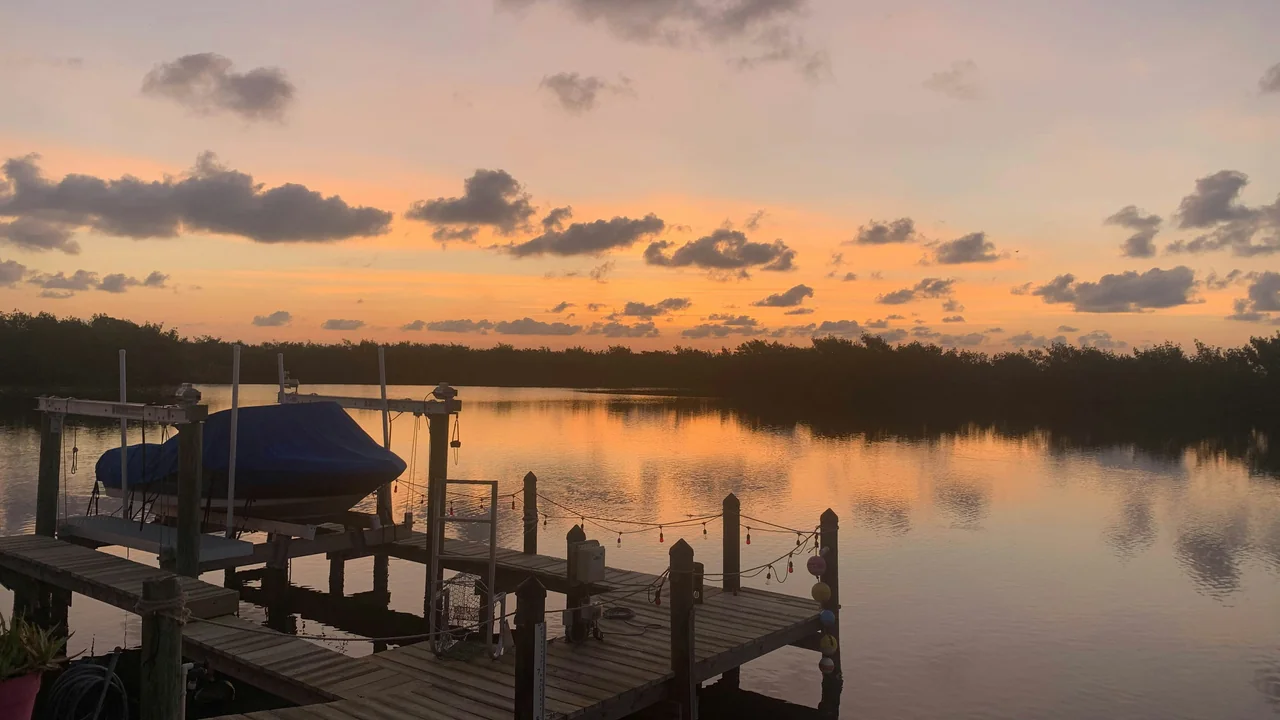
If you own a dock and want to add a roof, shade, or canopy without building a full boathouse, you need to understand the dock canopy permit process. The distinction between a simple canopy and a boathouse can save you thousands of dollars in permitting fees and months of review time. This guide explains exactly which covered dock rules apply to your project, when a canopy triggers the same regulations as a boathouse, and how to avoid costly mistakes with your dock roof permit or dock shade structure permit.
Canopy vs. Boathouse: The Legal and Permit Distinction
The most important question for your permit application is whether your planned cover counts as a canopy or a boathouse. Regulatory agencies draw a clear line based on enclosure, not just appearance. A canopy is typically an open-sided roof structure that provides shade or weather protection without fully enclosing the space below. A boathouse, by contrast, has enclosed walls on at least three sides and is often treated as a building.
Permitting authorities use the enclosure percentage to classify your structure. If your roof cover has fewer than two solid walls, it is almost always a canopy. If you add a third wall or install roll-down screens that create a fully enclosed space, regulators reclassify it as a boathouse. This reclassification triggers stricter environmental review, larger setbacks, and higher fees.
When a Canopy Triggers Boathouse-Level Review
Several conditions can cause a canopy to be treated as a boathouse, even if you intended a simple shade structure. If your canopy has side panels, curtains, or retractable screens that can fully enclose the space, many states require you to meet boathouse standards. The U.S. Army Corps of Engineers (USACE) evaluates whether the structure creates “enclosed storage” that could affect navigable waters or wildlife habitat.
Local county ordinances often add their own triggers. For example, if your canopy extends more than 10 feet beyond the dock deck or exceeds 200 square feet of roof area, some counties require a full building permit with structural engineering stamps. If you plan to store a boat lift or PWC under the canopy, you may also need separate permits for those components. For more details on lift-specific rules, see our guide on Boat Lift Permit Requirements: Do You Need a Separate Permit? (2026).
Height and Coverage Limits for Dock Canopies
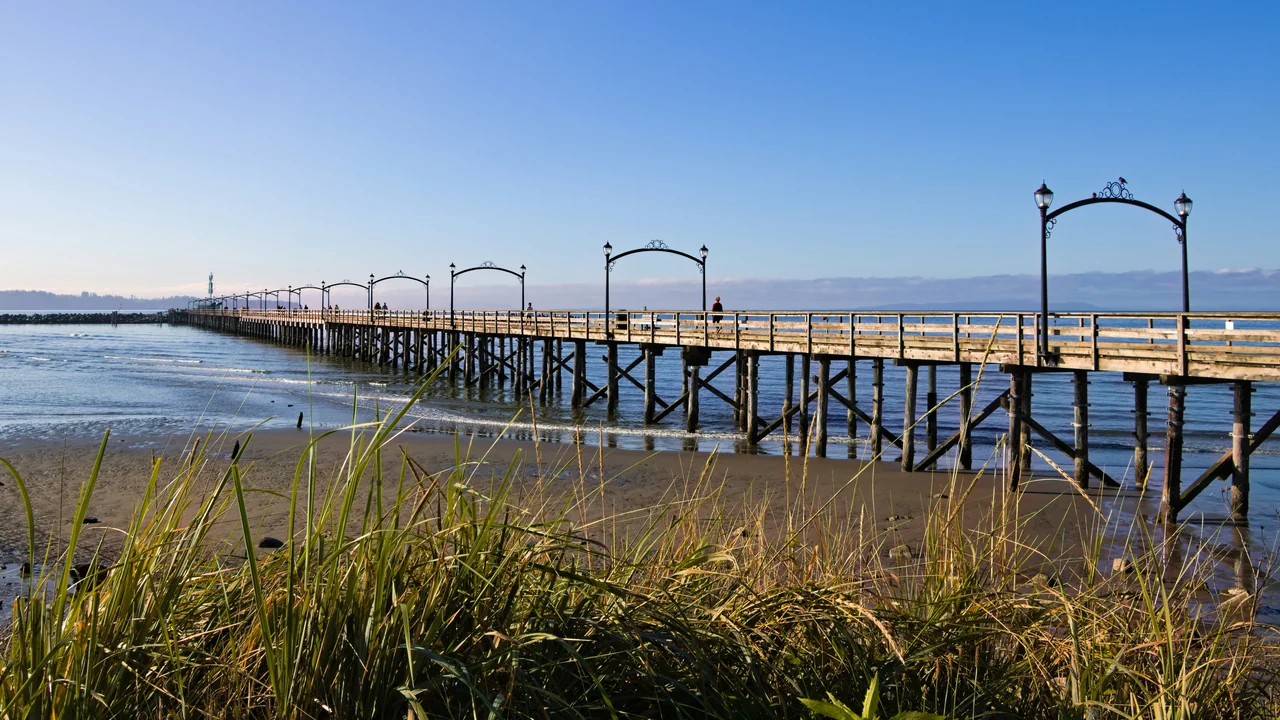
Every state and local authority sets specific height and coverage limits for dock canopies. Exceeding these limits forces you into a more complex permit pathway. Federal navigable water regulations under USACE Section 10 also apply if your dock sits on a federally regulated waterway.
| Regulatory Authority | Typical Height Limit | Typical Coverage Limit |
|---|---|---|
| USACE (federal navigable waters) | No fixed limit, but must not obstruct navigation | No fixed limit, but must not exceed 500 sq ft without review |
| State DNR (example: Wisconsin) | 10 feet above ordinary high water mark | 200 sq ft roof area |
| Local county (example: Mecklenburg County, NC) | 12 feet above dock deck | 250 sq ft |
The height measurement is always taken from the dock deck surface to the lowest point of the roof structure. If your canopy has a peak, the average height between the lowest and highest points is used. Coverage limits include the total roof area, not just the footprint of the canopy supports. Always verify your local limits before ordering materials.
Fabric Canopy vs. Permanent Roof: Different Rules
Regulatory agencies distinguish between fabric canopies and permanent roofs, and this distinction affects your permit requirements. A fabric canopy is a temporary or semi-permanent shade structure made of canvas, mesh, or vinyl stretched over a metal or aluminum frame. A permanent roof is constructed from rigid materials like metal panels, shingles, or polycarbonate sheets.
Fabric canopies often qualify for simplified or even exempt permitting in many states. Because they are lighter and less permanent, they are considered less likely to impact water flow, wildlife, or navigation. Some states, including Florida and Texas, allow fabric shade structures up to 150 square feet without any permit, as long as they are open on all sides. Permanent roofs almost always require a structural permit with engineering calculations for wind load and snow load.
If you choose a fabric canopy, be aware that it may require annual inspection and replacement. Many HOA covenants require fabric canopies to be replaced every 3–5 years to maintain appearance. Permanent roofs, while more expensive upfront, typically last 20–30 years with minimal maintenance.
Wind Load and Construction Standards
Dock canopies must meet specific wind load standards because they are exposed to open water conditions with no surrounding structures to block wind. The International Building Code (IBC) requires all dock structures to withstand wind speeds of at least 120 mph in coastal zones and 100 mph in inland lakes. Your local building department will specify the exact wind load requirement based on your location’s wind speed map.
For permanent roofs, you must submit stamped engineering calculations showing the roof can resist uplift forces. Uplift occurs when wind passes under the canopy and pushes upward, potentially tearing the roof off. Canopy supports must be anchored to the dock deck with stainless steel brackets rated for marine environments. Standard galvanized brackets corrode quickly in salt or freshwater conditions.
States That Treat Canopies Differently from Boathouses

Several states have explicit regulations that treat canopies as a separate category from boathouses, which can simplify your permitting process. Understanding your state’s approach is critical before you apply.
| State | Canopy Classification | Key Rule |
|---|---|---|
| Wisconsin | Separate category | Canopies under 200 sq ft and open on all sides are exempt from boathouse rules. See Boat Dock Permit in Wisconsin: Complete 2026 Guide. |
| Texas | Separate category | Fabric canopies are exempt from USACE review if under 150 sq ft. Permanent roofs require a TPWD permit. |
| North Carolina | Same as boathouse | Any roof over a dock, even open-sided, is classified as a boathouse for CAMA permit purposes. |
| Florida | Separate category | Canopies under 200 sq ft with no walls are exempt from environmental review. Must still meet local building codes. |
| Michigan | Separate category | Open-sided canopies are permitted under a simplified “shade structure” permit with a 14-day review. |
If you live in a state that treats canopies as boathouses, you cannot bypass the stricter rules by calling your structure a canopy. You must follow the full boathouse permit pathway. For lake-specific rules, check our guide on Lake Norman Dock Permit: Duke Energy Rules & How to Apply (2026).
HOA Rules for Dock Covers
Homeowners’ associations (HOAs) often have stricter rules for dock covers than local or state agencies. Your HOA may prohibit permanent roofs entirely, limit the color and material of fabric canopies, or require architectural review before installation. Even if your state permits a dock canopy without a permit, your HOA can block the project.
Common HOA restrictions include:
- Maximum canopy height of 8 feet above the dock deck
- Mandatory use of neutral colors (white, beige, tan) for fabric
- Prohibition of metal roofs due to glare or noise
- Annual inspection and approval for fabric replacement
- No canopies on docks shorter than 40 feet from shoreline
You must submit your canopy plans to your HOA’s architectural review committee before applying for any government permits. If your HOA denies the project, you cannot proceed even with a state permit in hand. Some HOAs also require you to remove the canopy if you sell the property, so check your covenants carefully.
Step-by-Step Dock Canopy Permit Process
Follow this process to obtain your dock canopy permit efficiently. Skipping steps can result in application rejection or enforcement action.
Review your HOA covenants and submit a pre-application inquiry to the architectural committee. Obtain written approval or a waiver before proceeding.
Check if your waterway is federally regulated by USACE. If yes, submit a Section 10 permit application. This step is required for navigable rivers and larger lakes.
Contact your state DNR or equivalent agency. Provide site plans showing canopy dimensions, height, and materials. Pay the permit fee (typically $50–$300).
Submit structural plans to your county building department. Include wind load calculations if you are installing a permanent roof. Expect a 2–6 week review period.
After construction, schedule a final inspection with your local building department. The inspector will verify height limits, structural integrity, and material compliance.
For jet ski docks or PWC lifts that you plan to cover with a canopy, see our guide on Jet Ski Dock and PWC Lift Permit Requirements (2026 Guide) for additional requirements.
Cost of a Dock Canopy Permit
The total cost for a dock canopy permit varies by location and structure type. Use the table below to estimate your costs.
| Permit Type | Typical Fee | Additional Costs |
|---|---|---|
| USACE Section 10 (federal) | $0–$100 | Engineering drawings: $500–$2,000 |
| State DNR permit | $50–$300 | Application processing fee: $25–$75 |
| Local building permit | $100–$500 | Structural review: $150–$400 |
| Fabric canopy exemption (no permit) | $0 | HOA approval fee: $0–$50 |
If you are adding a canopy over an existing boat lift, you may be able to combine permits. Our guide on How Much Does a Boat Lift Cost in 2026? Prices by Type & Size provides cost estimates for the lift itself, which can help you budget the total project.
Summary
Adding a canopy to your dock requires careful navigation of federal, state, and local regulations. The key is understanding whether your structure qualifies as a canopy or a boathouse. Fabric canopies under 150–200 square feet with open sides often qualify for simplified or exempt permitting. Permanent roofs require structural engineering and full building permits. Always check your HOA rules first, as they can override government permits. Contact your local building department and state DNR before ordering materials to confirm your specific requirements.
Frequently Asked Questions
Is a dock canopy the same as a boathouse for permits?
No, a dock canopy is not the same as a boathouse for permit purposes in most jurisdictions. A canopy is defined as an open-sided roof structure, while a boathouse has enclosed walls on at least three sides. Canopies typically require a simpler permit or may be exempt entirely, whereas boathouses trigger full building permits, environmental review, and higher fees. However, some states like North Carolina classify any roof over a dock as a boathouse, so you must verify your state’s specific rules.
Do I need a permit for a fabric dock canopy?
In many states, a fabric dock canopy under 150–200 square feet that is open on all sides does not require a permit. Florida, Texas, and Wisconsin offer exemptions for small fabric shade structures. However, you may still need a local building permit if the canopy exceeds height limits or is attached to a permanent structure. Always check with your county building department, as local rules can be stricter than state exemptions. If your fabric canopy has side panels or screens, it may be reclassified as a boathouse and require a full permit.
What height restrictions apply to dock canopies?
Height restrictions for dock canopies vary by state and local authority. Common limits range from 8 to 12 feet above the dock deck surface, measured to the lowest point of the roof. Federal regulations under USACE require that the canopy not obstruct navigation, which typically means a minimum clearance of 10 feet above the water surface. Your local building department will specify the exact height limit for your area. Exceeding the height limit forces the structure into a more complex permit pathway with additional review.
Can my HOA prevent a dock canopy?
Yes, your HOA can absolutely prevent a dock canopy, even if state and local permits are approved. HOAs have the authority to enforce covenants that restrict dock structures, including canopy height, color, material, and location. Many HOAs require architectural review and approval before any construction. If your HOA denies the project, you cannot proceed legally. Check your HOA covenants carefully and submit plans to the architectural committee before applying for government permits to avoid wasted time and fees.
Do I need a separate permit for a dock canopy if I already have a dock permit?
In most cases, yes. A dock permit typically covers the platform and pilings. Adding a canopy is considered a structural modification that often requires a separate building permit and may trigger additional environmental review. Always check with your local building department and the agency that issued your original dock permit.
Can I build a dock canopy without a permit if it’s small?
No. Even small canopies rarely qualify for exemptions. Most jurisdictions require a permit for any roofed structure over water, regardless of size. The risk of fines, removal orders, and legal action far outweighs any perceived savings. Always get a permit.
What happens if I build a dock canopy without a permit?
Consequences vary by jurisdiction but can include stop-work orders, fines of $100–$10,000 per day, mandatory removal at your expense, and difficulty selling your property. In some states, unpermitted structures can trigger a lien on your property. It is never worth the risk.
How long is a dock canopy permit valid?
Most permits are valid for 1–2 years from the date of issuance. If you do not complete construction within that period, you may need to renew the permit, which often involves additional fees. Some jurisdictions allow a single extension of 6–12 months.
Can I install a retractable canopy instead of a permanent one to avoid permitting?
Retractable canopies are sometimes treated differently than permanent structures, but they are not automatically exempt. Many jurisdictions still require a permit if the canopy is attached to the dock or has a rigid frame. Check with your local building department before purchasing or installing any canopy system.
Last updated: July 16, 2026
- U.S. Army Corps of Engineers, Section 10 Permit Guidelines
- Wisconsin Department of Natural Resources, Dock and Boathouse Regulations
- Texas Parks and Wildlife Department, Dock Construction Rules
- Florida Department of Environmental Protection, Dock Permitting
- International Building Code, Chapter 16: Wind Load Requirements

Dock Permit Guide
DockPermitGuide editor covering boat dock and pier permit requirements, costs, and regulations across the United States, Canada & Australia.