
Dock Permit in Ontario Canada: Complete 2026 Guide
 9 min read
1,711 words
9 min read
1,711 words

Which Agency Issues Dock Permits in Ontario?
Unlike many US states where a single agency handles dock permits, Ontario’s system involves multiple authorities. For most cottage properties, the primary agency is your local Conservation Authority (CA). There are 36 Conservation Authorities across Ontario, each with its own permitting rules for shoreline structures. The Ontario Ministry of Natural Resources (MNR) also regulates docks on Crown land and certain water bodies with specific fisheries concerns. If your dock is on a navigable waterway, Transport Canada requires a review under the Navigable Waters Protection Act (NWPA).
Conservation Authority Dock Permit Ontario
Conservation Authorities regulate docks under the Conservation Authorities Act and the Ontario Regulation 97/04 (Development, Interference with Wetlands and Alterations to Shorelines and Watercourses). You need a permit if your dock extends into a water body that is part of a regulated area—which includes most lakes and rivers in southern Ontario. The permit typically covers construction, repair, or replacement of docks, boathouses, and shoreline retaining walls. Each CA has its own fee schedule and application form.
MNR Dock Permit Ontario
The Ontario Ministry of Natural Resources (MNR) becomes involved in two scenarios: (1) docks on Crown land, and (2) docks that may impact fish habitat under the Fisheries Act. If you own private waterfront, you generally do not need an MNR permit unless your dock is over 20 metres long or exceeds 20 square metres of surface area. MNR also regulates docks on certain lakes with sensitive fish spawning areas. Contact your local MNR district office to confirm if your lake is on the list.
Transport Canada Navigable Waters Dock Permit Canada
Transport Canada regulates docks under the Navigable Waters Protection Act (NWPA). If your dock is on a navigable waterway—which includes most lakes, rivers, and canals used for boating—you must submit a Notice of Works to Transport Canada. The NWPA applies regardless of whether you own the shoreline. For minor docks (under 10 metres long and less than 5 metres wide), you may qualify for an exemption. Larger structures require a full application and review.
Ontario Dock Rules: Crown Land vs Private Waterfront
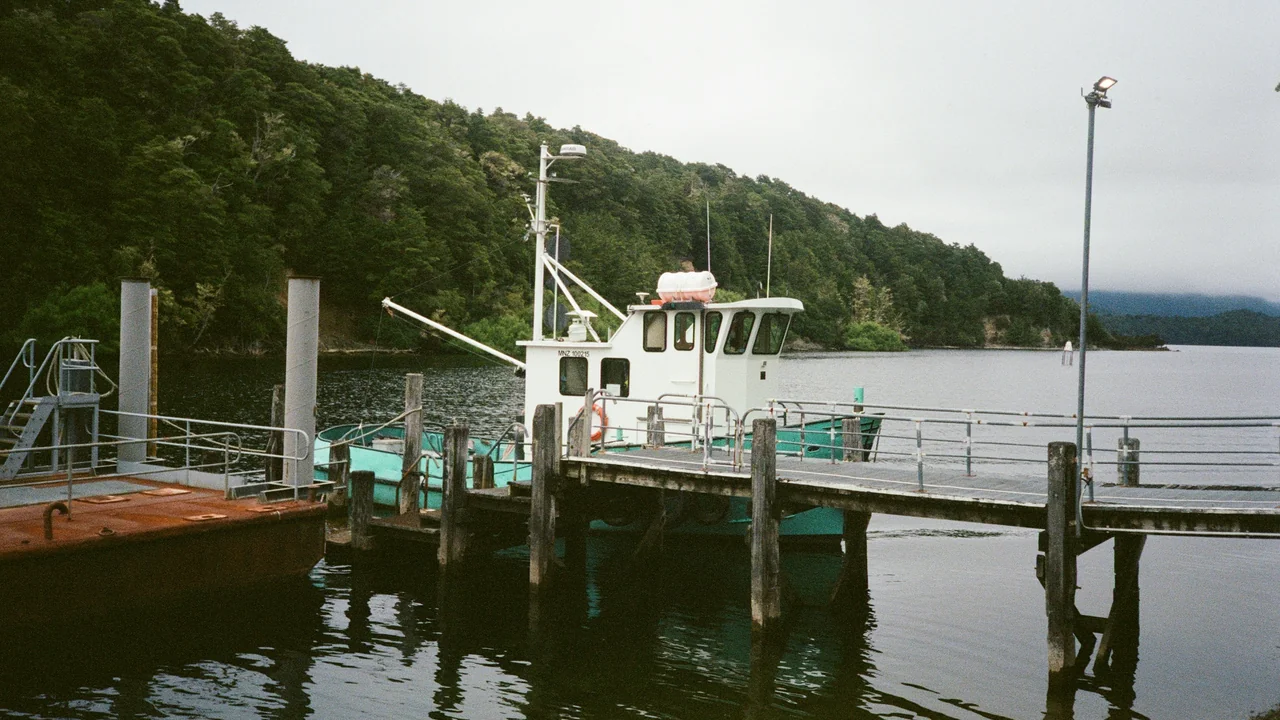
Ontario dock rules differ significantly depending on whether you own the water lot or are using Crown land. On private waterfront, you own the land to the water’s edge but not the water itself. You can build a dock as long as it does not interfere with navigation or fish habitat. On Crown land, you need a Work Permit from MNR, and you may also need a Land Use Permit if the dock is for exclusive use. Crown land docks are typically limited to seasonal, non-permanent structures.
| Waterfront Type | Agency | Permit Required | Typical Limit |
|---|---|---|---|
| Private waterfront | Conservation Authority | Yes (most cases) | 20 m length, 20 m² surface |
| Crown land | MNR | Yes (Work Permit) | 10 m length, 15 m² surface |
| Navigable waterway | Transport Canada | Notice of Works | Varies by waterway |
Navigable Waters Protection Act for Docks
The Navigable Waters Protection Act (NWPA) is a federal law that applies to any dock that could obstruct or affect navigation. Transport Canada defines a navigable waterway as any water body where vessels can travel—including lakes, rivers, and canals. For docks, the NWPA requires you to submit a Notice of Works at least 30 days before construction. If the dock is deemed to pose a risk to navigation, Transport Canada may require modifications or deny the project entirely.
NWPA Exemptions for Small Docks
Transport Canada provides exemptions for minor works. A dock is exempt from the full NWPA review if it is less than 10 metres long, less than 5 metres wide, and located in a water body that is not a major shipping route. However, you still need to submit a Notice of Works to confirm the exemption. Do not assume your dock qualifies—always check with Transport Canada first.
Step-by-Step Dock Permit Process in Ontario
Determine if you own private land or are on Crown land. Check your property deed or survey.
Find your local CA online. Ask if a permit is needed for your dock size and location.
Submit a Notice of Works to Transport Canada via their online portal. Wait for confirmation.
If on Crown land or a sensitive water body, submit a Work Permit application to MNR.
Provide dock dimensions, materials, and site plan. Pay the permit fee (typically $100–$500).
Processing takes 4–12 weeks depending on agency workload and complexity.
How Much Does a Dock Permit Cost in Ontario?
Costs vary by agency and project size. Conservation Authority fees range from $100 to $500 for a standard dock permit. MNR charges $150 for a Work Permit on Crown land. Transport Canada does not charge a fee for the Notice of Works. Additional costs may include a site survey ($500–$1,500) or environmental assessment if the dock is large or in a sensitive area.
| Agency | Permit Type | Fee | Processing Time |
|---|---|---|---|
| Conservation Authority | Shoreline permit | $100–$500 | 4–8 weeks |
| MNR | Work Permit | $150 | 6–12 weeks |
| Transport Canada | Notice of Works | $0 | 30 days |
Ontario Dock Size Limits
Size limits depend on the regulating agency. Conservation Authorities generally allow docks up to 20 metres in length and 20 square metres of deck surface. MNR limits Crown land docks to 10 metres in length and 15 square metres. Transport Canada does not set specific size limits but will review any dock that could affect navigation. Exceeding these limits requires a more complex application and may trigger environmental reviews.
Muskoka, Kawarthas, and Rideau Lakes Specific Notes
Ontario’s most popular cottage regions have unique considerations. In Muskoka, the District Municipality of Muskoka works closely with local Conservation Authorities. Many Muskoka lakes are classified as sensitive due to lake trout habitat, so MNR may require a fish habitat assessment. In the Kawarthas, the Kawartha Conservation Authority has strict rules for docks on the Trent-Severn Waterway, which is also a federally navigable waterway. The Rideau Lakes region is heavily regulated by the Rideau Valley Conservation Authority and Parks Canada (for the Rideau Canal). Docks here must not obstruct canal traffic and must follow seasonal use rules.
Summary: Your Action Plan for a Dock Permit in Ontario
To build a dock legally in Ontario, start by contacting your local Conservation Authority. They are the primary permitting agency for most private waterfront properties. Simultaneously, submit a Notice of Works to Transport Canada via their online portal. If your property is on Crown land or a sensitive water body, also contact MNR. Do not begin construction until you have written approvals from all applicable agencies. For a broader overview of dock permitting across jurisdictions, see our Boat Dock Permit Guide.
Frequently Asked Questions
Do I need a permit for a dock in Ontario?
Yes, in most cases you need a permit. For private waterfront, your local Conservation Authority requires a permit for any dock that extends into a regulated water body. For Crown land, MNR requires a Work Permit. Additionally, Transport Canada requires a Notice of Works for docks on navigable waterways. The only exception is for very small, temporary docks that are less than 10 metres long and less than 5 metres wide, but even then you should confirm with all agencies.
Does Transport Canada regulate all docks?
Transport Canada regulates docks under the Navigable Waters Protection Act if the dock is on a navigable waterway. This includes most lakes, rivers, and canals in Ontario. However, small docks under 10 metres long and 5 metres wide on non-major waterways may qualify for an exemption. You must still submit a Notice of Works to confirm the exemption. Transport Canada does not charge a fee for this process, and review typically takes 30 days.
What is the Navigable Waters Protection Act for docks?
The Navigable Waters Protection Act (NWPA) is a federal law that protects the public’s right to navigate waterways. For docks, it requires you to submit a Notice of Works to Transport Canada at least 30 days before construction. The agency reviews whether the dock will obstruct or affect navigation. If the dock is deemed safe, you receive a letter of no objection. If it poses a risk, Transport Canada may require design changes or deny the project. The NWPA applies to all navigable waters, including lakes, rivers, and canals used for boating.
Last updated: July 02, 2026
- Ontario Ministry of Natural Resources – Work Permits
- Conservation Ontario – Shoreline Permitting
- Transport Canada – Navigable Waters Protection Act

Dock Permit Guide
DockPermitGuide editor covering boat dock and pier permit requirements, costs, and regulations across the United States, Canada & Australia.