
Lake Winnipeg Dock Permit: Complete 2026 Guide
 12 min read
2,235 words
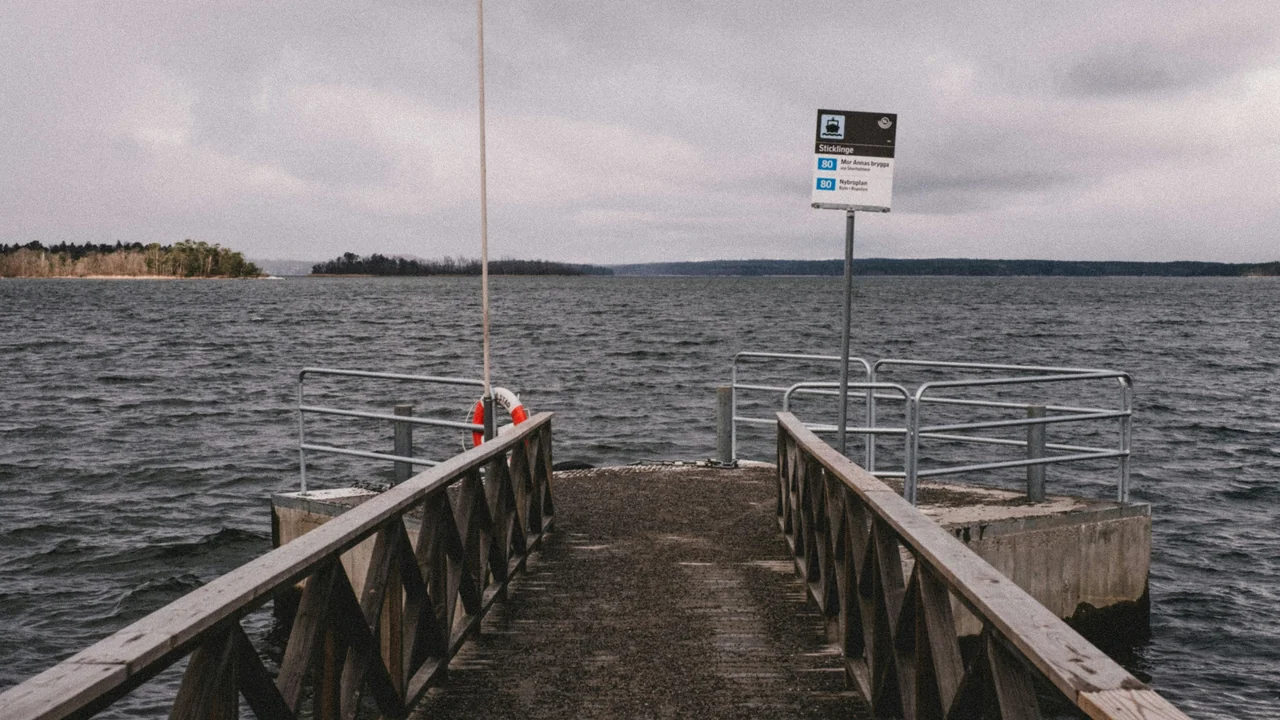
If you own property on Lake Winnipeg and are planning to build a dock, you need a Lake Winnipeg dock permit from the Manitoba government. The primary authority is the Manitoba Water Stewardship Division, which administers the Water Rights Act and the Water Protection Act. This guide covers exactly which agency to contact, the permit process, costs, and special rules for this massive, ice-prone lake.
Which Agency Issues Dock Permits on Lake Winnipeg?
The Manitoba Water Stewardship Division is the main provincial agency responsible for regulating docks on Lake Winnipeg. They administer the Water Rights Act and the Water Protection Act, which together govern any structure built on or over the lake bed.
Because the bed of Lake Winnipeg is Crown-owned (provincial land), you do not own the land under your dock. You must obtain a foreshore lease or a water rights licence to place a private dock. This is different from many US lakes where riparian rights give you direct ownership to the water’s edge.
Additionally, Transport Canada may require a review under the Navigable Waters Protection Act if your dock is in a busy navigation channel or exceeds certain size thresholds. For most residential docks in areas like Gimli or Victoria Beach, the provincial permit is sufficient.
Do I Need a Permit for a Dock on Lake Winnipeg?
Yes, almost all docks on Lake Winnipeg require a permit. The Water Rights Act requires a licence for any “works” that alter or occupy the bed of a lake or river. This includes fixed docks, floating docks, and even seasonal docks that rest on the lake bottom.
Dock Types That Require a Permit
| Dock Type | Permit Required? | Notes |
|---|---|---|
| Fixed (permanent) dock | Yes | Requires foreshore lease and water rights licence |
| Floating dock (seasonal) | Yes | Requires water rights licence; no lease needed if removed annually |
| Pipe dock (cantilever) | Yes | Requires water rights licence |
| Small temporary dock (less than 10 m²) | May be exempt | Check with local conservation district |
What About Grand Beach or Victoria Beach?
Popular areas like Gimli, Grand Beach, and Victoria Beach all fall under the same provincial rules. However, local municipalities may have additional zoning or setback requirements. For example, Victoria Beach has strict lot coverage limits that affect dock size.
How to Apply for a Lake Winnipeg Dock Permit
The application process for a dock permit Lake Winnipeg involves several steps. Here is the typical workflow for property owners.
Call or email the regional office for your area. They will determine if your project is a “minor” or “major” work. Most residential docks are minor.
Complete the application form (available online) and include a site plan showing dock dimensions, location relative to your property line, and depth of water. A sketch is usually sufficient for small docks.
If your dock is permanent, you need a foreshore lease. This requires a survey of the dock location and payment of an annual rental fee.
The agency will review your application for environmental impacts, navigation safety, and compatibility with neighbouring properties. Processing takes 6 to 12 weeks.
How Much Does a Lake Winnipeg Dock Permit Cost?
The cost of a Lake Winnipeg dock permit varies depending on dock type and whether you need a foreshore lease. Here are the typical fees as of 2026.
| Fee Type | Amount (CAD) | Notes |
|---|---|---|
| Water rights licence application | C$150 | Non-refundable |
| Foreshore lease application | C$200–500 | Depends on dock size and location |
| Annual foreshore lease rental | C$100–300 | Based on square metres of dock footprint |
| Survey (if required) | C$1,500–3,000 | Only for fixed docks on Crown land |
Lake Winnipeg Dock Rules: What You Must Know
The dock rules Lake Winnipeg property owners must follow are designed to protect the lake’s ecosystem and ensure safe navigation. Here are the most important regulations.
Size and Setback Limits
Most residential docks on Lake Winnipeg are limited to a maximum of 20 square metres of deck area. The dock cannot extend more than 30 metres from the natural shoreline. Setbacks from property lines are typically 3 metres on each side.
Environmental Protections
The Water Protection Act prohibits any construction that would damage fish habitat. Lake Winnipeg is home to walleye, pike, and lake sturgeon. You cannot build a dock in a known spawning area or in a way that blocks fish migration.
Seasonal Ice Considerations
Lake Winnipeg experiences extreme ice conditions. Ice thickness can reach 1 metre in winter, and ice shoves can destroy poorly designed docks. The Manitoba government requires all docks to be designed to withstand ice pressure or be removed seasonally.
Comparison with Other Canadian Lakes
The permitting process for Lake Winnipeg is similar to other Canadian provinces but has unique features. Here is how it compares to other popular lake destinations.
| Lake/Region | Permitting Authority | Foreshore Lease Required? | Typical Fee |
|---|---|---|---|
| Lake Winnipeg (MB) | Manitoba Water Stewardship | Yes (fixed docks) | C$150–500 |
| Ontario (various lakes) | MNRF | Yes (Crown land) | C$100–400 |
| British Columbia (various lakes) | Provincial Crown Land | Yes | C$200–600 |
For detailed guides on other Canadian provinces, see our Dock Permit in Ontario Canada: Complete 2026 Guide and Dock Permit in British Columbia Canada: Complete 2026 Guide.
What Happens If You Build Without a Permit?
Building a dock on Lake Winnipeg without a permit carries significant risks. The Manitoba government can issue a stop-work order and require you to remove the dock at your own expense. Fines under the Water Rights Act can reach C$50,000 for individuals.
Additionally, because the lake bed is Crown land, an unpermitted dock is considered trespassing on provincial property. The province may charge you for the cost of removal plus administrative fees.
Pros of Getting a Permit
- Legal protection from enforcement action
- Clear ownership rights for your dock
- No risk of forced removal
- Can sell property with permitted dock
Cons of Skipping the Permit
- Risk of C$50,000 fine
- Dock may be ordered removed
- May affect property resale value
- Liability for environmental damage
Popular Dock Areas on Lake Winnipeg
Lake Winnipeg’s shoreline is diverse, and different areas have slightly different considerations for dock construction.
Gimli
Gimli is one of the most popular areas for lakefront properties. The harbour is busy with recreational boats, so docks must not obstruct navigation. The local municipality requires a building permit in addition to the provincial water rights licence.
Grand Beach
Grand Beach has a provincial park that borders the lake. Docks near the park are subject to additional restrictions to protect the natural shoreline. You may need a permit from Manitoba Parks as well.
Victoria Beach
Victoria Beach is a private cottage community with strict lot coverage rules. Docks are limited to 10% of the lot frontage. The community association also has design guidelines that require wooden docks to match the local aesthetic.
Summary
Getting a dock permit Lake Winnipeg is a straightforward process if you follow the rules. Start by contacting the Manitoba Water Stewardship Division to determine if your project is minor or major. Submit a water rights application with a site plan, and if you plan a fixed dock, apply for a foreshore lease.
Expect to pay between C$150 and C$500 in application fees, plus an annual rental of C$100 to C$300 for fixed docks. Processing takes 6 to 12 weeks, so plan ahead. Remember that Lake Winnipeg’s extreme ice conditions mean you must either design your dock to withstand ice or remove it seasonally.
For more information on federal requirements, see our Dock Permit in Canada: Federal and Provincial Rules Guide (2026). For a general overview of dock permitting, check our Boat Dock Permit Guide.
Frequently Asked Questions
Do I need a permit for a dock on Lake Winnipeg?
Yes, almost all docks on Lake Winnipeg require a permit from the Manitoba Water Stewardship Division under the Water Rights Act. This includes fixed docks, floating docks, and seasonal docks that rest on the lake bottom. Even small temporary docks may require a permit if they exceed 10 square metres in area. The only exceptions are very small, temporary docks that are removed daily and do not alter the lake bed.
Who regulates docks on Lake Winnipeg?
The primary regulator is the Manitoba Water Stewardship Division, which administers the Water Rights Act and the Water Protection Act. They issue water rights licences and foreshore leases for docks on Crown-owned lake bed. Transport Canada may also have a role if the dock is in a busy navigation channel. Local municipalities like Gimli or Victoria Beach may have additional zoning or building permit requirements.
How much does a dock permit cost on Lake Winnipeg?
The water rights licence application fee is C$150. If you need a foreshore lease for a fixed dock, the application fee is C$200 to C$500, plus an annual rental fee of C$100 to C$300 based on dock size. You may also need a survey, which costs C$1,500 to C$3,000. Total costs for a typical residential dock range from C$350 to C$3,500 depending on complexity.
When should I remove my dock from Lake Winnipeg?
Most property owners remove their docks in late October or early November before ice forms. Lake Winnipeg ice can reach 1 metre thick and cause severe damage to docks left in place. If you have a fixed dock designed to withstand ice, it must be engineered for the lake’s extreme conditions. The Manitoba government recommends seasonal removal for all floating docks and most cantilever docks in the south basin.
Do I need a federal permit for a dock on Lake Winnipeg?
Yes, if your dock extends more than 10 metres from the natural shoreline or is located in a navigable channel. Transport Canada requires approval under the Navigable Waters Protection Act for any dock that could interfere with boat traffic. For most residential docks under 10 metres, only a provincial water rights permit is needed.
How long does a Lake Winnipeg dock permit take?
Provincial permits from Manitoba Water Stewardship typically take 4 to 8 weeks for standard residential docks. Transport Canada reviews add 6 to 12 weeks if required. For docks in provincial parks (e.g., Grand Beach), expect an additional 2 to 4 weeks for park approval.
Can I build a dock on Lake Winnipeg without a permit?
No. Building any dock without a permit is illegal under the Water Rights Act and the Water Protection Act. Penalties include fines up to $50,000 per day for continuing violations, plus removal orders at your expense. Even temporary seasonal docks require a permit if they exceed the exempt size limits.
What size dock can I build without a permit on Lake Winnipeg?
There is no blanket exemption for any dock size on Lake Winnipeg. However, docks under 10 metres in length and 2 metres in width that do not extend into navigable channels may qualify for a simplified approval process. Always check with Manitoba Water Stewardship before assuming an exemption applies.
How much does it cost to permit a dock on Lake Winnipeg?
A standard residential dock permit from Manitoba Water Stewardship costs $150. Transport Canada navigation approval adds $100. If your dock is in a provincial park, a park use permit costs $75. Total typical cost: $150 to $325, plus any engineering fees for complex designs.
Can I sell my property with an unpermitted dock on Lake Winnipeg?
No. Real estate transactions on Lake Winnipeg require disclosure of all dock permits. An unpermitted dock must be brought into compliance or removed before closing. This can delay sales by months and cost thousands in retroactive permits and fines.
Last updated: July 16, 2026
- Manitoba Water Stewardship Division – Water Rights Act
- Manitoba Water Protection Act
- Transport Canada – Navigable Waters Protection Act
- Manitoba Parks – Grand Beach regulations

Dock Permit Guide
DockPermitGuide editor covering boat dock and pier permit requirements, costs, and regulations across the United States, Canada & Australia.