
Boat Dock Permit in North Carolina: Complete 2026 Guide
 11 min read
2,136 words
11 min read
2,136 words
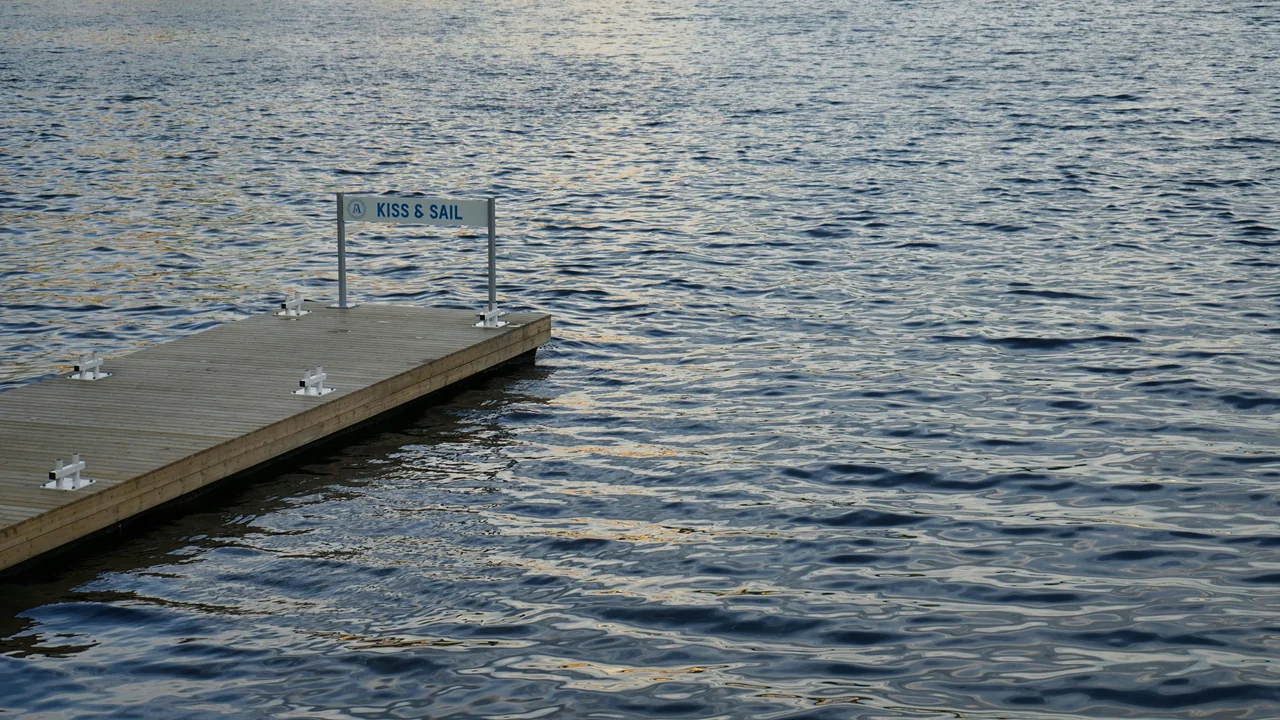
Yes, you need a permit to build a boat dock in North Carolina. Whether you are building on the coast or an inland lake, the state requires a boat dock permit in North Carolina before any construction begins. The specific permit type and issuing agency depend entirely on your project location. This guide explains which agency you must contact, the step-by-step application process, cost breakdowns, and timelines for both coastal and inland dock projects. You will learn the critical differences between a CAMA major and minor permit, the size limits that apply, and what popular lakes like Lake Norman, Jordan Lake, and High Rock Lake require.
Which Agency Issues a Boat Dock Permit in North Carolina?
North Carolina has a split permitting system based on geography. The primary agency for coastal areas is the North Carolina Department of Environmental Quality (NC DEQ), specifically its Division of Coastal Management (DCM). This division administers the Coastal Area Management Act (CAMA), which governs all docks, piers, and shoreline structures in the 20 coastal counties. For inland lakes and rivers outside the coastal zone, you must contact the NC Wildlife Resources Commission (NCWRC) or the local county planning office. In some cases, the US Army Corps of Engineers (USACE) also has jurisdiction under Section 404 of the Clean Water Act for structures that affect navigable waters.
NC DEQ Division of Coastal Management (CAMA)
If your property lies within a coastal county (including Currituck, Dare, Hyde, Carteret, New Hanover, Brunswick, and others), NC DEQ’s DCM office handles your permit. The CAMA permit system is unique to North Carolina and is the key differentiator from other states. It requires a “CAMA permit” for any activity in an Area of Environmental Concern (AEC), which includes estuarine waters, ocean beaches, and public trust waters where docks are built.
NC Wildlife Resources Commission (NCWRC) for Inland Lakes
For inland lakes like Lake Norman, Jordan Lake, and High Rock Lake, the NCWRC issues permits. They regulate docks under the state’s Public Trust Doctrine and require a “Private Pier Permit” or “Private Dock Permit.” Additionally, the local county planning department may have separate requirements, especially for setback distances and lot coverage.
Coastal vs Inland Dock Permits in North Carolina: Key Differences
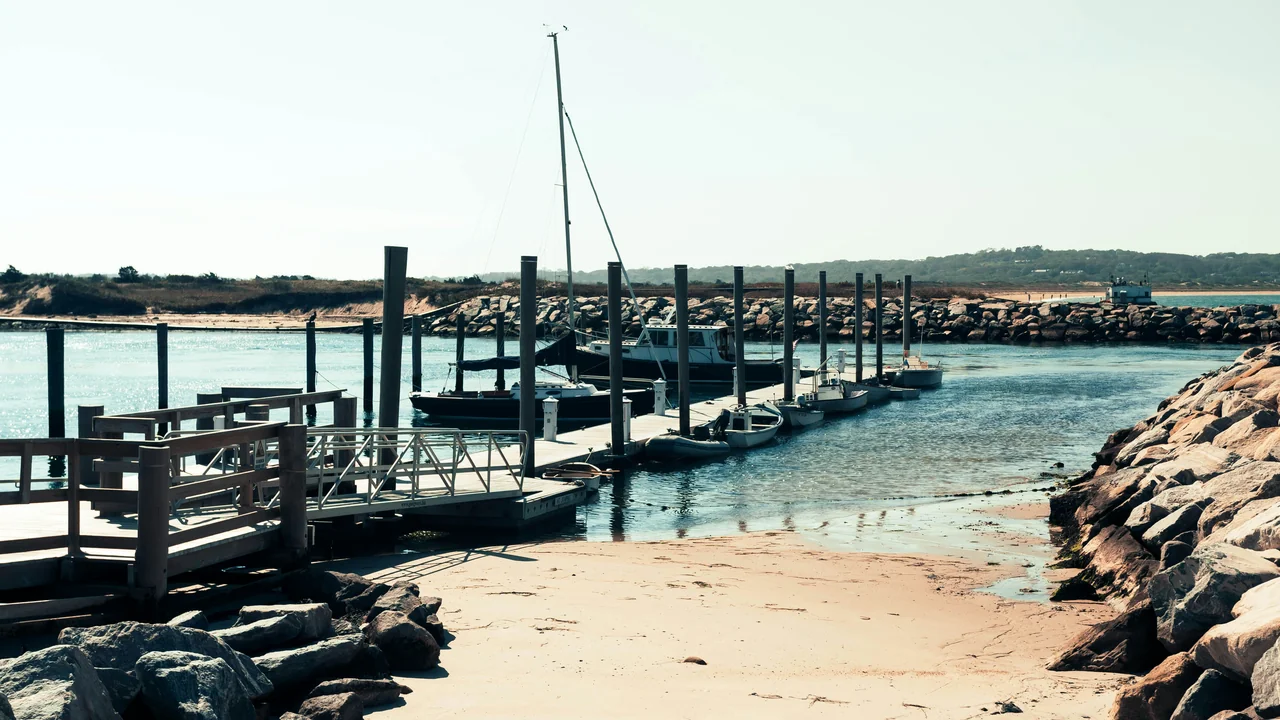
The difference between a coastal and inland dock permit in NC is not just the issuing agency—it affects the entire process, cost, and timeline. Coastal docks face stricter environmental review because they impact estuarine ecosystems, submerged aquatic vegetation (SAV), and public trust waters. Inland lake docks are typically simpler but still require environmental review for water quality and navigation.
| Factor | Coastal (CAMA) | Inland Lake (NCWRC/County) |
|---|---|---|
| Primary Agency | NC DEQ Division of Coastal Management | NC Wildlife Resources Commission + County |
| Permit Type | CAMA Major or Minor | Private Pier Permit |
| Average Processing Time | Minor: 30–60 days; Major: 90–180 days | 30–90 days |
| Typical Fee | $100–$500 (varies by scope) | $50–$200 |
| Environmental Review | Rigorous (SAV, water quality, public access) | Moderate (water quality, navigation) |
| Setback Requirements | Varies by county; often 30–50 ft from property line | Typically 10–25 ft from property line |
CAMA Major vs Minor Permit for a Boat Dock in North Carolina
The CAMA permit system divides projects into two categories: minor and major. Understanding which applies to your dock is critical because it determines the level of review, cost, and timeline.
What is a CAMA Minor Permit for a Dock?
A CAMA minor permit applies to small-scale dock projects that have minimal environmental impact. These typically include single-pier docks with a width of 4 feet or less, a length of 100 feet or less, and no dredging or filling. Minor permits are processed by the local CAMA permit officer in your county. The review is straightforward, usually requiring a site plan, proof of property ownership, and a brief environmental assessment. Processing time is typically 30–60 days.
What is a CAMA Major Permit for a Dock?
A CAMA major permit is required for larger dock projects, such as those exceeding 100 feet in length, wider than 4 feet, involving multiple slips, or requiring dredging. Major permits undergo a more comprehensive environmental review, including public notice and a 30-day comment period. Processing time can range from 90 to 180 days. If your dock includes a boat lift or a fixed roof, it may also trigger a major permit review.
Step-by-Step Process for a Boat Dock Permit in North Carolina
Whether you are on the coast or an inland lake, the process follows a similar sequence. Below is the step-by-step process for a typical dock permit application in NC.
Identify whether your property is in a coastal county (CAMA jurisdiction) or an inland lake area (NCWRC jurisdiction). Use the NC DEQ’s online mapping tool or contact your local planning office.
Collect a property deed or tax map, a site plan showing the proposed dock location, dimensions, and distances to property lines and navigation channels. For coastal projects, you may also need a submerged aquatic vegetation (SAV) survey.
For CAMA permits, submit the CAMA minor or major permit application online via NC DEQ’s ePermitting system or in person at your local DCM office. For inland lakes, submit the NCWRC Private Pier Permit application along with county forms.
For coastal projects, the DCM reviews the application for impacts to SAV, water quality, and public trust rights. For inland projects, the NCWRC reviews for navigation and water quality impacts. Expect a site visit in most cases.
Once approved, you will receive a permit with specific conditions (size limits, construction methods, seasonal restrictions). Construction must begin within 2 years for most permits. After completion, you may need a final inspection.
Size Limits for a Boat Dock Permit in North Carolina
North Carolina imposes size limits on docks to protect navigation, water quality, and adjacent property rights. These limits vary by jurisdiction and waterbody.
Coastal Dock Size Limits (CAMA)
Under CAMA, a minor permit typically allows a dock up to 4 feet wide and 100 feet long. The dock must not extend into a marked navigation channel. The pier head (the platform at the end) can be up to 10 feet by 10 feet. If you exceed these dimensions, you need a major permit. Some coastal counties, such as Dare and Carteret, have stricter local ordinances that may further limit length or width.
Inland Lake Dock Size Limits (NCWRC)
For Lake Norman, Jordan Lake, and High Rock Lake, the NCWRC sets standard limits: a dock can be up to 6 feet wide and 60 feet long, though some lakes allow up to 100 feet with special conditions. The pier head is limited to 10 feet by 10 feet. Boat lifts are allowed but must be within the dock footprint. Setbacks from property lines are typically 10 feet on each side, but county rules may differ. For example, Lake Norman requires a 25-foot setback from adjacent property lines.
Popular Lakes in North Carolina: Dock Permit Requirements
Three of the most popular lakes for dock construction in NC are Lake Norman, Jordan Lake, and High Rock Lake. Each has specific requirements beyond the general NCWRC rules.
Lake Norman Dock Permit
Lake Norman, the largest man-made lake in NC, is regulated by Duke Energy (the lake operator) as well as the NCWRC and the local counties (Mecklenburg, Iredell, Catawba, and Lincoln). A boat dock permit in North Carolina for Lake Norman requires a NCWRC Private Pier Permit plus a Duke Energy Lake Use Permit. Duke Energy requires a site plan showing the dock location relative to the shoreline and any existing structures. They also enforce a 25-foot setback from property lines and a limit of one dock per waterfront lot. Processing time is typically 6–8 weeks.
Jordan Lake Dock Permit
Jordan Lake is a US Army Corps of Engineers (USACE) lake, which adds an additional layer of permitting. The USACE requires a Section 10 permit for any structure in navigable waters. You must also obtain a NCWRC permit and a county permit from Chatham or Wake County. The USACE permit process takes 60–90 days and includes a public notice period. Dock size limits are stricter: maximum width is 4 feet, and maximum length is 50 feet from the shoreline.
High Rock Lake Dock Permit
High Rock Lake, managed by Alcoa (now Cube Hydro Carolinas), follows similar rules to Lake Norman but with some differences. The NCWRC permit is required, plus a permit from the lake operator. High Rock Lake allows docks up to 6 feet wide and 60 feet long. Setbacks are 10 feet from property lines. The lake operator requires an annual fee of approximately $50 for dock registration. Processing time is 4–6 weeks.
Pros of Coastal Docks
- Saltwater access for larger boats
- Often deeper water at shoreline
- Scenic views and higher property value
Cons of Coastal Docks
- Stricter CAMA environmental review
- Higher permit fees and longer timelines
- SAV surveys may be required
How Much Does a Dock Permit Cost in North Carolina?
The cost of a boat dock permit in North Carolina varies by location and permit type. Below is a breakdown of typical fees.
| Permit Type | Fee Range | Notes |
|---|---|---|
| CAMA Minor Permit | $100–$300 | Includes application and review fee; varies by county |
| CAMA Major Permit | $300–$500 | Higher fee due to public notice and environmental review |
| NCWRC Private Pier Permit | $50–$100 | Flat fee for most inland lakes |
| USACE Section 10 Permit | $100–$200 | Required for Jordan Lake and other USACE lakes |
| County/Local Permit | $50–$150 | Varies by county; may include inspection fees |
| Lake Operator Fee (Duke Energy, Alcoa) | $25–$100/year | Annual registration or use fee |
Summary
Securing a boat dock permit in North Carolina requires knowing your jurisdiction first. If you are on the coast, contact the NC DEQ Division of Coastal Management for a CAMA permit. If you are on an inland lake like Lake Norman, Jordan Lake, or High Rock Lake, start with the NC Wildlife Resources Commission and check with your county planning office. The process involves submitting a site plan, undergoing environmental review, and paying fees ranging from $50 to $500. Processing times range from 30 days for simple CAMA minor permits to 180 days for major coastal permits. For the fastest results, contact your local CAMA permit officer or NCWRC office before ordering materials. For a broader overview of dock permitting across states, see our Boat Dock Permit Guide.
Frequently Asked Questions
Do I need a CAMA permit for a dock in North Carolina?
Yes, if your property is in one of the 20 coastal counties designated as an Area of Environmental Concern (AEC). The CAMA permit is required for any dock, pier, or shoreline structure in these areas. If your property is inland, you need a permit from the NC Wildlife Resources Commission instead. Always verify your property’s location using the NC DEQ online mapping tool before applying.
Is a coastal dock permit different from a lake dock permit in NC?
Yes, they are fundamentally different. A coastal dock permit is issued under the CAMA program by NC DEQ and involves stricter environmental review for submerged aquatic vegetation, water quality, and public trust rights. A lake dock permit is issued by the NC Wildlife Resources Commission and typically has simpler requirements. Coastal permits also cost more and take longer to process. The size limits and setback requirements also vary significantly between the two.
How much does a dock permit cost in North Carolina?
The total cost depends on the permit type and location. A CAMA minor permit costs between $100 and $300, while a major permit can cost $300 to $500. An NCWRC Private Pier Permit for inland lakes costs $50 to $100. You may also need a USACE permit ($100–$200) for lakes like Jordan Lake, plus county fees ($50–$150) and annual lake operator fees ($25–$100). Expect to budget $200 to $600 total for a typical inland lake dock permit.
Last updated: July 02, 2026
- NC Department of Environmental Quality, Division of Coastal Management
- NC Wildlife Resources Commission, Private Pier Permits
- US Army Corps of Engineers, Wilmington District Regulatory Division
- Duke Energy Lake Management, Lake Norman Dock Permits

Dock Permit Guide
DockPermitGuide editor covering boat dock and pier permit requirements, costs, and regulations across the United States, Canada & Australia.