
How Much Does a Boat Dock Cost in Texas? (2026 Pricing Guide)
 11 min read
2,111 words
11 min read
2,111 words
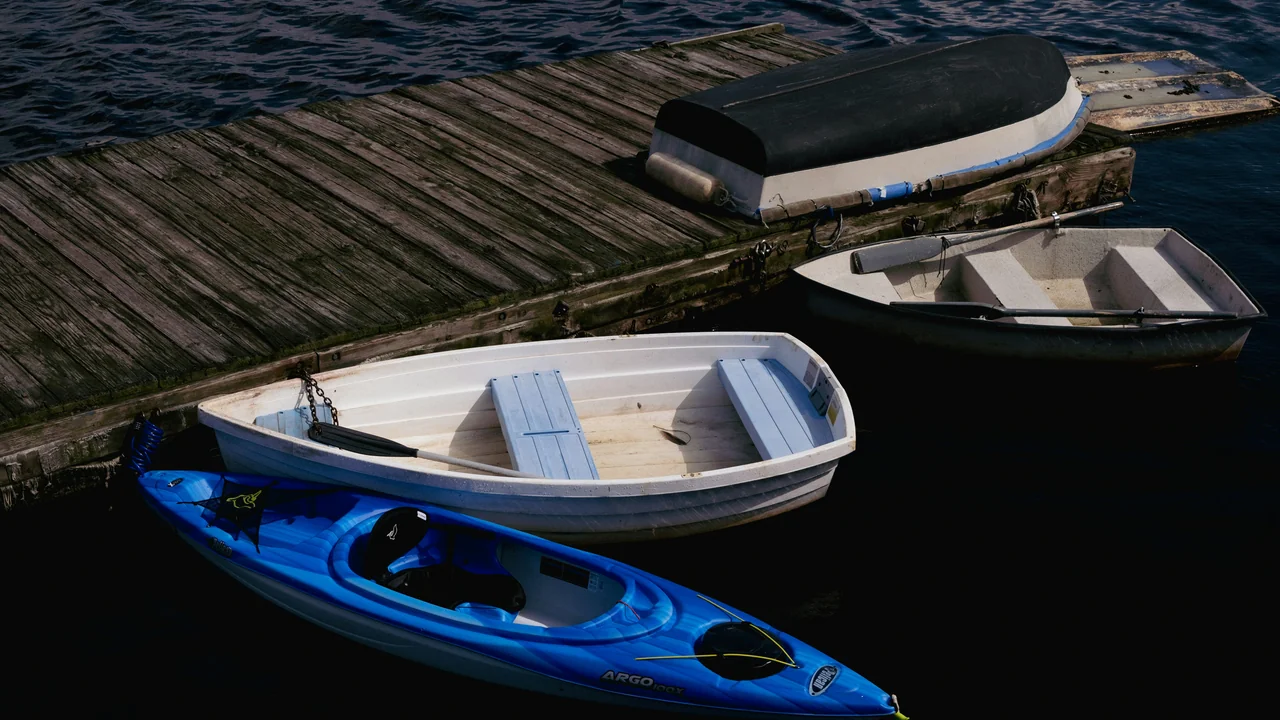
If you own waterfront property in Texas and are planning to build a dock, you are likely wondering about the boat dock cost in Texas and how to budget for your project. The short answer is that a standard residential boat dock in Texas typically ranges from $15,000 to $80,000 or more, depending on the type, size, materials, and location. This guide breaks down the dock installation cost in Texas by dock type, explains how labor rates and permit fees impact your total budget, and provides specific cost data for popular lakes like Travis, Austin, and LBJ. You will also learn about material considerations for the Texas heat, what dock builders charge, and how to combine permit and construction costs into a realistic total budget range.
What Is the Average Dock Cost in Texas by Type?
The type of dock you choose is the single biggest factor determining your total cost. In Texas, the most common residential dock types are floating docks, stationary pipe docks, and pile-supported docks. Each has a different price point based on materials, labor, and structural complexity.
| Dock Type | Typical Cost Range (per linear foot) | Typical Total Cost (20 ft x 8 ft dock) |
|---|---|---|
| Floating dock (aluminum frame, composite deck) | $150 – $300 | $24,000 – $48,000 |
| Stationary pipe dock (galvanized steel, wood deck) | $100 – $200 | $16,000 – $32,000 |
| Pile-supported dock (wood or composite, concrete piles) | $200 – $400 | $32,000 – $64,000 |
| Basic DIY floating dock (plastic barrels, pressure-treated wood) | $40 – $80 | $6,400 – $12,800 |
Floating Dock Cost in Texas
Floating docks are the most common type on Texas lakes due to the dramatic water level changes caused by drought and flood cycles. A professionally installed aluminum-frame floating dock with composite decking costs between $150 and $300 per linear foot. For a standard 20-foot by 8-foot dock, expect to pay $24,000 to $48,000. The cost includes the floatation system (typically polyethylene pontoons or encapsulated foam), aluminum framing, decking, and anchoring hardware. Adding a boat lift or jet ski port increases the total by $5,000 to $15,000.
Stationary Pipe Dock Cost in Texas
Stationary pipe docks use galvanized steel pipes driven into the lakebed, with a deck attached at a fixed height. These are less expensive upfront, ranging from $100 to $200 per linear foot, but they are only suitable for lakes with stable water levels. On Lake LBJ or Lake Austin, where water levels are relatively consistent, a 20-foot stationary pipe dock costs $16,000 to $32,000. However, on Lake Travis, a stationary dock is risky because a sudden drop in water level can leave the deck high and dry, making the dock unusable.
Pile-Supported Dock Cost in Texas
Pile-supported docks are the most robust and expensive option, using concrete or steel piles driven deep into the lakebed. These are often required by the Lower Colorado River Authority (LCRA) on certain lakes for permanent structures. Costs range from $200 to $400 per linear foot, meaning a 20-foot dock can cost $32,000 to $64,000. Pile docks are ideal for high-traffic areas or where wave action is significant, but they are overkill for most residential applications.
How Do Texas Labor Rates Affect Dock Installation Cost?
Labor rates for dock builders in Texas vary by region but generally fall between $75 and $150 per hour for skilled crew labor. This is slightly below the national average of $85 to $160 per hour, according to industry data from 2025. The lower cost is partly due to the absence of winter weather delays, which allows Texas dock builders to work year-round, reducing overhead. However, specialized tasks like welding aluminum frames or installing hydraulic lifts command higher rates, often $120 to $180 per hour. Labor typically accounts for 40% to 50% of the total dock cost, so on a $40,000 project, expect $16,000 to $20,000 in labor.
What Are the LCRA Permit Fees for Docks in Texas?
The Lower Colorado River Authority (LCRA) regulates docks on Lake Travis, Lake Austin, Lake LBJ, Inks Lake, and Marble Falls Lake. Permit fees are a fixed cost that adds to your total budget. As of 2026, the LCRA charges a non-refundable application fee of $150 for a residential dock permit. If your dock requires a variance (e.g., exceeding the standard 10-foot width or 40-foot length), the fee increases to $300. Annual lease fees for the water bottom area under your dock range from $0.05 to $0.15 per square foot per year. For a 160-square-foot dock (20 ft x 8 ft), this is $8 to $24 annually. While these fees are modest, failing to obtain a permit can result in fines of up to $2,000 per day, so budget for compliance.
How Much Does a Dock Cost on Lake Travis vs. Lake Austin vs. Lake LBJ?
Dock costs vary by lake due to differences in water level volatility, local builder availability, and regulatory requirements. Here is a breakdown of popular Texas lakes.
Lake Travis Dock Cost
Lake Travis is known for extreme water level fluctuations, often exceeding 20 feet between drought and flood conditions. This makes floating docks the only practical choice. A standard 20-foot floating dock on Lake Travis costs $30,000 to $55,000 installed. The higher end includes heavy-duty anchoring systems designed to withstand high winds and wave action. The Lake Travis dock cost is also influenced by the need for longer gangways or access ramps when water levels drop. Expect to add $3,000 to $8,000 for a 30-foot to 50-foot gangway.
Lake Austin Dock Cost
Lake Austin has relatively stable water levels controlled by the Tom Miller Dam. This allows for both floating and stationary pipe docks. Dock costs on Lake Austin are slightly lower, averaging $25,000 to $45,000 for a 20-foot dock. Stationary pipe docks are more common here, costing $16,000 to $28,000. However, Lake Austin has stricter setback requirements from the shoreline, which may require a longer walkway or pier, adding $2,000 to $6,000 to the total.
Lake LBJ Dock Cost
Lake LBJ is a constant-level lake (water level varies by less than 1 foot annually). This makes it the most cost-effective lake for dock construction. A 20-foot stationary pipe dock on Lake LBJ costs $14,000 to $25,000. Floating docks are also available but less common. Because the water level is stable, you can use simpler anchoring systems, reducing total cost by 10% to 15% compared to Lake Travis. The main expense is the dock itself, with minimal additional costs for gangways or lifts.
| Lake | Typical Dock Type | Cost Range (20 ft dock) | Key Cost Driver |
|---|---|---|---|
| Lake Travis | Floating | $30,000 – $55,000 | Water level fluctuation, heavy anchoring |
| Lake Austin | Floating or Stationary | $25,000 – $45,000 | Setback requirements, walkways |
| Lake LBJ | Stationary Pipe | $14,000 – $25,000 | Stable water level, simple anchoring |
What Material Considerations Matter for Texas Heat?
Texas summers are brutal on dock materials. Temperatures regularly exceed 100°F, and UV radiation is intense. This means you cannot use the same materials as a northern state dock. Pressure-treated pine, common in colder climates, warps and cracks within 2–3 years in Texas. Composite decking (e.g., Trex or TimberTech) is the preferred choice because it resists UV fading and does not splinter. However, composite decking costs $8 to $15 per square foot, compared to $3 to $6 per square foot for wood. Aluminum framing is also standard in Texas because it does not rust in the humid lake environment. Galvanized steel is a cheaper alternative but can corrode at weld points within 5–7 years. For floatation, encapsulated foam is superior to plastic barrels because it does not absorb water if punctured, a common issue with debris in Texas lakes.
How Much Do Dock Builders Charge in Texas?
Dock builder pricing in Texas varies by experience, location, and project complexity. Established dock builders on Lake Travis charge $15,000 to $25,000 for a basic 20-foot floating dock, while more elaborate designs with boat lifts, lighting, and composite decking can exceed $80,000. The dock builder cost Texas averages $200 to $350 per linear foot for turnkey installation, including materials, labor, and permit handling. Smaller builders in rural areas (e.g., Lake LBJ) may charge 10% to 20% less due to lower overhead. Always get at least three quotes from licensed and insured builders. Check their portfolio for projects on the same lake to ensure they understand local water level patterns and regulatory requirements.
What Is the Total Budget Range for a Dock Including Permits and Construction?
Combining permit fees, construction, and accessories, here is the total budget range you should plan for in Texas. For a basic 20-foot floating dock on Lake Travis, expect a total of $30,000 to $60,000. This includes the LCRA permit fee ($150), the dock structure ($24,000–$48,000), anchoring ($4,000–$8,000), and a short gangway ($2,000–$4,000). For a premium dock with a boat lift, composite decking, and LED lighting on Lake Travis, the total can reach $80,000 to $120,000. On Lake LBJ, a simple stationary pipe dock can be built for $14,000 to $25,000 total, including permits. Always add a 10% contingency for unforeseen costs like soil testing or additional permitting requirements from your county.
Pros of Floating Docks in Texas
- Adapts to water level changes up to 20+ ft
- Lower maintenance than wood docks
- Easy to add accessories like lifts
Cons of Floating Docks in Texas
- Higher upfront cost ($150–$300/ft)
- Requires robust anchoring system
- Not suitable for very shallow shorelines
Summary and Action Plan for Your Texas Dock Project
To summarize, the boat dock cost in Texas ranges from $14,000 for a basic stationary pipe dock on Lake LBJ to over $100,000 for a premium floating dock on Lake Travis. The key drivers are dock type, lake location, materials, and labor rates. Your first step should be to contact the LCRA for the specific lake where your property is located to confirm permit requirements and fee schedules. Next, get three quotes from licensed dock builders who have experience on that lake. Prioritize builders who use aluminum framing and composite decking to withstand Texas heat. Finally, add a 10% contingency to your budget for unexpected costs. By following this plan, you can build a durable, compliant dock that enhances your waterfront property for decades.
Frequently Asked Questions
How much does a dock cost in Texas?
A residential boat dock in Texas typically costs between $14,000 and $80,000, with the average being around $35,000 for a standard 20-foot floating dock. The wide range depends on the dock type, materials, lake location, and whether accessories like boat lifts are included. Floating docks are the most common and cost $150 to $300 per linear foot installed.
How much does a dock cost on Lake Travis?
A dock on Lake Travis costs between $30,000 and $55,000 for a standard 20-foot floating dock, due to the extreme water level fluctuations that require heavy-duty anchoring and long gangways. The total can exceed $100,000 for premium designs with composite decking, boat lifts, and lighting. The Lake Travis dock cost is higher than on other Texas lakes because of the specialized anchoring systems needed.
Are dock builders expensive in Texas?
Dock builder rates in Texas range from $75 to $150 per hour for skilled labor, which is slightly below the national average. For a turnkey project, dock builders charge $200 to $350 per linear foot, including materials and labor. While rates are competitive, the total cost adds up quickly due to the labor-intensive nature of dock construction, especially on lakes with challenging conditions like Lake Travis.
What is the cheapest dock option in Texas?
The cheapest dock option in Texas is a DIY floating dock made from plastic barrels and pressure-treated lumber, costing $40 to $80 per linear foot. For a 20-foot dock, this totals $6,400 to $12,800. However, DIY docks often fail to meet LCRA permit requirements and may not withstand Texas heat and water level changes. The least expensive professionally built option is a stationary pipe dock on a stable-level lake like LBJ, costing $14,000 to $25,000.
Last updated: July 02, 2026
- Lower Colorado River Authority (LCRA) – Dock Permit Fee Schedule, 2026
- Texas Water Code Chapter 11 – Subchapter E, Lakebed Leases
- Industry survey of dock builders on Lake Travis, Lake Austin, and Lake LBJ, Q1 2026

Dock Permit Guide
DockPermitGuide editor covering boat dock and pier permit requirements, costs, and regulations across the United States, Canada & Australia.