
Dredging Permit Guide: Deepening Water Around Your Dock (2026)
 11 min read
2,020 words
11 min read
2,020 words
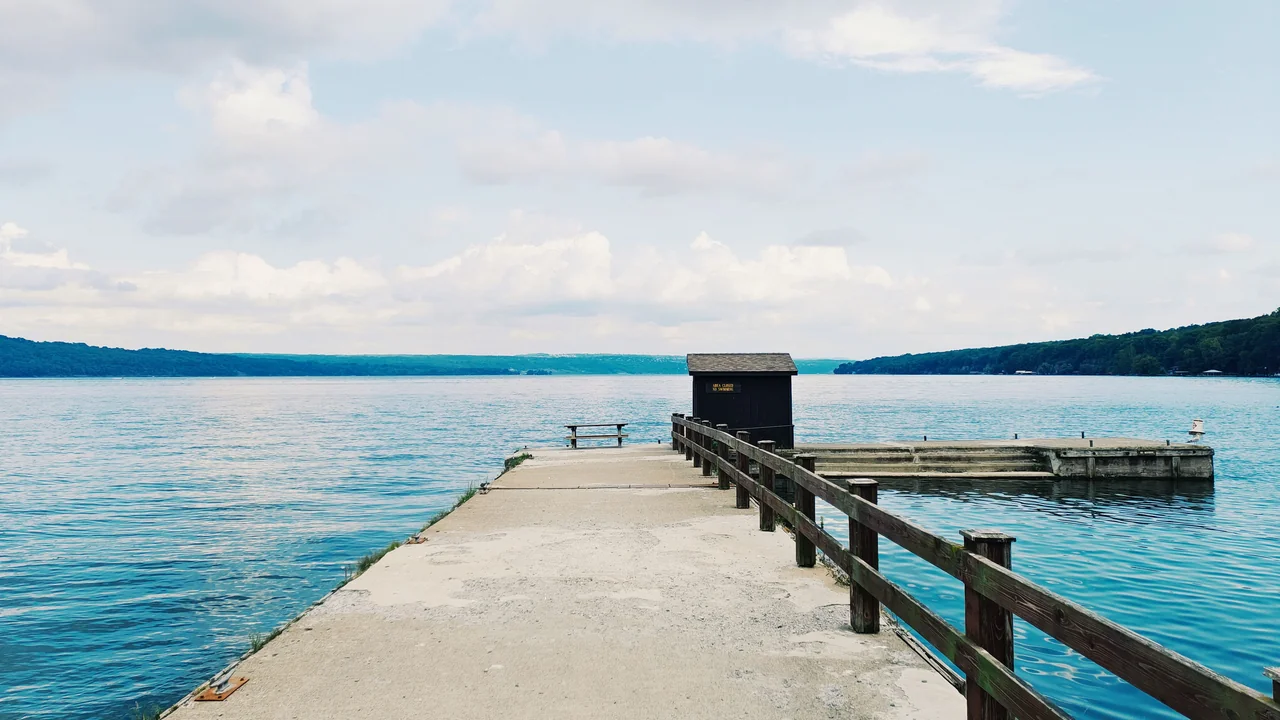
If your dock is sitting on mud at low tide or your boat can barely navigate the channel without scraping bottom, you are likely considering dredging. Before you break ground, know this: yes, a dredging permit is almost always required for removing sediment from navigable waters, and the process is among the most complex and heavily regulated of all waterfront projects. This guide explains exactly which agencies control your dredge project, how to navigate the residential dredging permit process, what your costs and timeline will realistically look like, and—importantly—when you should consider alternatives like extending your dock or installing a boat lift instead.
Why Dredging Requires a Permit: The Regulatory Reality
Dredging is not simply moving mud. It involves excavating sediment from the bottom of a lake, river, or coastal waterway and disposing of it elsewhere. Because this activity directly disturbs the aquatic environment, it triggers federal, state, and often local permitting requirements. The primary concern is the impact on water quality, fish habitat, and the stability of the shoreline ecosystem. Sediment plumes can smother spawning beds, and the disposal of dredged material can introduce pollutants back into the water column. This is why regulators treat dredging with far more scrutiny than a typical dock construction project.
The Army Corps of Engineers and Section 404
The single most important permit for any dredging project is the Section 404 permit issued by the U.S. Army Corps of Engineers (USACE). Under the Clean Water Act, any discharge of dredged or fill material into waters of the United States requires authorization. For residential dredging to deepen water around an existing dock, you will likely need either a Nationwide Permit (NWP) or an Individual Permit (IP). The Army Corps of Engineers Dock Permit: Section 404 Guide (2026) provides a comprehensive breakdown of this process, but the key takeaway is that the Corps evaluates the project’s cumulative impact on the aquatic environment.
State Water Quality Certification (Section 401)
Even after the USACE approves your project, you must obtain a Section 401 Water Quality Certification from your state’s environmental agency. This certification confirms that the dredging will not violate state water quality standards. In many states, this is a separate application with its own fees and review timeline. For example, dredging in a lake like Lake Minnetonka would require coordination with both the USACE and the Minnesota Department of Natural Resources, as outlined in the Lake Minnetonka Dock Permit: MCWD Rules & How to Apply (2026) guide.
How to Get a Dredging Permit: The Step-by-Step Process
The residential dredging permit process is not a single application; it is a multi-step sequence that can take several months. Here is the practical pathway you will follow.
Contact your local USACE district office. Explain your project: depth of sediment, location, and volume to be removed. They will tell you which permit pathway applies—Nationwide Permit 19 (for minor dredging) or an Individual Permit.
You must collect core samples of the sediment you intend to dredge. These samples are tested for contaminants like heavy metals, PCBs, and petroleum hydrocarbons. Clean sediment is easier to permit; contaminated sediment requires special handling and disposal.
Most states use a Joint Application Form (JAF) that simultaneously applies for the USACE permit and the state 401 certification. This form requires detailed project drawings, volume estimates, and a disposal plan.
For Individual Permits, the Corps will issue a public notice. Adjacent property owners and environmental groups may comment or object. This is a common source of delays.
If approved, you will receive a permit with specific conditions, including seasonal restrictions (e.g., no dredging during fish spawning season) and erosion control measures. You may also be required to mitigate impacts by creating or restoring habitat elsewhere.
Sediment Testing and Disposal: The Hidden Cost Drivers
Perhaps the most underestimated aspect of a dredging permit is the requirement for sediment testing and the subsequent disposal plan. You cannot simply dump dredged material back into the water or onto your shoreline without risking substantial fines.
What the Tests Look For
Standard sediment testing evaluates grain size, total organic carbon, and a suite of contaminants. If your property is near an old marina, industrial site, or agricultural runoff, the likelihood of finding contaminants increases. Clean sediment can often be disposed of at an upland site or used for beach nourishment, but contaminated sediment must be taken to a licensed landfill or treatment facility, which can triple your disposal costs.
Disposal Options and Restrictions
Your disposal plan must be approved by the USACE and the state agency. Common options include:
- Upland disposal – Transporting sediment to a permitted landfill or construction site.
- Beneficial reuse – Using clean sediment for wetland restoration or beach nourishment.
- Confined aquatic disposal (CAD) – Placing contaminated sediment in a designated underwater pit, capped with clean material. This is rare for residential projects.
How Much Does a Residential Dredging Permit Cost?
Dredging is expensive. The cost of the permit itself is a small fraction of the total project, but the associated requirements drive the price. Here is a realistic breakdown.
| Cost Component | Typical Range | Notes |
|---|---|---|
| USACE Permit Application Fee | $100 – $10,000 | Nationwide Permits are cheaper; Individual Permits have higher fees based on project scale. |
| State 401 Certification Fee | $500 – $5,000 | Varies widely by state. |
| Sediment Testing (lab analysis) | $2,000 – $8,000 | Depends on number of samples and contaminant panel. |
| Engineering Plans and Drawings | $3,000 – $15,000 | Required for the Joint Application Form. |
| Dredging Contractor (mobilization + work) | $20,000 – $100,000+ | Volume of sediment, access, and disposal distance are primary factors. |
| Sediment Disposal Fees | $10 – $50 per cubic yard | Clean sediment is cheaper; contaminated sediment costs significantly more. |
| Total Project Cost (Permits + Dredging) | $30,000 – $150,000+ | Residential projects at the lower end; large-volume or contaminated projects at the upper end. |
How Long Does a Dredging Permit Take?
Do not expect a quick turnaround. The timeline from initial consultation to permit issuance is measured in months, not weeks. You should plan for a minimum of 4 to 6 months for a straightforward Nationwide Permit, and 8 to 12 months or longer for an Individual Permit that requires a public notice and environmental review.
Factors that extend the timeline include:
- Contaminated sediment requiring a complex disposal plan.
- Objections from neighbors or environmental groups during the public comment period.
- Seasonal restrictions that limit the dredging window (e.g., only allowed between October and March to protect fish).
- Backlogs at the USACE district office or state agency.
Alternatives to Dredging: When to Skip the Permit
Given the cost, complexity, and environmental scrutiny of dredging, many dock owners find that alternatives are more practical and cost-effective. Before you commit to a dredging permit, seriously evaluate these options.
Dock Extension
If the water is shallow near the shoreline but deepens further out, extending your dock into deeper water may solve your problem without disturbing a single grain of sediment. A dock extension typically requires a much simpler permit (or sometimes no permit at all, depending on the size). The How Much Does a Boat Dock Cost in 2026? Complete Price Guide can help you compare the cost of an extension versus a full dredging project.
Boat Lift or Floating Dock
A boat lift elevates your vessel above the water, eliminating the need for deep water under the dock. Similarly, a Swim Platform and Swim Raft Permit Requirements (2026 Guide) can be adapted as a floating dock that adjusts to low water levels. These solutions avoid any sediment disturbance entirely and are permitted much faster.
Relocate the Dock
If your current dock location is chronically shallow, moving the dock to a deeper spot on your property may be the simplest fix. This still requires a dock permit, but the process is far less onerous than a dredging permit. In Canada, for example, the Dock Permit in Canada: Federal and Provincial Rules Guide (2026) outlines how relocation often falls under a simpler authorization category.
Pros of Alternatives
- Much faster permitting (weeks vs. months)
- Lower cost (typically $5,000–$30,000)
- No sediment testing or disposal issues
- Less environmental impact
Cons of Alternatives
- May not solve deep navigation issues
- Dock extension may change view or shoreline aesthetics
- Boat lift requires power and maintenance
- Relocation may not be feasible on narrow lots
Summary: Your Action Plan for a Dredging Permit
Dredging is the most difficult waterfront project to permit, but it is sometimes the only solution for restoring access to your dock. Before you proceed, take these steps in order:
- Contact your local USACE district office for a pre-application consultation. This is free and will tell you which permit pathway applies.
- Hire an environmental consultant to perform sediment testing. Do not skip this step—it determines the feasibility and cost of your entire project.
- Evaluate alternatives first. Compare the cost of a dock extension, boat lift, or floating dock against the full dredging price. In many cases, the alternative is 70% cheaper and 90% faster.
- If dredging is the only option, budget for the long haul. Set aside at least 6 months for permitting and expect a total cost between $30,000 and $150,000 depending on sediment volume and contamination.
Frequently Asked Questions
Do I need a permit to dredge around my dock?
Yes, in almost every case. Dredging in navigable waters of the United States requires a permit from the U.S. Army Corps of Engineers under Section 404 of the Clean Water Act. You will also need a state water quality certification under Section 401. Even minor dredging of a few cubic yards for personal access typically requires a Nationwide Permit. Dredging without a permit can result in fines, restoration orders, and legal liability.
How much does residential dredging cost?
The total cost for a residential dredging project, including permits, sediment testing, engineering, and the actual dredging work, typically ranges from $30,000 to $150,000. The largest cost drivers are the volume of sediment to be removed and whether the sediment is contaminated. Clean sediment projects on the smaller end can cost around $20,000 to $40,000, while projects involving contaminated sediment or large volumes can exceed $100,000.
How long does a dredging permit take?
Expect a minimum of 4 to 6 months for a straightforward project that qualifies for a Nationwide Permit. Projects requiring an Individual Permit, which involves a public notice and environmental review, can take 8 to 12 months or longer. Delays often arise from sediment testing results, objections during the public comment period, and seasonal restrictions that limit dredging to specific windows of the year.
What are alternatives to dredging?
Several alternatives can restore boat access without the regulatory burden of dredging. Extending your dock into deeper water is often the simplest solution. Installing a boat lift or converting to a floating dock eliminates the need for deep water under the dock entirely. Relocating your dock to a naturally deeper spot on your property is another option. These alternatives are typically permitted in weeks rather than months and cost a fraction of a full dredging project.
Last updated: July 02, 2026
- U.S. Army Corps of Engineers Regulatory Program (usace.army.mil)
- Clean Water Act Section 404 and Section 401 Regulations
- State environmental agency guidance on dredging permits

Dock Permit Guide
DockPermitGuide editor covering boat dock and pier permit requirements, costs, and regulations across the United States, Canada & Australia.