
Floodplain and Floodway Dock Rules: FEMA Zones Explained (2026)
 12 min read
2,241 words
12 min read
2,241 words
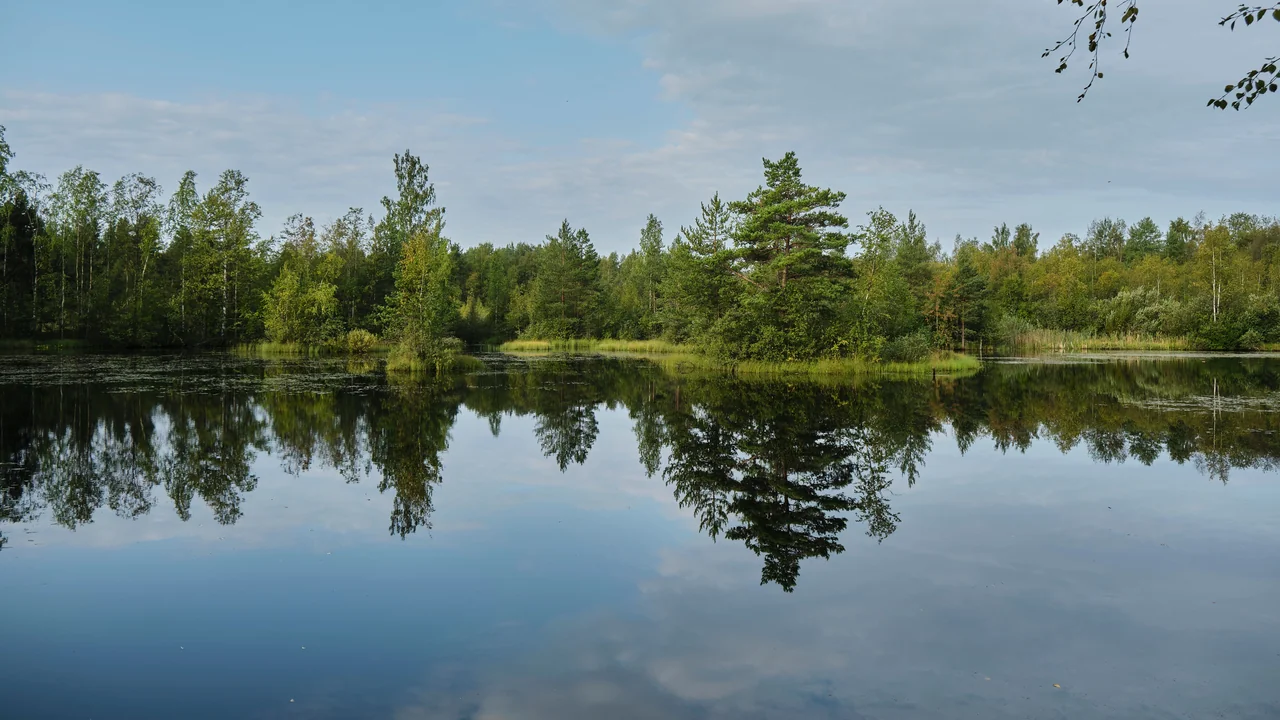
Yes, a permit is almost always required to build a dock in a floodplain or floodway, and the specific rules depend on which FEMA flood zone your property sits in. This guide explains floodplain dock rules for riverfront and lakefront owners, covering how FEMA zones, local floodplain administrators, and no-rise certifications affect your project. You will learn exactly which agency to contact, what the permitting process looks like, how much it costs, and how long it takes to get approval.
Building on or near a waterway is already complex, but when your land falls within a mapped flood hazard area, federal, state, and local regulations add another layer of requirements. The goal of these rules is to prevent your dock from obstructing flood flows, becoming debris that damages downstream infrastructure, or increasing flood risk for neighboring properties. Below, we break down every critical factor you need to know before you start designing or building.
FEMA Flood Zone Dock: Which Zones Affect Your Project?
The Federal Emergency Management Agency (FEMA) maps flood hazards across the United States through Flood Insurance Rate Maps (FIRMs). These maps divide areas into zones based on the likelihood and severity of flooding. For dock construction, the most important distinction is between high-risk zones (A, AE, AH, AO, and V zones) and moderate-to-low risk zones (B, C, and X zones).
If your property is in an A or V zone, your dock project will face the strictest review. V zones are coastal areas subject to wave action, while A zones are inland floodplains. In both cases, the local floodplain administrator will require a floodplain development permit before you can apply for a building permit. The dock must be designed to minimize obstruction to floodwaters and must not increase the base flood elevation (BFE) by more than a negligible amount.
Properties in B, C, or X zones have fewer restrictions, but local ordinances may still require a permit if the dock extends into a regulated waterway. Always check with your local floodplain administrator first — even if FEMA says you are in a low-risk zone, your community may have adopted stricter standards.
What Does FEMA Zone Designation Mean for Your Dock Design?
Your dock’s design must match the flood hazard level of your zone. In high-risk zones, open-pile foundations are almost mandatory because they allow water to flow under the structure without obstruction. Solid decks, enclosed storage areas, or heavy railings can increase flood risk and may be prohibited. In V zones, the dock must also be designed to break away or fail predictably during a storm surge, preventing it from becoming a battering ram against nearby structures.
For lakefront properties in A zones, the dock must be anchored to resist flotation and lateral movement during a flood. This is not just a good idea — it is a regulatory requirement. The Army Corps of Engineers Dock Permit: Section 404 Guide (2026) provides additional details on how federal jurisdiction interacts with local floodplain rules.
Floodway vs Flood Fringe: The Critical Distinction
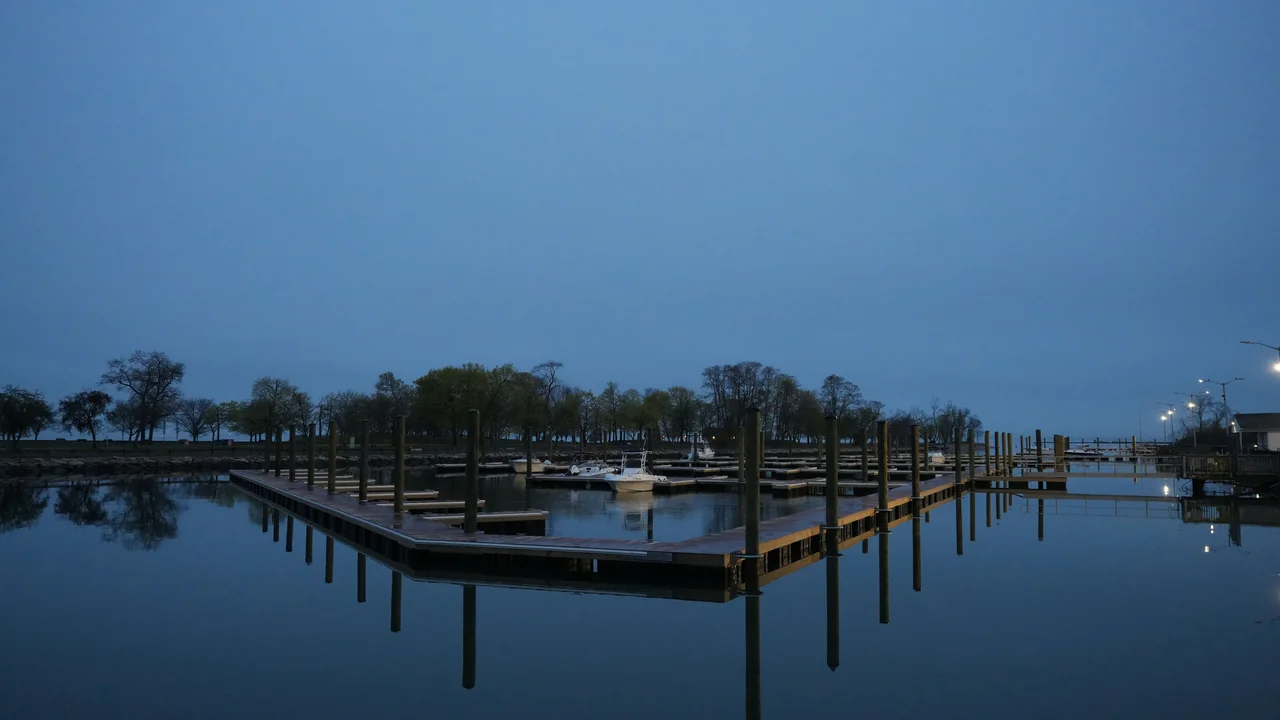
Within the 100-year floodplain (Zone A), there are two sub-areas: the floodway and the flood fringe. The floodway is the channel of a river or stream plus any adjacent floodplain areas that must be kept free of obstructions to carry floodwaters downstream. The flood fringe is the remainder of the floodplain where water is stored during a flood but does not flow with high velocity.
This distinction is the most important factor in determining whether you can build a dock at all. In the floodway, any construction — including a dock — is presumed to increase flood risk unless you prove otherwise. In the flood fringe, docks are more likely to be permitted as long as they meet elevation and anchoring requirements.
Floodway Construction Rules: What Is Allowed?
Floodway construction rules are strict. The National Flood Insurance Program (NFIP) regulations require that any development in a floodway not cause an increase in the base flood elevation. This means you must obtain a no-rise certification (discussed in the next section) before any permit can be issued. In practice, most floodways prohibit permanent, fixed docks. Floating docks that rise with the water level are often the only acceptable design because they do not obstruct flood flows.
Even floating docks in a floodway must be designed with breakaway connections or weak-link systems so that if they become debris, they do not jam against bridges or culverts. The local floodplain administrator will review your dock plan to ensure it meets these standards. If you are on a river with a mapped floodway, expect a longer review process and higher engineering costs.
No-Rise Certification for Floodway Structures
A no-rise certification is a document signed by a licensed professional engineer stating that the proposed dock will not cause any increase in the base flood elevation during a 100-year flood event. This is the single most common requirement that catches property owners off guard. You cannot build a fixed dock in a floodway without this certification, and even floating docks may require it depending on local rules.
The certification involves hydraulic modeling of the floodway with and without your dock in place. The engineer must demonstrate that the dock’s presence does not raise water levels by even one-tenth of a foot. For small docks, this is often achievable, but the cost of the engineering study — typically $1,500 to $5,000 — is an expense many owners do not anticipate.
If you cannot obtain a no-rise certification, your only option may be a floating dock that is designed to be removed before a flood event. Some communities allow temporary seasonal docks in floodways, but you must have a plan for removal and storage.
Local Floodplain Administrator Role in Dock Permitting

The local floodplain administrator (often called the floodplain manager) is the person in your city or county who enforces the NFIP regulations. They are your first point of contact for any dock project in a mapped flood zone. Their job is to review your application, ensure compliance with local floodplain ordinances, and issue or deny floodplain development permits.
You cannot bypass the floodplain administrator and go straight to the building department. In most communities, the floodplain development permit is a prerequisite for any building permit. The administrator will ask for site plans, elevation certificates, and, if you are in a floodway, a no-rise certification. They will also check whether your dock complies with the community’s freeboard requirements — the extra height above the base flood elevation that the dock must maintain.
Building a good relationship with your floodplain administrator early in the process can save you months of delays. Ask them for a copy of your community’s floodplain management ordinance and any specific design standards for docks. Some communities have pre-approved dock designs for common situations, which can streamline your application.
Anchoring Rules to Prevent Flood Debris
One of the primary concerns regulators have about docks in flood zones is that they can break loose during a flood and become debris that damages bridges, dams, and downstream properties. To prevent this, most floodplain ordinances include specific anchoring requirements.
- Permanent docks must be anchored to piles driven deep enough to resist buoyant forces and lateral movement during a 100-year flood.
- Floating docks must use heavy-duty chains or cables attached to deadmen anchors or helical piles. The anchoring system must be designed to withstand the force of moving water.
- Seasonal docks must be removed before the flood season begins. Some communities require a signed affidavit or proof of removal.
- All docks must use materials that will not become hazardous debris if they break free. Avoid pressure-treated wood that can splinter into sharp pieces.
If you are building a swim platform or raft, the same anchoring rules apply. The Swim Platform and Swim Raft Permit Requirements (2026 Guide) provides specific guidance on anchoring systems for these structures.
How Flood Zone Affects Permits and Insurance
Your dock’s flood zone designation directly affects two things: the difficulty of obtaining a permit and the cost of insurance. If your dock is in a floodway, expect a longer, more expensive permitting process. If it is in the flood fringe, the process is usually straightforward but still requires a floodplain development permit.
Regarding insurance, your dock itself is typically not covered by a standard homeowners insurance policy or even a separate flood insurance policy under the NFIP. However, if the dock is attached to your house or contains valuable equipment like boat lifts or electrical systems, you may need a separate marine or inland marine policy. Some private insurers offer coverage for docks, but premiums are higher in flood zones.
If you own property on a lake like Lake Minnetonka, which has its own watershed district rules, the flood zone overlay adds another layer. The Lake Minnetonka Dock Permit: MCWD Rules & How to Apply (2026) guide explains how local watershed districts coordinate with FEMA regulations.
Summary: Action Plan for Your Floodplain Dock Project
Before you spend money on design or materials, take these steps in order. First, determine your FEMA flood zone by visiting the FEMA Flood Map Service Center or your local planning department. Write down whether you are in a floodway or flood fringe. Second, contact your local floodplain administrator and ask for the floodplain development permit application and any specific dock design standards. Third, if you are in a floodway, budget for a no-rise certification from a licensed professional engineer. Fourth, design your dock to minimize obstruction — open-pile or floating designs are preferred. Fifth, plan for adequate anchoring that meets local requirements.
The most actionable recommendation is to call your floodplain administrator before you do anything else. They can tell you whether your project is feasible and what documentation you need. If you are in Canada, the regulatory framework differs. The Dock Permit in Canada: Federal and Provincial Rules Guide (2026) covers those requirements separately. Finally, keep in mind that the cost of your dock in a flood zone includes not just materials and labor but also permit fees, engineering studies, and potentially higher insurance premiums. The How Much Does a Boat Dock Cost in 2026? Complete Price Guide provides a full breakdown of these expenses.
Frequently Asked Questions
Can I build a dock in a FEMA flood zone?
Yes, you can build a dock in a FEMA flood zone, but you must obtain a floodplain development permit from your local floodplain administrator first. The specific design and anchoring requirements depend on whether your property is in the floodway or flood fringe. In most cases, floating docks or open-pile structures are preferred because they minimize obstruction to floodwaters. You will also need to demonstrate that your dock will not increase the base flood elevation, especially if you are in a mapped floodway.
What is a no-rise certification?
A no-rise certification is a document signed by a licensed professional engineer that proves your proposed dock will not cause any measurable increase in the base flood elevation during a 100-year flood event. This certification is required for any development in a mapped floodway, including docks. The engineer must perform hydraulic modeling to show that the dock does not obstruct flood flows. The cost for this certification typically ranges from $1,500 to $5,000, depending on the complexity of the site.
Who is the floodplain administrator?
The floodplain administrator is a local government official, usually in the planning, building, or public works department, who enforces the community’s floodplain management regulations. They review floodplain development permit applications, ensure compliance with the National Flood Insurance Program, and coordinate with FEMA. You must contact your local floodplain administrator before starting any dock construction in a mapped flood zone. They are your primary regulatory contact and can tell you exactly what documents you need to submit.
Do flood zone docks cost more to insure?
Yes, docks in flood zones typically cost more to insure because they face higher risks of damage from flooding, debris impact, and storm surge. Standard homeowners insurance policies and NFIP flood policies generally do not cover docks. You will need a separate marine or inland marine policy from a private insurer. Premiums are higher in V zones and floodways compared to flood fringe areas. Some insurers also require proof that the dock is properly anchored and meets local floodplain standards before they will issue a policy.
Last updated: July 02, 2026
- FEMA Flood Insurance Rate Maps (FIRM) and Flood Insurance Studies
- National Flood Insurance Program (NFIP) Regulations, 44 CFR Part 59-79
- Local floodplain management ordinances and building codes

Dock Permit Guide
DockPermitGuide editor covering boat dock and pier permit requirements, costs, and regulations across the United States, Canada & Australia.