
Lake Texoma Dock Permit: USACE Rules & How to Apply (2026)
 10 min read
1,886 words
10 min read
1,886 words

Which Agency Issues Dock Permits on Lake Texoma?
The U.S. Army Corps of Engineers (USACE) Tulsa District has sole permitting authority for all private shoreline structures on Lake Texoma. Unlike many other lakes where a state agency (like a DNR) issues permits, Lake Texoma is a federally controlled reservoir. This means the USACE, not the Texas Parks and Wildlife Department or the Oklahoma Department of Wildlife Conservation, is the primary regulator.
For a deeper understanding of the federal permitting process, see our guide on the Army Corps of Engineers Dock Permit: Section 404 Guide (2026). The USACE Lake Texoma permit is administered through the Tulsa District’s Regulatory Division. The key document you need is a Shoreline Use Permit (SUP).
Lake Texoma Dock Rules: Texas vs. Oklahoma Shoreline
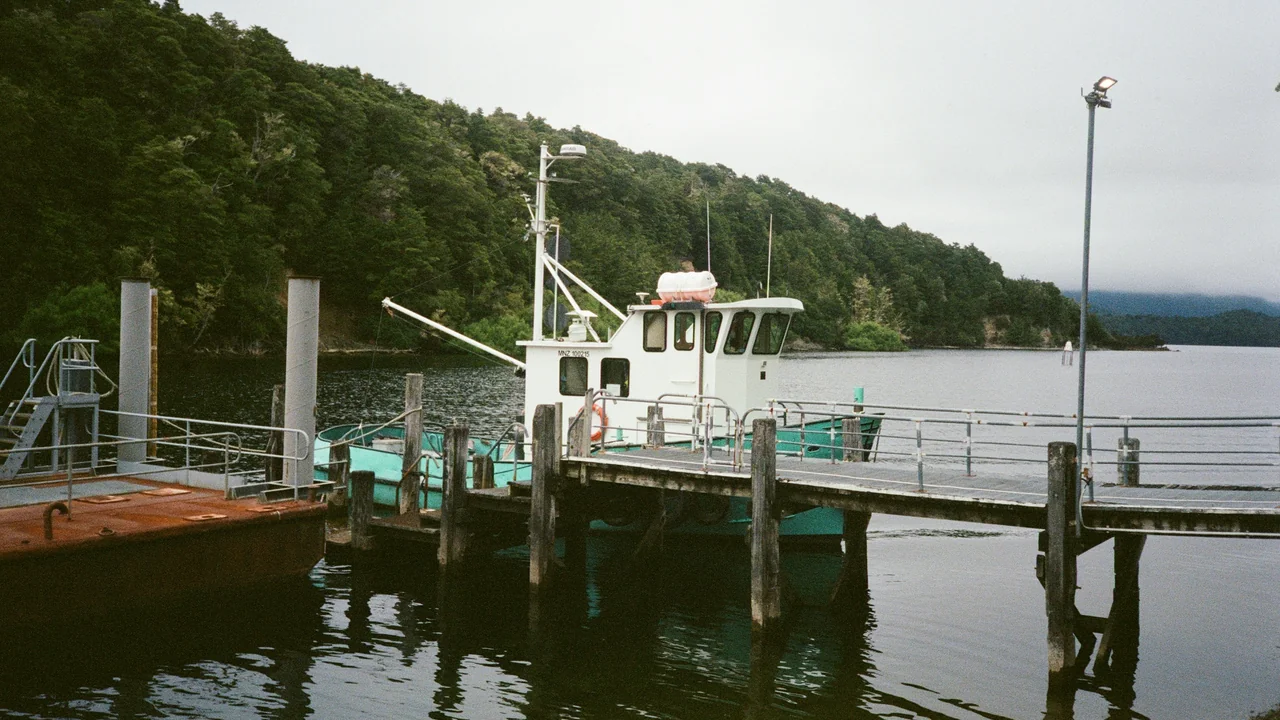
Lake Texoma is unique because it straddles the Texas-Oklahoma border. While the USACE issues the permit, the specific rules and restrictions can vary depending on which side of the lake your property is located. This is because the USACE Tulsa District manages the entire reservoir, but local conditions and shoreline management plans can differ.
Texas Side (Grayson & Cooke Counties)
The Texas shoreline of Lake Texoma is heavily developed, with many private docks. The USACE has specific size and setback requirements here. You must also comply with any additional county regulations, though these are secondary to the federal permit. The primary concern on the Texas side is often water depth and avoiding interference with navigation channels.
Oklahoma Side (Bryan, Johnston, & Marshall Counties)
The Oklahoma shoreline generally has more undeveloped areas, but the permitting process is identical. The same USACE Shoreline Use Permit is required. However, the Oklahoma side may have different public land boundaries and different interpretations of “high water mark,” which affects where your dock can be placed. Always confirm your property’s specific shoreline classification with the USACE field office.
Lake Texoma Shoreline Permit: The Application Process
The process for obtaining a Lake Texoma shoreline permit involves several steps. It is not a simple form submission; it requires a detailed site plan and environmental review. Here is the step-by-step process.
Contact the USACE Tulsa District Regulatory Office (Denison Field Office). Discuss your proposed dock size, location, and type. This informal step can save weeks of wasted effort if your plan is not feasible.
This is the official application. You must include a detailed site plan showing property lines, water depth, dock dimensions, and distance from neighboring docks. A survey may be required.
The USACE will issue a public notice to adjacent property owners. An environmental assessment is conducted to ensure no significant impact on wetlands, endangered species, or navigation. This is a federal requirement under the National Environmental Policy Act (NEPA).
If approved, you will receive a Shoreline Use Permit with specific conditions. You must construct the dock exactly as approved. Failure to do so can result in fines and removal at your expense.
What Dock Types Are Allowed on Lake Texoma?
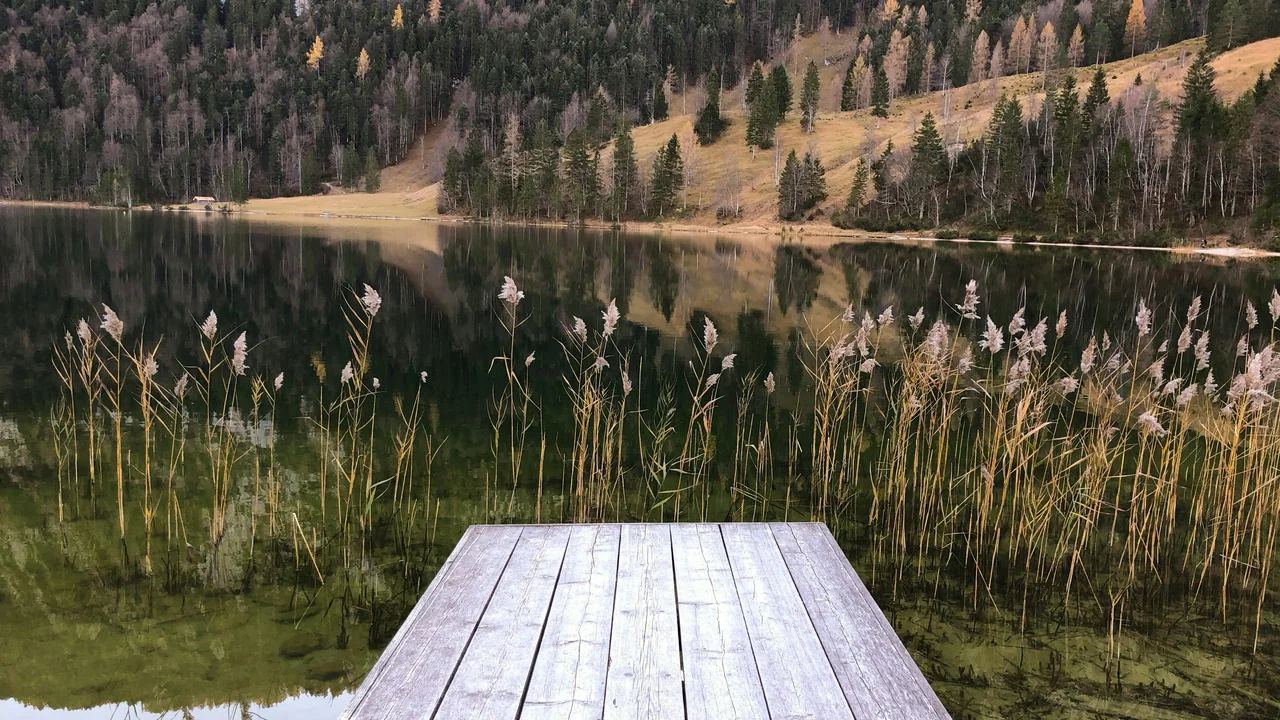
The USACE Lake Texoma permit allows several dock types, but each has specific size limits and structural requirements. The goal is to minimize environmental impact and ensure public safety.
| Dock Type | Allowed? | Size Limits & Notes |
|---|---|---|
| Fixed Pier / Dock | Yes | Maximum width: 4 feet. Maximum length: varies by water depth, typically up to 40 feet from the shoreline. |
| Floating Dock | Yes (with restrictions) | Must be anchored securely. Maximum surface area: 200 square feet. Must be removed or secured during winter drawdown. |
| Boat House / Covered Slip | Limited | Allowed only in designated areas. Maximum width: 12 feet. Must have open sides (no full enclosure). |
| Swim Platform / Raft | Yes | Considered a separate structure. Must be anchored within 20 feet of the primary dock. See our Swim Platform and Swim Raft Permit Requirements (2026 Guide) for details. |
| PWC / Jet Ski Lift | Yes | Must be attached to the primary dock or within the permitted area. No separate permit required if included in the SUP application. |
Lake Texoma Boat Dock Cost: What to Expect in 2026
The cost of a dock on Lake Texoma varies significantly based on type, size, materials, and the cost of the permit itself. The USACE application fee is relatively low, but the total project cost can be substantial.
For a broader perspective on pricing, read our complete guide on How Much Does a Boat Dock Cost in 2026? Complete Price Guide.
Permit and Application Fees
- USACE Application Fee (ENG Form 4345): $100 (non-refundable)
- Site Survey (if required): $500 – $1,500
- Engineered Site Plan: $300 – $800
- Annual Rental Fee (for use of federal land): $50 – $200 per year (based on dock size)
Construction Costs
| Dock Component | Estimated Cost (2026) |
|---|---|
| Simple fixed pier (wood, 4×20 ft) | $3,000 – $6,000 |
| Floating dock (aluminum, 10×20 ft) | $8,000 – $15,000 |
| Covered boat slip (single, with roof) | $12,000 – $25,000 |
| Swim platform (8×8 ft, floating) | $1,500 – $3,000 |
| Full dock package (fixed pier + covered slip + PWC lift) | $20,000 – $40,000+ |
Pros of Lake Texoma Docks
- Direct water access for boating and fishing
- Increases property value for lakefront homes
- USACE permit process is standardized and predictable
- Low annual rental fee compared to private lake associations
Cons of Lake Texoma Docks
- Long permit processing time (2-4 months)
- Strict size limits and design restrictions
- Must comply with lake drawdown (winter water level changes)
- Annual USACE rental fee and inspection requirements
Permit Transfer on Property Sale
A common question for Lake Texoma property owners is whether a dock permit transfers to a new owner when the property is sold. The answer is yes, but with conditions. The USACE Shoreline Use Permit is tied to the property, not the individual. When you sell your lakefront home, the existing dock permit can be transferred to the new owner.
However, the new owner must notify the USACE Tulsa District of the change in ownership within 30 days of closing. A simple letter or email with the new owner’s contact information and the permit number is required. The USACE may also require a new site inspection to ensure the dock is still in compliance. If the dock has been modified without authorization, the permit can be revoked, and the new owner may face fines.
This is a critical point to discuss with your real estate agent during a property sale. Always ask for a copy of the current USACE permit and verify its status before closing. For comparison, see how this process differs on other lakes like Lake Travis Dock Permit: Rules, Costs & How to Apply (2026), which is managed by the LCRA, not the USACE.
Summary: Your Action Plan for a Lake Texoma Dock Permit
Obtaining a dock permit for Lake Texoma requires working directly with the USACE Tulsa District. The process is thorough but straightforward if you follow the rules. Here is your recommended action plan:
- Step 1: Contact the USACE Denison Field Office (Texas side) or the Tulsa District Regulatory Office (Oklahoma side) for a pre-application meeting.
- Step 2: Hire a licensed surveyor to prepare a site plan with water depth measurements.
- Step 3: Submit a complete Shoreline Use Permit application (ENG Form 4345) with the $100 fee.
- Step 4: Wait for public notice and environmental review (expect 60-120 days).
- Step 5: Upon approval, construct your dock exactly as permitted and notify the USACE for a final inspection.
For a similar permitting process on a different federal reservoir, you might find our guide on Lake Minnetonka Dock Permit: MCWD Rules & How to Apply (2026) helpful for understanding the general steps, though the agencies are different.
Frequently Asked Questions
Do I need a USACE permit for a dock on Lake Texoma?
Yes, absolutely. The U.S. Army Corps of Engineers (USACE) Tulsa District requires a Shoreline Use Permit for any private dock, pier, boathouse, or swim platform on Lake Texoma. This is a federal requirement because Lake Texoma is a USACE-managed reservoir. Without this permit, you risk fines and the forced removal of your dock at your own expense. The permit process is not optional.
How much does a dock cost on Lake Texoma?
The total cost for a dock on Lake Texoma includes the USACE permit fee ($100), a potential site survey ($500-$1,500), and construction costs. A simple fixed wooden pier can cost $3,000 to $6,000, while a full dock package with a covered slip and PWC lift can exceed $40,000. You also must pay an annual rental fee to the USACE, typically between $50 and $200 per year. The final cost depends heavily on the dock type, size, and materials you choose.
Does it matter if my property is on the TX or OK side?
Yes, there are important differences. While the USACE Tulsa District issues the permit for the entire lake, the specific local regulations and field office contacts differ. The Texas side is managed by the Denison Field Office, while the Oklahoma side may be handled by the Durant Field Office or directly from Tulsa. Additionally, shoreline management plans, public land boundaries, and the definition of the high water mark can vary between the two states. Always confirm your specific jurisdiction with the appropriate USACE field office.
What dock types are allowed on Lake Texoma?
The USACE allows fixed piers, floating docks, open-sided covered boat slips, swim platforms, and PWC lifts. Fully enclosed boathouses or “party docks” with walls and a door are strictly prohibited. Size limits apply: fixed piers can be up to 4 feet wide, and floating docks have a maximum surface area of 200 square feet. All structures must be placed within the approved area on your Shoreline Use Permit and must not interfere with navigation or public access.
Last updated: July 02, 2026
- U.S. Army Corps of Engineers, Tulsa District – Regulatory Division
- USACE Lake Texoma Shoreline Management Plan (2024 Revision)
- Code of Federal Regulations, Title 33 – Navigation and Navigable Waters

Dock Permit Guide
DockPermitGuide editor covering boat dock and pier permit requirements, costs, and regulations across the United States, Canada & Australia.