
Smith Mountain Lake Dock Permit: AEP Rules & How to Apply (2026)
 12 min read
2,271 words
12 min read
2,271 words
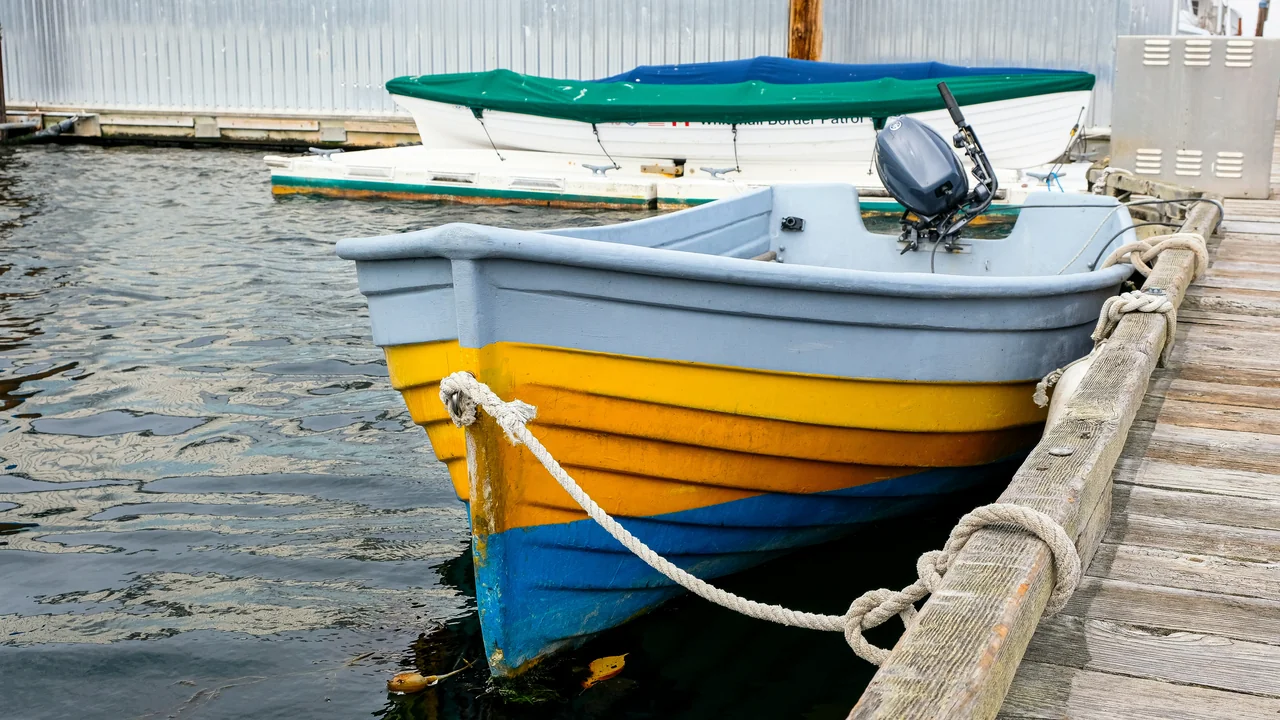
Yes, you need a permit from Appalachian Electric Power (AEP) to build, modify, or replace a dock on Smith Mountain Lake. As the utility company that owns and operates the lake for hydroelectric generation, AEP enforces a strict Shoreline Management Plan that governs all private waterfront structures. This guide explains exactly how to get a dock permit Smith Mountain Lake property owners must follow, including the specific agency rules, application process, costs, and timelines you need to know before breaking ground.
Which Agency Issues Dock Permits on Smith Mountain Lake?
Unlike most Virginia lakes where the Department of Wildlife Resources or a local planning department handles dock permits, Smith Mountain Lake is controlled by Appalachian Electric Power (AEP), a subsidiary of American Electric Power. AEP operates the lake under a Federal Energy Regulatory Commission (FERC) license for the Smith Mountain Pumped Storage Hydroelectric Project (FERC Project No. 2210). This gives AEP sole authority over all shoreline development, including docks, piers, boat lifts, and even vegetation management.
The Shoreline Management Plan (SMP) is the governing document that AEP uses to evaluate every permit application. It outlines where docks can be placed, what materials are allowed, and how structures must be configured to protect water quality, navigation, and public access. If you own property on Smith Mountain Lake, you deal with AEP’s Real Estate and Recreation department, not a city or county office, for dock permitting.
Smith Mountain Lake Dock Rules: The Shoreline Management Plan
The Smith Mountain Lake dock rules are codified in AEP’s Shoreline Management Plan, which divides the shoreline into management zones. Each zone has specific restrictions on dock density, dimensions, and placement. The SMP also establishes a maximum number of docks per linear foot of shoreline to prevent overcrowding.
Shoreline Management Zones and Dock Density
AEP designates shoreline areas as either High Density, Medium Density, or Low Density based on existing development and environmental sensitivity. High Density zones allow up to one dock per 50 feet of shoreline frontage, Medium Density allows one per 75 feet, and Low Density allows one per 100 feet. You must verify your property’s zone on the official AEP Shoreline Management Plan map before applying.
| Zone Type | Min. Shoreline Frontage per Dock | Typical Areas |
|---|---|---|
| High Density | 50 feet | Hales Ford, Saunders, and developed coves |
| Medium Density | 75 feet | Most residential areas |
| Low Density | 100 feet | Remote coves, undeveloped shorelines |
If your lot has less than the minimum frontage for your zone, you may still qualify for a dock if your neighbors’ docks are spaced far enough apart to meet the density requirement. AEP reviews this on a case-by-case basis, so you cannot assume a dock is automatically allowed just because you own lakefront property.
Dock Dimensions and Setback Requirements
Under the SMP, all docks on Smith Mountain Lake must meet specific dimensional limits. The maximum dock width is 6 feet for single-slip docks and 10 feet for double-slip docks. The dock length cannot exceed 40 feet from the shoreline, measured at normal summer pool elevation (795 feet above mean sea level). Additionally, docks must be set back at least 10 feet from side property lines and cannot extend into designated navigation channels or no-wake zones.
AEP Dock Permit Categories: Understanding Types 1–4
AEP classifies dock permits into four categories based on the type and scope of the project. Knowing which category your project falls under determines the application form, review process, and fee structure.
Category 1: New Dock Construction
This applies to any dock built on a lot that has never had a permitted dock before. You must submit a full application package including a site plan, property survey, and proof of shoreline frontage. Category 1 permits require an on-site inspection by AEP staff before approval.
Category 2: Dock Replacement
If you are removing an existing dock and building a new one in the same footprint, you can apply under Category 2. The replacement dock must match the original dimensions and location. If you want to change the size or position, you must apply under Category 1 instead.
Category 3: Dock Modification
Modifications to an existing permitted dock, such as adding a boat lift, extending the dock length (within the 40-foot limit), or replacing decking, fall under Category 3. Minor repairs like replacing rotted planks or hardware do not require a permit, but any structural change does.
Category 4: Temporary Structures
Seasonal docks, floating platforms, and temporary boat slips used for less than six months per year are Category 4. These permits are easier to obtain but must be removed during the off-season. AEP does not allow permanent utilities or foundations on temporary structures.
How to Apply for an AEP Dock Permit on Smith Mountain Lake
The application process for a dock permit Smith Mountain Lake owners need to follow is straightforward but requires careful documentation. AEP accepts applications year-round, but the review timeline varies by season. Here is the step-by-step process.
Verify Property Eligibility
Check your lot’s shoreline frontage and zone designation on the AEP Shoreline Management Plan map. If your frontage is below the minimum for your zone, consult with AEP’s Real Estate office before proceeding.
Prepare Your Application Package
Gather a property survey showing the shoreline and property lines, a site plan of the proposed dock with dimensions and materials, and photos of the shoreline. Download the appropriate category application form from the AEP Smith Mountain Lake website.
Submit the Application and Fee
Mail or hand-deliver the completed application with the non-refundable fee to AEP’s Roanoke office. Include a check payable to “Appalachian Electric Power.” Keep a copy for your records.
Schedule an On-Site Inspection
AEP will contact you within two weeks to schedule an inspection of your property. The inspector verifies shoreline measurements, checks for protected species or wetlands, and confirms the proposed dock location meets setbacks.
Receive Approval or Denial
After the inspection, AEP issues a written permit decision. If approved, you receive a permit letter with conditions. If denied, the letter explains why and how to appeal or modify your proposal.
How Much Does a Smith Mountain Lake Boat Dock Cost?
The cost of a dock on Smith Mountain Lake includes both the AEP permit fee and the construction cost. Understanding both components helps you budget accurately.
AEP Permit Fees
AEP charges a non-refundable application fee for each permit category. These fees are set by AEP and are subject to change, but as of 2026, the typical fees are as follows:
| Permit Category | Application Fee | Notes |
|---|---|---|
| Category 1 (New Dock) | $250 | Includes inspection |
| Category 2 (Replacement) | $150 | Same footprint required |
| Category 3 (Modification) | $100 | Per modification request |
| Category 4 (Temporary) | $75 | Annual renewal required |
There is no separate county or state fee for dock permits on Smith Mountain Lake because AEP’s FERC license preempts local jurisdiction. However, you may need a separate Virginia Department of Environmental Quality (DEQ) permit if your dock involves dredging or impacts wetlands.
Construction Costs for Smith Mountain Lake Docks
The Smith Mountain Lake boat dock cost varies widely based on dock type, materials, and size. A basic single-slip wooden dock with a boat lift runs between $15,000 and $25,000 installed. A double-slip aluminum dock with multiple lifts and a covered roof can cost $40,000 to $70,000 or more. Floating docks are generally more expensive than fixed pilings due to the cost of flotation devices and anchoring systems.
Fixed Piling Docks
- Lower upfront cost ($12k–$20k)
- Stable in fluctuating water levels
- Requires deeper pilings in rocky soil
- Harder to modify later
Floating Docks
- Higher cost ($20k–$40k)
- Adjusts to water level changes
- Easier to reconfigure
- Requires annual maintenance on flotation
Additional costs include boat lifts ($3,000–$8,000), dock boxes ($500–$2,000), and electrical work for lighting or shore power ($1,000–$3,000). Always get at least three quotes from licensed contractors who have experience with AEP permit requirements.
Covered Dock Restrictions on Smith Mountain Lake
AEP’s Shoreline Management Plan includes specific rules for covered docks, which are docks with a roof or canopy. Covered docks are popular on Smith Mountain Lake for protecting boats from sun and debris, but they face stricter regulations.
Covered docks must not exceed the maximum dock length of 40 feet, and the roof height cannot exceed 12 feet above the water surface. The roof must be open on at least three sides to prevent the dock from being classified as a boathouse, which AEP does not permit. Additionally, covered docks cannot have enclosed walls or doors — they must remain open structures.
If you plan to add a cover to an existing dock, you must apply for a Category 3 modification permit. AEP will review the design to ensure it meets height and openness requirements. Some homeowners associations (HOAs) on Smith Mountain Lake also have their own rules about dock covers, so check with your HOA before applying.
AEP Dock Permit Timeline: How Long Does It Take?
The processing time for a dock permit Smith Mountain Lake application depends on the category, time of year, and complexity of your project. AEP processes applications in the order they are received, and spring and summer months see the highest volume.
For a straightforward Category 1 new dock application, expect the following timeline:
- Application review and initial response: 2–3 weeks
- On-site inspection scheduling: 1–2 weeks
- Inspection and report: Same day, but report may take 1 week to process
- Final permit decision: 2–4 weeks after inspection
- Total average time: 6–10 weeks
Category 2 and 3 permits typically take 4–6 weeks because they involve less review. Category 4 temporary permits are the fastest, often approved in 2–3 weeks. However, if your property has environmental concerns such as protected species or wetlands, the timeline can extend to 12 weeks or more while AEP consults with federal agencies.
Summary: Your Action Plan for a Smith Mountain Lake Dock Permit
Getting a dock permit on Smith Mountain Lake requires working directly with AEP, not a local government agency. Start by verifying your property’s shoreline frontage and zone designation on the Shoreline Management Plan map. Then, determine which permit category your project falls under — new construction (Category 1), replacement (Category 2), modification (Category 3), or temporary (Category 4).
Your first call should be to AEP’s Real Estate and Recreation Department at (540) 985-2428 to confirm current fees and request the correct application form. Before submitting, hire a surveyor familiar with AEP requirements to prepare your site plan. This single step can save you weeks of back-and-forth and prevent costly mistakes.
Frequently Asked Questions
Do I need an AEP permit for a dock on Smith Mountain Lake?
Yes, absolutely. AEP requires a written permit for any dock, pier, boat lift, or floating platform on Smith Mountain Lake. This includes new construction, replacements, modifications, and even temporary seasonal structures. The requirement comes from AEP’s FERC license for the Smith Mountain Hydroelectric Project, and no local or state permit can substitute for AEP approval. If you build without a permit, AEP can order removal at your expense and impose fines of up to $500 per day.
How much does a dock cost on Smith Mountain Lake?
The total cost includes both the AEP permit fee and construction expenses. Permit fees range from $75 for a temporary structure to $250 for a new dock. Construction costs vary widely: a basic single-slip wooden dock runs $15,000 to $25,000, while a double-slip aluminum dock with covered roof and boat lifts can exceed $70,000. Additional costs for surveys, electrical work, and dock accessories add $2,000 to $10,000. Always budget for a professional survey and site plan, as AEP requires these for new dock applications.
What are AEP dock categories?
AEP uses four permit categories for Smith Mountain Lake docks. Category 1 covers new dock construction on lots without a previously permitted dock. Category 2 applies to replacing an existing dock in the same footprint. Category 3 is for modifications to an existing dock, such as adding a boat lift or extending the length within the 40-foot limit. Category 4 covers temporary structures used for less than six months per year. Each category has its own application form, fee, and review process.
Last updated: July 02, 2026
- AEP Smith Mountain Lake Shoreline Management Plan (FERC Project No. 2210)
- AEP Real Estate and Recreation Department – Smith Mountain Lake Permit Guidelines
- Virginia Department of Environmental Quality – Water Protection Permit Regulations

Dock Permit Guide
DockPermitGuide editor covering boat dock and pier permit requirements, costs, and regulations across the United States, Canada & Australia.