
Jetty and Pontoon Permit in Western Australia: 2026 Guide
 10 min read
1,830 words
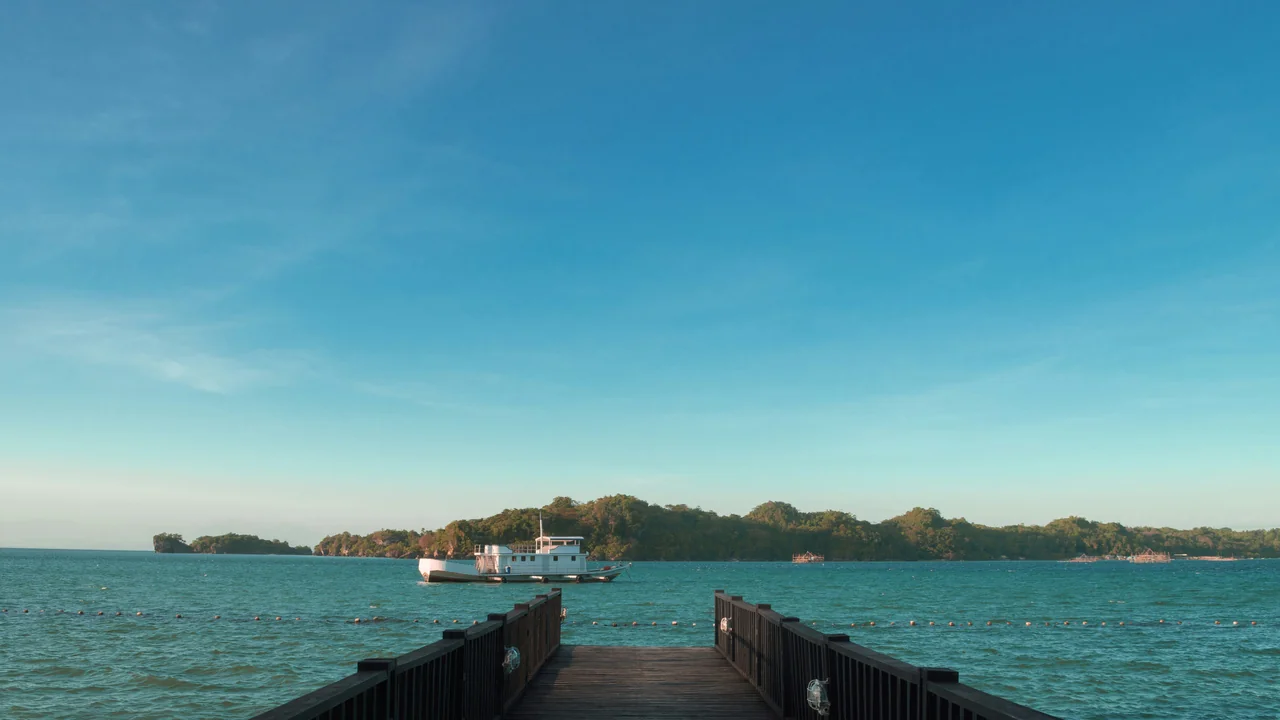
If you own waterfront property in Western Australia and want to build a jetty or pontoon, you need a jetty permit Western Australia from the WA Department of Transport (DoT), plus planning approval from your local council. On the Swan and Canning rivers near Perth, you’ll also need a permit from the Swan River Trust. This guide covers every step: which agency to contact, how much it costs, how long it takes, and the specific rules for Crown land and northern WA.
Which Agency Issues Jetty Permits in Western Australia?
Jetty and pontoon permits in WA are not issued by a single agency. You’ll deal with two or three separate bodies depending on your location.
The primary authority is the WA Department of Transport (Maritime). They manage the Marine and Harbours Act 1981, which controls all structures on navigable waters. Any jetty, pontoon, or boat lift that extends beyond the high-water mark needs their approval.
Your local council handles the planning and building approval (Development Application or DA). Even if DoT approves your jetty, you cannot build until the council signs off.
On the Swan and Canning rivers, the Swan River Trust (part of the Department of Biodiversity, Conservation and Attractions) also requires a permit. This applies to all properties within the Swan River Trust management area, which covers most of the Perth metropolitan riverfront.
Jetty Licence on Crown Land in WA: What You Need to Know
If your jetty or pontoon sits on Crown land (which includes most riverbanks, lake shores, and coastal foreshores in WA), you need a jetty licence from the WA Department of Transport. This is not a free right — it’s an annual licence that you must renew.
The licence covers the area of water and seabed your structure occupies. For a typical residential jetty (up to 6 metres long and 1.5 metres wide), the annual licence fee is around A$150 to A$300. Larger structures or commercial jetties cost more.
You cannot own Crown land. The licence grants you permission to use it for a specified purpose (a jetty) for a set period, usually 1 to 5 years. Renewal is not automatic — you must demonstrate ongoing compliance with conditions.
Pontoon Permit Western Australia: Floating Structures
A pontoon permit Western Australia follows the same process as a jetty permit, but with additional requirements for flotation and anchoring. Pontoons are treated as “floating structures” under the Marine and Harbours Act.
Key differences for pontoons:
- You must submit a flotation plan showing the pontoon will not sink or become unstable
- Anchoring systems must be approved — no dragging anchors allowed in navigable channels
- Pontoons cannot exceed 20 square metres in surface area without a special licence
- You need a separate mooring licence if the pontoon is not attached to the shore
Pontoons on the Swan River are subject to stricter size limits. The Swan River Trust typically caps residential pontoons at 15 square metres.
Swan River Trust Rules for Perth Metro Properties
The Swan River Trust (now part of the Department of Biodiversity, Conservation and Attractions) manages the Swan and Canning rivers from Fremantle to the Helena River junction. If your property is within this area, you must get a Swan River Trust permit in addition to your DoT licence and council DA.
The Trust’s rules are stricter than DoT’s. Key restrictions include:
- Maximum jetty length: 6 metres from the high-water mark
- Maximum pontoon size: 15 square metres
- No jetties or pontoons within 50 metres of a protected seagrass bed
- No structures in “no-build” zones along the river (check the Trust’s online map)
- All materials must be non-toxic and environmentally friendly
The Trust application costs around A$200 to A$400 depending on structure size. Processing takes 4 to 8 weeks.
Marine and Harbours Act 1981: Legal Basis for Jetty Permits
The Marine and Harbours Act 1981 is the primary law governing jetties, pontoons, and other structures on WA’s navigable waters. Section 73 of the Act makes it an offence to construct any structure on, over, or under navigable waters without a permit.
What this means for your project:
- You cannot start construction until DoT issues a “Permit to Construct” under the Act
- The permit includes conditions on design, materials, and environmental protection
- DoT can revoke the permit if you breach conditions
- Fines for unauthorised construction can reach A$50,000 for individuals and A$250,000 for companies
The Act also gives DoT the power to order removal of an unauthorised structure at your cost. This is rare for small residential jetties, but it happens — especially on the Swan River where enforcement is active.
Northern WA: Kimberley Tidal Considerations for Jetties
If your property is in northern WA — the Kimberley, Pilbara, or Gascoyne regions — you face unique challenges. The tidal range in places like Broome, Derby, and Wyndham can exceed 10 metres. This is one of the largest tidal ranges in Australia.
Standard fixed jetties often don’t work here because the water level changes so dramatically. You may need:
- A floating pontoon system that rises and falls with the tide
- A longer jetty (up to 30 metres) to reach deep water at low tide
- Special anchoring systems to handle strong tidal currents
The WA Department of Transport has specific guidelines for high-tidal-range areas. Your application must include a tidal analysis showing the structure will remain safe at all tide levels. Expect longer processing times — up to 20 weeks — because DoT may require additional engineering review.
Cost and Timeline for a Jetty Permit in WA
Total costs vary by location and structure size. Here’s a realistic breakdown for a standard residential jetty (6 metres long, 1.5 metres wide) on the Swan River:
| Item | Cost (A$) | Timeline |
|---|---|---|
| DoT jetty licence application fee | A$250 | 4-6 weeks |
| Swan River Trust permit | A$200–A$400 | 4-8 weeks |
| Council Development Application (DA) | A$300–A$800 | 6-12 weeks |
| Annual Crown land licence fee | A$150–A$300/year | Ongoing |
| Engineering plans (if required) | A$1,000–A$3,000 | 2-4 weeks |
| Total (first year, no engineering) | A$750–A$1,750 | 12-16 weeks |
For a pontoon, add A$200 to A$500 for the flotation plan review. For properties outside the Swan River Trust area, subtract the Trust fee but add possible environmental assessment costs (A$500–A$2,000).
Step-by-Step Process for Getting a Jetty Permit in WA
Use the Trust’s online map. If yes, you’ll need their permit. If no, skip to step 2.
Ask about Development Application requirements for jetties and pontoons. Some councils have specific design guidelines.
Download Form 73 from the WA Department of Transport website. Include site plans, dimensions, and a description of the structure.
Submit the Trust’s application form along with your DoT application. They often process them together.
DoT and the Trust will review your application. Expect site inspections. Once approved, pay the annual licence fee.
Construction must match the approved plans exactly. Any changes require a new application.
Summary: Your Action Plan for a Jetty Permit in WA
Getting a jetty permit Western Australia requires patience and paperwork, but the process is straightforward if you follow the right order. Start with the WA Department of Transport for the maritime licence, then your local council for planning approval, and the Swan River Trust if you’re on the Swan or Canning rivers.
For a complete overview of how WA compares to other states, read our Dock Permit in Australia: State-by-State Pontoon & Jetty Rules (2026) guide. If you’re also considering a boat lift, check the Boat Lift Permit Requirements: Do You Need a Separate Permit? (2026) page.
Contact the WA Department of Transport’s Maritime division first — they will tell you exactly what you need based on your property’s location.
Frequently Asked Questions
Do I need a licence for a jetty in Western Australia?
Yes, you need a licence from the WA Department of Transport under the Marine and Harbours Act 1981 for any jetty or pontoon on navigable waters. You also need planning approval from your local council. On the Swan and Canning rivers, the Swan River Trust requires a separate permit. Building without a licence can result in fines up to A$50,000 and forced removal of the structure.
Who manages jetty licences on the Swan River?
Jetty licences on the Swan River are managed jointly by the WA Department of Transport (Maritime) and the Swan River Trust (part of the Department of Biodiversity, Conservation and Attractions). The Trust sets additional rules on structure size, location, and environmental protection. You must apply to both agencies. The Trust’s permit costs around A$200 to A$400 and takes 4 to 8 weeks to process.
How much does a jetty licence cost in WA?
A jetty licence in WA costs between A$750 and A$1,750 in the first year for a standard residential structure. This includes the DoT application fee (A$250), Swan River Trust permit (A$200–A$400), council DA (A$300–A$800), and the first year’s annual Crown land licence fee (A$150–A$300). Ongoing annual costs are A$150 to A$300 for the licence renewal. Engineering plans can add A$1,000 to A$3,000 if required.
Do I need council planning approval for a pontoon in WA?
Yes, you need council planning approval (a Development Application or DA) for any pontoon in Western Australia, even if the DoT licence is approved first. The council checks zoning, setback requirements, and local planning rules. In the Swan River Trust area, the council also coordinates with the Trust. Expect the council DA to take 6 to 12 weeks and cost A$300 to A$800. Some councils require an environmental assessment for pontoons over 10 square metres.
Last updated: July 16, 2026
- WA Department of Transport – Marine and Harbours Act 1981
- Swan River Trust – Riverbank Development Guidelines
- WA Department of Planning, Lands and Heritage – Crown Land Management

Dock Permit Guide
DockPermitGuide editor covering boat dock and pier permit requirements, costs, and regulations across the United States, Canada & Australia.