
Oxbow Lake and Backwater Dock Permit: Unique Rules (2026 Guide)
 11 min read
2,024 words
11 min read
2,024 words

If you own property on an oxbow lake, a backwater slough, or an old river channel, you face a permitting situation that is more complex than a standard lakefront dock. The core question—do you need an oxbow lake dock permit—depends on whether the waterbody is legally considered a navigable waterway of the United States, a jurisdictional wetland, or a private lake. This guide explains the unique rules for backwater docks, including which agency has authority, how to handle flood risk, and what design challenges you must address. You will learn exactly who to contact and what paperwork to prepare before you start building.
Why Oxbow Lakes Are Legally Complex for Dock Permits
Oxbow lakes form when a river meander is cut off, leaving a crescent-shaped body of water. The legal complexity arises because these waters may retain their status as navigable waterways under federal law, even though they no longer connect to the main river channel. The U.S. Army Corps of Engineers (USACE) has jurisdiction over “waters of the United States,” which includes historically navigable waters that were once part of a river system.
For a property owner, this means an oxbow lake dock permit may require USACE authorization under Section 10 of the Rivers and Harbors Act if the lake was navigable at the time of statehood or was used for interstate commerce. Many oxbow lakes along the Mississippi, Ohio, and Missouri rivers fall into this category. You cannot assume that because the water is still or shallow, federal rules do not apply.
Backwater Dock Rules: River vs. Lake Jurisdiction Confusion
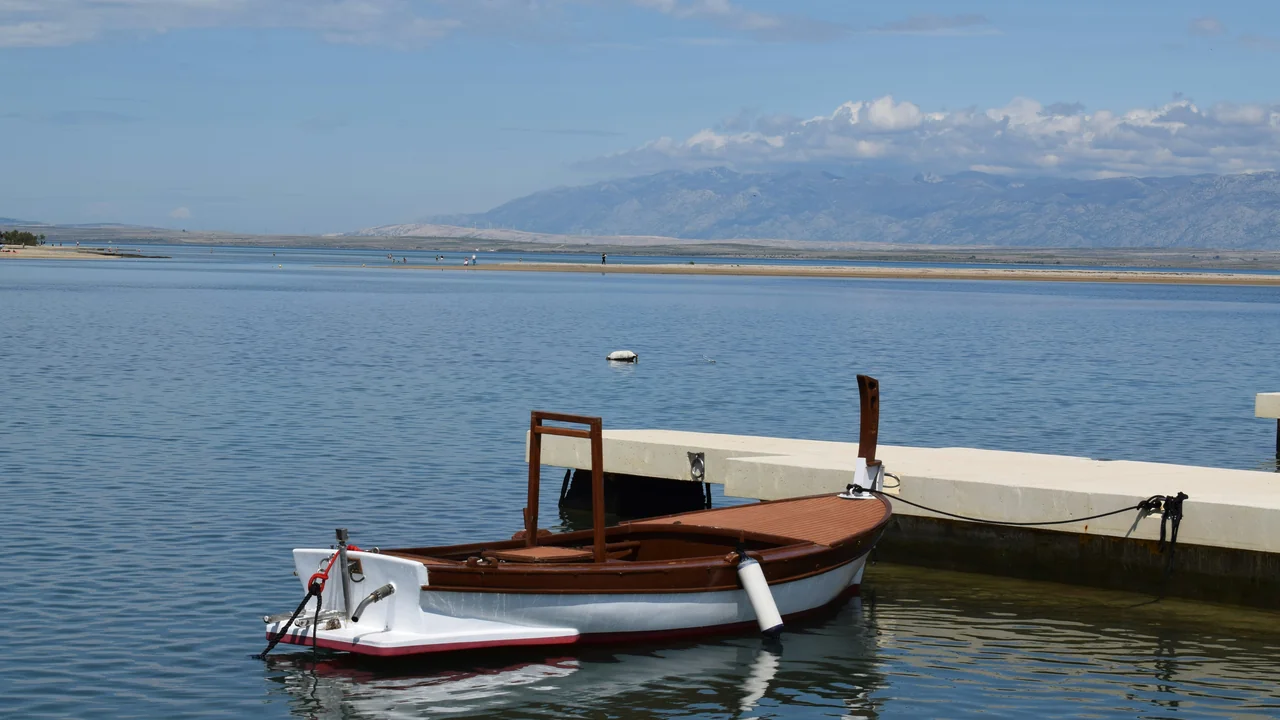
One of the most confusing aspects of backwater dock rules is determining whether your dock is regulated under river permitting or lake permitting. An oxbow lake that is still connected to the parent river during high water may be treated as a riverine backwater. If it is completely isolated, it may be classified as a lake or even a non-jurisdictional waterbody.
State agencies often add another layer. For example, the Texas Commission on Environmental Quality (TCEQ) regulates docks on oxbows of the Brazos River, while the Wisconsin Department of Natural Resources (WDNR) treats oxbow lakes on the Mississippi as public waters requiring a riparian permit. The table below outlines typical jurisdiction scenarios.
| Waterbody Type | Likely Jurisdiction | Key Authority |
|---|---|---|
| Oxbow lake with permanent surface connection to navigable river | Federal (USACE) + State | USACE Section 10, State DNR |
| Oxbow lake isolated except during flood events | May be federal wetland jurisdiction | USACE Section 404, State wetland program |
| Old river channel, completely cut off and privately owned | Likely no federal jurisdiction | Local county or city only |
| Slough with intermittent flow | Depends on connection to navigable water | USACE jurisdictional determination required |
USACE Jurisdiction and the Navigability Question
The USACE asserts jurisdiction over oxbow lakes that were formerly part of a navigable river. This is based on the “continuous navigability” principle: if the river was navigable before the oxbow formed, the oxbow remains a water of the United States. For old river channel dock projects, this means you must obtain a USACE permit even if the channel is now dry most of the year.
To determine navigability, the USACE looks at historical records, such as steamboat traffic, log drives, or commercial shipping. If your oxbow lake was once a bend in the Mississippi, Ohio, or Missouri River, it is almost certainly considered navigable. You will need to submit a Pre-Construction Notification (PCN) or a full Individual Permit, depending on the project scope.
Shallow Water and Siltation Design Challenges for Slough Docks
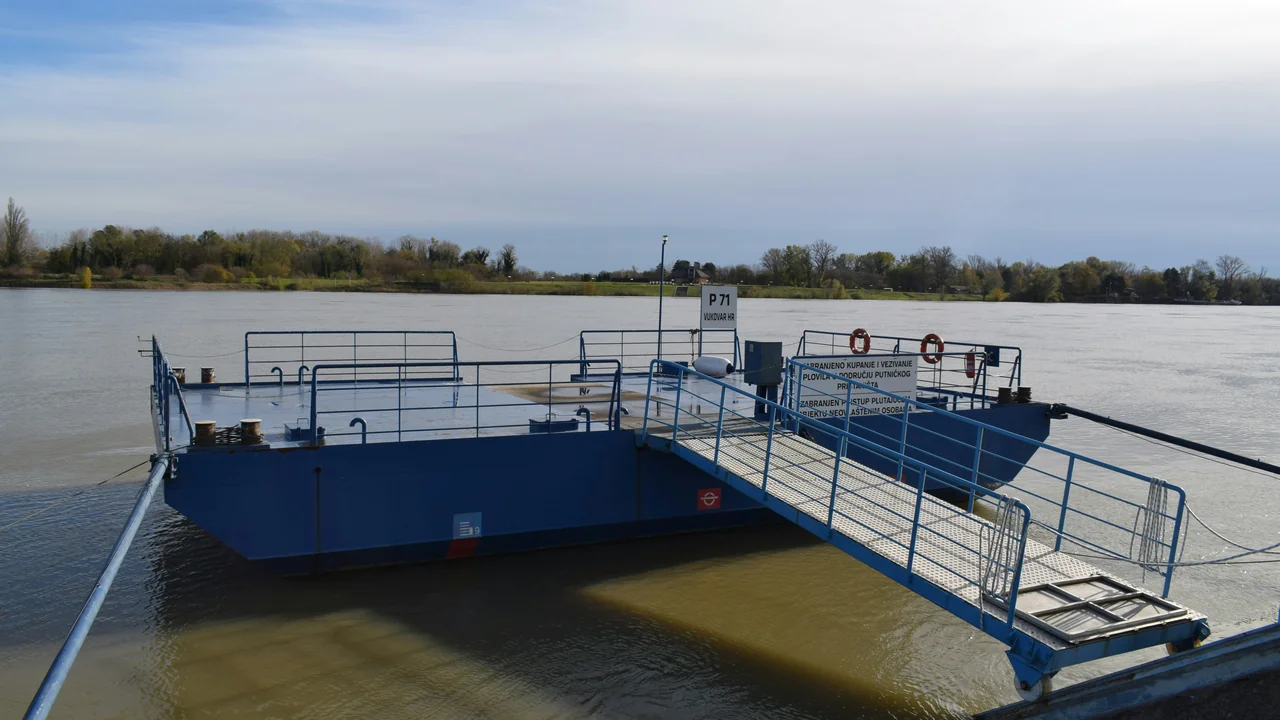
Oxbow lakes and backwaters are typically shallow, often less than 6 feet deep, with soft, silty bottoms. This creates significant challenges for dock design. A slough dock permit application must include a foundation plan that addresses poor bearing capacity and potential for silt accumulation around pilings.
Standard driven piles may not work in soft sediment. You may need to use helical piles, screw anchors, or a floating dock system that distributes weight over a larger area. Some state agencies, like the Florida Department of Environmental Protection, require a geotechnical report if the water depth is less than 4 feet at the dock location.
Floating Docks vs. Fixed Docks in Silt-Prone Waters
Floating docks are often preferred in oxbow lakes because they adjust to water level changes and do not require deep pilings. However, floating docks can become trapped in sediment if the lake experiences rapid siltation. Fixed docks with adjustable legs (such as pipe stands) offer a middle ground. Your backwater dock rules application should specify the dock type and include a siltation management plan.
Some states, like Louisiana, require that docks in oxbow lakes be designed to allow natural sediment movement. This may mean using open-grid decking or spacing pilings wider apart to reduce flow obstruction. Check with your local permitting authority for specific design standards.
Flood Risk from Parent River and Permit Implications
Oxbow lakes connected to a parent river system are subject to flooding, even if the connection is intermittent. A dock built in a floodway or floodplain requires additional permits from the Federal Emergency Management Agency (FEMA) or local floodplain administrator. The oxbow lake dock permit process must include a flood hazard analysis if the dock is in a mapped flood zone.
Key flood-related requirements include:
- Dock must not obstruct flood flows or increase flood elevations
- Structures must be anchored to prevent flotation during flood events
- Electrical components must be above the base flood elevation (BFE)
- A no-rise certification may be required from a licensed engineer
State-Specific Treatment of Oxbow Waters
Each state handles backwater dock rules differently. Some treat oxbow lakes as public waters, while others classify them as private. Below is a summary of how several key states approach oxbow lake permitting.
| State | Oxbow Lake Classification | Permitting Authority | Key Requirement |
|---|---|---|---|
| Wisconsin | Public water if connected to navigable river | WDNR | Riparian rights determination required |
| Louisiana | Navigable waterbody (Atchafalaya Basin oxbows) | USACE New Orleans District + LA DNR | Coastal Use Permit may be needed |
| Texas | Varies by river basin | TCEQ + USACE Fort Worth District | Water quality certification required |
| Mississippi | Public water if historically navigable | MS DEQ + USACE Vicksburg District | Riparian buffer zone of 50 feet |
| California | May be classified as “seasonal wetlands” | CA Water Boards + USACE | Section 401 water quality certification |
Slough Dock Permit Variations by State
A slough is a slow-moving side channel or backwater, often found in delta regions. In Washington state, sloughs are regulated under the Shoreline Management Act, requiring a Shoreline Substantial Development Permit. In Arkansas, sloughs on the White River are considered part of the navigable waterway, so a slough dock permit falls under USACE jurisdiction. Always verify with your state’s water resources agency.
Step-by-Step Process for an Oxbow Lake Dock Permit
Follow these steps to navigate the oxbow lake dock permit process efficiently.
Contact your local USACE district office and submit a Request for Jurisdictional Determination (JD) to confirm whether your oxbow lake is a water of the United States. This step is critical and can take 30–60 days.
Contact your state DNR or water resources agency. Also check with the county planning department for local setback and zoning rules. Some counties require a building permit for any dock over 100 square feet.
Hire a licensed engineer to design a dock that meets depth, siltation, and flood requirements. Include a geotechnical report if the bottom is soft sediment.
File the appropriate USACE permit (Nationwide Permit 3 for small docks, or Individual Permit for larger projects). Simultaneously submit state and local applications. Fees range from $100 for a nationwide permit to $10,000 for an individual permit.
USACE will issue a public notice for comment if the project is not covered by a nationwide permit. The review period is typically 30 days. Expect total processing time of 60–180 days.
Once approved, build within the permit conditions. Common conditions include seasonal construction windows, turbidity controls, and post-construction reporting.
Summary
Securing an oxbow lake dock permit requires navigating federal, state, and local regulations that treat these waterbodies as legally complex. The first step is to determine navigability through a USACE jurisdictional determination. If your oxbow lake was once part of a navigable river, you will need a federal permit. Design your dock to handle shallow water, soft sediment, and flood risk from the parent river. For related guidance, see our River Dock Permit guide and Pond Dock Permit: Rules for Small Private Ponds (2026 Guide) for comparison with simpler waterbodies. Start with the USACE district office nearest your property—they can clarify jurisdiction and direct you to state and local authorities.
Frequently Asked Questions
Do I need a permit for a dock on an oxbow lake?
Yes, in most cases you need at least one permit. If the oxbow lake is considered a water of the United States by the USACE, you need a federal permit under Section 10 of the Rivers and Harbors Act. State and local permits are also typically required. The only exception is a completely isolated oxbow lake on private land with no connection to navigable waters, but this is rare. Always obtain a jurisdictional determination from the USACE before starting.
Are oxbow lakes considered navigable waters?
Many oxbow lakes are considered navigable waters if they were formed from a historically navigable river. The USACE uses historical records of steamboat traffic, log drives, or commercial shipping to determine navigability. Even if the oxbow is now isolated, it may retain its navigable status. For example, oxbow lakes along the Mississippi River are almost always treated as navigable waters. You should request a formal jurisdictional determination from the USACE to get a definitive answer for your property.
Who regulates docks on backwater channels?
Docks on backwater channels are regulated by multiple agencies. The USACE has federal jurisdiction if the channel is a water of the United States. State agencies, such as the Department of Natural Resources or environmental protection agency, regulate water quality and riparian rights. Local county or city planning departments handle zoning and setback requirements. For example, on a backwater channel of the Atchafalaya Basin in Louisiana, you would need permits from the USACE New Orleans District, the Louisiana Department of Natural Resources, and the local parish.
Can I build a dock in a slough?
Yes, you can build a dock in a slough, but you must obtain the proper permits. Sloughs are often regulated as navigable waterways or wetlands, depending on their connection to a main river. You will need a USACE permit if the slough is a water of the United States. State permits may also be required, particularly for water quality and shoreline protection. Design your dock for shallow water and soft sediment, as sloughs typically have silty bottoms. Floating docks or docks with screw anchors are often the best options.
Last updated: July 16, 2026
- U.S. Army Corps of Engineers Regulatory Program (usace.army.mil)
- 33 CFR Part 329 – Definition of Navigable Waters of the United States
- State-specific DNR and environmental agency websites (WI DNR, LA DNR, TX TCEQ, MS DEQ)
- FEMA Floodplain Management Regulations (44 CFR Part 60)

Dock Permit Guide
DockPermitGuide editor covering boat dock and pier permit requirements, costs, and regulations across the United States, Canada & Australia.