
Dock Repair Cost in 2026: Prices for Common Fixes & When to Replace
 11 min read
2,185 words
11 min read
2,185 words

Is a Permit Required for Dock Repairs?
Whether you need a permit for dock repair depends entirely on the scope of the work. For most minor repairs—replacing a few deck boards, swapping out a float, or fixing a cleat—you typically do not need a permit. However, structural repairs like replacing a piling, rebuilding a section of the dock, or any work that alters the dock’s footprint or configuration almost always requires a permit from your local authority, state agency, or the US Army Corps of Engineers (USACE). This guide breaks down the dock repair cost for common fixes in 2026, explains when a permit is necessary, and provides a clear framework to decide whether to repair or replace your dock.
You will learn the average costs for decking, pilings, floats, and electrical repairs, how storm and ice damage affects pricing, and what your homeowners insurance might cover. We also cover which repairs you can safely do yourself and when you must hire a licensed contractor.
Dock Repair Cost by Repair Type (2026 Averages)
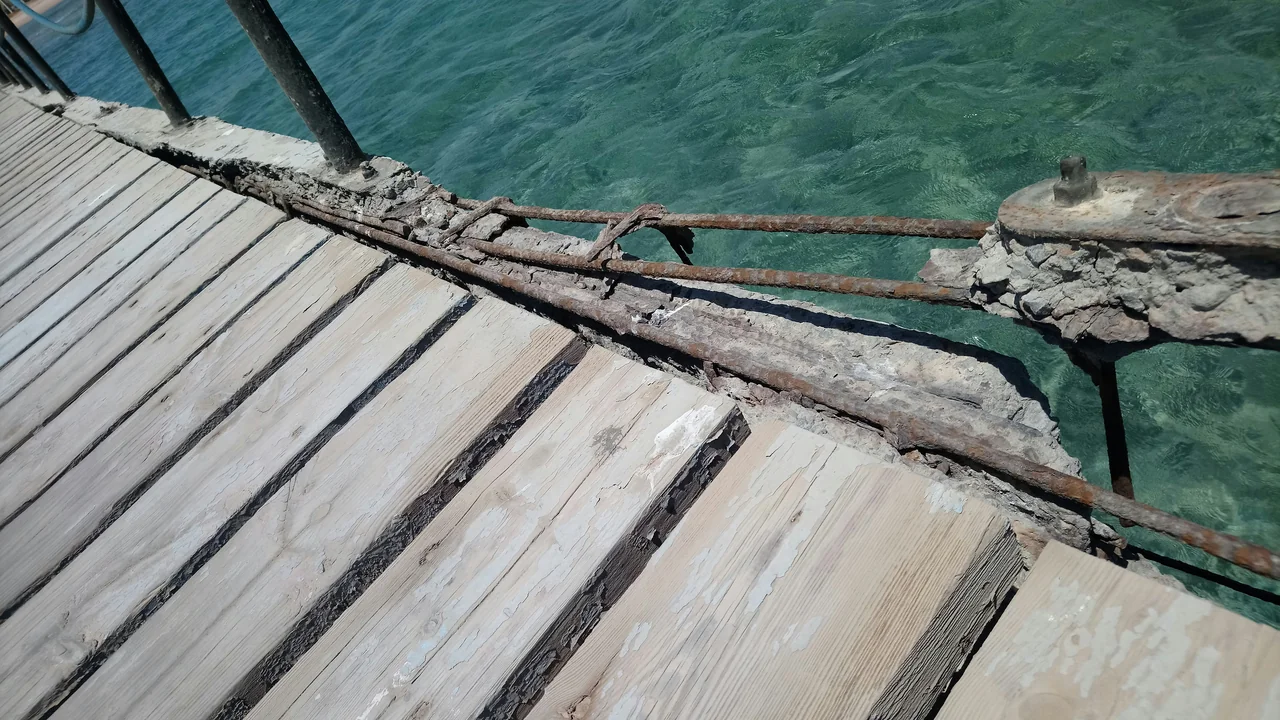
Understanding the fix boat dock price for each component helps you budget accurately. Prices vary significantly based on materials, labor rates in your region, and the extent of damage. Below are the 2026 average cost ranges for the most common dock repairs.
| Repair Type | Average Cost Range (2026) | Typical Permit Needed? |
|---|---|---|
| Decking board replacement (per board) | $500 – $3,000 | No (if same size/material) |
| Piling replacement (per piling) | $300 – $1,500 | Yes |
| Float replacement (per float) | $200 – $800 | Yes (if changing size) |
| Electrical system repair/upgrade | $500 – $2,500 | Yes (for new circuits) |
| Hardware replacement (cleats, hinges) | $50 – $300 | No |
| Full deck resurfacing (per sq ft) | $8 – $20 | Varies by scope |
Dock Decking Replacement Cost
Replacing decking boards is the most common repair. The cost per board ranges from $500 to $3,000, depending on the material. Pressure-treated pine is the most affordable at $1.50–$3.00 per linear foot, while composite decking runs $4–$8 per linear foot. Hardwood like ipe or mahogany costs $6–$12 per linear foot. If you are replacing a single board, the cost is low. If the entire deck surface is rotted or damaged, expect to pay $8–$20 per square foot for labor and materials combined.
Permits are usually not required for replacing decking boards of the same size and material. However, if you upgrade to a thicker board or change the deck layout, check with your local permitting office. For a comprehensive understanding of new dock construction costs, see our guide on How Much Does a Boat Dock Cost in 2026? Complete Price Guide.
Dock Piling Repair Cost
Pilings are the vertical posts that support your dock. Dock piling repair cost varies widely based on damage severity. Minor repairs, like patching a rotted section or adding a protective sleeve, cost $300–$800 per piling. Complete replacement of a single piling runs $800–$1,500, including labor and materials. The price depends on piling material (treated wood, steel, or concrete), diameter (6–12 inches), and accessibility.
Replacing a piling is a structural alteration. You will almost certainly need a permit from your state DNR or the USACE, especially if the work occurs over navigable waters. The permitting process can add 4–8 weeks to your project timeline. Failing to get a permit for piling replacement can result in fines and an order to remove the work.
Float and Electrical Repair Costs
Floats (the buoyant sections under the dock) typically cost $200–$800 each to replace. Damage from UV degradation, punctures, or ice is common. If you are replacing a float with the same size and type, a permit is often not required. However, if you increase the float size or change its position, a permit may be necessary.
Electrical repairs—including fixing outlets, running new wiring, or replacing breakers—range from $500 to $2,500. All electrical work on a dock must comply with the National Electrical Code (NEC) and local codes. Any new circuit or wiring run requires a permit from your local building department. A licensed electrician must perform the work. This is not a DIY job due to the high risk of electrocution near water.
Repair vs. Replace: A Decision Framework
Knowing when to repair versus replace your dock saves money and prevents safety hazards. Use this framework to make an informed decision. The dock repair cost should never exceed 50% of the cost of a new dock. If repairs approach or exceed that threshold, replacement is the better financial move.
Repair When:
- Damage is isolated to one or two components
- Pilings are structurally sound (less than 25% rot)
- Decking damage is cosmetic or limited to a few boards
- Your dock is less than 15 years old
- Repair cost is under 50% of replacement cost
Replace When:
- Multiple pilings are rotted or damaged
- Decking is extensively warped or unsalvageable
- Your dock is over 20 years old with widespread wear
- Repair cost exceeds 50% of a new dock
- You want to upgrade materials or size
For example, if a new dock costs $20,000 and repairs are estimated at $12,000, replacement is the better long-term value. Additionally, consider that older docks may not meet current building codes. Upgrading to a new dock can reduce future maintenance and insurance costs.
Storm and Ice Damage Repair Costs
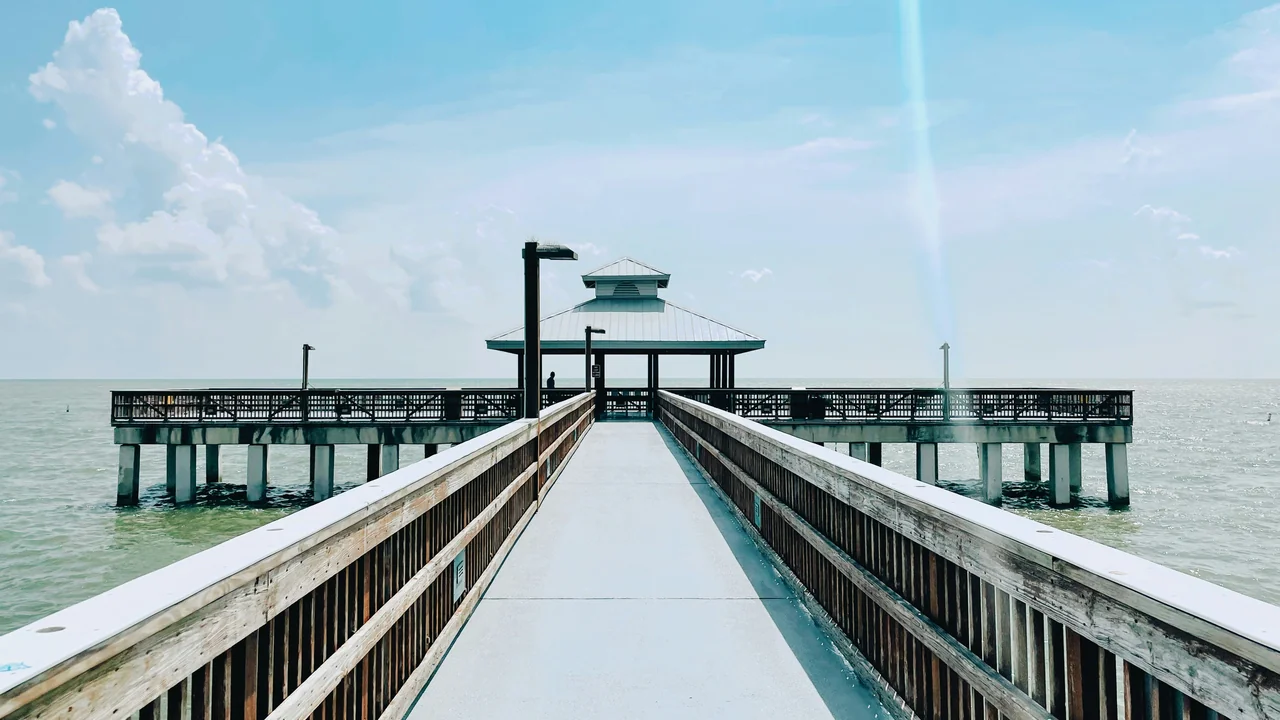
Storms and ice are the leading causes of catastrophic dock damage. Hurricane-force winds, storm surges, and ice heave can snap pilings, tear off decking, and sink floats. Repairing storm damage is significantly more expensive than routine maintenance because the damage is widespread and often requires emergency contractor rates.
Typical storm damage repair costs:
- Minor storm damage (loose boards, shifted floats): $500 – $2,000
- Moderate damage (several broken pilings, partial collapse): $5,000 – $15,000
- Severe damage (complete structural failure): $15,000 – $40,000+
Ice damage is particularly costly in northern lakes. Ice expansion can push pilings out of alignment, requiring re-driving or replacement. Repairing ice-damaged docks often costs $3,000–$10,000, depending on the number of affected pilings. For lakes with strict permitting rules like Lake Minnetonka, see our guide on Lake Minnetonka Dock Permit: MCWD Rules & How to Apply (2026).
Does Homeowners Insurance Cover Dock Damage?
Homeowners insurance policies vary, but dock damage is often covered under the “other structures” portion of your policy. Coverage typically applies to damage from fire, lightning, windstorms, hail, and vandalism. However, flood damage is almost always excluded and requires a separate flood insurance policy.
Key insurance points for dock owners:
- Wind and storm damage: Usually covered, but check your deductible. Many policies have a separate windstorm deductible (1–5% of the dwelling value).
- Flood damage: Not covered under standard policies. You need a National Flood Insurance Program (NFIP) policy. Dock coverage under NFIP is limited to $100,000 for residential structures.
- Ice damage: Often excluded or limited. Some northern states offer endorsements for ice damage, but they are rare.
- Wear and tear/neglect: Never covered. Insurance pays for sudden, accidental damage, not gradual deterioration.
Always file a claim promptly after a storm. Document damage with photos and video before making any temporary repairs. If you have a claim denied, you may still have options through your state’s insurance department.
DIY-Safe Repairs vs. Contractor Jobs
Knowing which repairs are safe for DIY and which require a licensed contractor saves money and prevents injury or legal trouble.
DIY-Safe Repairs
- Replacing individual decking boards (same size/material)
- Tightening or replacing bolts, screws, and brackets
- Replacing cleats, dock boxes, and bumpers
- Painting or staining the deck surface
- Replacing a float (same size and type)
Contractor-Required Repairs
- Piling replacement or re-driving
- Electrical system repairs or upgrades
- Structural framing repair (joists, beams, stringers)
- Any repair requiring a permit
- Repairs after major storm damage
For any repair that involves cutting into the dock’s structural frame or altering its support system, hire a licensed dock contractor. They carry insurance and know local permitting requirements. Attempting a structural repair without proper knowledge can lead to collapse and liability. If your project involves altering the dock’s footprint or adding new features, review the permit rules for your lake. For example, see the Lake Travis Dock Permit: Rules, Costs & How to Apply (2026) guide for specific requirements.
Permit Requirements for Dock Repairs
Permit requirements for dock repairs are not uniform. They depend on your location, the waterbody, and the scope of work. The key distinction is between “maintenance” (no permit) and “alteration” (permit required).
General rule: If the repair does not change the dock’s size, shape, or structural integrity, it is likely maintenance. If it involves replacing load-bearing elements (pilings, beams) or expanding the dock, it is an alteration requiring permits.
Agencies that may require permits for dock repairs:
- US Army Corps of Engineers (USACE): Required for any work in navigable waters. A Section 404 permit is needed for piling replacement or dredging. See our Army Corps of Engineers Dock Permit: Section 404 Guide (2026) for details.
- State DNR or Environmental Agency: Most states require permits for structural repairs. For example, Minnesota DNR requires a permit for piling replacement in public waters.
- Local County or City: Many counties have building codes for docks. A building permit may be needed for electrical work or structural repairs.
- Lake Associations or HOAs: Some private lakes have additional rules. Check your deed restrictions.
Summary: Action Plan for Dock Repairs
Deciding between repair and replacement comes down to cost, age, and damage extent. Start by getting a professional inspection from a licensed dock contractor. They can provide a detailed estimate and identify hidden damage. Compare that estimate to the cost of a new dock using our How Much Does a Boat Dock Cost in 2026? Complete Price Guide.
If repair is the right path, follow this action plan:
- Document the damage with photos and notes for insurance and permitting.
- Check with your homeowners insurance to see if the damage is covered.
- Contact your local permitting authority (city, county, or state DNR) to ask if a permit is required for the specific repair.
- Get at least three quotes from licensed dock contractors. Compare scope, materials, and timeline.
- If a permit is needed, apply early. Permits can take 4–8 weeks to process. Build that into your timeline.
For any repair involving pilings, floats, or electrical work, your first call should be to your local permitting office. They will tell you exactly what is required. For specific lake rules, consult guides like Lake Travis Dock Permit: Rules, Costs & How to Apply (2026) or Lake Minnetonka Dock Permit: MCWD Rules & How to Apply (2026).
Frequently Asked Questions
How much does dock repair cost?
The average dock repair cost in 2026 ranges from $500 for a minor fix like replacing a deck board to $15,000 or more for major storm damage repairs. The total depends on the type of repair, materials used, and labor rates in your area. Decking replacement averages $500–$3,000 per section, while piling replacement runs $300–$1,500 per piling. Always get multiple quotes from licensed contractors to ensure a fair price.
How much does it cost to replace dock pilings?
The dock piling repair cost for replacement ranges from $800 to $1,500 per piling, including labor and materials. Minor piling repairs like patching or adding a sleeve cost $300–$800 per piling. The price varies based on piling material (treated wood is cheapest, concrete is most expensive), diameter, and accessibility. Piling replacement is a structural repair that almost always requires a permit from your state DNR or the US Army Corps of Engineers.
Does homeowners insurance cover dock damage?
Yes, many homeowners insurance policies cover dock damage under the “other structures” portion, but coverage is limited. Wind, fire, lightning, and vandalism are typically covered, but flood damage is excluded and requires a separate NFIP policy. Ice damage is often excluded or requires a special endorsement. Wear and tear is never covered. Always review your policy details and file a claim promptly after storm damage occurs.
When should I replace my dock instead of repairing it?
Replace your dock when the total repair cost exceeds 50% of the cost of a new dock. Other signs include multiple rotted pilings, extensive decking damage, or a dock that is over 20 years old with widespread structural issues. If your dock fails to meet current building codes or you want to upgrade materials for lower maintenance, replacement is the better long-term investment. A professional inspection can help you make the final decision.
Last updated: July 02, 2026
- US Army Corps of Engineers – Regulatory Program
- National Association of Home Builders – Dock Construction Cost Data
- Insurance Information Institute – Dock and Pier Coverage

Dock Permit Guide
DockPermitGuide editor covering boat dock and pier permit requirements, costs, and regulations across the United States, Canada & Australia.