
Dock Permit Application Checklist: Everything You Need to Submit (2026)
 13 min read
2,415 words
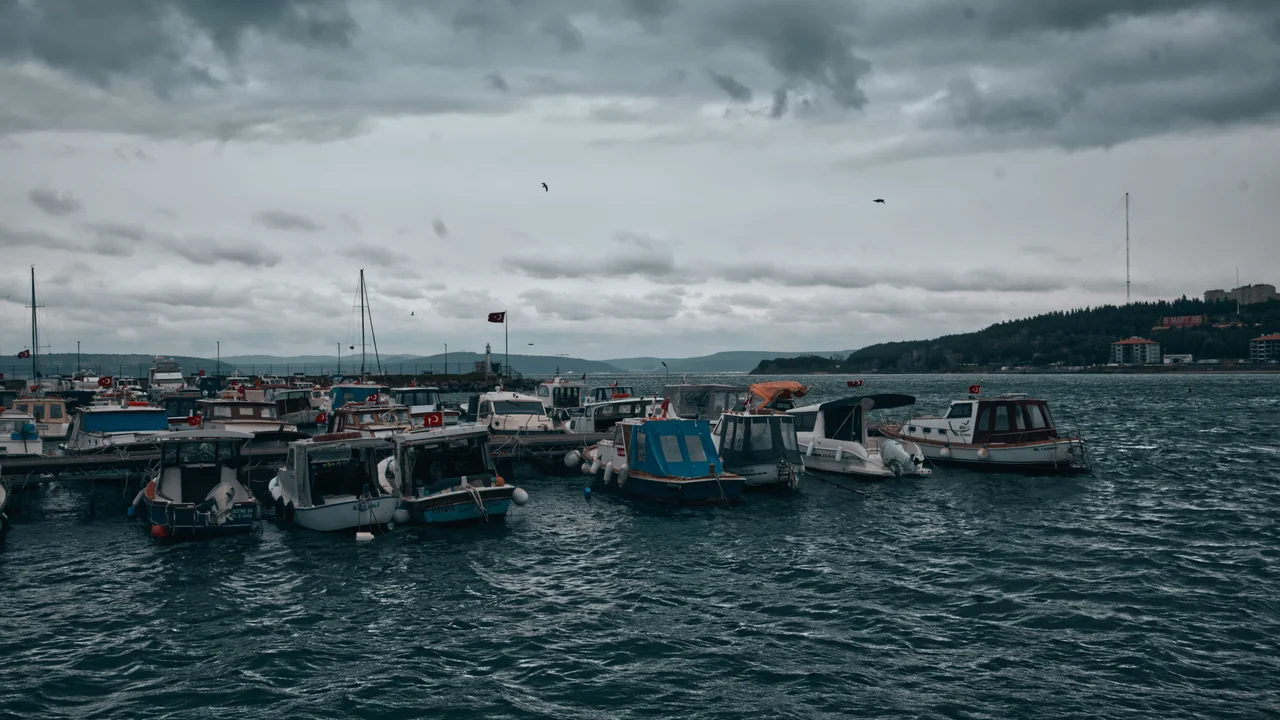
Applying for a dock permit can feel overwhelming when you are staring at a stack of forms and wondering what you actually need to submit. This dock permit checklist covers every document, fee, and approval step required by the US Army Corps of Engineers, state agencies, and local authorities in 2026. Whether you are building a new pier, replacing an old dock, or adding a boat lift, this guide tells you exactly what paperwork to prepare before you submit your application.
Dock Permit Application Requirements: The Universal Checklist
Every dock permit application, regardless of location, requires a core set of documents. Missing even one item can cause a rejection or months of delay. Use this checklist as your starting point before contacting any agency.
Completed Application Form
The application form is the foundation of your submission. For projects impacting navigable waters, you will use the USACE ENG Form 4345 (Nationwide Permit Application) or the Joint Application Form used by many states. Fill out every field, including the project description, waterbody name, and exact GPS coordinates. Incomplete forms are the number one reason for rejection.
Site Plan or Scale Drawing
Your site plan must show the proposed dock dimensions, location relative to the shoreline, water depth at the end of the dock, and distances to property lines. Include existing structures like seawalls, boathouses, or neighboring docks. The USACE requires plans drawn to scale, typically 1 inch = 20 feet. If you are unsure how to create this, a local surveyor or dock builder can prepare it for you.
Property Deed and Proof of Ownership
You must prove you own the waterfront property. Submit a copy of your recorded deed, tax bill, or title insurance policy. If the dock will be shared with a neighbor or located on a community lot, you need a recorded easement or written authorization from the property owner.
Recent Property Survey
A current survey (dated within the last 12 months) is almost always required. The survey must show the ordinary high water mark, the proposed dock location, and all property boundaries. Without a survey, the agency cannot verify that your dock stays within your property lines and does not encroach on public waters or neighboring lots.
What Do I Need for a Dock Permit: Additional Supporting Documents
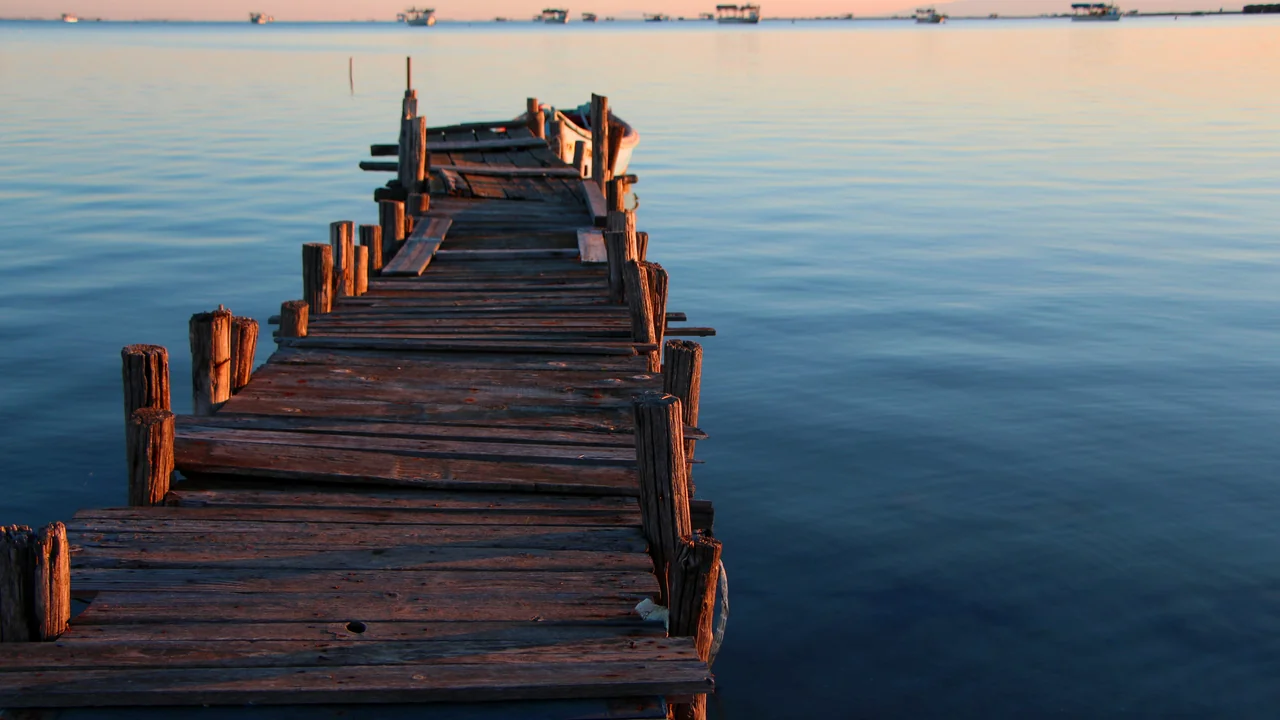
Beyond the basics, most applications require extra paperwork depending on your project’s location, size, and environmental impact. These additional items are where first-time applicants most often get stuck.
Neighbor Notification and Consent Forms
Many state and local agencies require you to notify adjacent waterfront property owners about your proposed dock. You may need to send certified letters, post a notice on the property, or obtain signed consent forms. For example, the Lake Norman Dock Permit process through Duke Energy requires notifying neighbors within 300 feet of your shoreline. Keep copies of all correspondence and receipts.
Site Photographs
Submit dated photographs of the proposed dock location from multiple angles. Include shots of the shoreline, water depth markers, existing structures, and any vegetation or wildlife habitat. The USACE and state DNR use these photos to assess potential environmental impacts. Label each photo with the date, location, and a brief description.
Environmental Review Documents
If your dock project could affect wetlands, submerged aquatic vegetation, or endangered species, you will need an environmental assessment. This may include a Wetland Delineation Report, a Threatened and Endangered Species Survey, or a Water Quality Certification from your state’s environmental agency. The USACE Section 404 process often triggers these requirements.
Dock Permit Paperwork: USACE vs. State-Specific Requirements
Understanding which agency has jurisdiction over your dock is critical. The US Army Corps of Engineers handles permits for navigable waters and wetlands under Section 404 of the Clean Water Act. State agencies like the DNR or DEQ manage shoreline and water quality permits. In some cases, you need both approvals.
| Agency | Jurisdiction | Typical Permit Type | Key Document |
|---|---|---|---|
| USACE | Navigable waters, wetlands | Nationwide Permit, Individual Permit | ENG Form 4345, site plan, environmental assessment |
| State DNR/DEQ | State waters, shorelines, water quality | Shoreline Permit, Water Quality Certification | Joint Application, survey, neighbor notice |
| Local County/Municipality | Local zoning, building codes | Building Permit, Zoning Variance | Building plans, property survey, fee payment |
USACE Nationwide Permit vs. Individual Permit
For most residential docks, the USACE offers a Nationwide Permit (NWP) that covers projects with minimal environmental impact. The NWP application is simpler and faster, typically taking 30 to 45 days. If your dock exceeds size limits or affects sensitive habitats, you will need an Individual Permit, which requires a public notice and environmental impact statement. This process can take 6 to 12 months.
State-Specific Permits: CAMA and Others
In coastal states like North Carolina, the Coastal Area Management Act (CAMA) requires a separate permit for docks in coastal counties. The CAMA application includes a site plan, survey, and environmental review. Similarly, states like Wisconsin require a Waterway Permit from the DNR. Check our Boat Dock Permit in Wisconsin: Complete 2026 Guide for state-specific requirements.
Agent Authorization Forms: Using a Contractor or Consultant

If you hire a dock builder, marine contractor, or environmental consultant to handle your permit application, you must submit an Agent Authorization Form. This form grants the agent permission to act on your behalf, submit documents, and respond to agency inquiries. Without it, the agency will only communicate with you, the property owner.
The form typically requires your signature, the agent’s name and contact information, and a description of the scope of work. Some agencies, like the USACE, have a specific form for this purpose. Others accept a simple notarized letter. Include this document with your initial submission to avoid delays.
Fee Payment Methods and Timing
Permit fees vary widely by agency and project scope. Most agencies accept checks, money orders, or credit card payments. Some require fees to be submitted with the initial application, while others bill you after approval. Know the payment rules for each agency you are dealing with.
| Fee Type | Typical Amount | When to Pay |
|---|---|---|
| USACE Nationwide Permit Fee | $100 – $500 | With application |
| State DNR Permit Fee | $50 – $300 | With application or upon approval |
| Local Building Permit Fee | $25 – $200 | With application |
| Environmental Review Fee | $100 – $1,000 | With application or after review |
Always include the correct fee with your initial submission. Some agencies return incomplete applications if the fee is missing. If you are applying for multiple permits (USACE, state, local), expect to pay each separately. Keep copies of all payment receipts for your records.
Common Mistakes That Delay Dock Permit Applications
Even experienced applicants make errors that slow down the process. Avoid these pitfalls to keep your application on track.
- Incomplete application forms — missing signatures, incorrect waterbody names, or blank fields.
- Outdated surveys — using a survey older than 12 months without checking agency requirements.
- Missing neighbor notifications — failing to notify adjacent property owners or provide proof of notification.
- Incorrect dock dimensions — exceeding size limits for a Nationwide Permit without applying for an Individual Permit.
- No environmental review — ignoring potential impacts to wetlands, endangered species, or water quality.
- Submitting without agent authorization — if a contractor submits the application without a signed authorization form.
- Wrong fee amount — underpaying or overpaying the application fee.
Checklist by Permit Type: General, Individual, and CAMA
Different permit types require different levels of documentation. Use this section to match your project to the correct checklist.
General / Nationwide Permit Checklist
For small residential docks with minimal environmental impact. Typical processing time: 30-45 days.
- Completed ENG Form 4345 or Joint Application
- Site plan drawn to scale
- Property deed and proof of ownership
- Recent survey (within 12 months)
- Site photographs (minimum 3)
- Neighbor notification forms (if required by state)
- Application fee
- Agent authorization form (if applicable)
Individual Permit Checklist
For larger docks, projects in sensitive habitats, or those requiring a public notice. Processing time: 6-12 months.
- All items from the General Permit checklist
- Environmental assessment or impact statement
- Wetland delineation report
- Threatened and endangered species survey
- Water quality certification from state agency
- Public notice response documentation
- Mitigation plan (if required)
CAMA Permit Checklist (Coastal States)
For docks in coastal counties regulated by the Coastal Area Management Act. Processing time: 60-120 days.
- CAMA application form (available from state coastal management office)
- Site plan showing shoreline, dock, and adjacent structures
- Property survey with ordinary high water mark
- Environmental review including shellfish and marsh assessment
- Neighbor notification with certified mail receipts
- Application fee (varies by state)
Nationwide Permit Advantages
- Faster processing (30-45 days)
- Lower fees
- Simpler documentation
- No public notice required
Individual Permit Challenges
- 6-12 month timeline
- Higher fees
- Public notice and comment period
- Environmental impact statement required
Final Thoughts
Preparing a complete dock permit application requires attention to detail and an understanding of which agencies have jurisdiction over your waterbody. Start by gathering the universal documents: application form, site plan, property deed, survey, and photographs. Then check with the USACE, your state DNR or DEQ, and your local county office to identify any additional requirements. If your project involves a boat lift, review the Boat Lift Permit Requirements: Do You Need a Separate Permit? (2026) guide to ensure you include the correct documentation.
For seasonal considerations, such as when to install or remove your dock, refer to our Seasonal Dock Rules by State: When to Install & Remove (2026) guide. And if you are working with the USACE, our Army Corps of Engineers Dock Permit: Section 404 Guide (2026) provides a step-by-step breakdown of the federal process.
Contact your local USACE district office or state DNR first. They can provide the specific forms and guidance for your waterbody. With a complete dock permit checklist and accurate documentation, you can avoid delays and get your dock built this season.
Frequently Asked Questions
What documents do I need for a dock permit?
You need a completed application form (ENG Form 4345 for USACE or a Joint Application for state agencies), a site plan drawn to scale, a property deed showing ownership, a recent survey (within 12 months), and site photographs. Depending on your location, you may also need neighbor notification forms, an environmental assessment, and an agent authorization form if a contractor is submitting on your behalf. Always check with the specific agency for their exact requirements.
What is the most common dock permit mistake?
The most common mistake is submitting an incomplete application form. Missing signatures, incorrect waterbody names, or blank fields can cause immediate rejection. The second most common error is using an outdated survey. Many agencies require a survey dated within the last 12 months. A third frequent mistake is failing to notify adjacent property owners when required by state or local rules.
Do I need a survey for my dock permit application?
Yes, a recent property survey is almost always required for a dock permit application. The survey must show the ordinary high water mark, proposed dock location, and all property boundaries. Most agencies require a survey dated within the last 12 months. Some states like Florida accept surveys up to 5 years old if no changes have occurred. Without a survey, the agency cannot verify that your dock stays within your property lines.
Can my contractor submit my dock permit?
Yes, your contractor can submit the dock permit application on your behalf, but only if you provide a signed agent authorization form. This form grants the contractor permission to act as your agent, submit documents, and respond to agency inquiries. The property owner must remain the named applicant on all forms. Without the authorization form, the agency will only communicate with you directly.
Can I submit my dock permit application online?
Yes, most state DNRs and USACE districts now accept online submissions through portals like ePermitting (USACE) or state-specific systems (e.g., Florida DEP’s ePermitting, Texas LCRA’s online portal). Some local county offices still require paper submissions. Check the agency website for their preferred method.
How long does it take to get a dock permit approved?
Timelines vary widely: General Permits (NWP 14) typically take 30–60 days after submission. Individual Permits can take 6–18 months due to public notice and environmental review. State-specific permits like CAMA (NC) take 60–90 days. Local county permits are often fastest at 2–4 weeks.
What happens if I build a dock without a permit?
Unpermitted docks face enforcement actions including fines (up to $50,000 per day under the Clean Water Act), removal orders, and potential criminal penalties. Agencies like USACE and state DNRs conduct aerial and boat patrols to identify violations. If discovered, you will be required to apply for an after-the-fact permit, which is more expensive and rarely approved.
Do I need a separate permit for a boat lift?
Yes, in most states. A boat lift is considered a structure that alters the waterway. It is typically included in the same permit application as the dock, but you must specify it on the site plan. Some states (e.g., Wisconsin) require a separate “non-metallic structure” permit for lifts. Always list all structures on the initial application to avoid needing a modification later.
Can I use a pre-fabricated dock to avoid permitting?
No. Pre-fabricated or floating docks still require permits if they are attached to the shore, installed in navigable waters, or exceed certain size thresholds. The permit requirement is based on the structure’s impact on the waterway, not its construction method. Even a temporary seasonal dock may need a permit depending on local rules.
Last updated: July 16, 2026
- US Army Corps of Engineers – Regulatory Program (usace.army.mil)
- Environmental Protection Agency – Clean Water Act Section 404
- State DNR and DEQ permitting offices for Florida, North Carolina, Wisconsin, Texas
- Local county permitting offices for Lake Travis, Lake Norman, and Lake Winnebago

Dock Permit Guide
DockPermitGuide editor covering boat dock and pier permit requirements, costs, and regulations across the United States, Canada & Australia.