
Boat Dock Permit in Maine: Complete 2026 Guide
 17 min read
3,237 words
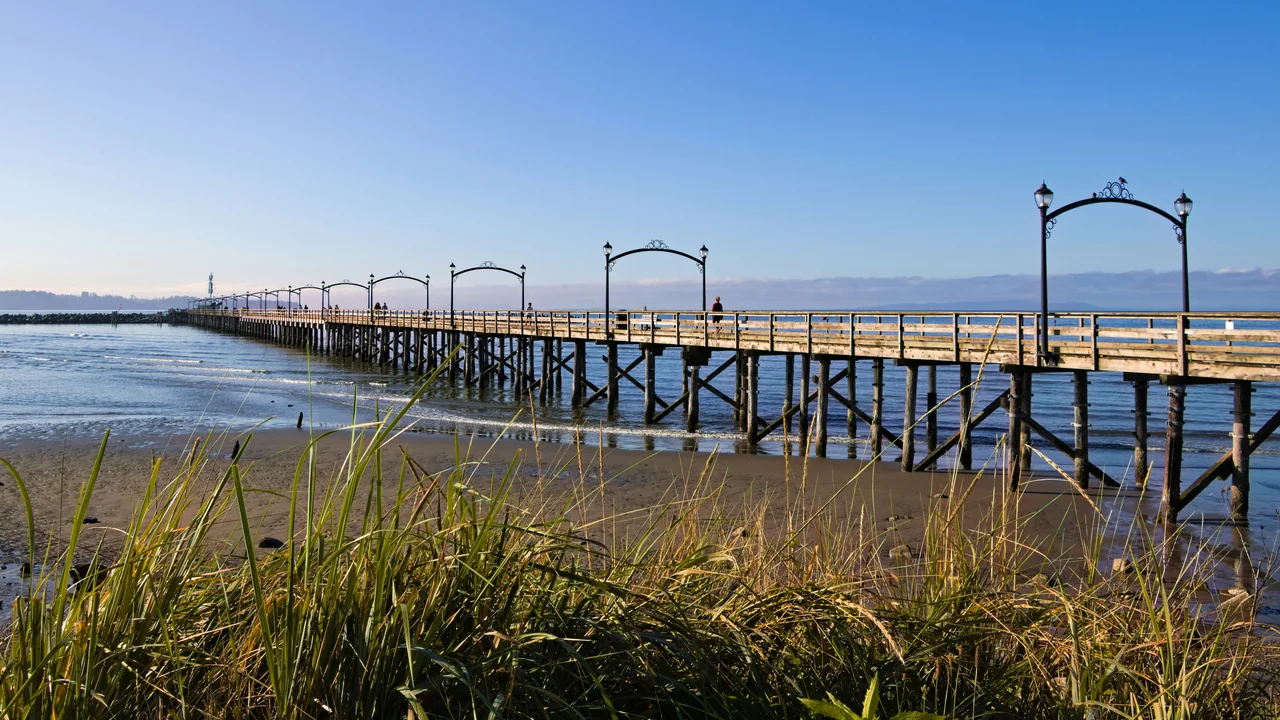
Do You Need a Boat Dock Permit in Maine?
Yes, you almost certainly need a state permit from the Maine Department of Environmental Protection (DEP) under the Natural Resources Protection Act (NRPA) before building any dock, pier, or wharf on coastal waters, great ponds, or navigable rivers and streams. For smaller residential projects, Maine offers a streamlined “Permit by Rule” (PBR) process that is faster and less expensive than a standard individual permit. This guide walks you through exactly which agency to contact, what rules apply to your specific waterbody, the costs involved, and how long the process takes so you can plan your dock project with confidence. This guide covers everything you need to know about boat dock permit Maine.
You’ll learn about the NRPA framework, the unique Great Ponds doctrine for lakes over 10 acres, coastal zone considerations that involve the Department of Marine Resources (DMR), and the step-by-step application process. Whether you’re building on Sebago Lake, Moosehead Lake, or a tidal cove in Casco Bay, this guide covers everything you need to know.
Which Agency Issues Boat Dock Permits in Maine?
The primary permitting authority for docks in Maine is the Maine Department of Environmental Protection (DEP), specifically through its Bureau of Land Resources and the Natural Resources Protection Act (NRPA) program. The NRPA regulates any activity that alters or expands a structure in, on, over, or adjacent to protected natural resources, including coastal wetlands, great ponds, rivers, and streams.
Depending on your location, you may also need approvals from:
- US Army Corps of Engineers (USACE): Required for docks in coastal tidal waters or navigable rivers under Section 10 of the Rivers and Harbors Act and Section 404 of the Clean Water Act.
- Maine Department of Marine Resources (DMR): For coastal docks, DMR reviews projects for impacts on marine habitats, including lobster and shellfish grounds.
- Municipal Planning Board or Code Enforcement Officer: Local zoning, shoreland zoning, and building permits are almost always required.
Maine DEP Dock Permit Under the Natural Resources Protection Act (NRPA)
The NRPA is the cornerstone of dock regulation in Maine. It requires a permit for any project that will “substantially change the character or size of any structure” in, on, or over protected natural resources. For docks, this means any new construction, expansion, or replacement that exceeds specific size thresholds triggers a full DEP review.
The NRPA classifies dock projects into two main categories:
| Project Type | Permit Path | Key Requirements |
|---|---|---|
| New dock (over 8 ft wide or 200 sq ft) | Individual NRPA Permit | Full application, public notice, 60-120 day review |
| New dock (under 8 ft wide and under 200 sq ft) | Permit by Rule (PBR) | Streamlined application, 30-45 day review |
| Dock replacement (same footprint) | PBR or Minor Revision | Usually PBR if no expansion |
| Dock expansion (any increase in size) | Individual NRPA Permit | Full review required |
What Does the NRPA Mean for Your Dock Project?
If your proposed dock is a standard residential structure—single-pipe or timber pile, less than 8 feet wide, and under 200 square feet—the Permit by Rule pathway is your most efficient option. For larger docks, especially those exceeding 200 square feet, you must budget for a longer review timeline and higher fees.
Maine Dock Rules: Permit by Rule (PBR) for Small Residential Docks
Permit by Rule (PBR) is Maine’s fast-track permitting option for small, low-impact residential dock projects. It is available for docks that meet all of the following criteria:
- Dock width does not exceed 8 feet
- Dock surface area does not exceed 200 square feet
- Dock does not extend more than 1/3 of the way across a waterbody or 100 feet from shore, whichever is less
- Dock is not located in a sensitive resource area (e.g., eelgrass beds, clam flats, or fish spawning areas)
- Dock is for single-family residential use only
If your dock meets these standards, you can apply for a PBR rather than a full individual permit. The PBR application is simpler, requires less supporting documentation, and has a guaranteed 30-day review timeline (though it often takes 45 days in practice).
Step-by-Step PBR Application Process
Measure your proposed dock. Ensure width is under 8 ft, area under 200 sq ft, and you are not in a sensitive area. Check with your local code enforcement officer for shoreland zoning compliance.
Prepare a site plan showing the dock location, dimensions, and distance from property lines. Include a recent photograph of the shoreline. If on a great pond, you may need a water quality certification.
Complete the DEP’s PBR form online or by mail. Pay the application fee (see cost section below). Submit to the appropriate DEP regional office based on your county.
DEP will review within 30-45 days. If approved, you will receive a PBR certificate. You may begin construction immediately after receiving the permit. If denied, DEP will explain the reasons and you may need to apply for an individual permit.
Great Ponds Doctrine: Lakes Over 10 Acres in Maine
Maine has a unique legal framework for “great ponds”—defined as any natural or artificially impounded waterbody that covers more than 10 acres. This includes popular lakes like Sebago Lake, Moosehead Lake, and Rangeley Lake. The Great Ponds doctrine, rooted in Maine’s Public Trust Doctrine, grants the public certain rights to use these waters, and imposes stricter regulations on shoreline development.
For dock construction on a great pond, the key rules are:
- Docks must not unreasonably interfere with public access or navigation.
- Docks are typically limited to one per waterfront property, though exceptions exist for very large parcels.
- Docks must be located within 200 feet of the property owner’s shoreline frontage.
- Docks cannot extend into any designated “no-wake” or “swimming” zones.
Sebago Lake and Moosehead Lake Specifics
On Sebago Lake, the Portland Water District (PWD) has additional authority because the lake is a drinking water source for Greater Portland. Docks must avoid areas near the water intake structures, and PWD requires a separate permit for any structure within 500 feet of the intake. Moosehead Lake, being a remote great pond, has fewer additional restrictions, but the Maine DEP still enforces the standard great pond rules rigorously.
Coastal Zone: DMR Lobster Territory Considerations
If you are building a dock on Maine’s coast—from Kittery to Eastport—you must contend with the Maine Department of Marine Resources (DMR). DMR reviews all coastal dock applications for potential impacts on marine resources, particularly lobster habitat and shellfish beds.
Key coastal dock rules include:
- Docks must avoid eelgrass beds, which are critical nursery habitat for fish and lobster.
- Docks must not block public access to intertidal shellfish harvesting areas.
- Docks must be designed to allow passage of marine life underneath (minimum 2 feet of clearance at mean high water for small docks).
- In working waterfront zones, DMR may require a “marine resource impact assessment.”
How to Coordinate with DMR
When you submit the Joint Application for Permits to the DEP, your application is automatically forwarded to DMR for comment. DMR has 30 days to respond. If DMR raises concerns, DEP cannot issue the permit until those concerns are resolved. This can add 30-60 days to the timeline.
How Much Does a Boat Dock Permit in Maine Cost?
Permit costs vary depending on the type of application and the complexity of the project. Here are the standard fees as of 2026:
| Permit Type | Application Fee | Additional Costs |
|---|---|---|
| Permit by Rule (PBR) | $150 | None (if self-prepared) |
| Individual NRPA Permit | $500 (base) + $100 per acre of impact | Engineering survey ($500-$2,000), legal notice ($100-$300) |
| USACE Individual Permit | $100 (Nationwide) or $10,000 (Individual) | Public notice fees, mitigation costs if required |
| Municipal Shoreland Zoning Permit | $50-$200 | Varies by town |
Popular Waters and Their Specific Dock Rules
Different waterbodies in Maine have unique rules beyond the state framework. Here is a quick reference for popular locations:
| Waterbody | Special Authority | Key Restriction |
|---|---|---|
| Sebago Lake | Portland Water District | No docks within 500 ft of water intake; separate PWD permit required |
| Moosehead Lake | Maine DEP (Great Pond) | Standard great pond rules apply; no additional local restrictions |
| Rangeley Lake | Maine DEP (Great Pond) | Docks limited to 200 sq ft; public access easements may apply |
| Casco Bay (coastal) | DMR + USACE | Must avoid eelgrass; DMR review required; USACE Section 10 permit needed |
| Kennebec River (tidal) | USACE + Maine DEP | Navigable waterway; USACE permit required; dock must not obstruct navigation |
Summary: How to Get Your Boat Dock Permit in Maine
The first step is always to contact the Maine DEP’s Bureau of Land Resources to determine if your project qualifies for Permit by Rule or requires an individual NRPA permit. For coastal projects, also contact the local DMR office early in the planning process. For great ponds, be prepared for water quality certification requirements.
If you are building a standard residential dock under 8 feet wide and 200 square feet, the PBR process is straightforward, costs $150, and takes about 30-45 days. For larger projects, budget $500-$2,000 in fees and 2-4 months for review. Always check your local shoreland zoning ordinance—many towns have stricter rules than the state.
For more detailed information on permitting in other states, see our Boat Dock Permit Guide. If you are also considering a boat lift or PWC dock, review our Boat Lift Permit Requirements and Jet Ski Dock and PWC Lift Permit Requirements guides.
Maine’s most popular lakes and coastal areas have additional rules beyond state and federal requirements. Here is what you need to know for specific waters.
Sebago Lake Dock Permits
Sebago Lake is the primary drinking water source for the Portland Water District (PWD). This means dock permits here face extra scrutiny. PWD requires a separate Water Quality Protection Permit for any construction within 250 feet of the lake. You must use untreated wood or approved composite materials — no pressure-treated lumber treated with CCA or creosote is allowed within the shoreland zone. Contact PWD at (207) 774-5961 before applying to the Maine DEP.
Moosehead Lake Dock Permits
Moosehead Lake is Maine’s largest lake and falls under the Great Ponds Doctrine. The Maine DEP requires a NRPA permit for any dock longer than 20 feet or wider than 4 feet. The lake is also in the Unorganized Territory, meaning the Land Use Planning Commission (LUPC) has jurisdiction over shoreland zoning. You will need a LUPC permit in addition to the DEP permit. Expect a 60–90 day review timeline.
Rangeley Lakes Dock Permits
The Rangeley Lakes region includes Rangeley, Mooselookmeguntic, and Richardson Lakes. These are Great Ponds, so the same 20-foot length and 4-foot width rules apply without a full permit. However, the Rangeley area has some of the strictest local shoreland zoning in the state. The town of Rangeley requires a Shoreland Zoning Permit for any dock, even floating docks. Fees are typically $75–$150, and the review takes 2–4 weeks.
Coastal Waters: Casco Bay, Mount Desert Island, and Penobscot Bay
Coastal docks face the most complex permitting. You need:
- Maine DEP NRPA permit (or PBR for small docks under 120 sq ft)
- USACE Section 10 permit (required for any structure in navigable tidal waters)
- Maine DMR lease or license (required for any structure below the mean high water mark)
- Municipal shoreland zoning permit
The DMR process is the most time-consuming. For a standard residential dock in Casco Bay, expect 6–12 months for full permitting. The DMR charges an annual lease fee based on square footage — typically $200–$500 per year for a standard dock.
Here is your step-by-step action plan for getting a boat dock permit in Maine:
Identify if your property is on a Great Pond (over 10 acres), a coastal waterbody, or a smaller lake. This determines which agency leads the process.
Call your town code enforcement officer. Ask about shoreland zoning permits and any local dock ordinances. Some towns ban certain dock types or have setback requirements.
If you are on Sebago Lake, contact Portland Water District. If on a Great Pond, review the DEP’s Great Ponds checklist. If on a coastal water, contact DMR.
Use the Maine DEP’s e-Permitting portal. For small docks (under 20 ft long and 4 ft wide), use the Permit by Rule form. For larger docks, submit a full NRPA application.
If your dock is in navigable waters (including tidal coastal areas and some large lakes), submit a USACE Section 10/404 application. Use the USACE New England District’s online portal.
Processing times range from 30 days (PBR) to 6+ months (coastal full permit). Respond promptly to any public notice comments or agency requests for additional information.
For a detailed breakdown of dock types and their specific requirements, see our guide on boat dock types and permit needs. If you are building on a lake shared with New Hampshire, review our New Hampshire dock permit guide for the other side of the border.
Frequently Asked Questions
Do I need a Maine DEP permit for a dock?
Yes, almost all dock construction in Maine requires a permit from the Maine Department of Environmental Protection (DEP) under the Natural Resources Protection Act (NRPA). The only exceptions are very small temporary docks that are less than 200 square feet and removed seasonally, but even these may require local permits. For most residential docks, you will either use the streamlined Permit by Rule (PBR) process or apply for an individual NRPA permit. Failing to obtain a permit can result in fines and an order to remove the dock.
What is Permit by Rule for Maine docks?
Permit by Rule (PBR) is a fast-track permitting option for small, low-impact residential dock projects. To qualify, your dock must be under 8 feet wide and 200 square feet in surface area, and must not extend more than one-third of the way across the waterbody or 100 feet from shore. The PBR application fee is $150, and the review process takes approximately 30-45 days. No public notice is required, and you can submit the application online through the Maine DEP e-Permitting portal.
What are Great Pond rules in Maine?
Great ponds are any natural or artificial waterbodies over 10 acres in size, including popular lakes like Sebago Lake and Moosehead Lake. Under Maine’s Great Ponds doctrine, the public has certain rights to use these waters, and dock construction is subject to stricter regulations. Docks must not unreasonably interfere with public access or navigation, are typically limited to one per property, and must be located within 200 feet of the shoreline frontage. Additionally, the Maine DEP often requires a water quality certification under Section 401 of the Clean Water Act for docks on great ponds.
How much does a dock permit cost in Maine?
The cost depends on the permit type. A Permit by Rule (PBR) application costs $150. An individual NRPA permit costs $500 base plus $100 per acre of impact, with additional costs for engineering surveys ($500-$2,000) and legal notices ($100-$300). If you also need a USACE individual permit, the fee can be $10,000 or more, though most residential docks qualify for a cheaper nationwide permit ($100). Municipal shoreland zoning permits typically cost $50-$200. Total costs for a standard residential dock project usually range from $200 to $800 for permits alone.
Do I need a permit for a floating dock in Maine?
Yes. Floating docks require a Maine DEP permit if they exceed 20 feet in length or 4 feet in width on Great Ponds. On smaller lakes, you still need a municipal shoreland zoning permit. Floating docks are subject to the same setback and size rules as fixed docks.
Can I build a dock on a lake in Maine without a permit?
No. Even a small dock requires at minimum a municipal shoreland zoning permit. On Great Ponds, any dock over 20 feet long or 4 feet wide needs a Maine DEP Permit by Rule or full NRPA permit. Building without permits can result in fines up to $10,000 per day and orders to remove the dock.
How long does a Maine dock permit last?
Maine DEP NRPA permits do not expire — they remain valid for the life of the dock as long as no modifications are made. Municipal shoreland zoning permits typically last 1–2 years; you must start construction before they expire. DMR leases for coastal docks are annual and must be renewed each year.
What is the maximum dock size without a full Maine DEP permit?
On Great Ponds, you can build a dock up to 20 feet long and 4 feet wide under the Permit by Rule process. On smaller lakes, size limits are set by your municipality — typical maximums are 6 feet wide and 40–60 feet long, but this varies widely. Always check with your town code enforcement officer first.
Do I need a federal permit for a dock in Maine?
Yes, if your dock is in navigable waters. This includes all tidal coastal waters, the Penobscot, Kennebec, and Androscoggin Rivers, and large lakes used for interstate commerce (such as Moosehead Lake). The USACE New England District requires a Section 10 permit for any dock in these waters.
Can I install a boat lift on my dock in Maine?
Boat lifts are generally allowed but must be included in your dock permit application. The Maine DEP considers them part of the dock structure. They cannot extend beyond the dock’s footprint and must meet the same setback requirements. Some municipalities restrict boat lifts in shallow areas to protect fish habitat.
What are the penalties for building a dock without a permit in Maine?
The Maine DEP can issue fines of up to $10,000 per day for unpermitted dock construction. You may also be required to remove the dock and restore the shoreline to its original condition. Municipalities can issue separate fines under local shoreland zoning ordinances. It is always cheaper and faster to get permits upfront.
Last updated: July 16, 2026
- Maine Department of Environmental Protection (Maine DEP) – Natural Resources Protection Act (NRPA) Program
- Maine Department of Marine Resources (DMR) – Coastal Dock Guidelines
- US Army Corps of Engineers, New England District – Section 10/404 Permitting
- Portland Water District – Sebago Lake Protection Rules
- Maine Revised Statutes Title 38, Chapter 3 – Protection of Natural Resources

Dock Permit Guide
DockPermitGuide editor covering boat dock and pier permit requirements, costs, and regulations across the United States, Canada & Australia.