
Dock vs Pier vs Wharf: What’s the Difference for Permits? (2026)
 10 min read
1,947 words
10 min read
1,947 words

If you are searching for a boat dock or pier permit, you have likely encountered confusing terminology. The primary difference between a dock and a pier is that a dock is typically a floating or fixed platform used for mooring boats, while a pier is a fixed structure that extends from the shore into the water. Understanding the dock vs pier difference is not just a matter of vocabulary—it directly affects which permit application you must file, which agency reviews your project, and how much you will pay in fees. This guide clarifies the dock vs pier vs wharf distinctions, explains how legal definitions vary by state, and provides actionable steps to navigate terminology confusion when applying for permits.
What Is the Legal Difference Between a Dock and a Pier?
From a permitting perspective, the difference between dock and pier often hinges on structural design and water access. A dock is generally a platform that sits on or floats on the water, used for boarding, loading, or mooring vessels. A pier, by contrast, is a raised, fixed structure built on pilings that extends from the shoreline into deeper water. While many people use these terms interchangeably, state and federal agencies draw clear lines that determine which regulations apply to your project.
Dock: Floating or Fixed Platform for Mooring
A dock is designed primarily for mooring boats and providing access to the water. It may be floating (attached to the shore by a hinged gangway) or fixed on pilings. Floating docks are common on lakes and reservoirs where water levels fluctuate. Permits for docks typically focus on navigational safety, water quality, and shoreline impact. For example, the U.S. Army Corps of Engineers (USACE) regulates docks under Section 10 of the Rivers and Harbors Act and Section 404 of the Clean Water Act. State agencies, such as the Texas Parks and Wildlife Department, may require additional permits for docks that exceed certain dimensions or use specific materials.
Pier: Fixed Structure Extending into Water
A pier is a stationary structure built on piles or columns that extends from the shore into the water. Piers are often used for commercial fishing, passenger boarding, or recreational access. Because piers are permanent and can alter water flow or habitat, they typically require more rigorous environmental review. Permits for piers often involve shoreline stabilization plans, endangered species assessments, and public navigation easements. In states like Florida and California, the term “pier” triggers review under coastal zone management programs, which may not apply to docks.
Wharf: Structure Along Shoreline
A wharf is a structure built parallel to the shoreline, often used for loading and unloading cargo or passengers. Unlike a pier, which extends perpendicular to the shore, a wharf runs alongside it. Wharves are less common for residential projects but may appear in marina or commercial developments. Permits for wharves are typically handled by the same agencies as piers but may involve additional port authority or municipal approvals. Understanding the dock vs pier vs wharf distinction prevents you from submitting the wrong application.
How Does Terminology Affect Which Permit You Need?
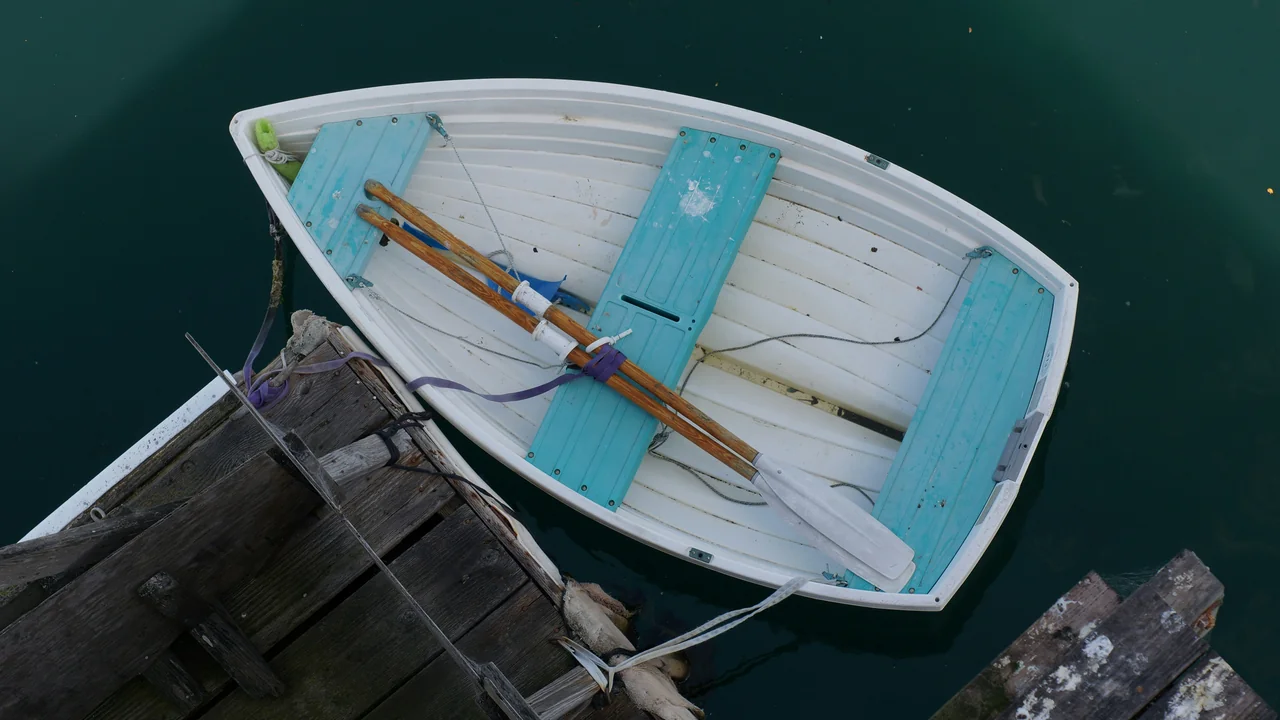
The words you use on your application can determine which agency reviews your project and which regulations apply. If you call a structure a “pier” when the state defines it as a “dock,” you may be routed to the wrong permitting office. Conversely, using “dock” for a pier could result in an incomplete application that fails to address required environmental reviews. Here is a comparison of how different states treat these terms.
| State | Dock Definition | Pier Definition | Permit Implications |
|---|---|---|---|
| Texas | Floating or fixed platform for mooring | Fixed structure on pilings extending into water | Docks require USACE Section 10 permit; piers may need additional coastal zone review |
| Florida | Floating structure for boat access | Fixed structure on piles for fishing or boarding | Piers trigger submerged land lease; docks require environmental resource permit |
| California | Any structure used for mooring | Structure extending into water for public access | Piers require Coastal Development Permit; docks may qualify for exemption |
| Michigan | Floating or temporary structure | Fixed structure on pilings | Docks need inland lakes permit; piers require shorelands protection review |
Which States Have Specific Definitions for Docks vs Piers?
Several states have codified definitions that directly affect pier vs dock permit requirements. These definitions are not arbitrary—they determine which environmental protections apply and which forms you must submit.
Texas: Dock vs Pier in the Texas Water Code
In Texas, the Texas Parks and Wildlife Department (TPWD) and the Texas Commission on Environmental Quality (TCEQ) distinguish between docks and piers based on structure type. A dock is defined as a floating or fixed platform used for mooring vessels, while a pier is a structure built on pilings that extends into the water. Piers on public waterways often require a lease from the Texas General Land Office, while docks may only need a USACE permit. This distinction is critical for property owners on Lake Travis or Lake Conroe, where water level fluctuations make floating docks the preferred choice.
Florida: Submerged Land Leases for Piers
Florida law defines a pier as a structure extending from the shoreline into navigable waters, typically built on piles. Docks are defined as floating or fixed platforms used for boat mooring. The key difference for permits is that piers often require a submerged land lease from the state, while docks may only need an environmental resource permit. If you build a pier without the proper lease, you face fines and mandatory removal. Understanding this difference between dock and pier in Florida can save you thousands of dollars.
California: Coastal Zone Management Definitions
California’s Coastal Act defines a pier as a structure that extends into the ocean or bay for public access or commercial use. Docks are defined more broadly as any structure used for mooring. Because piers often involve public access, they require a Coastal Development Permit, which involves a public hearing and environmental review. Docks on private property may qualify for a streamlined permit if they meet size and location criteria. Knowing which term applies to your project is the first step in navigating California’s complex permitting system.
Common Terminology Confusion and How to Navigate It
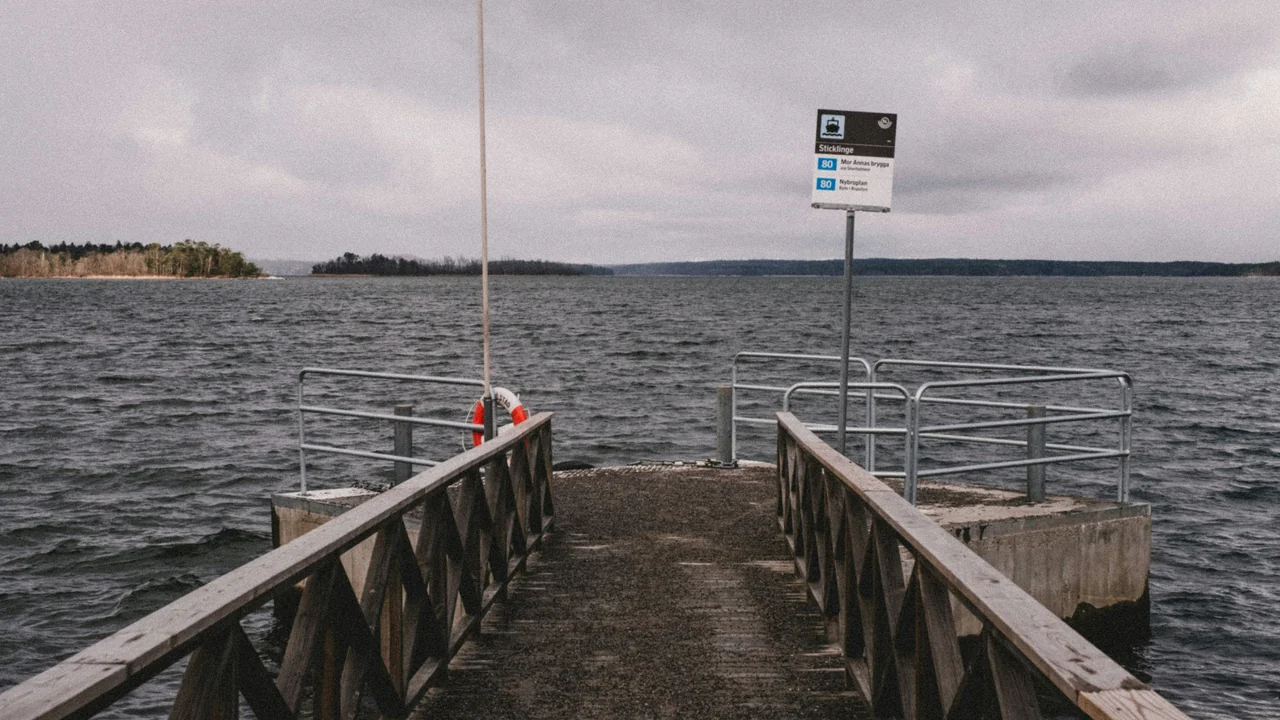
Even experienced contractors sometimes confuse these terms. The most common mistakes include calling a fixed pier a “dock” on a permit application, or using “wharf” for a residential boat lift. Here is how to avoid these pitfalls.
Why “Dock” and “Pier” Are Used Interchangeably
In everyday conversation, people use “dock” and “pier” interchangeably. A boater might say “I’m docking at the pier.” This casual usage creates confusion when the same person fills out a permit application. Agencies expect precise language. If your structure is fixed on pilings and extends into the water, call it a pier. If it floats or sits on the water surface, call it a dock. When in doubt, describe the physical characteristics of your structure rather than relying on common usage.
How to Determine Which Term Applies to Your Project
To determine whether your project is a dock or a pier, ask these questions:
- Is the structure floating or fixed to the bottom? Floating = dock; fixed = pier.
- Does it extend perpendicular from the shore or run parallel? Perpendicular = pier; parallel = wharf.
- Is the primary use mooring boats or public access? Mooring = dock; public access = pier.
Answering these questions will help you select the correct permit application and avoid delays.
How Much Does a Dock vs Pier Permit Cost?
Permit costs vary significantly based on structure type, location, and agency requirements. The table below shows typical fees for docks and piers across different states.
| State | Dock Permit Fee | Pier Permit Fee | Additional Costs |
|---|---|---|---|
| Texas | $150–$500 | $500–$2,000 | Lease fees for piers on public land |
| Florida | $250–$1,000 | $1,000–$5,000 | Submerged land lease: $500–$3,000/year |
| California | $500–$2,500 | $2,500–$10,000 | Coastal Development Permit: $3,000–$15,000 |
| Michigan | $100–$400 | $400–$1,500 | Shorelands protection review: $200–$800 |
Summary: Key Takeaways for Your Permit Application
Understanding the dock vs pier difference is essential for a smooth permitting process. Start by identifying your structure’s physical characteristics: floating or fixed, perpendicular or parallel. Then, check your state’s legal definitions in the water resources code or equivalent statute. Contact the relevant agency—whether it’s the USACE, state DNR, or coastal commission—and use the correct terminology on your application. For a comprehensive overview of requirements across states, refer to our Boat Dock Permit Guide, which covers the permitting process for all structure types. If you are unsure, consult a local waterfront contractor or permit expediter who understands the nomenclature in your jurisdiction.
Frequently Asked Questions
What is the difference between a dock and a pier?
A dock is typically a floating or fixed platform used for mooring boats and accessing the water. A pier is a fixed structure built on pilings that extends from the shore into deeper water, often used for fishing or passenger boarding. The key difference lies in construction—docks are often floating, while piers are permanently anchored to the lake or ocean bottom. This structural distinction drives which permits you need.
Does it matter if I call it a dock or pier for permits?
Yes, it matters significantly. State and federal agencies use specific definitions to determine which regulations apply. Calling a fixed pier a “dock” on your application could result in a rejection or a request for additional environmental review. Always match your structure description to the legal definition in your state’s water code. Using the wrong term can delay your project by 4–8 weeks.
What is a wharf vs a dock?
A wharf is a structure built parallel to the shoreline, used for loading and unloading cargo or passengers. A dock is a platform for mooring boats, often floating or fixed perpendicular to the shore. Wharves are more common in commercial ports and marinas, while docks are typical for residential waterfront properties. Permits for wharves often involve port authority approvals that do not apply to docks.
Do piers need different permits than docks?
Generally, yes. Piers, because they are permanent structures that alter the shoreline, often require submerged land leases, coastal zone permits, and more extensive environmental review. Docks may qualify for simpler permits if they are floating and meet size restrictions. For example, in Florida, a pier typically requires a submerged land lease from the state, while a dock may only need an environmental resource permit. Always verify with your local permitting authority.
Last updated: July 02, 2026
- U.S. Army Corps of Engineers Regulatory Program
- Texas Water Code Chapter 11
- Florida Administrative Code Chapter 62-330
- California Coastal Act of 1976

Dock Permit Guide
DockPermitGuide editor covering boat dock and pier permit requirements, costs, and regulations across the United States, Canada & Australia.