
Lake Keowee Dock Permit: Duke Energy Rules & How to Apply (2026)
 11 min read
2,117 words
11 min read
2,117 words
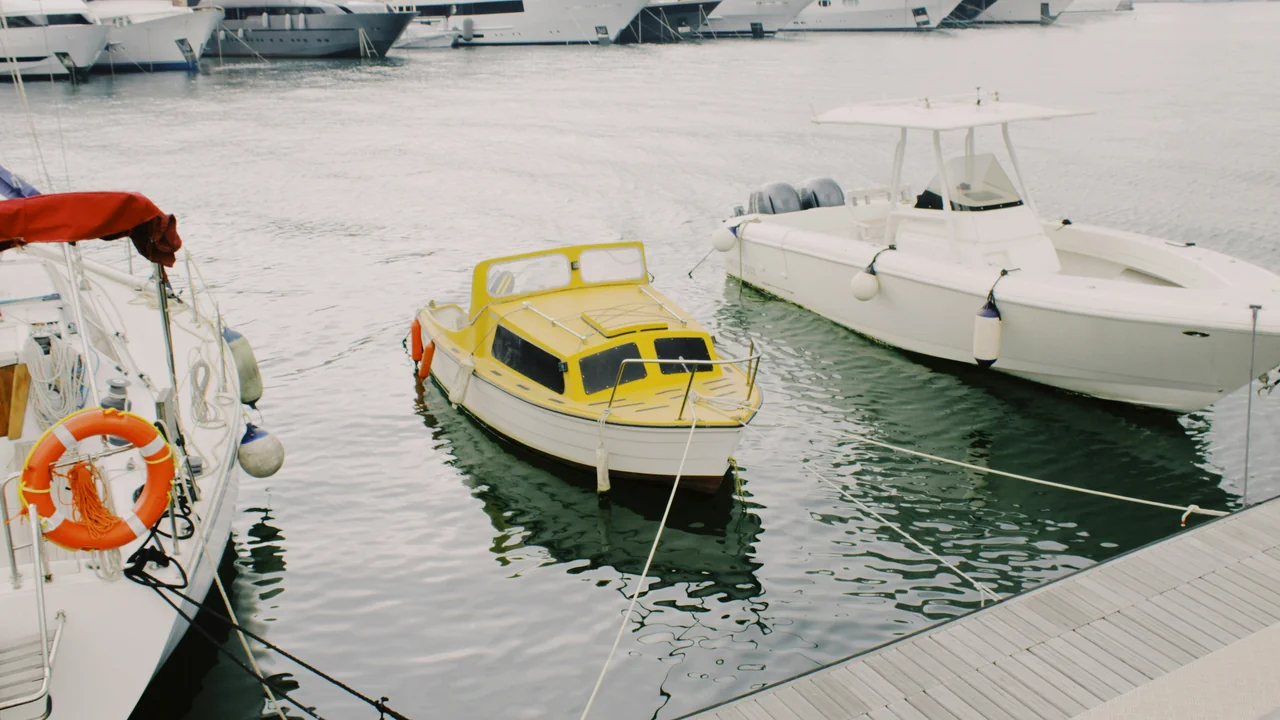
Yes, a permit is required to build a dock on Lake Keowee. The primary authority for issuing a dock permit Lake Keowee is Duke Energy, which manages Lake Keowee as a hydroelectric reservoir under a license from the Federal Energy Regulatory Commission (FERC). This guide explains the specific rules, application process, costs, and timelines you need to follow to obtain your permit in 2026. You will learn which agency controls the permitting, how the process differs from other Duke Energy lakes like Lake Norman, the exact size and depth restrictions for your dock, and what your total investment might be. Whether you are planning a simple floating dock or a covered boathouse, understanding these requirements upfront will save you time and prevent costly mistakes.
Which Agency Issues Dock Permits on Lake Keowee?
Duke Energy Lake Services is the sole permitting authority for all docks, piers, and boat lifts on Lake Keowee. Unlike many public lakes where a state agency like the South Carolina Department of Health and Environmental Control (DHEC) or the US Army Corps of Engineers (USACE) manages the process, Lake Keowee is a private power reservoir. Duke Energy holds the FERC license for the lake, which gives them direct control over shoreline use, including dock construction.
You will need to submit your application to Duke Energy’s Lake Services office. This is a critical distinction from lakes like Lake Travis Dock Permit: Rules, Costs & How to Apply (2026), where the Lower Colorado River Authority (LCRA) manages permits, or Lake Minnetonka, which falls under the MCWD. For Lake Keowee, Duke Energy is your single point of contact for the entire permitting process.
What Is the Role of the US Army Corps of Engineers?
While Duke Energy is the primary regulator, the US Army Corps of Engineers (USACE) may still require a separate permit if your dock project involves dredging, filling, or any work below the ordinary high water mark that could affect navigable waters. Under Section 404 of the Clean Water Act, USACE has jurisdiction over any discharge of dredged or fill material into waters of the United States. For most standard dock installations on Lake Keowee—such as floating docks or pipe piers that do not disturb the lakebed—a USACE permit is not required. However, if you plan to build a solid fill pier or excavate the shoreline, you will need to consult the Army Corps of Engineers Dock Permit: Section 404 Guide (2026) for additional requirements.
How Does the Lake Keowee Dock Permit Application Process Work?

The application process for a Lake Keowee dock permit is structured but requires careful preparation. Duke Energy reviews every application to ensure compliance with their Shoreline Management Plan, which is part of their FERC license. The process can be broken down into five clear steps.
Before submitting anything, you must confirm your property’s shoreline boundaries and water depth. Duke Energy requires a minimum water depth of 3 feet at the dock’s outer edge during normal summer pool elevation (1,100 feet above mean sea level). Hire a licensed surveyor to mark your property lines and the water depth along your proposed dock location.
Obtain the official “Application for Lake Use Permit” from Duke Energy’s website or their Seneca, SC office. You will need to provide property deed information, a site plan showing the dock location, dimensions, and materials, and proof of property ownership. A detailed drawing of the dock structure is mandatory.
Mail or hand-deliver your completed application along with the non-refundable application fee to the Duke Energy Lake Services office. As of 2026, the application fee is $150. Payment is typically by check or money order.
Duke Energy staff will review your application for completeness and compliance. They will conduct a site visit to verify water depth, property boundaries, and the proposed dock location’s impact on navigation and the shoreline. This review typically takes 4 to 8 weeks.
If approved, Duke Energy will issue a Lake Use Permit. You must display the permit number on the dock. Construction must begin within one year of permit issuance and be completed within two years. After construction, a final inspection is required to ensure the dock matches the approved plans.
What Documents Are Required for the Application?
Your application packet must include the following items. Missing any one of these will delay the review process.
- Completed and signed Lake Use Permit Application form.
- Copy of your property deed or survey showing lake frontage.
- Site plan drawn to scale showing the proposed dock location, dimensions, and distance from property lines.
- Dock construction plans or manufacturer specifications.
- Proof of water depth at the dock’s outer end (surveyor’s report or Duke Energy depth verification).
- Non-refundable application fee of $150.
What Are the Lake Keowee Dock Rules and Size Limits?
Understanding the Lake Keowee dock rules is essential before you start designing your dock. Duke Energy has strict dimensional limits to maintain water quality, navigation safety, and the aesthetic character of the lake. These rules apply to all new docks and significant modifications to existing structures.
| Dock Feature | Maximum Allowed Size |
|---|---|
| Total dock surface area (including roof) | 1,200 square feet |
| Dock width | 10 feet maximum |
| Dock length from shoreline | Varies by water depth; cannot extend beyond the 3-foot depth contour |
| Covered dock roof height | 12 feet above normal summer pool elevation |
| Number of boat slips per dock | 2 slips maximum for a single-family lot |
| Distance from property line | 10 feet minimum from side property lines |
Can I Build a Covered Dock on Lake Keowee?
Yes, you can build a covered dock on Lake Keowee, but there are specific restrictions. Covered docks, also known as boathouses, are permitted as long as the roof does not exceed 1,200 square feet of total dock area (including the roof). The roof height must not exceed 12 feet above the normal summer pool elevation. Additionally, the covered portion cannot enclose the sides; it must remain open on at least two sides for ventilation and wildlife access. Duke Energy prohibits fully enclosed boathouses. If you are also considering adding a swim platform to your dock, review the Swim Platform and Swim Raft Permit Requirements (2026 Guide) for separate rules that may apply.
How Much Does a Lake Keowee Dock Permit Cost?
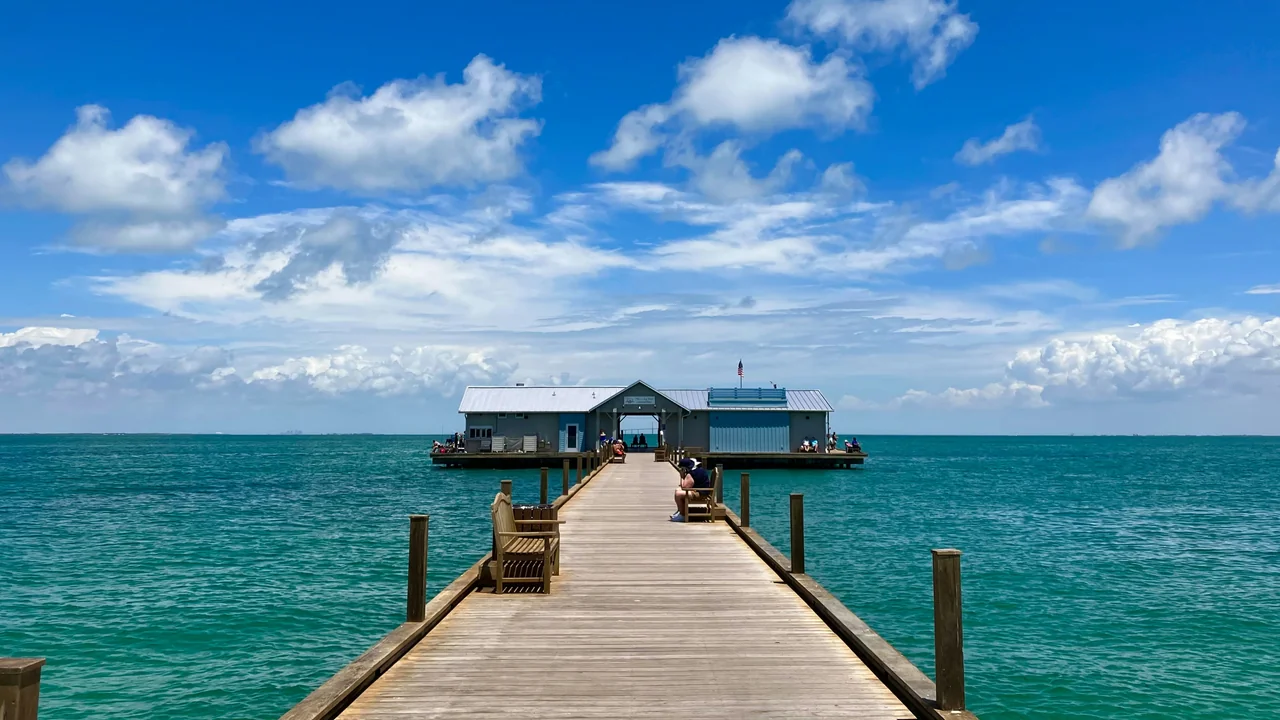
The Lake Keowee boat dock cost includes both the permit fees paid to Duke Energy and the construction costs for the dock itself. Understanding the full financial picture will help you budget accurately.
The $150 application fee is non-refundable, regardless of whether your permit is approved. There is no separate permit issuance fee. However, you may incur additional costs for a property survey ($500–$1,500) and water depth verification if your surveyor does not include it. Construction costs vary widely based on dock type, size, and materials. A simple floating dock for one boat slip typically starts around $15,000, while a larger covered dock with two slips and premium composite decking can exceed $50,000. For a detailed breakdown of construction costs by dock type, refer to How Much Does a Boat Dock Cost in 2026? Complete Price Guide.
What Is the Timeline for a Lake Keowee Dock Permit?
From application submission to permit issuance, expect a timeline of 4 to 8 weeks. Duke Energy’s review includes a mandatory site visit, which is often the bottleneck during peak seasons (spring and summer). Submitting a complete application with all required documents is the best way to avoid delays. If your application is incomplete, Duke Energy will return it, and the clock resets. Plan to submit your application at least 3 months before you intend to start construction.
How Do Lake Keowee Dock Rules Compare to Lake Norman?
Lake Keowee and Lake Norman are both Duke Energy reservoirs, but they operate under different FERC licenses and Shoreline Management Plans. While the basic permitting process is similar—both require a Lake Use Permit from Duke Energy—there are notable differences. Lake Norman, located in North Carolina, has slightly different dimensional limits. For example, Lake Norman allows a maximum dock surface area of 1,000 square feet, compared to Lake Keowee’s 1,200 square feet. Lake Norman also has stricter setback requirements from the shoreline for certain dock types. Additionally, Lake Norman requires a separate permit from the North Carolina Wildlife Resources Commission for any dock that extends into the water, whereas Lake Keowee does not have this additional state requirement. If you are comparing properties between the two lakes, these rule differences can significantly impact your dock design and cost.
Summary: Your Action Plan for a Lake Keowee Dock Permit
Obtaining a dock permit Lake Keowee requires a straightforward but methodical approach. Your first action should be to contact the Duke Energy Lake Services office in Seneca, South Carolina, to confirm the current application forms and fee. Simultaneously, hire a licensed surveyor to verify your property boundaries and water depth. Prepare a detailed dock plan that complies with the 1,200 square foot total area limit, the 10-foot width restriction, and the 3-foot minimum depth requirement. Submit your complete application with the $150 fee, and expect a 4 to 8 week review period. Do not begin construction until you have the approved permit in hand. For a comparison of permitting on another Duke Energy lake, see Lake Minnetonka Dock Permit: MCWD Rules & How to Apply (2026).
Frequently Asked Questions
Do I need a Duke Energy permit for a dock on Lake Keowee?
Yes, you must obtain a Lake Use Permit from Duke Energy before constructing any dock, pier, boat lift, or floating platform on Lake Keowee. Duke Energy is the sole permitting authority for the lake under their FERC license. The permit application requires a site plan, proof of ownership, water depth verification, and a $150 fee. Failure to obtain a permit can result in fines and forced removal of the structure.
How much does a dock cost on Lake Keowee?
The total cost includes the $150 Duke Energy application fee plus construction costs. A basic floating dock for one boat slip typically ranges from $15,000 to $25,000. A larger covered dock with two slips and composite decking can cost between $35,000 and $50,000 or more. Additional expenses may include a property survey ($500–$1,500) and water depth verification. For a comprehensive cost breakdown, consult the complete price guide for boat docks.
What are Lake Keowee dock size limits?
Duke Energy limits the total dock surface area, including any roof, to 1,200 square feet. The dock width cannot exceed 10 feet. The dock length is determined by water depth; the outer edge must be in water at least 3 feet deep at normal summer pool. You are limited to two boat slips per single-family lot. The dock must also be set back at least 10 feet from side property lines.
Can I build a covered dock on Lake Keowee?
Yes, covered docks are permitted on Lake Keowee, but with restrictions. The roof height cannot exceed 12 feet above the normal summer pool elevation. The covered dock must remain open on at least two sides; fully enclosed boathouses are prohibited. The total dock area, including the roof, must stay within the 1,200 square foot limit. All covered dock designs must be included in your permit application for approval.
Last updated: July 02, 2026
- Duke Energy Lake Services – Lake Keowee Shoreline Management Plan
- Federal Energy Regulatory Commission (FERC) License for Lake Keowee Project

Dock Permit Guide
DockPermitGuide editor covering boat dock and pier permit requirements, costs, and regulations across the United States, Canada & Australia.