
Boat Dock Permit in California: Complete 2026 Guide
 12 min read
2,390 words
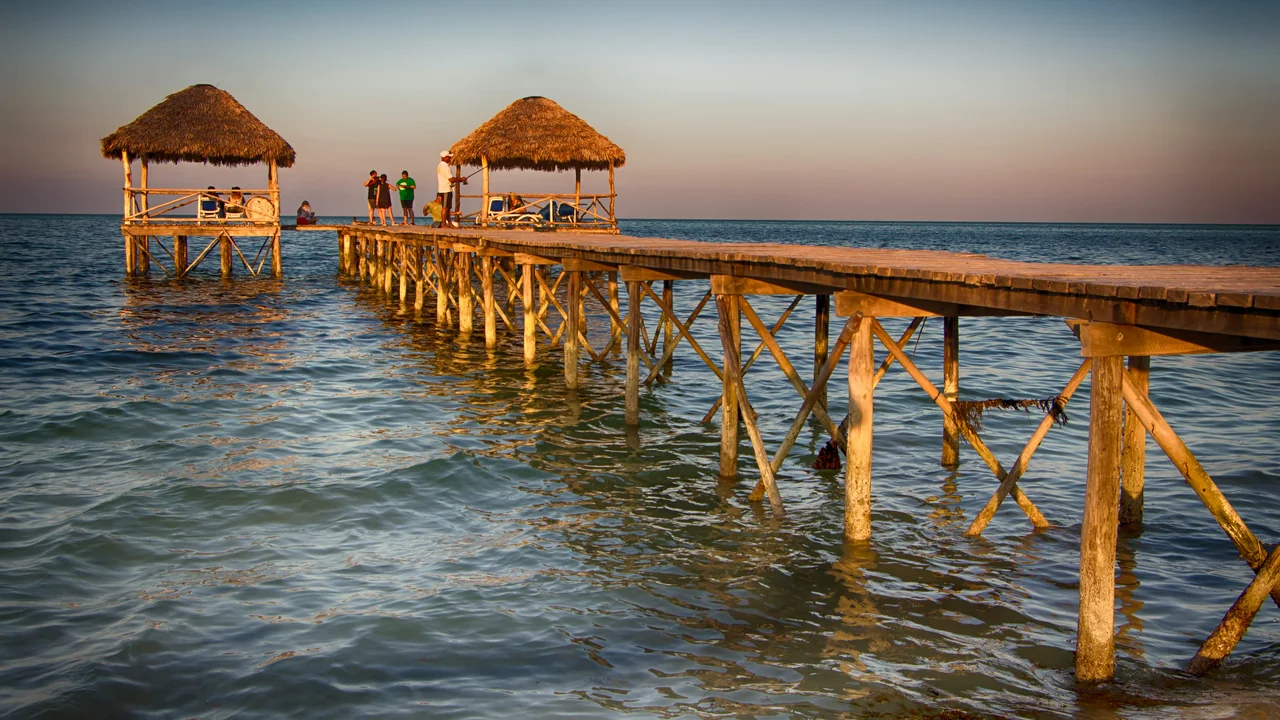
If you own waterfront property in California and want to build a boat dock, you almost certainly need a permit. The state has some of the most complex multi-agency waterfront regulations in the country. A boat dock permit California process can involve the California Coastal Commission for oceanfront properties, the California Department of Fish and Wildlife (CDFW) for inland lakes, and local county or city planning departments. This guide breaks down exactly which agency you need to contact, how much it costs, and how long the entire permitting timeline takes so you can plan your dock project without surprises.
California does not have a single “dock permit” — instead, you will navigate a layered system of federal, state, and local approvals. Whether you are building on the Pacific coast, Lake Tahoe, the Sacramento-San Joaquin Delta, or a reservoir in the Sierra Nevada, the rules change dramatically. This guide covers all major scenarios, from Coastal Development Permits to CDFW Lake and Streambed Alteration Agreements, so you can identify your specific path forward.
Which Agency Issues a Boat Dock Permit in California?
The answer depends entirely on your location. California splits jurisdiction among several authorities based on whether your property is on the coast, an inland lake, a river, or a federally managed reservoir. You may need permits from multiple agencies simultaneously.
| Location Type | Primary Agency | Typical Permit Name |
|---|---|---|
| Pacific Ocean / Coastal zone | California Coastal Commission (via local Coastal Program) | Coastal Development Permit (CDP) |
| Inland lakes and streams | California Department of Fish and Wildlife (CDFW) | Lake and Streambed Alteration Agreement (LSA) |
| Sacramento-San Joaquin Delta | California State Lands Commission | Encroachment Permit / Lease |
| Lake Tahoe Basin | Tahoe Regional Planning Agency (TRPA) | TRPA Shorezone Permit |
| Federal reservoirs (e.g., Shasta, Oroville) | US Army Corps of Engineers (USACE) + Bureau of Reclamation | Section 404 Permit / Land Use Authorization |
| All navigable waters | US Army Corps of Engineers (USACE) | Section 10 / 404 Permit |
California Coastal Commission Dock Permits for Oceanfront Properties
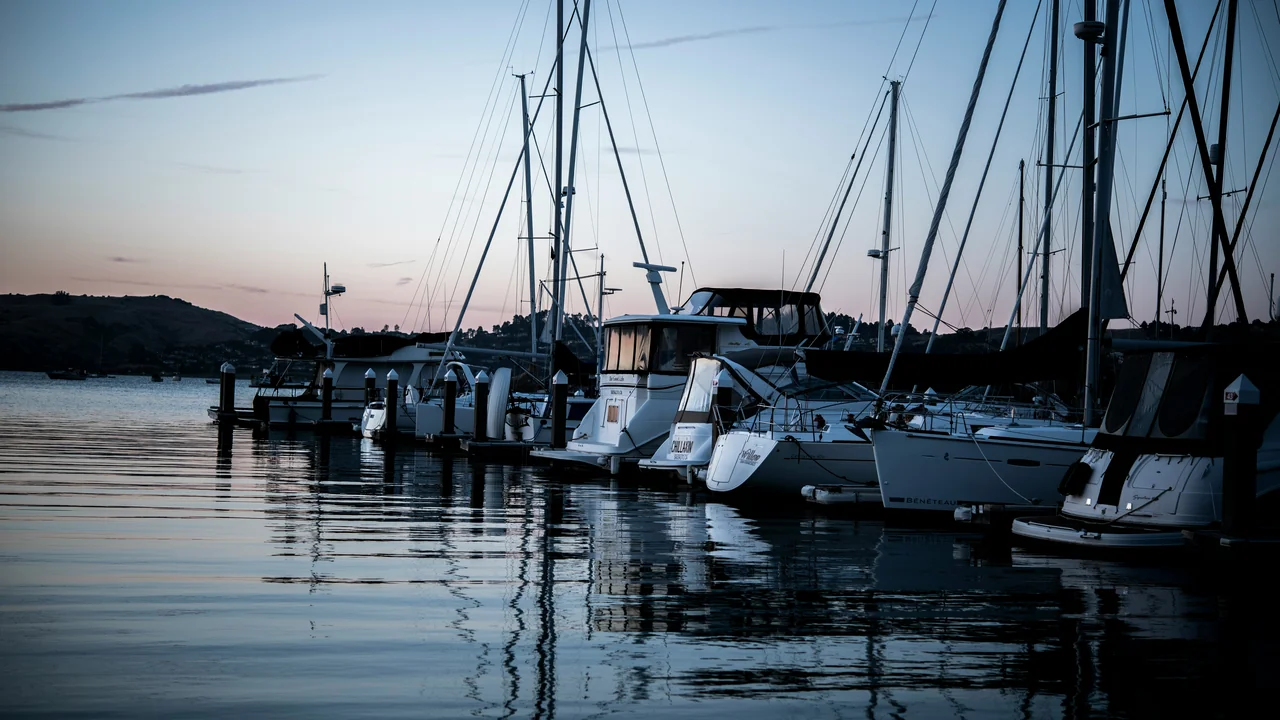
If your property lies within the California Coastal Zone (typically the first 1,000 yards inland from the ocean), the California Coastal Commission regulates all dock construction. You will need a Coastal Development Permit (CDP) before breaking ground.
Coastal Development Permit (CDP) Requirements
The CDP process evaluates your dock’s impact on public access, coastal views, marine habitat, and shoreline erosion. Most coastal counties (e.g., San Diego, Orange, Los Angeles, Santa Cruz) have a Local Coastal Program (LCP) that allows them to issue CDPs directly — but the Coastal Commission retains appeal authority.
Application requirements for a CDP typically include:
- Site plan showing dock dimensions, materials, and location relative to mean high tide
- Biological survey documenting eelgrass, kelp, and marine species presence
- Public access analysis demonstrating no obstruction of shoreline access
- Visual impact assessment with photo simulations
- Sediment transport and erosion control plan
CDFW Dock Permit for California Lakes and Streams
For inland lakes — including popular destinations like Lake Arrowhead, Big Bear Lake, and Clear Lake — the California Department of Fish and Wildlife (CDFW) is your primary state regulator. You will need a Lake and Streambed Alteration Agreement (LSA) under Fish and Game Code Section 1602.
When Does CDFW Require a Permit?
CDFW requires an LSA for any activity that will substantially divert or obstruct the natural flow of a lake, stream, or river. A fixed pier, floating dock, or boat lift that extends into the water almost always triggers this requirement. Even a small seasonal dock may need an LSA if it disturbs the lakebed or riparian vegetation.
The LSA application process includes:
- Project description with dock size, materials, and anchoring method
- Site map showing the Ordinary High Water Mark (OHWM)
- Biological assessment for fish spawning habitat and sensitive species
- Mitigation plan if habitat impacts are unavoidable
Contact your local CDFW regional office to discuss your project and determine if an LSA is needed. This is free and can save months of wasted effort.
File the application with CDFW along with the $1,000 base fee. Attach all required studies and site plans.
CDFW has 60 days to review and either approve, modify, or deny the agreement. If your project has significant impacts, expect requests for additional information.
Once approved, you receive a signed LSA Certificate. This is valid for 5 years and is transferable with property sale.
California State Lands Commission: Delta Region Docks
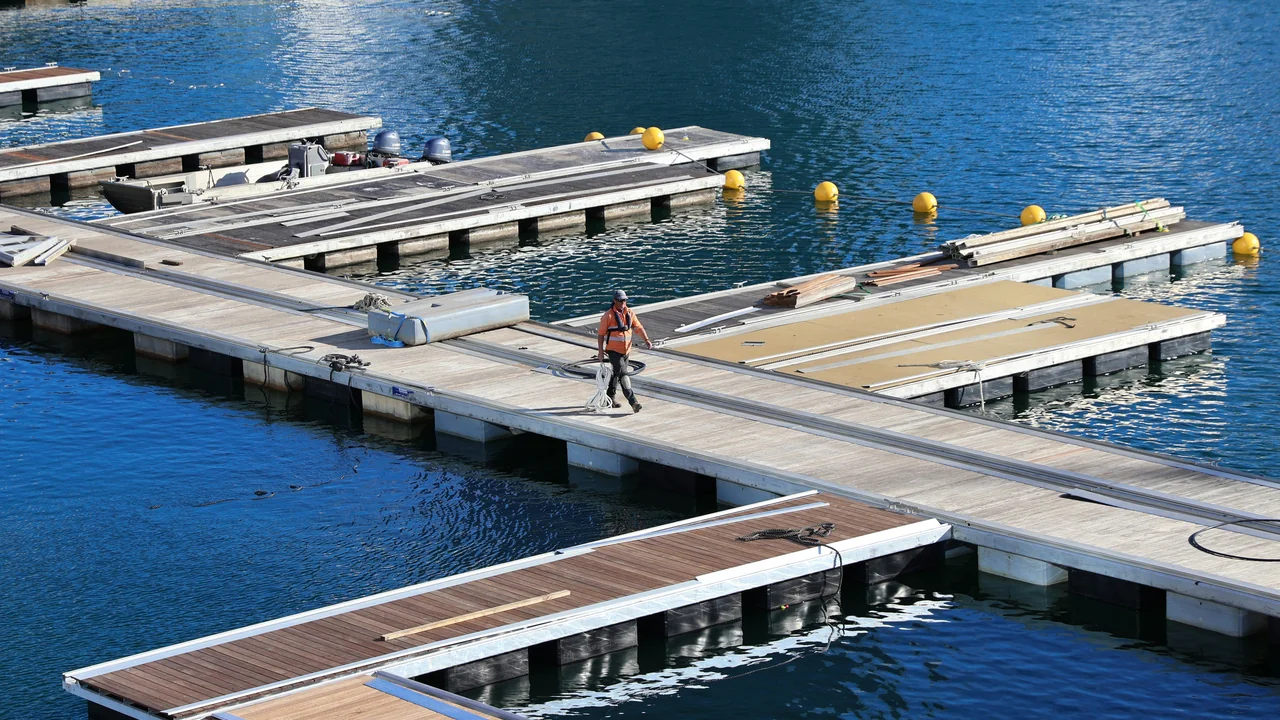
The Sacramento-San Joaquin Delta is unique. Because the Delta consists of waterways that are sovereign lands of the state, the California State Lands Commission (SLC) regulates all dock construction. This applies whether you are on a channel, slough, or levee-front property within the legal Delta boundary.
You will need an Encroachment Permit from SLC for any permanent structure extending into or over sovereign lands. For larger docks, SLC may require a land lease instead of a permit. The SLC also requires environmental review under CEQA before issuing any authorization.
Lake Tahoe: TRPA Shorezone Permit Requirements
Lake Tahoe has its own regulatory body — the Tahoe Regional Planning Agency (TRPA) — which enforces some of the strictest dock rules in the country. The Lake Tahoe Shorezone Plan, adopted in 2018, limits new dock construction and imposes strict design standards.
TRPA Dock Permit Rules
New docks on Lake Tahoe are generally prohibited unless you are replacing an existing dock or building a community shared dock. If you qualify, your dock must meet these requirements:
- Maximum width: 4 feet for walkways, 8 feet for pier heads
- Maximum length: determined by water depth at the property line (typically 40–60 feet)
- No solid decking — must use grating or slats to allow light penetration
- No covered slips or boathouses
- Must use helical anchors or non-buoyant piles (no concrete blocks or tires)
TRPA application fees start at $2,500 for a standard residential dock. Processing time is 4–8 months, including public noticing and a TRPA Governing Board hearing for any project with discretionary approval.
Environmental Review Under CEQA for Dock Permits
Nearly every dock permit in California triggers review under the California Environmental Quality Act (CEQA). The lead agency (Coastal Commission, CDFW, SLC, or local county) must evaluate your project’s environmental impacts before issuing a permit.
Most small residential docks qualify for a Categorical Exemption under CEQA — the simplest level of review. However, if your dock is large (over 1,000 square feet), located in sensitive habitat, or requires dredging, you may need a Negative Declaration or even a full Environmental Impact Report (EIR).
How Much Does a Boat Dock Permit in California Cost?
Total costs vary widely based on location, dock size, and the number of agencies involved. Below is a realistic range for a typical residential dock permit in California.
| Permit / Fee Type | Estimated Cost |
|---|---|
| Local County Building Permit | $500–$2,000 |
| CDFW LSA Application Fee | $1,000 (base) + $500–$2,000 for studies |
| Coastal Development Permit (CDP) | $3,000–$8,000 |
| USACE Section 10/404 Permit | $100 (Nationwide Permit) – $10,000 (Individual Permit) |
| TRPA Shorezone Permit | $2,500–$5,000 |
| State Lands Commission Encroachment Permit | $500–$5,000 |
| CEQA Review (Categorical Exemption) | $0–$500 (administrative fee) |
| Biological Surveys and Reports | $2,000–$15,000 |
| Total Estimated Permit Cost (typical residential) | $5,000–$20,000 |
How Long Does the California Dock Permit Process Take?
Timeline is the most common frustration for California property owners. The multi-agency process is sequential — you cannot start construction until every permit is issued. Expect the following timelines:
| Scenario | Typical Timeline |
|---|---|
| Simple inland lake dock (CDFW + local county only) | 3–6 months |
| Coastal dock with CDP (no EIR) | 6–12 months |
| Lake Tahoe dock (TRPA) | 6–10 months |
| Delta dock (SLC + CDFW + local) | 6–12 months |
| Any project requiring a full CEQA EIR | 12–24 months |
Local County and City Dock Regulations in California
Beyond state and federal agencies, your local county or city planning department will have its own dock regulations. These typically cover building standards, setbacks, and zoning compliance. You must obtain a local Building Permit before construction begins.
Common local requirements include:
- Setback from property lines (typically 5–10 feet)
- Maximum dock height above water (usually 4–6 feet)
- Lighting restrictions (no glare on neighbors)
- Compliance with local floodplain ordinances
- Septic system and well setback verification
Contact your county planning department early. Some counties, like El Dorado (Lake Tahoe area) and Placer, have their own dock ordinances that are stricter than state requirements.
Federal Permits: US Army Corps of Engineers
Regardless of state and local permits, you may need a USACE Section 10 Permit (for navigable waters) or Section 404 Permit (for dredge or fill activities). The USACE regulates all structures in waters of the United States, which includes most California lakes, rivers, and coastal waters.
For small residential docks with minimal water disturbance, you may qualify for a Nationwide Permit (NWP 13 for bank stabilization or NWP 3 for maintenance). These are faster and cheaper than Individual Permits. However, if your dock requires dredging or impacts wetlands, you will need an Individual Permit with public notice.
Boat Lift and Jet Ski Dock Permits in California
If your dock includes a boat lift, PWC lift, or jet ski dock, you may need additional permits. The California Coastal Commission and CDFW treat lifts as structures that alter the waterbody. In many cases, a boat lift is included in your dock permit application — but you must specifically request it.
For detailed guidance on lift-specific requirements, see our guide on Boat Lift Permit Requirements: Do You Need a Separate Permit? (2026). For jet ski docks, refer to Jet Ski Dock and PWC Lift Permit Requirements (2026 Guide).
Summary: Your Action Plan for a California Dock Permit
Navigating the boat dock permit California process requires patience and organization. Start by identifying your property’s jurisdiction — coastal, inland lake, Delta, Lake Tahoe, or federal reservoir. Then contact the primary agency for a pre-application meeting. Simultaneously, check with your local county planning department for building permit requirements.
For a broader overview of the permitting process across multiple states, read our Boat Dock Permit Guide. If you are comparing California to other states, you may find our guides for Boat Dock Permit in Wisconsin: Complete 2026 Guide or Boat Dock Permit in Virginia: Complete 2026 Guide useful.
Your first call should be to the California Coastal Commission (if coastal) or your local CDFW regional office (if inland). They will direct you to the correct application forms and tell you what studies you need. Budget $5,000–$20,000 for permits and studies, and plan for a 6–12 month timeline. With proper preparation, you can build your dock legally and avoid costly enforcement actions.
Frequently Asked Questions
Do I need a permit for a dock in California?
Yes, almost certainly. California requires permits from multiple agencies for any dock that extends into a waterway. For oceanfront properties, you need a Coastal Development Permit from the California Coastal Commission. For inland lakes and streams, you need a Lake and Streambed Alteration Agreement from CDFW. Additionally, you will need a local building permit from your county, and potentially a USACE permit if the waterway is navigable. Building without permits can result in fines up to $25,000 per day and mandatory removal of the structure.
What is a Coastal Development Permit?
A Coastal Development Permit (CDP) is the primary permit required for any development — including docks — within the California Coastal Zone. It is issued by either the California Coastal Commission or a certified Local Coastal Program (LCP) in your county. The CDP evaluates your dock’s impact on public access, coastal views, marine habitat, and erosion. Application fees range from $3,000 to $8,000, and processing typically takes 6 to 12 months. You must submit a site plan, biological survey, and visual impact assessment as part of the application.
Who regulates docks on California lakes?
Docks on California lakes are primarily regulated by the California Department of Fish and Wildlife (CDFW) through a Lake and Streambed Alteration Agreement (LSA). For Lake Tahoe, the Tahoe Regional Planning Agency (TRPA) has exclusive jurisdiction. For federal reservoirs like Shasta or Oroville, the US Army Corps of Engineers and Bureau of Reclamation are the lead agencies. Additionally, your local county planning department will require a building permit. Always check with CDFW first for inland lakes — they will tell you which other agencies are involved.
How much does a California dock permit cost?
Total permit costs for a residential dock in California typically range from $5,000 to $20,000. This includes application fees for state agencies like CDFW ($1,000 base), the Coastal Commission ($3,000–$8,000), or TRPA ($2,500–$5,000), plus local county building permit fees ($500–$2,000). You should also budget $2,000–$15,000 for biological surveys and environmental reports. These costs do not include dock construction, which runs $15,000–$40,000 for a typical 40–60 foot dock. The total project cost including permits and construction is often $25,000–$60,000.
Last updated: July 16, 2026
- California Coastal Commission – Coastal Development Permit Program
- California Department of Fish and Wildlife – Lake and Streambed Alteration Program
- California State Lands Commission – Encroachment Permits
- Tahoe Regional Planning Agency – Shorezone Plan and Permits
- US Army Corps of Engineers Sacramento District – Regulatory Program
- California Environmental Quality Act (CEQA) Guidelines

Dock Permit Guide
DockPermitGuide editor covering boat dock and pier permit requirements, costs, and regulations across the United States, Canada & Australia.