
Canal Dock Permit: Rules for Canal-Front Homes (2026 Guide)
 11 min read
2,139 words
11 min read
2,139 words

The single most critical factor in obtaining a canal dock permit is determining who owns the canal bed and water rights. Unlike natural lakes where the state or federal government typically manages the waterbody, canals are man-made and their ownership varies dramatically by community and location. This ownership dictates which permits you need and what restrictions apply.
City-Owned Canals
Many canals, especially those in older waterfront communities in Florida and Texas, are owned by the city or county. In this scenario, the canal is considered a public waterway, and your dock permit application will go through the local municipal planning or public works department. You will still need state and federal permits if the canal connects to a navigable waterway, but the city will enforce its own setback and size limits. For example, in Cape Coral, Florida, the city owns the canal system, and homeowners must apply for a Right-of-Way Use Permit alongside their state permits.
HOA- or Special District-Owned Canals
In many newer canal communities, the canal system is owned and maintained by a Homeowners Association (HOA) or a special improvement district. This is extremely common in Arizona canal communities like those along the Salt River Project canals, and in private gated waterfront communities along the Texas Gulf Coast. Here, the HOA or district has the final say on what you can build. They may have stricter rules than the state, such as banning certain dock materials or limiting the number of boat lifts. You must get written approval from the HOA before you apply for any government permit.
Navigation Clearance Rules: Keeping the Channel Open
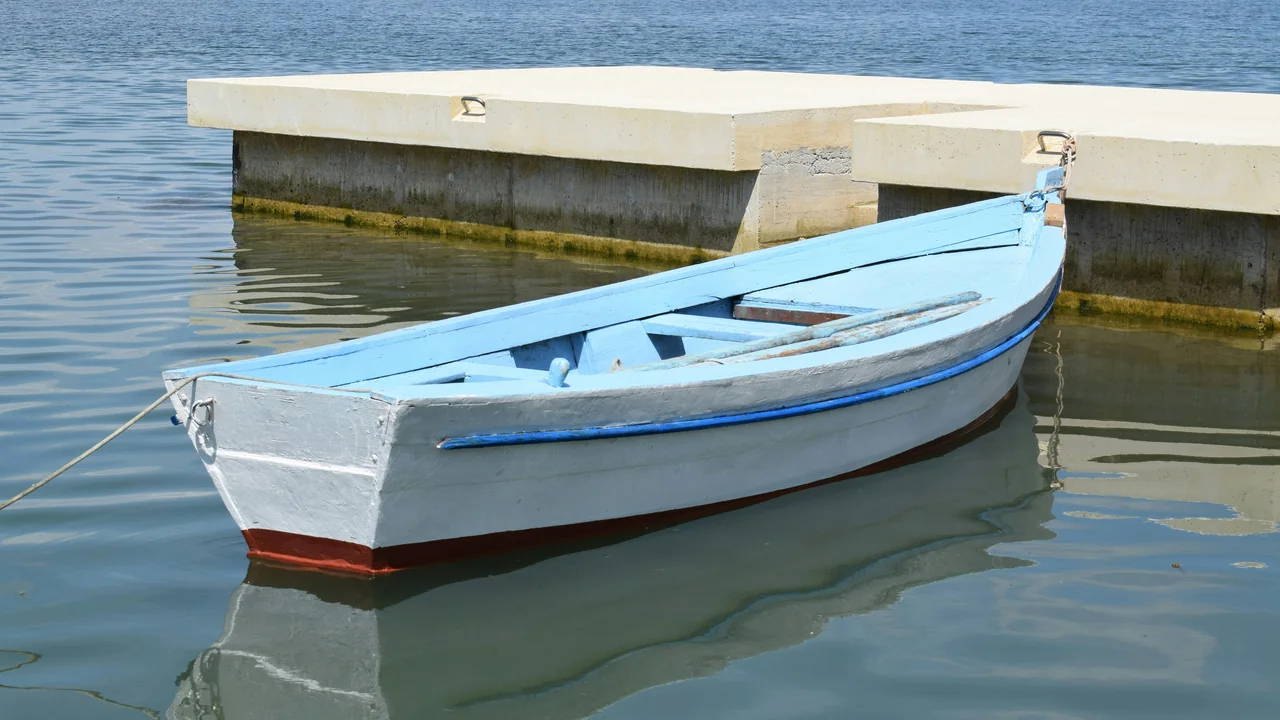
The defining constraint of any canal dock permit is navigation clearance. Canals are narrow, often only 40 to 100 feet wide, and they serve as the only access route for boats to reach open water. Regulators prioritize keeping the channel clear for all users. This means your dock cannot extend into the designated navigable channel, regardless of how deep your own property water is.
Navigable Channel vs. Your Property Line
Most canal communities have a defined navigable channel, which is typically the center 30 to 50 feet of the canal. Your dock must stop well short of this channel. For example, on a 60-foot-wide canal, you might only be allowed to extend your dock 15 to 20 feet from the seawall. This is often far less than the maximum length allowed on a lake. You must obtain a navigation clearance letter from the local authority or the U.S. Coast Guard if the canal is part of a federally navigable waterway.
Seawall-Mounted vs. Piling Docks for Canal Properties
When planning a residential canal dock, you will typically choose between a seawall-mounted dock or a piling-supported dock. The choice is not just about cost; it is heavily regulated based on the canal’s depth, bottom composition, and environmental sensitivity.
Seawall-Mounted Docks
Seawall-mounted docks are the most common choice for canal homes. They attach directly to the existing seawall, which acts as the shoreline. These are generally faster to permit because they do not disturb the canal bottom. However, they require a stable, well-maintained seawall. If your seawall is failing, you may need to repair it before the permit is issued. The permit application for a seawall-mounted dock will focus on the dock’s width, length, and the type of decking material.
Piling Docks
Piling docks are used when you need to extend further out to reach deeper water or when a seawall is not present. These require driving piles into the canal bottom, which triggers more stringent environmental reviews. You will likely need a dredging and filling permit from the U.S. Army Corps of Engineers (USACE) if the piling installation disturbs the bottom. In many canals, piling docks are restricted because they can obstruct water flow and create hazards for navigation.
Seawall-Mounted Dock Pros
- Faster permit process (30–60 days)
- Lower cost (typically $3,000–$8,000)
- Minimal bottom disturbance
- Easier to meet setback requirements
Piling Dock Cons
- Longer permit timeline (60–120 days)
- Higher cost ($10,000–$25,000+)
- Requires USACE review
- May be banned in narrow canals
Setback Requirements from Neighbors on Narrow Canals
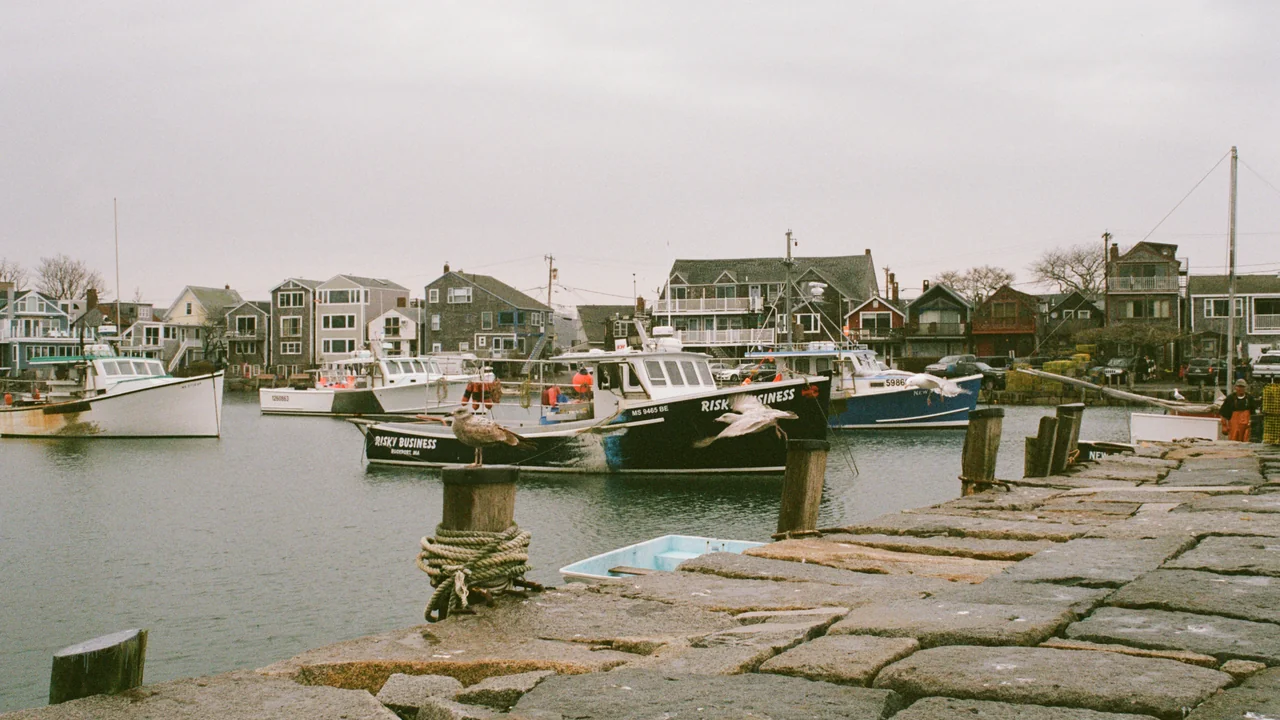
Setback requirements on canals are often stricter than on lakes because of the proximity of neighboring properties. The goal is to prevent docks from overlapping or blocking each other’s water access. A typical canal setback is 5 to 10 feet from the side property line extended into the water. However, some HOA covenants require a 15-foot setback.
How Setbacks Are Measured
The setback is measured from the property line at the seawall, extending perpendicularly into the canal. Your dock must be entirely within your property’s water column. If you have a narrow lot, say 40 feet wide, and a 10-foot setback on each side, your dock can only be 20 feet wide. This is a common mistake: homeowners design a dock that fits their boat but violates the side setback, forcing a redesign.
Boat Size Limits on Canal Docks
Your canal dock permit will specify the maximum boat length and beam (width) that can be moored at your dock. This is not just a suggestion; it is a regulatory requirement enforced by the local authority or HOA. Overly large boats create navigation hazards and block the view of other canal-front homeowners.
Typical Boat Size Restrictions
In most residential canals, the maximum boat length is 20 to 26 feet. Some canals restrict boats to 18 feet or less, especially in very narrow channels. The boat must be able to be moored parallel to the dock without extending into the navigable channel. If your dock is only 20 feet long, you cannot moor a 30-foot boat. Some communities also restrict boat horsepower or engine type (e.g., no outboard motors) to reduce noise and wake damage to seawalls.
| Canal Type | Max Boat Length | Max Beam (Width) | Engine Restrictions |
|---|---|---|---|
| Narrow residential (40–60 ft wide) | 20 ft | 8 ft | Outboard motors prohibited |
| Mid-size community canal (60–80 ft wide) | 24 ft | 8.5 ft | No restriction |
| Wide navigable canal (80+ ft wide) | 26 ft | 9.5 ft | No restriction |
Permit Process by Canal Owner Type
The approval process for a canal dock permit varies significantly based on who owns the canal. Below is a step-by-step outline for the three most common ownership scenarios.
Identify the Canal Owner
Check your property deed, HOA documents, and local tax records to confirm whether the canal is owned by the city, an HOA, or a special district. This determines the first agency you contact.
Obtain HOA or District Approval
If the canal is HOA-owned, submit your dock plans to the architectural review committee. This step often requires a site plan, elevation drawings, and a list of materials. Expect a 2–4 week review.
Apply for Local Municipal Permit
For city-owned canals, submit a Right-of-Way Use Permit or a Canal Use Permit to the city planning department. Fees range from $100 to $500. This step includes a navigation clearance review.
Submit State and Federal Applications
If your canal connects to a state or federally navigable waterway, you must apply for a USACE Section 10 permit and a state water quality certification. This is the longest step, taking 30–90 days.
Final Inspection and Construction
Once all permits are issued, you can build. A final inspection by the local authority is often required to verify the dock matches the approved plans.
Dredging Considerations for Canal Docks
Dredging is a separate and often more complex process than dock permitting. Many canal homeowners assume they can dredge the area around their dock to accommodate a deeper boat. This is heavily regulated and often prohibited in residential canals because of the environmental impact and the risk of destabilizing the canal banks.
Dredging Permits
If you need to dredge to allow your boat to access the dock, you must obtain a separate dredging permit from the USACE and the state environmental agency. This requires a sediment analysis, a biological assessment, and a public notice period. The cost for a small residential dredging permit can range from $2,000 to $10,000, and the timeline is 6–12 months. Many HOAs outright ban dredging because it can alter water flow and cause erosion on neighboring properties.
Summary: Your Action Plan for a Canal Dock Permit
Securing a canal dock permit requires a methodical approach that starts with identifying the canal owner and understanding the unique constraints of narrow waterways. Begin by reviewing your HOA covenants or city codes to determine setback, boat size, and navigation clearance rules. Then, contact the local permitting authority—whether that is the city planning department or the HOA architectural committee—to get preliminary approval for your dock design. Use the Boat Dock Permit Guide to understand the state and federal permits that may apply if your canal connects to a navigable waterway. Do not skip the navigation clearance review, as this is the most common reason for permit denial in canal communities. By following this order—ownership first, then local rules, then state/federal—you can avoid costly redesigns and delays.
Frequently Asked Questions
Do I need a permit for a dock on a canal?
Yes, a permit is almost always required for a dock on a canal. You will likely need approvals from multiple authorities, including the local city or county, the HOA or special district that owns the canal, and potentially the U.S. Army Corps of Engineers if the canal connects to a navigable waterway. The exact permits depend on the canal ownership and whether your dock extends into the waterway or requires piling installation. Failing to obtain these permits can result in fines, removal orders, and legal disputes with your HOA.
How far can my dock extend into a canal?
The maximum extension of your dock into a canal is determined by the navigable channel clearance requirement. On a typical 60-foot-wide canal, your dock can usually extend 15 to 20 feet from the seawall, but this varies by community. The key rule is that your dock must not encroach into the designated navigable channel, which is often the center 30 to 50 feet of the waterway. You must also respect side setbacks from your property line, which are usually 5 to 10 feet. Always verify the exact dimensions with your local permitting authority or HOA before designing your dock.
Who owns residential canals?
Residential canal ownership falls into three main categories: city or municipal ownership, Homeowners Association (HOA) ownership, and special district ownership. City-owned canals are common in older communities like Cape Coral, Florida, where the city manages the waterway as a public right-of-way. HOA-owned canals are typical in private gated communities, where the association sets its own dock rules. Special districts, such as the Salt River Project in Arizona, own canals for water delivery and recreation. Your property deed and HOA covenants will specify the ownership type, which determines the first permitting authority you must contact.
Can I moor a large boat on a canal dock?
Most residential canals have strict boat size limits, typically restricting boats to 20 to 26 feet in length and 8 to 9.5 feet in beam. Large boats over 26 feet are generally prohibited because they create navigation hazards, block views, and cause excessive wake that damages seawalls. Your canal dock permit will specify the maximum vessel dimensions allowed at your dock. You must ensure your boat can be moored parallel to the dock without extending into the navigable channel. Some communities also restrict engine types, such as banning outboard motors, to reduce noise and erosion.
Last updated: July 02, 2026
- U.S. Army Corps of Engineers (USACE) Regulatory Program
- City of Cape Coral, Florida – Canal Use Permit Requirements
- Salt River Project – Canal Use and Dock Permitting Guidelines

Dock Permit Guide
DockPermitGuide editor covering boat dock and pier permit requirements, costs, and regulations across the United States, Canada & Australia.