
Reservoir Dock Permit: Utility & Army Corps Rules Explained (2026)
 12 min read
2,334 words
12 min read
2,334 words

If your property is on a man-made lake, you likely need a reservoir dock permit, and the issuing authority is almost never the state Department of Natural Resources. Unlike natural lakes, reservoirs are controlled by an operating entity — typically the U.S. Army Corps of Engineers or a utility company like Duke Energy or American Electric Power. This guide explains exactly which agency issues your permit, what a Shoreline Management Plan requires, and how fluctuating water levels impact your dock design. You’ll learn the specific permitting process for Corps and utility reservoirs, including costs, timelines, and design restrictions that differ significantly from natural lake rules.
Which Entity Issues a Reservoir Dock Permit?
This is the most critical distinction for any waterfront property owner. On a reservoir, the landowner does not own the land beneath the water. That land belongs to the operating entity — either a federal agency (USACE) or a private utility. Therefore, you are applying for a license or permit to use their land for a dock, not a standard building permit.
The permit authority depends entirely on who built and operates the dam. For flood control and hydropower reservoirs built by the federal government, the U.S. Army Corps of Engineers (USACE) issues the permit. For reservoirs created by a power company for hydroelectric generation, the utility company itself controls the permitting. In either case, the state DNR may have a secondary role, but the primary approval comes from the reservoir operator.
Before you spend any money on dock plans, you must determine who controls the lake. A quick search of your county property records or a call to the local USACE district office will give you the answer.
Army Corps Reservoir Dock Permitting
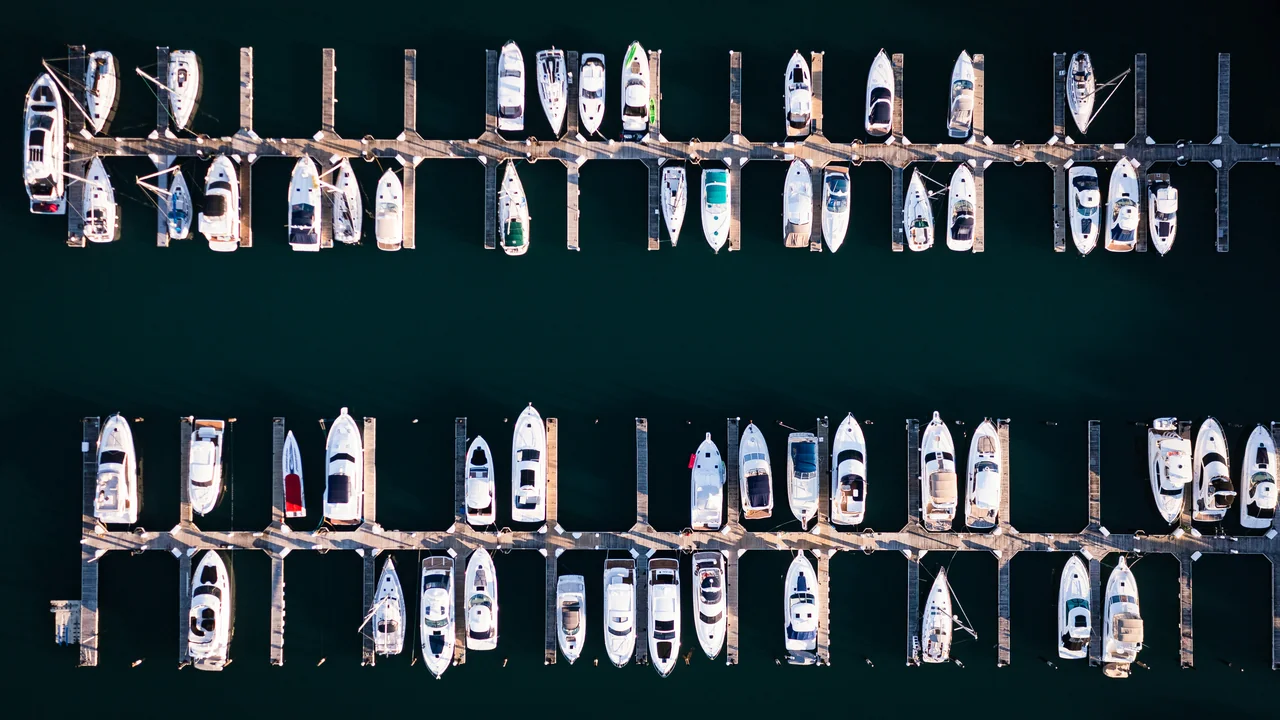
The U.S. Army Corps of Engineers manages over 700 reservoir projects across the country. If your lake is named after a dam (e.g., Lake Lanier, Lake Hartwell, Table Rock Lake), it is almost certainly a Corps reservoir. The permitting process is uniform under federal regulations but is administered by local district offices.
USACE Shoreline Management Plans
Every Corps reservoir operates under a Shoreline Management Plan (SMP). This document divides the shoreline into zones — such as “Limited Development” and “Public Recreation” — and dictates what private structures, including docks, are allowed. The SMP specifies the maximum dock size, materials, and setback distances from property lines and navigation channels.
To obtain a reservoir dock permit from the Corps, you must submit a Joint Application for Permit (Engineer Form 4345). This form is processed by the local USACE Regulatory Division. The review includes a public interest evaluation, environmental assessment, and navigation safety check.
Cost and Timeline for USACE Permits
| Item | Details |
|---|---|
| Application Fee | $0 (no fee for individual permits under Section 10 of the Rivers and Harbors Act) |
| Annual Lease Fee | $100–$500 per year, depending on dock size and reservoir |
| Processing Time | 60–120 days for standard review; 30 days for minor modifications |
| Inspections | Required every 5 years; non-compliance can result in removal |
Utility Company Dock Permit: Duke Energy, AEP, and Ameren Reservoirs
Many of the most popular recreational lakes in the eastern United States are owned by private utility companies. Lake Norman (NC) is owned by Duke Energy. Smith Mountain Lake (VA) is owned by American Electric Power (AEP). Lake of the Ozarks (MO) is owned by Ameren Missouri. On these lakes, you apply directly to the utility for a dock permit.
Duke Energy Reservoirs (Lake Norman, Lake Wylie, Lake Murray)
Duke Energy issues a “Lake Use Permit” for docks, boat ramps, and other shoreline structures. The permit is tied to your property deed and cannot be transferred independently. Duke requires a detailed site plan showing dock dimensions, water depth at the end of the dock, and compliance with their Shoreline Management Guidelines.
Key restrictions on Duke reservoirs include a maximum dock coverage of 600 square feet, a 10-foot setback from property lines, and prohibition of covered slips on certain lakes. Floating docks are generally allowed, but must be anchored to prevent drift during water level changes.
American Electric Power (Smith Mountain Lake, Claytor Lake)
AEP’s permitting process is similar to Duke’s but includes a mandatory pre-construction inspection. You must submit an application, pay a fee (typically $150–$300), and receive written approval before purchasing materials. AEP enforces strict water depth requirements — your dock must be in at least 4 feet of water at summer pool to prevent grounding during drawdowns.
Ameren Missouri (Lake of the Ozarks, Truman Lake)
Ameren operates under a Federally Licensed Shoreline Management Plan approved by the Federal Energy Regulatory Commission (FERC). This means their permit rules have federal oversight. Ameren charges an annual dock permit fee based on linear footage of the dock structure. As of 2026, the fee is approximately $8 per linear foot for residential docks.
How Water Level Fluctuation Impacts Your Dock Design
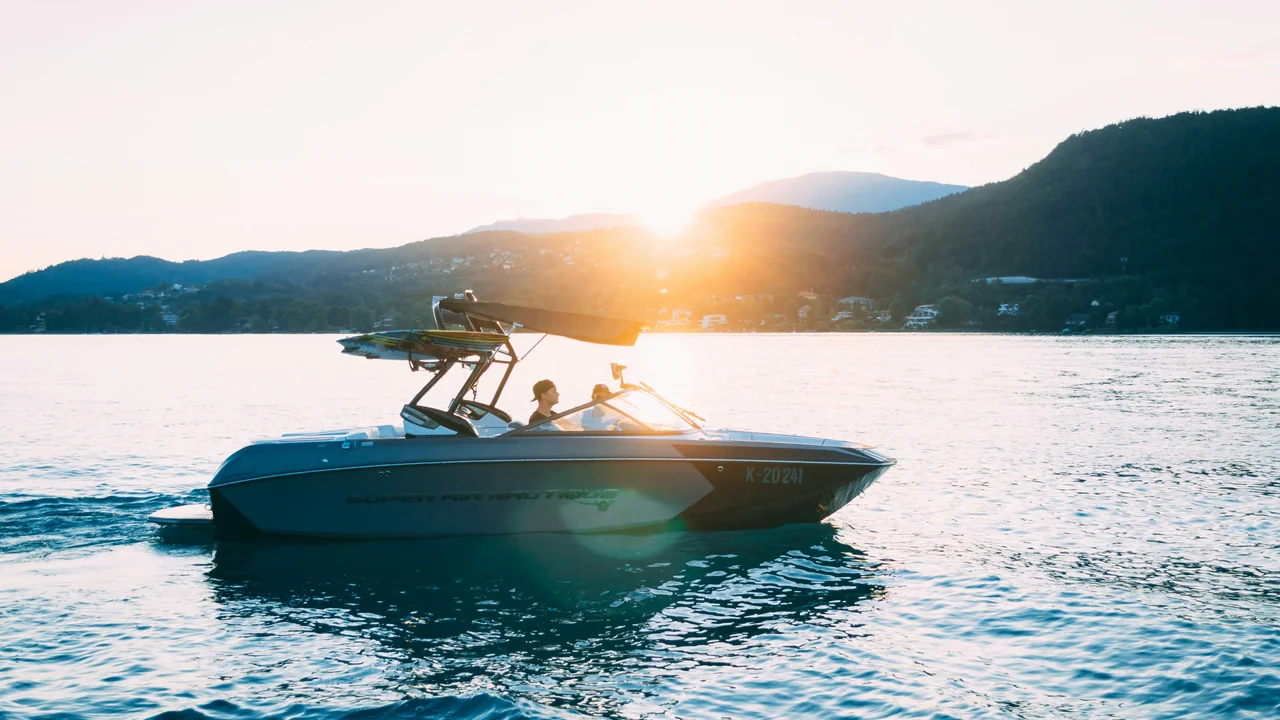
This is where reservoir docks differ most dramatically from natural lake docks. Reservoirs are operational tools — their water levels rise and fall based on power generation, flood control, and seasonal water supply. A dock built for a stable water level will fail on a reservoir.
On Corps reservoirs, the winter pool can be 10 to 30 feet lower than summer pool. On utility reservoirs, daily drawdowns of 2–4 feet are common during peak electricity demand. Your dock design must accommodate this movement.
Best for Fluctuating Water
- Floating docks with telescoping anchors
- Pole-mounted docks with adjustable collars
- Aluminum frames (rust-resistant, lightweight)
Do Not Use
- Fixed wooden piers without adjustable legs
- Docks anchored to concrete deadmen on shore
- Any structure that cannot pivot with water rise
When you apply for your reservoir dock permit, the operating entity will require you to specify the dock type and how it handles fluctuation. On Corps lakes, you may be required to install a “floating breakwater” to protect your dock from wave action during high water events.
The Permit Process Through the Operating Entity (Not State DNR)
This is the most common point of confusion. A homeowner on Lake Norman might call the North Carolina Wildlife Resources Commission and be told they need a Duke Energy permit. A homeowner on Lake Lanier might contact the Georgia DNR and be redirected to the USACE Mobile District. The state DNR may require a separate permit for aquatic vegetation removal or boat dock lighting, but the primary dock structure permit comes from the reservoir operator.
Step-by-Step Process for Any Reservoir Dock Permit
Identify the operating entity
Check your deed, call the county planning office, or search the USACE “Find a Project” database. Write down the exact agency name and local office.
Obtain the Shoreline Management Plan
Request the current SMP from the operator. This document contains all dimensional limits, material restrictions, and prohibited zones.
Hire a licensed surveyor
You need a property boundary survey that shows the ordinary high water mark and the proposed dock location. Most operators require this to be stamped by a professional land surveyor.
Submit the application
Complete the operator’s specific form. For USACE, use Form 4345. For utilities, use their online portal. Include your survey, dock plans, and proof of property ownership.
Wait for review and inspection
The operator will inspect the site, verify navigation safety, and check environmental impacts. Respond to any Request for Additional Information promptly.
Receive permit and pay fees
Once approved, pay any annual lease or permit fee. Keep the permit document on site during construction.
Shoreline Management Plans: The Rulebook for Your Dock
A Shoreline Management Plan (SMP) is the governing document for all private structures on a reservoir. It is not optional reading — it is the law for your dock. The SMP defines:
- Maximum dock dimensions (length, width, total square footage)
- Setback distances from property lines and navigation channels
- Permitted materials (e.g., treated wood, aluminum, composite decking)
- Prohibited structures (e.g., enclosed boathouses, permanent roofs)
- Environmental protection zones (no-dock buffers for wetlands and fish habitat)
- Annual inspection requirements
On Corps reservoirs, the SMP is updated every 5–10 years through a public comment process. On utility reservoirs, the SMP is part of the FERC license and must be approved by the federal government. Violating the SMP can result in fines, permit revocation, and forced dock removal at your expense.
Comparing Permit Requirements: Corps vs. Utility Reservoirs
| Factor | U.S. Army Corps of Engineers | Utility Company (Duke, AEP, Ameren) |
|---|---|---|
| Primary Permit Document | Engineer Form 4345 + Lease Agreement | Lake Use Permit or Dock License |
| Annual Fee | $100–$500 | $50–$600 (varies by utility and dock size) |
| Federal Oversight | Direct (USACE Regulatory Division) | Indirect (FERC license conditions) |
| Water Level Control | Flood control + hydropower | Hydropower generation (daily cycles) |
| Typical Drawdown | 10–30 feet seasonal | 2–6 feet daily |
| Dock Design Flexibility | Moderate (SMP zones restrict heavily) | Higher (but utility-specific rules apply) |
What This Means for Your Dock Project
If you are building a dock on a man-made lake, your first call should be to the reservoir operator, not the state. Understanding whether you are dealing with the USACE or a utility company determines your application form, fee structure, timeline, and design constraints. The reservoir dock permit process is more complex than a natural lake permit because you are building on land you do not own.
Before you purchase materials or hire a contractor, obtain the current Shoreline Management Plan and confirm your proposed dock meets all dimensional and material requirements. Pay particular attention to water level fluctuation — your dock must function at both summer pool and winter pool. A floating dock with adjustable anchoring is almost always the safest choice for a reservoir.
Summary: Your Action Plan for a Reservoir Dock Permit
Start by identifying the operating entity for your reservoir. Call the local USACE district office for Corps lakes, or the utility company’s shoreline management department for lakes like Norman, Smith Mountain, or Ozarks. Request the Shoreline Management Plan and confirm your property is in a zone that allows private docks. Hire a surveyor to mark your boundary and the ordinary high water mark. Submit the correct application form — Engineer Form 4345 for USACE, or the utility’s specific form. Design your dock for water level fluctuation, using floating or adjustable systems. Expect 30 to 120 days for processing, and budget for an annual lease fee. The most important step is getting the right permit from the right authority — skip this, and you risk having your dock removed at your own cost.
Frequently Asked Questions
Who controls dock permits on a reservoir?
Dock permits on a reservoir are controlled by the entity that built and operates the dam. For federal flood control and hydropower projects, that is the U.S. Army Corps of Engineers. For privately owned hydroelectric reservoirs, the utility company — such as Duke Energy, American Electric Power, or Ameren Missouri — issues the permit. The state Department of Natural Resources may have a secondary role for water quality or aquatic plant permits, but the primary dock structure permit comes from the reservoir operator.
Is a reservoir the same as a public lake for permits?
No, a reservoir is legally and operationally different from a natural public lake. While the public may have access for recreation, the land beneath the water is owned by the dam operator — the Corps or a utility company. This means you need a lease or license to build a dock, not just a building permit. Natural lakes typically have public ownership of the lakebed or riparian rights for adjacent landowners, which is not the case on a reservoir. The permitting process is therefore more restrictive and involves federal or corporate oversight.
Why do utility companies regulate docks?
Utility companies regulate docks because they own the land beneath the reservoir and operate the dam for hydroelectric power generation. Docks that are poorly designed or placed can interfere with navigation, damage power generation equipment, or create safety hazards during water level changes. Additionally, utility companies are required by their Federal Energy Regulatory Commission (FERC) licenses to manage shoreline development in a way that protects public safety, water quality, and recreational access. The Shoreline Management Plan is the tool they use to enforce these standards.
What is a Shoreline Management Plan?
A Shoreline Management Plan (SMP) is a regulatory document that governs all private uses of the shoreline on a reservoir. It divides the shoreline into zones — such as Limited Development, Public Recreation, and Environmentally Sensitive — and specifies what structures are allowed in each zone. The SMP includes maximum dock dimensions, setback requirements, permitted materials, and environmental protection rules. For Corps reservoirs, the SMP is updated every 5–10 years. For utility reservoirs, it is part of the FERC license and has the force of federal regulation. Every dock permit application must comply with the SMP.
Last updated: July 02, 2026
- U.S. Army Corps of Engineers Regulatory Program
- Duke Energy Shoreline Management Guidelines (2025)
- American Electric Power Shoreline Management Plan for Smith Mountain Lake
- Ameren Missouri Federally Licensed Shoreline Management Plan
- Federal Energy Regulatory Commission (FERC) License Conditions for Hydroelectric Projects

Dock Permit Guide
DockPermitGuide editor covering boat dock and pier permit requirements, costs, and regulations across the United States, Canada & Australia.