
Private Fishing Pier Permit: Rules for Residential Piers (2026)
 15 min read
2,951 words
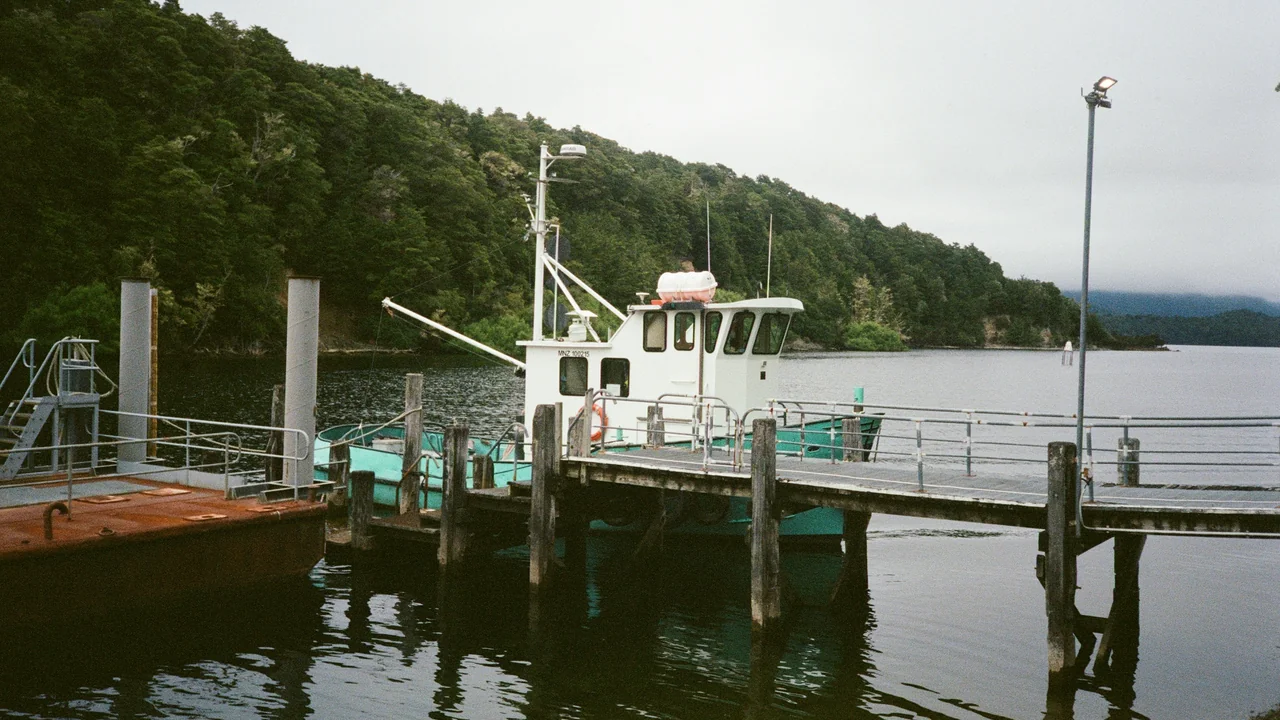
If you are building a residential pier solely for fishing, you typically need the same private fishing pier permit as a standard boat dock, but there are critical exceptions. In most U.S. states, a fishing pier and a boat dock fall under identical regulatory categories, requiring permits from the U.S. Army Corps of Engineers (USACE), your state’s Department of Natural Resources (DNR) or environmental agency, and your local county or municipality. However, fishing-only piers can sometimes qualify for longer lengths, reduced setbacks, or different railing requirements. This guide covers the specific rules, permit processes, and costs for a residential fishing pier in 2026, so you know exactly what to expect before you break ground.
Fishing Pier vs. Boat Dock: Do You Need a Separate Permit?
In nearly all states, a fishing pier and a boat dock are classified under the same permit category — typically called a “residential pier permit” or “private recreational dock permit.” The regulatory agencies treat both structures as water-dependent access features. You will not need a separate, specialized permit just because you plan to fish rather than moor a boat.
However, the design of your pier can influence permit conditions. A fishing pier that extends farther into deeper water, includes a wider platform for casting, or features a fish cleaning station may trigger additional review. Most state DNRs and local authorities evaluate the footprint (square footage), length, and environmental impact — not the intended use.
When Fishing Piers Get Different Treatment
Some states offer regulatory leniency for fishing-only piers. For example, in Wisconsin, a pier used exclusively for fishing may be exempt from certain dimensional limits if it does not include a boat slip or lift. The Boat Dock Permit in Wisconsin: Complete 2026 Guide explains that fishing piers can sometimes extend beyond standard length caps if they reach deeper water for better angling access.
Similarly, on Lake Norman in North Carolina, Duke Energy treats fishing piers differently from boat docks. A fishing-only pier may be allowed to extend further into the lake because it does not require the same width for boat maneuvering. Check the Lake Norman Dock Permit: Duke Energy Rules & How to Apply (2026) for specific dimensional exceptions.
Public Fishing Pier Exemptions and Grants
Public fishing piers built by government entities, homeowners’ associations, or non-profit organizations often follow a completely different permitting track. These structures are typically exempt from standard residential permit fees and may qualify for state or federal grants. For example, the Florida Fish and Wildlife Conservation Commission (FWC) offers the Public Fishing Pier Grant Program, which funds construction and renovation of public-access piers.
If you are part of a community group or HOA considering a shared fishing pier, you should contact your state’s DNR or coastal management office. Public piers usually require a joint permit from USACE and the state, but the process is streamlined compared to multiple individual residential permits. Additionally, public piers often face stricter safety regulations, including mandatory railings, non-slip surfaces, and Americans with Disabilities Act (ADA) accessibility.
Length Limits for Fishing Piers Extending to Deeper Water
One of the most common reasons homeowners build a fishing-only pier is to reach deeper water where fish are more active. However, length limits are strictly enforced by most state agencies and lake authorities. Standard residential pier length caps range from 40 feet to 150 feet, depending on the waterbody and jurisdiction.
| State / Authority | Standard Max Length | Fishing Pier Exception? |
|---|---|---|
| Texas (LCRA lakes) | 60 feet | No exception — length based on depth at end |
| North Carolina (Duke Energy lakes) | 40 feet | Yes — up to 60 feet if fishing-only, no boat slip |
| Wisconsin (statewide) | No fixed limit | Yes — fishing piers can extend to 4 ft water depth |
| Florida (statewide) | 500 sq ft platform | No exception — footprint, not length, is regulated |
| Michigan (Inland Lakes) | No fixed limit | Yes — fishing piers may extend to 6 ft water depth |
If your property has a shallow shoreline, you may need to request a variance or special exception to exceed the standard length. Some states, like Wisconsin, allow fishing piers to extend until they reach a minimum water depth (typically 3–6 feet), regardless of the distance from shore. This is a significant advantage for anglers who need access to deeper water.
How to Apply for a Length Variance
If your fishing pier needs to exceed the standard length limit, you must submit a variance request with your state DNR or local permitting authority. The process usually involves:
Explain why the extra length is necessary for fishing access (e.g., shallow shoreline, deep water only 80 feet out).
Include water depth measurements along the proposed pier route to prove deeper water is farther from shore.
Expect $100–$500 for the application, plus potential public notice costs if neighbors or lake users may object.
Processing time for variances is typically 4–12 weeks, longer than standard permits.
Railing and Safety Requirements for Fishing Piers
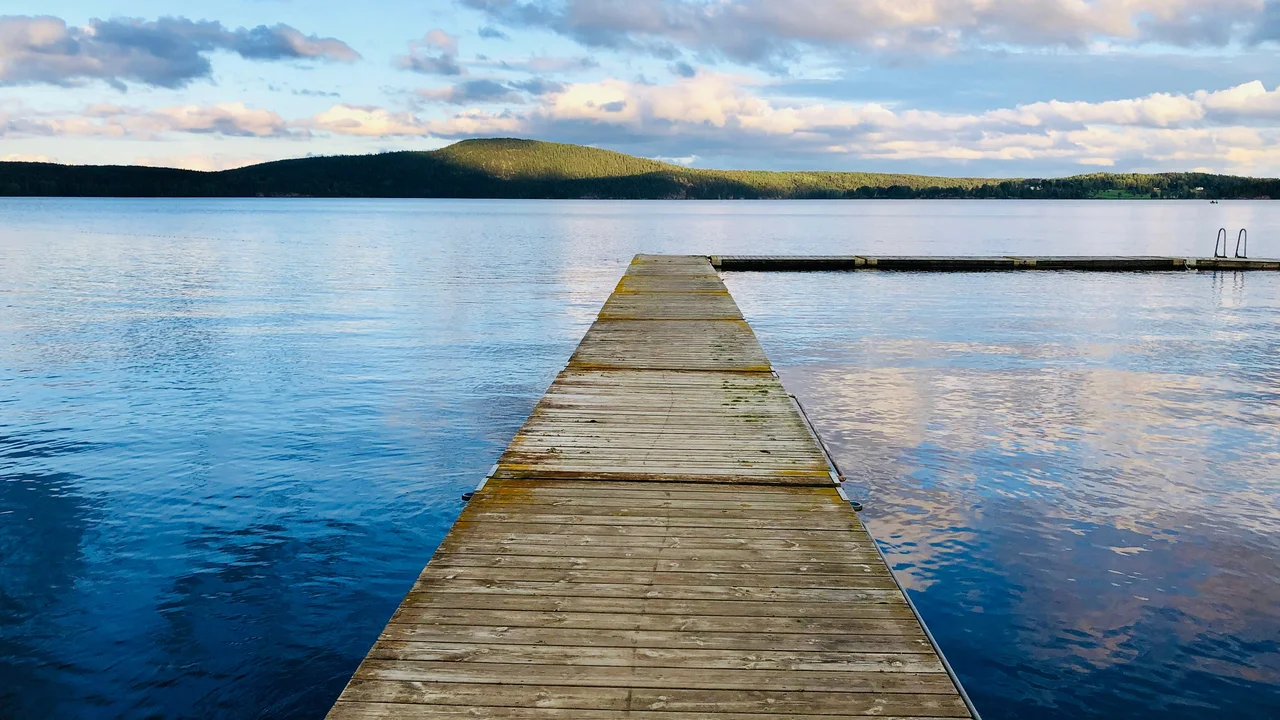
One of the biggest differences between a fishing pier and a standard boat dock is railing requirements. Boat docks typically have no railing or only partial railing to allow easy boat access. Fishing piers, especially those built for public use or with a wider platform, often require railings for safety.
Residential fishing piers are rarely required to have full railings unless they exceed a certain height above the water or are used by the public. Typical rules include:
- Railings required if the pier deck is more than 30 inches above the water at normal pool elevation.
- Railings required on any pier accessible to the public (even if on private property).
- No railing required on the first 10–20 feet of a private residential fishing pier (to avoid obstructing views).
- Handrails may be required on stairs or ramps leading to the pier.
Some states, like Florida, require guardrails on any pier over 4 feet wide that is used for fishing, regardless of height. Always check your local building code — the International Residential Code (IRC) often applies to residential piers, while the International Building Code (IBC) applies to public structures.
Pros of Adding Railings
- Increases safety for children and elderly anglers
- May reduce liability if you allow guests to fish
- Can double as rod holders or fish stringer attachments
Cons of Adding Railings
- Adds $500–$2,000 to construction cost
- Obstructs casting angles from the pier
- May violate local view corridor ordinances
For public fishing piers, the requirements are stricter. The Americans with Disabilities Act (ADA) often mandates railings on accessible piers, and many state agencies require them for safety on any pier open to the general public, regardless of width. If your pier is accessible to the public, budget for railing installation as part of your permit compliance.
Some lake-specific rules also apply. On Lake Norman in North Carolina, Duke Energy requires that all piers — including fishing piers — have a railing if the deck height exceeds 24 inches above the normal water level. This is a common standard you should verify with your local permitting authority.
Fish Cleaning Station Permits
If your fishing pier includes a built-in fish cleaning station — with a sink, running water, and a disposal system — you may need an additional permit. A fish cleaning station is considered a plumbing fixture or an accessory structure, depending on your jurisdiction. In most states, this requires a separate building permit from your local county or city.
Key considerations for a fish cleaning station permit:
- Plumbing permits are required if you connect to a municipal water supply or septic system.
- Graywater disposal (fish guts, scales, blood) must comply with local environmental regulations — dumping into the lake is illegal in all 50 states.
- Some lake authorities (like the LCRA in Texas) prohibit any fish cleaning stations on residential piers to prevent nutrient pollution.
- Portable, non-plumbed cleaning tables (using buckets for waste) are generally exempt from additional permits.
Adding a fish cleaning station to your fishing pier often triggers additional environmental review. A cleaning station with a sink that drains into the lake is almost never permitted. Most states require a closed-loop system or connection to a septic tank.
In Texas, the LCRA prohibits any wastewater discharge from a fish cleaning station into the lake. You must install a recirculating system that holds waste for proper disposal on land. The cost for a compliant cleaning station adds $500–$1,500 to your project, and you must submit plumbing plans with your permit application.
In Wisconsin, the DNR requires a separate Water Quality Permit for any fish cleaning station that uses running water. The processing time adds 4–6 weeks to your overall timeline. For a simpler option, consider a portable cleaning table with a bucket system — this typically does not require a separate permit.
Residential Pier Permit Application Process
Applying for a private fishing pier permit follows the same general steps as any residential dock permit. Here is the standard process for 2026:
Determine which agency issues the primary permit. Many states use a joint application with USACE (Section 404/10).
Include pier length, width, materials, and any accessories (fish cleaning station, railing, lighting).
County or city building permits, zoning approvals, and HOA approvals (if applicable).
Standard processing is 6–12 weeks. Larger or complex piers may take up to 6 months.
Most permits are valid for 1–3 years. You must complete construction within that window.
The permit application process for a private fishing pier follows a standard sequence, though specific steps vary by state and water body. Below is the general process you can expect.
Measure your shoreline, water depth at the pier location, and identify any submerged aquatic vegetation. This data determines if you qualify for a general permit or need an individual permit.
Complete the state or lake authority’s application form. Include site plans, property deed, proof of ownership, and a vicinity map. Some agencies require a signed neighbor notification form.
For individual permits, the agency publishes a public notice. Neighbors and environmental groups can submit comments. This period lasts 15–30 days.
The permitting authority reviews your application against environmental and navigational criteria. You receive an approval, approval with conditions, or denial.
Build your pier within the permit validity period (typically 1–2 years). Schedule a final inspection to verify compliance with permit conditions.
For most residential fishing piers, the process takes 8–16 weeks. If you use a Nationwide Permit 16 (NWP 16) from the USACE for non-tidal waters, the federal review is streamlined to 30 days. The state or lake authority review is usually the longer step.
Cost Breakdown for a Private Fishing Pier Permit
The total cost for a residential fishing pier permit varies by state, lake authority, and pier size. Here is a realistic cost range for 2026:
| Permit Type | Cost Range | Notes |
|---|---|---|
| USACE Nationwide Permit | $10–$100 | Pre-construction notification fee; NWP 16 for residential piers |
| State DNR/DEQ Permit | $100–$500 | Most common fee; varies by state |
| Local Building Permit | $50–$300 | County or city fee for structural review |
| Variance Application | $100–$500 | Only if exceeding standard length or width |
| Fish Cleaning Station Permit | $50–$300 | Separate plumbing permit if applicable |
| Total Estimated Cost | $310–$1,700 | Includes all permits and variances |
Permit costs vary widely based on location, pier size, and whether you need an individual permit. The table below shows typical costs across major permitting jurisdictions.
| Jurisdiction | Application Fee | Additional Costs | Total Estimated Cost |
|---|---|---|---|
| Texas (LCRA) | $150 | $50 site inspection fee | $200 |
| Wisconsin DNR | $0 (general permit) | $100–$300 for environmental review | $100–$300 |
| North Carolina (Duke Energy) | $100 | $250 for shoreline stabilization review | $350 |
| Florida (DEP) | $50 | $150 for submerged land lease | $200 |
| USACE (NWP 16) | $0 | $10 pre-construction notification fee | $10 |
If you need an individual permit instead of a general permit, costs increase significantly. Individual permit application fees range from $500 to $2,000, and you may need to hire a consultant to prepare environmental impact studies, adding $2,000–$5,000 to your total.
Budget for a $500–$1,500 contingency for unexpected requirements, such as a riparian buffer mitigation fee or an archaeological survey. Many applicants are surprised by these add-ons, which can delay approval.
If you are also adding a boat lift or PWC lift to your fishing pier, you may need a separate permit for those structures. See the Boat Lift Permit Requirements: Do You Need a Separate Permit? (2026) and Jet Ski Dock and PWC Lift Permit Requirements (2026 Guide) for details.
Summary
Building a private fishing pier in 2026 requires the same core permit as a boat dock, but you may qualify for length exceptions, reduced fees, or simplified safety requirements if the pier is fishing-only. Start by contacting your state DNR or the local lake authority to confirm whether a fishing pier variance is available. Always apply for permits from USACE, your state agency, and your local building department before construction begins. For cost estimates on accessories like lifts, refer to the How Much Does a Boat Lift Cost in 2026? Prices by Type & Size guide. With the right permits in hand, you can build a safe, legal fishing pier that provides years of angling enjoyment.
Frequently Asked Questions
Do I need a different permit for a fishing pier?
No, in nearly all states you apply for the same residential pier permit whether you are building a fishing pier or a boat dock. The U.S. Army Corps of Engineers and state DNRs classify both as water-dependent access structures. However, some lake authorities offer dimensional exceptions for fishing-only piers, so always ask about fishing-specific rules during your application.
Can I build a longer pier if it is just for fishing?
Yes, some states allow fishing-only piers to exceed standard length limits if your shoreline is shallow and deeper water is farther out. For example, Wisconsin and Michigan permit fishing piers to extend until they reach 4–6 feet of water depth, regardless of distance. You may need to submit a variance request with your state DNR and provide a bathymetric survey to justify the extra length.
Are public fishing piers exempt from permits?
Public fishing piers are not fully exempt from permits, but they follow a different process. Government entities, HOAs, and non-profits typically apply for a joint permit from USACE and the state, with reduced fees (often $25–$50 administrative only). Many states also offer grant programs that cover 50–80% of construction costs for public fishing piers. ADA accessibility and full railings are usually mandatory.
Do fishing piers need railings?
Residential fishing piers rarely require full railings unless the deck is more than 30 inches above the water at normal pool elevation. Public fishing piers almost always require railings for safety. Some states, like Florida, mandate guardrails on any fishing pier wider than 4 feet. Always check your local building code and lake authority rules — railings are typically optional for private residential piers.
Do I need a separate permit for a fishing pier versus a boat dock?
In most jurisdictions, yes. A fishing pier is typically classified as a recreational structure, while a boat dock includes a boat lift or slips. Some lake authorities issue a combined “residential dock and pier” permit. Check with your local agency to confirm.
Can I build a fishing pier without a permit?
No. Almost all states require a permit for any permanent structure extending into navigable waters. Even a small floating fishing platform typically needs a permit. Building without one can result in fines and forced removal.
How long does a fishing pier permit last?
Most permits are valid for 1–5 years and are renewable. General permits often have a 5-year validity, while individual permits may last 10 years. After expiration, you must reapply if you want to keep the pier.
What happens if my fishing pier is denied?
You can appeal the decision through the agency’s administrative review process. You may also modify your pier design to address the concerns raised in the denial. Common reasons for denial include environmental impact, navigation obstruction, or excessive size.
Does a fishing pier require a building permit?
Yes, in many jurisdictions. A building permit from your local county or city is often required in addition to the waterway permit. This covers structural safety, electrical work (if any), and compliance with local building codes.
Last updated: July 16, 2026
- U.S. Army Corps of Engineers – Nationwide Permit 16 (Residential Piers)
- Wisconsin Department of Natural Resources – Pier Permitting Guidelines
- Duke Energy – Lake Norman Dock Permit Rules
- Texas LCRA – Residential Dock and Pier Regulations
- Florida Fish and Wildlife Conservation Commission – Public Fishing Pier Grant Program

Dock Permit Guide
DockPermitGuide editor covering boat dock and pier permit requirements, costs, and regulations across the United States, Canada & Australia.