
DFO Fish Habitat Rules for Docks in Canada (2026 Guide)
 11 min read
2,054 words
11 min read
2,054 words
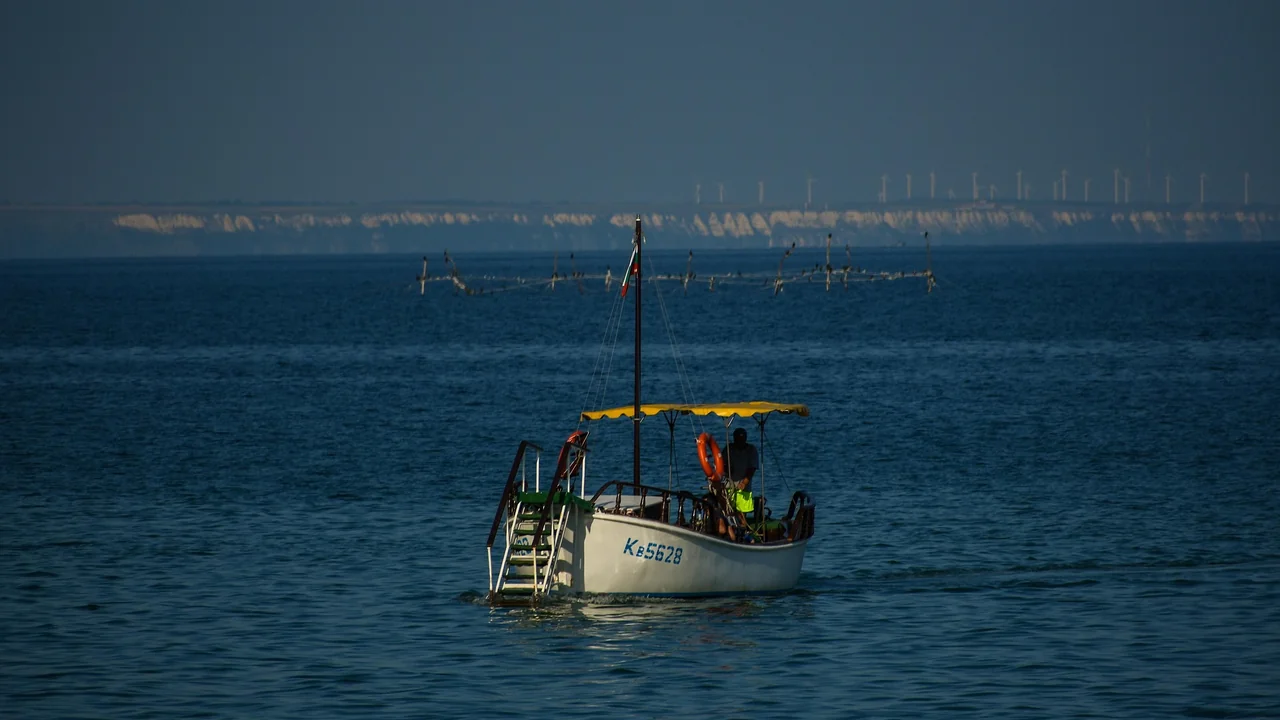
If you are planning to build a dock, a boat lift, or any shoreline structure on a Canadian waterway, you must first understand the fish habitat dock rules Canada enforces. The short answer is yes, a permit or approval from Fisheries and Oceans Canada (DFO) is very likely required, but the pathway depends on the size, location, and environmental sensitivity of your project. This guide explains the DFO’s role under the Fisheries Act, the concept of harmful alteration, disruption or destruction (HADD), the self-assessment pathway, and how federal rules interact with provincial and Transport Canada approvals. By the end, you will know exactly which steps to take to keep your dock project legal and avoid costly enforcement actions.
What Is DFO’s Role in Dock Approvals in Canada?
Fisheries and Oceans Canada (DFO) is the federal authority responsible for administering the Fisheries Act, which protects fish and fish habitat across Canada. For any dock, boathouse, or shoreline structure, DFO evaluates whether the project will cause a harmful alteration, disruption or destruction (HADD) of fish habitat. This role is separate from Transport Canada’s jurisdiction over navigation safety and provincial agencies that oversee land use and water rights.
For the average waterfront owner, DFO’s involvement means you must demonstrate that your dock will not harm fish, spawning beds, or aquatic vegetation. The key document is the DFO dock rules outlined in the Fisheries Act and its associated Codes of Practice. If your project is small, low-impact, and follows these codes, you may qualify for a self-assessment pathway without a formal review. Larger or riskier projects require a DFO review and potentially a permit under the Fisheries Act.
Fisheries Act and HADD: What Does This Mean for Your Dock?
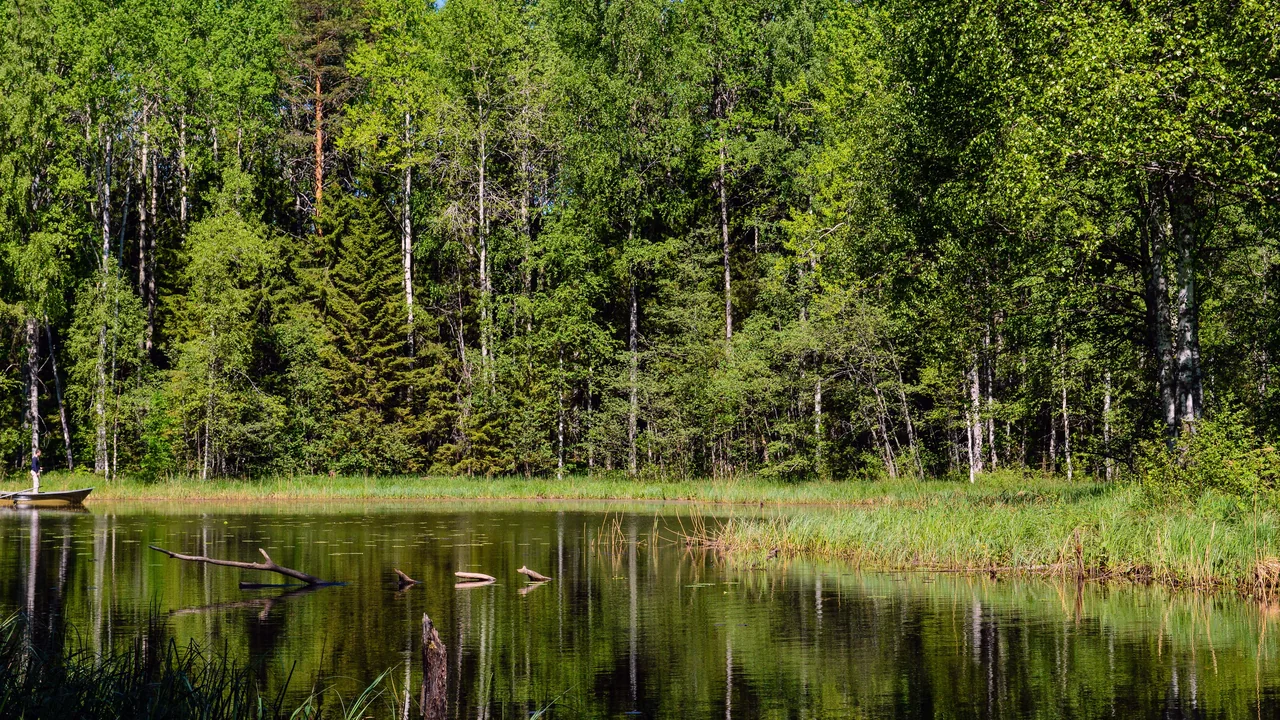
The Fisheries Act prohibits the harmful alteration, disruption or destruction (HADD) of fish habitat unless authorized by DFO. For a dock, this includes any activity that kills fish, degrades spawning grounds, destroys aquatic vegetation, or alters water flow in a way that harms fish populations. The definition of “fish habitat” is broad — it includes spawning beds, rearing areas, food supply, and migratory corridors.
For dock projects, the most common HADD risks are:
- Excavation or dredging for dock footings that disturbs spawning beds.
- Shade from a large dock that kills aquatic plants used by fish for cover or food.
- Sediment runoff during construction that smothers fish eggs or invertebrates.
- Placement of pilings in or near known spawning areas.
If your dock project could cause any of these impacts, you must submit a project description to DFO. The agency will determine if a Fisheries Act authorization is needed. The penalty for proceeding without approval can exceed $100,000 in fines and orders to remove the structure at your expense.
Self-Assessment vs. DFO Review: Which Pathway Applies to Your Dock?
DFO offers a self-assessment pathway for low-risk projects that meet specific criteria. This is the most common route for residential docks. Under the fish habitat dock Canada framework, you can proceed without a DFO review if your project follows the applicable Code of Practice and does not encroach on sensitive habitats.
When Can You Use the Self-Assessment Pathway?
You may self-assess if your dock meets all of the following conditions:
- The dock is not located in a fish sanctuary, marine protected area, or critical habitat zone.
- The dock does not reduce the water depth below 0.6 metres at low water, or if it does, the impact is minimal.
- The dock footprint (including shading) is less than 15 square metres in total area.
- No dredging or excavation is required beyond hand-digging for pilings.
- The dock does not block fish passage or alter water flow in a significant way.
If you meet all criteria, you must still follow the Code of Practice for the Management of Docks and keep a record of your self-assessment. DFO may request this documentation during an inspection.
When Is a DFO Review Required?
If your dock exceeds the self-assessment thresholds, is in a sensitive area, or involves dredging, you must submit a DFO project review application. This includes providing detailed plans, a habitat assessment, and mitigation measures. The review process takes 30 to 60 days, and DFO may issue a Letter of Advice (no authorization needed), a Letter of Review (conditions apply), or a formal Fisheries Act authorization (permit required).
Spawning Bed and Shoreline Vegetation Protections Under DFO Rules
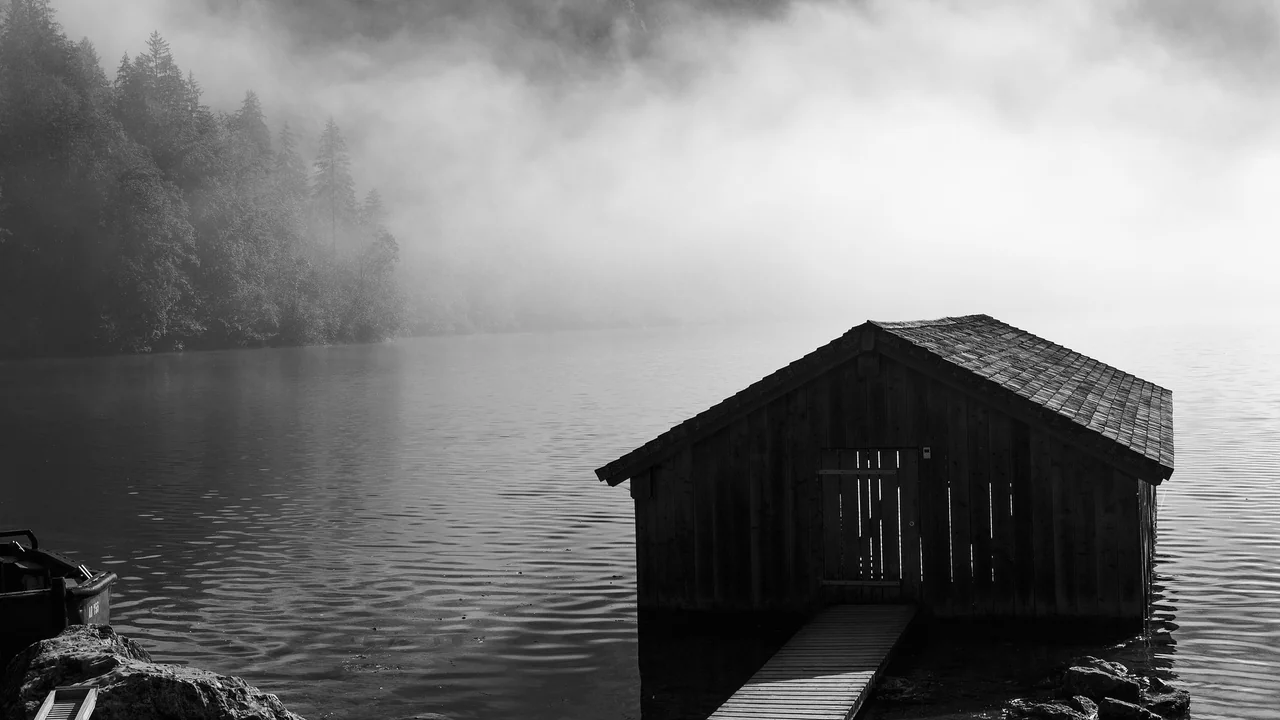
One of the most critical aspects of dock over spawning bed Canada regulations is the prohibition against building over or near active spawning areas. DFO identifies spawning beds as “highly sensitive” and requires a minimum setback of 30 metres from any known spawning site for most dock projects. For species like salmon, trout, or lake sturgeon, this buffer may be larger.
Shoreline vegetation is also protected. DFO’s Code of Practice for the Management of Docks states that you must retain natural shoreline vegetation within 15 metres of the water’s edge to prevent erosion and maintain fish habitat. Clearing trees, shrubs, or grasses for a dock pathway is only allowed if it is the minimum necessary and does not disturb the root zone.
If your property has a known spawning bed, you have two options: relocate the dock to a different part of the shoreline, or apply for a Fisheries Act authorization with a habitat offsetting plan. Offsetting might involve creating new spawning habitat elsewhere on your property or funding a restoration project. This is expensive and time-consuming, so avoidance is strongly recommended.
Codes of Practice for Docks: What DFO Expects
DFO has published several Codes of Practice that provide prescriptive measures for dock construction. These codes are legally binding under the Fisheries Act — if you follow them, you are presumed to be compliant. The primary code is the Code of Practice for the Management of Docks, which covers design, construction, and maintenance.
| Code of Practice Element | Requirement |
|---|---|
| Dock footprint (including shade) | Maximum 15 m² for self-assessment; larger requires DFO review |
| Deck height above high water mark | Minimum 0.3 metres to allow light penetration |
| Piling installation | Hand-digging only; no power augers within 15 m of water |
| Sediment control | Silt curtains required if any excavation within 30 m of water |
| Timing of construction | Must occur outside spawning windows (typically April to July) |
Additional codes cover floating docks, boat lifts, and swim platforms. For example, the Code of Practice for Floating Docks requires that anchoring systems do not disturb the lakebed and that the dock is removed during ice season if it could damage habitat.
How DFO Interacts with Provincial and Transport Canada Approvals
Navigating the DFO dock rules is only one part of the regulatory triangle. You must also comply with Transport Canada (for navigation safety) and your provincial agency (for land use and water rights). This is the “Canadian regulatory triangle” that every waterfront owner must complete.
Transport Canada administers the Navigation Protection Act and requires a permit for any dock that could obstruct navigation. This applies to all navigable waterways, including lakes, rivers, and coastal areas. The application is separate from DFO and involves posting public notices.
Provincial agencies, such as the BC Ministry of Forests or Ontario Ministry of Natural Resources, regulate shoreline development under their own laws. In British Columbia, you need a Water Sustainability Act approval. In Ontario, a Lakes and Rivers Improvement Act permit may be required. These approvals are layered on top of DFO’s requirements.
The practical order is: first, complete a DFO self-assessment or review. Second, obtain Transport Canada clearance. Third, apply for provincial permits. Municipal building permits come last. Skipping any step can result in enforcement action from multiple agencies.
For a comprehensive overview of all federal and provincial rules, see our Dock Permit in Canada: Federal and Provincial Rules Guide (2026). For specific guidance on British Columbia, read our Dock Permit in British Columbia Canada: Complete 2026 Guide.
Summary: Your Action Plan for DFO Compliance
Building a dock in Canada requires careful planning to comply with fish habitat dock rules Canada enforces. Start by checking DFO’s online self-assessment tool to determine if your project is low-risk. If it qualifies, follow the Code of Practice for the Management of Docks and keep records. If not, submit a project description to DFO for review — expect 30 to 60 days for a decision.
Your first call should be to DFO’s regional office or your provincial natural resources ministry to request a fish habitat map of your waterfront. This single step will reveal whether spawning beds or sensitive vegetation exist on your property. From there, design your dock to avoid these areas and minimize footprint. Remember, DFO’s authority is federal and cannot be bypassed by a local building permit. For additional guidance on swim platforms and rafts, see our Swim Platform and Swim Raft Permit Requirements (2026 Guide). If you are planning a dock on a specific lake, such as Lake Minnetonka, check our Lake Minnetonka Dock Permit: MCWD Rules & How to Apply (2026) for a state-level example (note: US rules differ, but the process structure is similar).
Frequently Asked Questions
Does DFO need to approve my dock in Canada?
Not always. DFO provides a self-assessment pathway for small, low-impact docks that follow the applicable Code of Practice. If your dock is under 15 square metres, avoids spawning beds, and uses hand-dug pilings, you can proceed without a formal DFO review. However, you must still document your self-assessment and be prepared for an inspection. For any dock that exceeds these thresholds or is in a sensitive area, a DFO project review is mandatory.
What is HADD under the Fisheries Act?
HADD stands for harmful alteration, disruption or destruction of fish habitat. Under the Fisheries Act, it is illegal to carry out any work that results in HADD unless authorized by DFO. For docks, common HADD risks include shading out aquatic plants, sediment runoff from construction, and physical destruction of spawning beds by pilings or dredging. If your project could cause HADD, you must apply for a Fisheries Act authorization, which may include conditions or require habitat offsetting.
Can I build a dock over a spawning bed?
Generally, no. DFO prohibits building a dock over a known spawning bed unless you obtain a Fisheries Act authorization with a habitat offsetting plan. The default setback is 30 metres from any spawning site, and this buffer may be larger for sensitive species like salmon or trout. If your property has a spawning bed, you must either relocate the dock to a different area or apply for an offsetting plan, which can cost tens of thousands of dollars and take months to approve.
What are DFO codes of practice for docks?
DFO’s Codes of Practice are legally binding guidelines that prescribe how to design, build, and maintain docks without causing serious harm to fish habitat. The primary code is the Code of Practice for the Management of Docks, which limits dock footprint to 15 square metres, requires a minimum deck height of 0.3 metres above the high water mark, and restricts construction to outside spawning windows. Additional codes cover floating docks, boat lifts, and swim platforms. Following these codes is the easiest way to qualify for the self-assessment pathway.
Last updated: July 02, 2026
- Fisheries and Oceans Canada – Code of Practice for the Management of Docks
- Fisheries Act (R.S.C., 1985, c. F-14)
- DFO – Project Review and Self-Assessment Guidance

Dock Permit Guide
DockPermitGuide editor covering boat dock and pier permit requirements, costs, and regulations across the United States, Canada & Australia.