
Bayou Dock Permit: Louisiana & Gulf Coast Rules (2026 Guide)
 12 min read
2,208 words
12 min read
2,208 words

Yes, a bayou dock permit is almost always required before building, repairing, or replacing a dock, wharf, or pier in Louisiana’s bayous and Gulf Coast waterways. Whether you are constructing a private fishing pier on a slow-moving swamp bayou or repairing a camp wharf after a hurricane, Louisiana’s Office of Coastal Management (OCM) and the U.S. Army Corps of Engineers (USACE) both have jurisdiction. This guide explains the specific permit types, the Coastal Use Permit (CUP) system, how navigability affects your project, and the critical wetland rules that apply to most bayou properties. You will learn which agency to contact first, what your permit will cost, and how long the process takes so you can plan your dock project with confidence.
Which Agency Issues Bayou Dock Permits in Louisiana?
Two primary agencies control dock construction on Louisiana bayous: the Louisiana Department of Natural Resources (DNR) Office of Coastal Management (OCM) and the U.S. Army Corps of Engineers (USACE) New Orleans District. The rule of thumb is that if your bayou is connected to a larger waterway, tidal system, or the Gulf of Mexico, you will likely need approvals from both.
Louisiana DNR Office of Coastal Management (OCM)
The OCM administers the Coastal Use Permit (CUP) program under the Louisiana Coastal Resources Program (LCRP). This permit is required for any activity that might affect coastal waters, wetlands, or adjacent shorelines. Most bayous in southern Louisiana fall within the coastal zone boundary. The CUP covers new dock construction, expansions, dredging, and even major repairs. The OCM evaluates your project based on its potential impact on water flow, aquatic habitat, and adjacent property rights.
U.S. Army Corps of Engineers (USACE)
The USACE New Orleans District regulates work in “waters of the United States,” including navigable bayous, wetlands, and tributaries. Under Section 404 of the Clean Water Act and Section 10 of the Rivers and Harbors Act, you need a USACE permit if your dock project involves placing fill material (such as riprap or concrete piers) or constructing any structure in a navigable waterway. Many bayous are considered navigable, even if only used by small fishing boats.
How Does the Coastal Use Permit (CUP) System Work?

The Coastal Use Permit (CUP) is Louisiana’s primary regulatory tool for docks, piers, wharves, and other structures in the coastal zone. It is administered by the OCM and is a single permit that consolidates state-level reviews.
Who Needs a CUP?
Any landowner or leaseholder planning to build a dock on a bayou within Louisiana’s coastal zone. The coastal zone covers all or parts of 20 parishes, including Terrebonne, Lafourche, St. Mary, Plaquemines, Jefferson, and St. Tammany. If your property is within this zone, you need a CUP even for a small private fishing pier.
The CUP Application Process
Contact the OCM’s local field office. They will tell you if your project is in the coastal zone and what preliminary information you need.
Complete the CUP application form. Include a site plan, property survey, and a description of the dock (materials, dimensions, length). You will also need to show adjacent properties and water depths.
The OCM issues a public notice. Adjacent landowners and local governments can comment. The review period is typically 30 days.
The OCM will issue a permit, a permit with conditions, or a denial. Common conditions include limits on dock length, pierhead width, and seasonal restrictions to protect fish spawning.
CUP Fees and Timeline
The CUP application fee varies based on the project cost. For a typical residential dock, the fee is around $150 to $500. The timeline from submission to decision is usually 60 to 90 days, but complex projects in sensitive wetlands can take 6 months or more.
Navigable vs. Non-Navigable Bayous: What Does It Mean for Your Dock?
Whether your bayou is classified as “navigable” or “non-navigable” has a major impact on which permits you need and how strict the rules are.
Navigable Bayous
A bayou is considered navigable if it is used, or was historically used, for interstate or foreign commerce. This includes bayous used for commercial fishing, oil and gas transport, or recreational boating. Most major bayous in Louisiana (like Bayou Lafourche, Bayou Teche, and Bayou Terrebonne) are navigable. For a dock on a navigable bayou, you need:
- A USACE Section 10 permit (if the dock extends into the waterway)
- A CUP from the OCM
- Compliance with the Louisiana Scenic Rivers Act (if applicable)
Non-Navigable Bayous
A non-navigable bayou is typically a small, shallow waterway that does not connect to a larger navigable system. If your bayou is non-navigable, you may not need a USACE permit, but you still need a CUP if you are in the coastal zone. The OCM still regulates any structure that could affect water flow or wetlands, even on a non-navigable waterway.
Wetland Overlap: Why Most Bayou Docks Require Extra Scrutiny
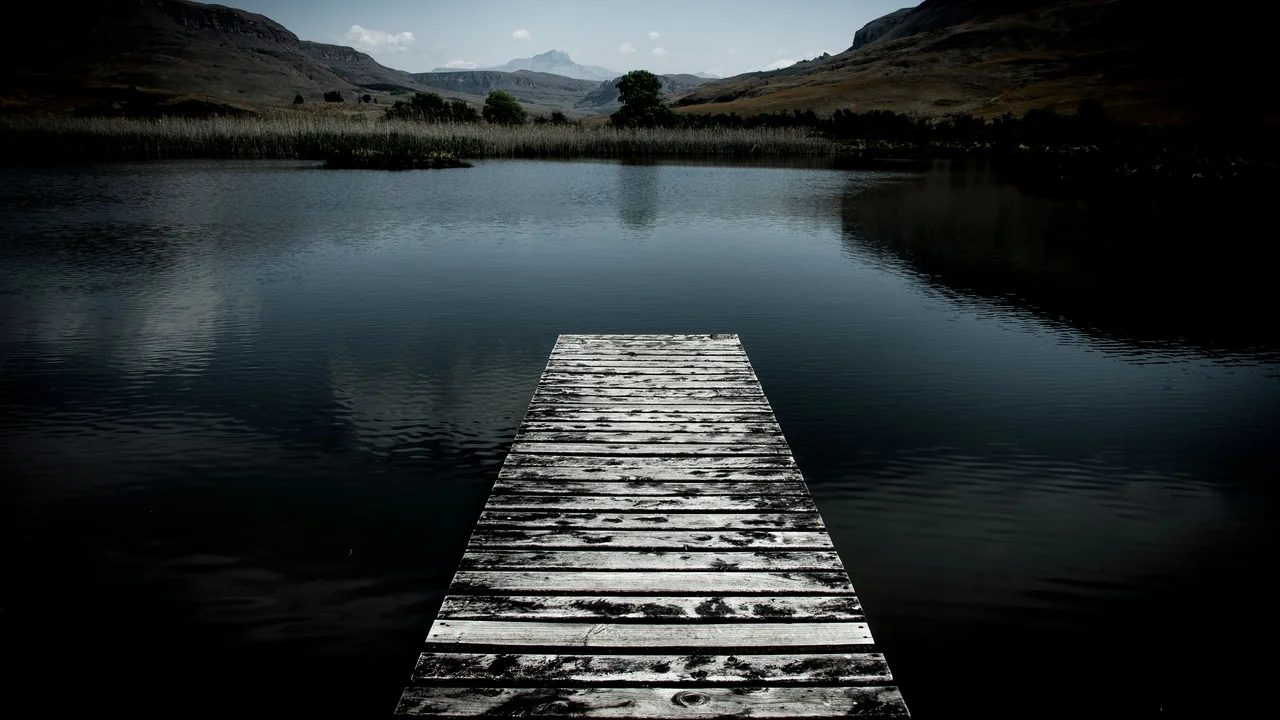
The majority of Louisiana bayous are fringed by wetlands — cypress-tupelo swamps, freshwater marshes, or brackish marshes. If your dock project crosses or impacts these wetlands, the regulatory bar is higher.
Wetland Jurisdiction
Both the USACE (under Section 404) and the OCM (under the CUP program) regulate activities in wetlands. If your dock requires piles to be driven through wetlands, or if you plan to clear vegetation to access the bayou, you will need a wetland delineation and possibly a mitigation plan.
Mitigation Requirements
If your dock project permanently impacts wetlands (for example, by filling a small area for a boat ramp), the agencies may require you to purchase mitigation credits or restore wetlands elsewhere. This can add significant cost and time to your project.
| Wetland Type | Permit Requirement | Typical Mitigation Cost |
|---|---|---|
| Freshwater marsh | USACE Section 404 + CUP | $5,000–$20,000 per acre |
| Cypress-tupelo swamp | USACE Section 404 + CUP | $10,000–$30,000 per acre |
| Brackish marsh | USACE Section 404 + CUP | $3,000–$15,000 per acre |
Camp and Wharf Traditions vs. Modern Permit Requirements
Louisiana has a deep tradition of fishing camps and wharves built along bayous. Many of these structures have existed for decades without formal permits. However, modern regulations have changed, and the era of “grandfathered” docks is ending.
What About Existing Unpermitted Wharves?
If you own a camp with a wharf that was built before the CUP program existed (the LCRP was established in 1978), you might be able to claim “prior converted” status. However, this is not automatic. You must prove the structure existed before the program started. If you replace or substantially repair an old wharf, the new structure must meet current permit requirements.
Rebuilding After a Hurricane
Hurricanes are a fact of life on the Gulf Coast. If your dock or wharf is damaged by a hurricane, you may be able to use an emergency permit or a “replacement-in-kind” exemption. However, this only applies if you rebuild the dock in the same footprint, with the same materials, and within a certain time frame (usually 180 days).
How Much Does a Louisiana Dock Permit Cost?
The cost of a bayou dock permit varies based on the project scope, the agencies involved, and whether wetland mitigation is required. Here is a realistic breakdown:
| Item | Estimated Cost |
|---|---|
| CUP application fee | $150–$500 |
| USACE Section 10/404 permit application fee | $100–$10,000 (varies by project size) |
| Survey and site plan | $500–$2,000 |
| Wetland delineation (if needed) | $2,000–$5,000 |
| Mitigation credits (if needed) | $3,000–$30,000+ |
| Total estimated cost (simple dock) | $1,000–$3,000 |
| Total estimated cost (complex dock with wetland impact) | $10,000–$50,000+ |
Pros of Getting a Permit
- Legal protection from fines and removal orders
- Clear property rights for future sale
- Eligibility for insurance and FEMA assistance after storms
Cons of Skipping a Permit
- Fines up to $25,000 per day from USACE
- Forced removal of the dock at your expense
- Liens on your property
Step-by-Step Process for Getting a Bayou Dock Permit
Here is a practical, step-by-step process for obtaining a bayou dock permit in Louisiana.
Find your parish and check if you are in the coastal zone. Use the OCM’s online Coastal Zone Boundary map.
Contact the USACE New Orleans District to determine if your bayou is navigable. Request a Navigability Determination if needed.
You need a property survey that shows the shoreline, mean high water line, and adjacent properties. This is essential for the CUP application.
Complete the CUP application and any USACE forms. Include a detailed site plan, construction drawings, and a description of materials.
Submit the application to the OCM. The public notice period is 30 days. The total review time is 60–90 days.
Once approved, build your dock within the permit’s validity period (usually 2–5 years). Comply with all conditions.
Summary: Your Action Plan for a Bayou Dock Permit
Getting a bayou dock permit in Louisiana requires working with the OCM and USACE. Start by contacting the OCM’s Baton Rouge or local field office to confirm your property is in the coastal zone and to request a pre-application meeting. Simultaneously, contact the USACE New Orleans District to determine if your bayou is navigable. This dual approach will save you months of back-and-forth. For more guidance on similar waterway rules, see our guide on River Dock Permit: Navigable Waterway Rules & How to Apply (2026) or Public Lake Dock Permit: How to Get Permission to Build a Dock (2026). If your project includes a swim platform, review the Swim Platform and Swim Raft Permit Requirements (2026 Guide).
Frequently Asked Questions
Do I need a permit for a dock on a bayou?
Yes, in almost all cases you need a permit for a dock on a Louisiana bayou. If your property is in the coastal zone, you need a Coastal Use Permit (CUP) from the Louisiana DNR Office of Coastal Management. If the bayou is navigable, you also need a permit from the U.S. Army Corps of Engineers. Even a small private fishing pier requires approval. Building without a permit can result in fines up to $25,000 per day and forced removal of the structure.
What is a Louisiana Coastal Use Permit?
A Coastal Use Permit (CUP) is a permit issued by the Louisiana Department of Natural Resources Office of Coastal Management. It is required for any activity that could affect coastal waters, wetlands, or adjacent shorelines within the state’s coastal zone. This includes building docks, wharves, piers, bulkheads, and boathouses. The CUP process involves a public notice, a 30-day comment period, and a review of the project’s potential environmental impact. The fee is typically $150 to $500 for a residential dock.
Are all bayous navigable waters?
No, not all bayous are considered navigable waters. A bayou is navigable if it is used, or was historically used, for interstate or foreign commerce, such as commercial fishing, oil and gas transport, or recreational boating. Major bayous like Bayou Lafourche and Bayou Teche are navigable. Small, shallow bayous that are not connected to larger systems may be non-navigable. The U.S. Army Corps of Engineers makes the final determination. You can request a free Navigability Determination from the USACE New Orleans District.
Can I rebuild my wharf after a hurricane without a permit?
You may be able to use an emergency permit or a “replacement-in-kind” exemption to rebuild after a hurricane, but only if you rebuild the wharf in the exact same footprint with the same materials and within 180 days of the storm. If you change the size, location, or materials (for example, replacing wood with aluminum), you lose the exemption and must apply for a full Coastal Use Permit and USACE permit. Always contact the OCM and USACE before starting any post-storm repairs to confirm your eligibility for the exemption.
Last updated: July 02, 2026
- Louisiana Department of Natural Resources, Office of Coastal Management — Coastal Use Permit Program
- U.S. Army Corps of Engineers, New Orleans District — Regulatory Program
- Louisiana Coastal Resources Program (LCRP) Act, R.S. 49:214.1 et seq.
- 33 CFR Part 329 — Definition of Navigable Waters of the United States

Dock Permit Guide
DockPermitGuide editor covering boat dock and pier permit requirements, costs, and regulations across the United States, Canada & Australia.