
Coastal Dock Permit: Saltwater & Tidal Water Rules Explained (2026)
 11 min read
2,158 words
11 min read
2,158 words
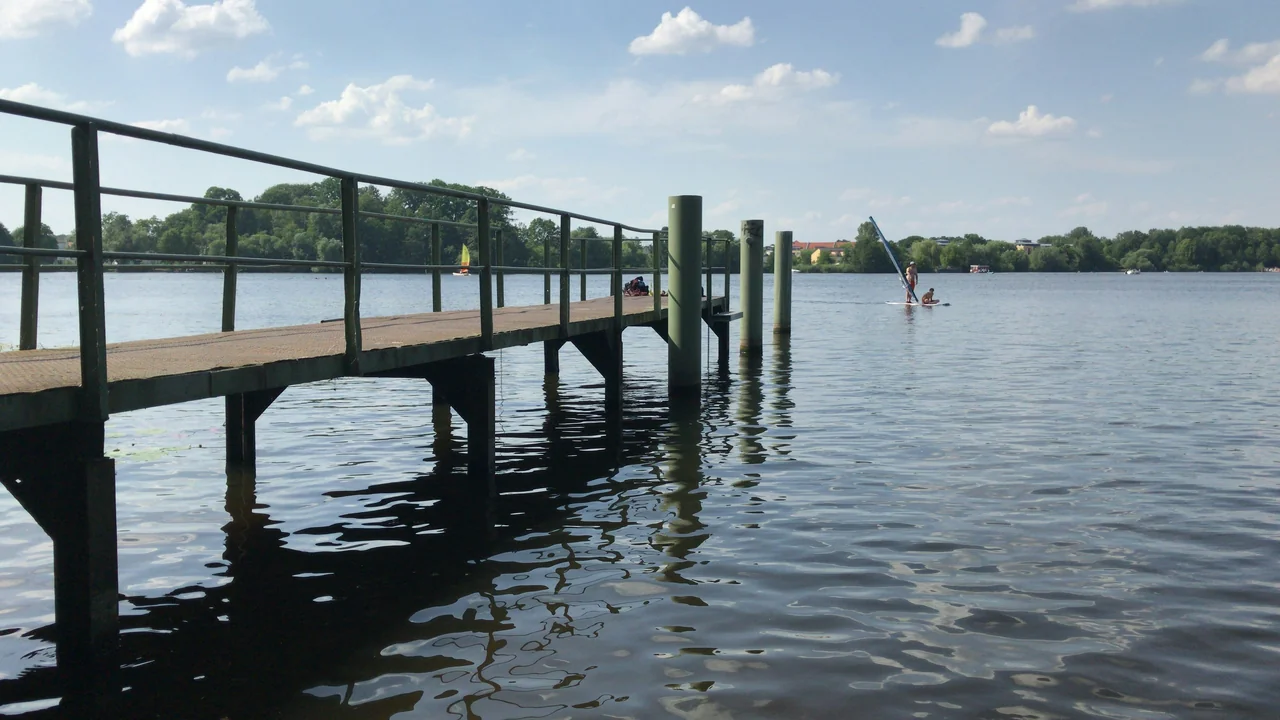
Yes, a coastal dock permit is almost always required for any construction in saltwater or tidal waters, and the permitting process is significantly more complex than for freshwater lakes or rivers. Unlike inland docks, which may only require a single state or county permit, coastal projects fall under a multi-layered regulatory framework involving federal, state, and local agencies. This guide explains the unique rules governing saltwater dock permit applications, including the role of the U.S. Army Corps of Engineers (USACE), the Coastal Zone Management Act (CZMA), environmental reviews for marine habitats, and critical considerations like mangrove protection and FEMA flood zones. You will learn which agencies have jurisdiction, what the typical timeline and costs are, and how to navigate the stricter environmental standards that apply to tidal and oceanfront properties.
Which Federal Agency Issues the Coastal Dock Permit?
The primary federal authority for any coastal dock permit is the U.S. Army Corps of Engineers (USACE) under Section 10 of the Rivers and Harbors Act of 1899 and Section 404 of the Clean Water Act. Section 10 jurisdiction covers all navigable waters of the United States, which includes virtually all tidal waters, coastal inlets, and the Intracoastal Waterway. Section 404 jurisdiction extends to the discharge of dredged or fill material into wetlands and other waters, which often applies when installing dock pilings or constructing bulkheads in coastal areas.
For most residential docks in saltwater, the USACE issues a Nationwide Permit (NWP), typically NWP 3 (Maintenance) or NWP 14 (Linear Transportation Projects) for access structures. However, the NWP program has special conditions for coastal areas, including mandatory pre-construction notifications (PCN) if the dock will be located in or near essential fish habitat (EFH), submerged aquatic vegetation (SAV), or designated critical habitat for threatened or endangered species. The standard review timeline for a USACE NWP in coastal waters is 45 to 60 days, but projects requiring individual permits (for larger docks or those in sensitive habitats) can take 6 to 18 months.
How Do State Coastal Programs Affect a Saltwater Dock Permit?
Every coastal state (except Texas, which has a unique program) operates under the Coastal Zone Management Act (CZMA) of 1972. This federal law requires that any federal permit, including a USACE dock permit, must be “consistent to the maximum extent practicable” with the state’s approved coastal management plan. This means your state agency has veto power over your federal permit if your dock project would violate state coastal policies.
State Coastal Program Jurisdictions for Tidal Water Dock Permits
| State | Coastal Agency | Key Rule for Docks | Permit Fee Range |
|---|---|---|---|
| Florida | FDEP (Florida Department of Environmental Protection) | Sovereign submerged lands lease required for docks in tidal waters | $250 – $1,500 |
| California | California Coastal Commission (CCC) | Coastal Development Permit (CDP) required for all docks in coastal zone | $500 – $5,000 |
| South Carolina | SCDHEC (Department of Health and Environmental Control) | Critical Area Permit for docks in saltwater marshes | $400 – $2,000 |
| North Carolina | NCDEQ (Division of Coastal Management) | CAMA (Coastal Area Management Act) permit for docks in estuarine waters | $200 – $1,200 |
| Texas | GLO (General Land Office) & TPWD | Coastal Management Program consistency review; no separate CZMA program | $100 – $800 |
What Environmental Reviews Are Required for an Oceanfront Dock Permit?
Coastal docks face the most rigorous environmental scrutiny of any dock type. The oceanfront dock permit process typically requires three distinct environmental reviews:
- Essential Fish Habitat (EFH) Assessment: Required under the Magnuson-Stevens Act. The USACE must consult with NOAA Fisheries if the dock could affect habitats used by managed fish species (e.g., red drum, snook, salmon).
- Threatened and Endangered Species Review: Required under the Endangered Species Act (ESA). If your dock site is near known sea turtle nesting beaches (Atlantic/Gulf coasts) or manatee habitats (Florida), a biological assessment may be needed.
- Submerged Aquatic Vegetation (SAV) Survey: Many states require a seagrass survey. If seagrass beds are present within 50 feet of your proposed dock, you may need to relocate the structure, use a cantilevered design to avoid shading, or install a “light-penetrating” grating deck.
Mangrove and Seagrass Protection: A Critical Factor for Tidal Water Dock Permits
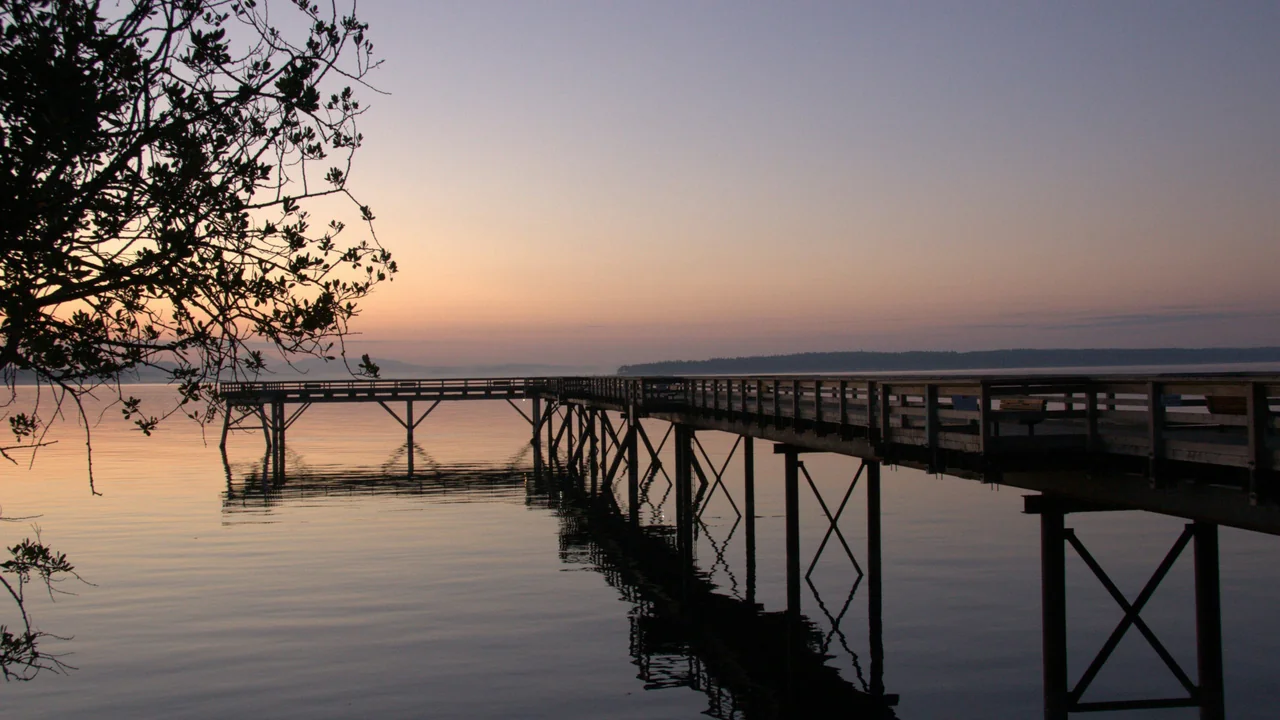
If your property borders tidal waters in Florida, Texas, Puerto Rico, or Hawaii, mangrove protection laws may severely restrict your dock design. Mangroves are federally protected under the CZMA and are also regulated by state laws. In Florida, for example, the Mangrove Trimming and Preservation Act (Chapter 403.9321, Florida Statutes) prohibits any work that would remove or damage mangroves without a specific permit. Docks must be designed to avoid mangrove root systems entirely, often requiring extended walkways or elevated boardwalks that span over the mangrove fringe.
Seagrass protection is equally stringent. Seagrass meadows provide critical nursery habitat for fish and shellfish. Most coastal states require a formal seagrass survey as part of the tidal water dock permit application. If seagrass is present, the dock must be designed to minimize shading—typically by using a narrow walkway (3–4 feet wide) with open grating or by orienting the dock to run north-south to reduce shade footprint. Some states, like Florida, impose a “no-shade” rule that prohibits any dock structure from shading more than 10% of adjacent seagrass beds during peak sunlight hours.
Coastal Setback Rules for Intracoastal Waterway Docks
An intracoastal waterway dock must comply with both federal navigation easements and state setback rules. The USACE maintains a 50-foot-wide federal navigation easement along the Intracoastal Waterway (ICW) from the channel edge, measured from the mean high-water line. No permanent structures, including docks, are allowed within this easement. Additionally, most coastal states impose their own setback requirements:
| State | Setback from Mean High Water | Setback from Marsh Edge | Special Rule |
|---|---|---|---|
| Florida | 15 feet | 50 feet | Docks must be perpendicular to shoreline |
| South Carolina | 10 feet | 100 feet | No docks in “critical areas” without variance |
| Georgia | 25 feet | 75 feet | Marsh buffer zone applies to all tidal docks |
| New Jersey | 10 feet | 50 feet | Coastal Zone Management review required |
FEMA Flood Zone Implications for Coastal Dock Permits
If your property lies within a FEMA-designated Coastal High Hazard Area (Zone V or VE), your coastal dock permit must comply with the National Flood Insurance Program (NFIP) requirements. Docks in these zones are subject to “freeboard” requirements, meaning the lowest horizontal structural member must be elevated above the base flood elevation (BFE). For docks, this typically means the deck must be at least 1 to 3 feet above the BFE to allow wave energy to pass underneath without causing structural damage.
Additionally, many coastal communities enforce “no net fill” policies within flood zones. If you drive pilings for a dock, you may be required to remove an equivalent volume of material elsewhere on your property to maintain flood storage capacity. Some local ordinances also prohibit the use of solid concrete decks in Zone V areas, requiring instead open-grid decking that allows water to flow through.
Pros of Building in Flood Zone V
- Elevated docks reduce storm surge damage risk
- Open designs allow water flow, reducing scour
Cons of Building in Flood Zone V
- Higher construction costs (elevation, deeper pilings)
- Stricter local review and longer permit timelines
How Much Does a Coastal Dock Permit Cost?
The total cost for obtaining a saltwater dock permit can range from $1,500 to over $15,000 depending on the complexity of environmental reviews and the number of agencies involved. Here is a breakdown of typical fees:
| Permit Component | Cost Range | Typical Timeline |
|---|---|---|
| USACE Nationwide Permit Application Fee | $100 – $500 | 45–60 days |
| State Coastal Consistency Review | $200 – $1,000 | 30–60 days |
| Seagrass/Mangrove Survey | $1,200 – $3,500 | 2–4 weeks |
| Endangered Species Consultation (if needed) | $500 – $2,000 | 60–180 days |
| Local County/City Permit | $200 – $1,500 | 30–90 days |
| Total (Typical Residential Dock) | $3,000 – $8,000 | 4–12 months |
What Are the Unique Rules for Tidal Water Docks?
Docks built in tidal water face additional constraints that do not apply to freshwater structures. The most significant is the need to accommodate tidal fluctuations. In areas with a tidal range of 4 feet or more (common along the Atlantic coast from Maine to Georgia), docks must be designed with floating sections or adjustable-height pilings to prevent the dock from being submerged at high tide or left high and dry at low tide.
Additionally, many coastal states require that docks in tidal waters be “open-pile” construction, meaning the deck is supported by piles rather than resting on the seabed. This allows tidal currents to flow freely beneath the structure, minimizing scour and sedimentation. Some states also impose “light and air” requirements, mandating that at least 50% of the dock surface area be open grating to allow sunlight to reach the water below, which is critical for maintaining seagrass health.
Summary: Your Action Plan for a Coastal Dock Permit
Obtaining a coastal dock permit requires a methodical approach. Start by contacting your state’s coastal management agency to determine whether a Coastal Zone Consistency Determination is needed. Simultaneously, hire a qualified marine biologist to conduct a seagrass and mangrove survey of your proposed dock site. Then, submit a pre-construction notification to the USACE for a Nationwide Permit, ensuring you include all environmental survey results. Finally, apply for any local county or city permits, which may include additional setback or flood zone compliance reviews.
Frequently Asked Questions
Is a coastal dock permit harder than a lake dock permit?
Yes, a coastal dock permit is significantly harder to obtain than a typical lake dock permit. Coastal projects fall under federal jurisdiction (USACE Section 10 and Section 404), state coastal zone management programs, and often local flood zone ordinances, creating a three-layer regulatory framework. Lake permits typically involve only one or two agencies, with minimal environmental review. The timeline for a coastal permit can be 4 to 12 months, compared to 2 to 6 months for most lake permits.
Do I need Army Corps permission for a saltwater dock?
Yes, you almost always need U.S. Army Corps of Engineers (USACE) permission for a saltwater dock. The USACE has jurisdiction over all navigable waters of the United States, which includes tidal waters, coastal inlets, and the Intracoastal Waterway. Most residential docks qualify for a Nationwide Permit (typically NWP 3 or NWP 14), but you must submit a pre-construction notification (PCN) and receive verification from the USACE before starting work. Failure to obtain this permit can result in fines of up to $50,000 per day and an order to remove the structure.
What environmental reviews are needed for coastal docks?
Coastal docks require three primary environmental reviews: an Essential Fish Habitat (EFH) assessment under the Magnuson-Stevens Act, a Threatened and Endangered Species review under the Endangered Species Act, and a Submerged Aquatic Vegetation (SAV) survey. The SAV survey is mandatory in most states and must be conducted by a certified marine biologist within 90 days of the permit application. If seagrass or mangroves are present, the dock design may need to be modified to avoid or minimize impacts, such as using open grating or cantilevering the structure.
Can I build a dock in a tidal zone?
Yes, you can build a dock in a tidal zone, but the design must accommodate tidal fluctuations and meet strict environmental standards. Docks in tidal zones typically require floating sections or adjustable-height pilings to handle tidal ranges of 4 feet or more. Most states mandate open-pile construction and require that at least 50% of the deck surface be open grating to allow sunlight to reach the water below. You must also comply with coastal setback rules, which often require a minimum distance from mean high water and from marsh edges.
Last updated: July 02, 2026
- U.S. Army Corps of Engineers (USACE) Regulatory Program — Nationwide Permits
- National Oceanic and Atmospheric Administration (NOAA) — Coastal Zone Management Act
- Florida Department of Environmental Protection (FDEP) — Submerged Lands and Environmental Resources
- California Coastal Commission (CCC) — Coastal Development Permits
- South Carolina Department of Health and Environmental Control (SCDHEC) — Critical Area Permits

Dock Permit Guide
DockPermitGuide editor covering boat dock and pier permit requirements, costs, and regulations across the United States, Canada & Australia.