
Waterfront Easement and Dock Access Rights: Can You Build on Shared Access? (2026)
 12 min read
2,326 words

If you own property with a waterfront easement dock access rather than direct shoreline, you are likely wondering if you can actually build a dock. The short answer is yes, but only if your easement deed explicitly grants dock construction rights and you secure all necessary permits from the relevant authorities. This guide explains exactly what easement language you need, who must approve your project, and which permitting agencies you will deal with in 2026.
Deeded Lake Access vs Riparian Ownership: What’s the Difference for Dock Building?
The most common mistake homeowners make is assuming deeded lake access gives them the same rights as a riparian owner. A riparian owner holds land that physically touches the water, giving them automatic rights to build a dock subject to state and federal permits. In contrast, a deeded lake access property has a legal right to use the water but does not own the shoreline.
This distinction matters for permitting because the agency issuing your dock permit — whether it is the US Army Corps of Engineers (USACE), a state Department of Natural Resources (DNR), or a lake authority like Duke Energy — typically requires a signed authorization from the shoreline owner. If you hold only an easement, you are not the shoreline owner, and your permit application must include proof of that owner’s consent.
| Access Type | Shoreline Ownership | Dock Building Rights | Permit Sign-off Needed |
|---|---|---|---|
| Riparian (direct lakefront) | You own to the waterline | Full rights (subject to permits) | Only your signature |
| Deeded lake access (easement) | Someone else owns the shore | Only if easement says so | Shoreline owner’s written consent |
| Shared community easement | HOA or multiple owners | Requires HOA/community vote | HOA board resolution |
What Easement Language Must Say to Allow Dock Construction

Not all waterfront easements are created equal. Many easement deeds from the 1970s or 1980s grant only “ingress and egress” — meaning you can walk to the water, swim, or launch a kayak, but you cannot build a permanent structure. To build a dock, your easement must contain specific language granting the right to “construct, maintain, and use a dock or pier.”
Key Phrases to Look for in Your Deed
- “Right to construct and maintain a dock” — clear authorization.
- “Improvements necessary for water access” — may be broad enough to include a dock.
- “Shared use of the dock” — indicates a dock already exists, but does not grant you the right to build a new one.
- “Non-exclusive easement for ingress and egress” — typically does NOT allow dock construction.
If your deed is vague, you may need a quiet title action or a court declaration to clarify your rights. Many homeowners skip this step and later find their permit denied because the shoreline owner objects.
Shared Easement Dock: Community Approval Requirements
If your dock will be built on a shared water access easement used by multiple property owners, you face an additional layer of approval. Even if your individual easement allows dock construction, you cannot build without consent from all other easement holders or the homeowners association (HOA).
Most state laws treat shared easements as requiring unanimous or majority consent for any permanent improvement. For example, on a Wisconsin lake with a shared access point, the Wisconsin DNR will require documentation that at least 51% of easement holders approve the dock location. Our Boat Dock Permit in Wisconsin guide explains how this works in practice.
Determine if it requires unanimous, majority, or HOA board approval for dock construction.
Send a formal written proposal describing the dock size, location, and materials.
Collect signatures or an HOA board resolution authorizing your dock.
Include the signed approval with your state or lake authority permit application.
Permit Challenges for Easement-Based Docks
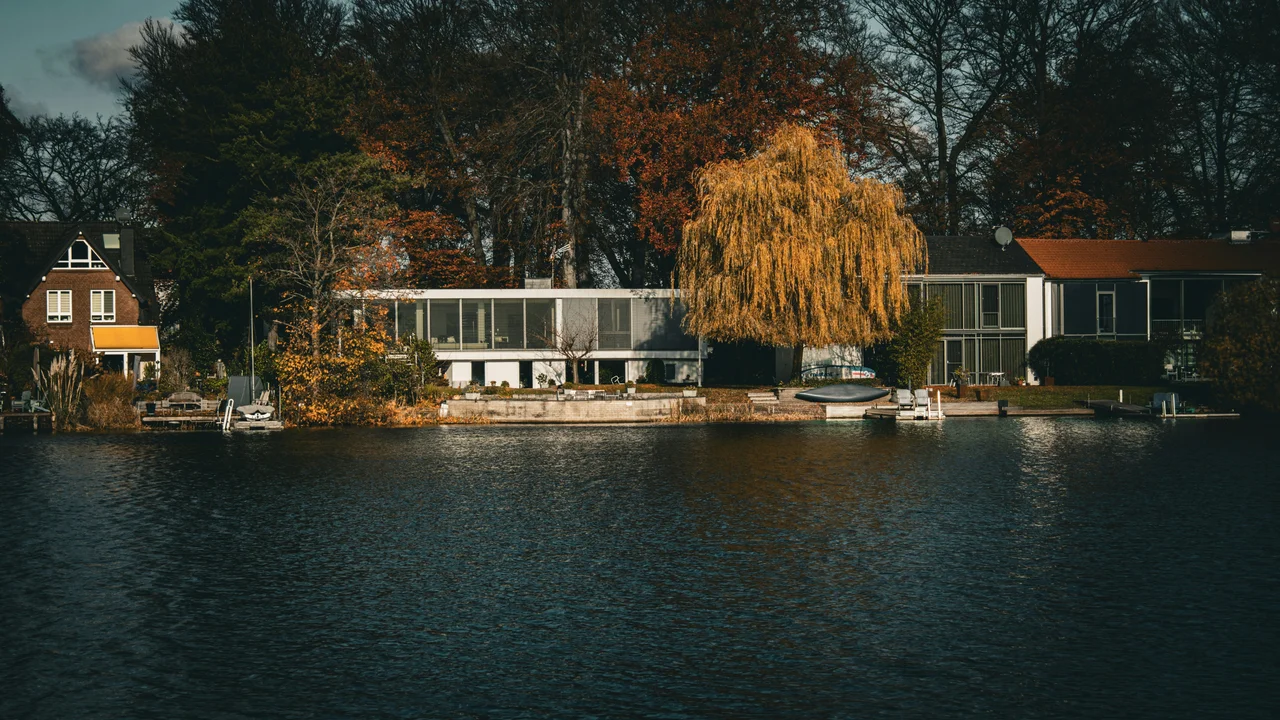
Building a dock on an easement introduces unique permit challenges that direct lakefront owners rarely face. The three most common hurdles are shoreline owner refusal, easement scope disputes, and agency requirements for proof of right.
Shoreline Owner Refusal
The person who owns the land between your easement and the water has the legal right to refuse dock construction in most cases. If they deny permission, your only recourse is to prove that your easement explicitly grants dock rights — and even then, you may need a court order. Some homeowners try to build without permission, but this can lead to a trespass lawsuit and an order to remove the dock at your expense.
Agency Proof of Right Requirements
State agencies like the Texas Parks and Wildlife Department or the Wisconsin DNR increasingly require “proof of right” documentation for dock permits on non-riparian properties. This means you must submit a copy of your recorded easement deed and a signed affidavit from the shoreline owner confirming your right to build. On a canal dock permit application, for example, the county may require both the easement holder and the lot owner to sign. Our Canal Dock Permit guide covers this scenario in detail.
Who Applies for the Permit: Easement Holder vs Landowner
A common point of confusion is whether you, as the easement holder, can apply for the dock permit in your own name. The answer depends on the permitting agency’s rules. In general, the landowner (the person who owns the shoreline) is the primary applicant because they have legal control over the land where the dock will be anchored. However, many agencies allow the easement holder to apply jointly with the landowner.
For example, on a pond dock permit application, the county may list the landowner as the “applicant” and the easement holder as the “authorized user.” Our Pond Dock Permit guide explains how this dual-role application works for small private ponds.
| Agency Type | Typical Applicant | Easement Holder’s Role |
|---|---|---|
| US Army Corps of Engineers (Section 404) | Landowner or authorized agent | Must provide written authorization from landowner |
| State DNR (e.g., Wisconsin, Michigan) | Riparian owner | Can co-apply if easement is recorded |
| Lake authority (e.g., Duke Energy, LCRA) | Riparian owner | Must be listed as “authorized user” on the permit |
| County/city building department | Property owner of record | May require a notarized affidavit from both parties |
Joint Permit Application Process
If you and the shoreline owner agree, a joint application is usually the smoothest path. You will need to provide the following documents:
- Recorded easement deed showing your right to build a dock.
- Signed and notarized consent form from the shoreline owner.
- Survey showing the easement boundary and proposed dock location.
- Site plan indicating dock dimensions, materials, and water depth.
Title Company and Survey Requirements
Before you invest time and money in a dock design and permit application, you must confirm your easement is valid and correctly recorded. This is where a title company and a licensed surveyor become essential partners.
Title Search: Verifying Your Easement Rights
A title company can perform a search to confirm that your easement is properly recorded in the chain of title and has not been extinguished, modified, or abandoned. This is especially important for older subdivisions where easements may have been created by a plat map that has since been superseded. If the title search reveals a gap, you may need to obtain a new easement from the current shoreline owner.
Survey: Defining the Easement Boundaries
Most permitting agencies require a survey that shows the exact location of your easement relative to the waterline. The survey must be performed by a licensed land surveyor and should include:
- The metes and bounds description of the easement.
- The ordinary high water mark (OHWM) of the lake or river.
- The proposed dock location within the easement area.
- Any existing structures or vegetation that may be affected.
If your dock will require a boat lift, the survey must also show the lift’s footprint. Our Boat Lift Permit Requirements guide explains how lift placement interacts with easement boundaries.
Summary: Key Steps for Building a Dock on a Waterfront Easement
Building a dock on a waterfront easement dock is possible, but requires careful legal and procedural preparation. Start by reviewing your recorded easement deed for explicit dock construction language. If the language is unclear, consult a real estate attorney before proceeding. Next, obtain written consent from the shoreline owner and any other easement holders. Finally, work with a surveyor and title company to prepare the documentation your permitting agency requires.
Your first call should be to the agency that regulates docks on your specific water body — whether that is a state DNR, a lake authority like Duke Energy, or the US Army Corps of Engineers. They can confirm whether your easement-based application will be accepted and what additional documents you need. For a step-by-step example of how this process works on a specific lake, read our Lake Norman Dock Permit guide.
Frequently Asked Questions
Can I build a dock on a waterfront easement?
Yes, but only if your recorded easement deed explicitly grants the right to construct a dock or pier. Easements that only allow “ingress and egress” or “water access” typically do not permit permanent structures. You will also need written consent from the shoreline property owner and approval from the relevant permitting agency, which may require a survey and title search.
Does deeded lake access include dock rights?
Not automatically. Deeded lake access gives you a legal right to reach and use the water, but it does not necessarily include the right to build a dock. You must examine the specific language of your deed. If the deed mentions “dock privileges” or “right to construct improvements,” you likely have dock rights. If it only mentions “access,” you probably do not, and you would need a separate agreement with the shoreline owner.
Who needs to sign the dock permit application on shared access?
Both the shoreline owner (riparian owner) and the easement holder typically need to sign the permit application. Some agencies allow a joint application where the shoreline owner is listed as the primary applicant and the easement holder as an authorized user. If the easement is shared among multiple property owners, you may also need a resolution from the homeowners association or signed consent from a majority of the easement holders.
Can the lakefront owner block my dock on a shared easement?
Yes, the lakefront owner can block your dock if your easement does not explicitly grant dock construction rights. Even if your easement allows a dock, the shoreline owner may still object to the specific location, size, or design. In that case, you may need to negotiate a compromise or seek a court order to enforce your easement rights. If the easement is shared among multiple property owners, the lakefront owner may also have a vote in the approval process.
Can I build a dock on an easement without the landowner’s permission?
No. You must have written permission from the underlying landowner or a recorded easement that explicitly grants construction rights. Building without permission is trespassing and can result in legal action, fines, and forced removal of the dock.
What happens if my easement says “access only”?
An “access only” easement typically prohibits any permanent structures, including docks. You may be limited to a seasonal floating platform or a temporary boat mooring, but even those require careful review. Consult an attorney to see if the language can be amended or if a new easement can be negotiated.
How long does it take to get a dock permit on an easement?
Expect 8–16 weeks for a straightforward application with clear easement language. If community approval is needed or if the easement requires legal clarification, the timeline can extend to 6–12 months. Start early and factor in potential delays.
Does a shared easement require unanimous neighbor approval?
In most cases, yes. If the easement is owned by multiple parties, all co-owners must consent to any construction that alters the property or restricts access. A single objection can halt the project. Check your easement document for specific voting or consent procedures.
Can I transfer my dock permit to a new owner if I sell the property?
Dock permits are generally not transferable unless the permit explicitly states otherwise. The new owner must apply for a new permit in their name. However, if the dock already exists and is in compliance, the new owner may qualify for a streamlined renewal process. Always check with the issuing agency.
Last updated: July 16, 2026
- US Army Corps of Engineers Regulatory Program (Section 404 permits)
- Wisconsin Department of Natural Resources – Chapter 30 Permit Requirements
- Duke Energy Lake Management – Dock Permit Guidelines for Lake Norman
- Texas Parks and Wildlife Department – Easement Dock Construction Policy

Dock Permit Guide
DockPermitGuide editor covering boat dock and pier permit requirements, costs, and regulations across the United States, Canada & Australia.